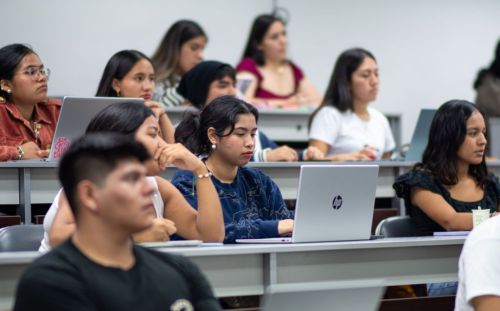
Higher education feels more connected to real life now than it did years ago. Career growth still matters, though many adults are returning to school for reasons that go beyond promotions or salary increases alone. People want stronger communication skills, leadership confidence, community involvement, and work that feels connected to something meaningful outside the office, too. Professional success and public influence increasingly overlap because modern careers affect schools, healthcare systems, neighborhoods, nonprofits, local businesses, and public conversations every day.
This connection becomes easy to notice across North Carolina, where many professionals balance work, education, and community responsibilities at the same time. Nurses continue studying while staying active inside local healthcare systems. Educators pursue leadership roles while remaining connected to public schools and families nearby. Education now feels more woven into everyday professional life rather than existing separately from it.
Flexible Online Degree Pathways
Traditional college structures often worked best for people able to pause everything else temporarily. This setup never matched the reality of many adults already balancing careers, parenting, financial responsibilities, or community commitments at the same time. Modern learning systems feel different because education can now continue alongside ordinary life instead of replacing it entirely for several years.
Flexible online degree pathways opened opportunities for people who previously may have delayed education completely. Someone working inside healthcare can continue building qualifications while staying employed full-time. A public sector employee may pursue leadership training without leaving community work behind. Many professionals enrolling in online colleges in North Carolina are developing new skills while actively applying them inside workplaces and communities simultaneously, which changes the entire relationship between education and professional growth. Programs from the University of North Carolina Wilmington are catering to the needs of working professionals seeking flexibility alongside career advancement.
Transitioning Into Public Impact Careers
A growing number of adults are using higher education to move toward careers connected more directly to public influence and community involvement. Someone working in private administration may decide to move into education leadership later in life. Another professional transitions from corporate operations into nonprofit management, counseling, healthcare support, or civic planning because personal priorities have changed over time.
Those decisions often come from wanting work that feels socially connected instead of isolated from public life completely. Education becomes part of creating that transition gradually. Many adults already carry years of workplace experience into their degree programs before changing direction professionally. That combination of practical experience and continued learning often creates stronger leadership perspectives because students already understand how organizations, communication, and responsibility operate in everyday environments outside the classroom.
Career Advancement and Public Service Education
Professional advancement increasingly involves understanding people, communication, ethics, and broader social responsibility alongside technical job performance. Leadership roles now affect employees, customers, patients, students, and local communities much more visibly than before. That reality changes what many professionals expect from higher education.
Modern programs often include a stronger focus on collaboration, public communication, organizational ethics, and community awareness because workplace decisions rarely stay limited to internal office environments anymore. A school administrator affects families and neighborhoods. Healthcare leadership influences patient access and staff culture. Business decisions shape local employment conditions and public trust. Higher education now prepares professionals for responsibilities reaching far outside their individual job descriptions.
Leadership Development and Community Decision Making
Leadership development looks very different once decisions begin affecting larger groups of people instead of only individual performance goals. Professionals stepping into management or public-facing roles increasingly need communication skills, emotional awareness, adaptability, and a stronger understanding of how choices affect communities directly.
Higher education supports those abilities through collaborative projects, leadership discussions, policy analysis, communication training, and real-world problem-solving exercises tied to broader public situations. Someone pursuing advancement inside healthcare, education, or administration may gradually develop a stronger awareness surrounding community impact simply because modern learning environments encourage thinking beyond isolated workplace outcomes.
Long-Term Civic Impact Opportunities
Many adults no longer define career success only through promotions or financial growth. Long-term civic involvement matters much more now. Professionals increasingly want careers that allow them to contribute visibly to local communities while still developing themselves personally and professionally.
Someone may continue learning because they want a greater influence inside local schools, healthcare systems, nonprofit organizations, housing programs, or public service initiatives affecting people nearby directly. Higher education becomes part of building long-term community participation instead of functioning only as a career requirement. Professional growth and civic contribution increasingly support each other naturally because many adults want work connected to both personal advancement and meaningful public involvement over time.
Communication Skills Beyond the Workplace
Communication skills built through higher education often start influencing areas far outside someone’s actual job title. Professionals learn how to explain ideas clearly, navigate disagreement calmly, present information confidently, and collaborate across different groups with very different perspectives. Those abilities become valuable inside community meetings, volunteer organizations, school boards, healthcare systems, local businesses, and public leadership spaces where strong communication affects everyday decision-making constantly.
A person working in healthcare may eventually help coordinate local outreach programs because they have become comfortable speaking publicly and organizing information clearly. Someone in education leadership may start participating in broader civic discussions connected to family support or community planning. Communication development inside higher education often creates confidence that extends naturally into public involvement because professionals become much more comfortable participating in conversations affecting larger groups of people over time.
Ethical and Public Responsibility Awareness
Many professions now carry visible public influence, whether people expect it initially or not. Healthcare workers affect patient trust. Educators influence families and local development. Business leaders shape workplace culture and economic stability inside communities. Because of that, higher education increasingly places stronger attention on ethics, responsibility, public awareness, and long-term impact connected to professional choices.
Students are often encouraged to think beyond short-term business outcomes or personal advancement alone. Coursework now regularly explores leadership accountability, social responsibility, public communication, organizational fairness, and broader consequences tied to professional decisions. That type of learning matters because modern professionals operate in environments where public trust and ethical judgment affect careers just as much as technical knowledge itself. Higher education now supports much more than career advancement alone. Flexible learning systems, leadership development, communication growth, and public responsibility training increasingly help professionals strengthen both workplace success and long-term community involvement simultaneously.
About the Author