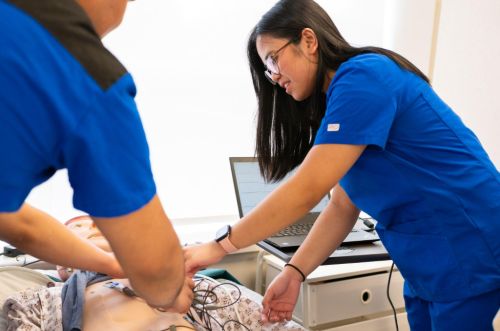
Nursing is a profession built on continuous learning. As healthcare systems become more complex and patient needs continue to evolve, nurses are expected to develop new skills, adapt to emerging technologies, and take on greater responsibilities. Many professionals reach a point in their careers where they want to move beyond their current role, whether that means specializing in a particular area of care, stepping into leadership, influencing healthcare policy, or educating the next generation of nurses.
Fortunately, there are more educational opportunities available today than ever before. Flexible learning formats, specialized degree programs, and professional certifications make it possible for nurses to advance their knowledge while continuing to work. Choosing the right pathway can open doors to higher earning potential, greater job satisfaction, and a wider range of career options.
Pursuing a Master of Science in Nursing (MSN)
A Master of Science in Nursing remains one of the most popular options for nurses seeking career advancement. The degree allows professionals to deepen their clinical expertise while preparing for expanded responsibilities. Many MSN programs offer concentrations that align with specific career interests, giving nurses the opportunity to focus on areas where they want to grow.
One notable specialization is the Adult Gerontology Acute Care Nurse Practitioner pathway. This track prepares nurses to care for adult and older patients facing complex or critical health conditions. Many respected institutions now offer online ACNP programs. Universities such as Youngstown State University have helped make advanced nursing education more accessible, allowing working nurses to pursue specialized training without stepping away from their current roles.
Earning Specialty Nursing Certifications
Specialty certifications provide an excellent way to build expertise without committing to a full degree program. These credentials demonstrate advanced knowledge in specific practice areas and often strengthen a nurse’s professional profile.
Fields such as emergency nursing, oncology, pediatrics, and critical care offer certification opportunities that validate specialized skills. Employers frequently value certified nurses because these credentials reflect dedication to professional growth and high-quality patient care. In many cases, certifications can also create pathways to leadership positions, mentorship roles, and expanded responsibilities within healthcare organizations.
Advancing Through a Doctor of Nursing Practice (DNP) Program
For nurses seeking the highest level of clinical practice, a Doctor of Nursing Practice degree offers a strong next step. Unlike research-focused doctoral programs, the DNP emphasizes practical leadership, healthcare improvement, and the application of evidence-based strategies in real-world settings.
Students often learn how to address complex healthcare challenges, improve patient outcomes, and influence organizational decision-making. The degree can prepare nurses for executive leadership positions, advanced practice roles, and large-scale quality improvement initiatives. As healthcare systems continue to evolve, DNP-prepared nurses are increasingly viewed as valuable contributors to innovation and patient-centered care.
Exploring Nurse Educator Programs
Many experienced nurses discover a passion for teaching after years in clinical practice. Nurse educator programs help transform that experience into the skills needed to train future healthcare professionals. These programs focus on instructional methods, curriculum development, student evaluation, and educational leadership.
Graduates may find opportunities in colleges, universities, hospitals, and healthcare organizations. Their work extends beyond delivering lectures. They mentor students, guide clinical learning experiences, and help shape the next generation of nurses.
Studying Healthcare Administration and Leadership
Some nurses reach a point where they want to influence care from a broader position. Healthcare administration and leadership programs help them move into roles where they guide teams, improve systems, and support better workplace decisions. These programs often cover staffing, budgeting, communication, quality improvement, and healthcare operations.
This path can suit nurses who enjoy solving practical problems and helping departments run more smoothly. A strong clinical background gives nurse leaders a clear view of what patients and staff need each day. With the right education, they can turn that experience into thoughtful leadership that improves both care delivery and team performance.
Pursuing Degrees in Public Health
Public health education gives nurses a wider view of healthcare beyond individual patient care. Instead of focusing only on bedside treatment, this pathway looks at prevention, community wellness, health education, and access to care. Nurses who choose this route often work with schools, government agencies, nonprofits, or community health programs.
A degree in public health can be especially useful for nurses who care about reducing health gaps and improving outcomes for larger groups of people. Their clinical experience helps them understand real patient needs, while public health training teaches them how to design programs that reach communities in meaningful ways.
Expanding Knowledge Through Informatics and Healthcare Technology
Technology now plays a major role in almost every part of nursing. From electronic health records to patient monitoring tools, nurses work with digital systems every day. Nursing informatics programs help professionals understand how data, software, and healthcare workflows connect.
This pathway can lead to roles that improve documentation systems, support clinical teams, analyze patient data, or help organizations choose better technology. It is a smart option for nurses who enjoy problem-solving and detail-focused work. With informatics training, nurses can help make technology more useful, less frustrating, and more supportive of safe patient care.
Participating in Continuing Education and Professional Development Programs
Not every educational pathway requires a full degree. Continuing education courses, workshops, conferences, and short training programs allow nurses to keep learning while managing busy schedules. These options can help professionals stay current with changes in treatment methods, technology, safety standards, and patient care expectations.
Professional development also gives nurses room to explore new interests before committing to a longer program. A short course in wound care, leadership, informatics, or mental health nursing may reveal a direction worth pursuing further. Small learning steps can build confidence and keep a nursing career fresh, flexible, and rewarding.
The best educational path is the one that feels connected to the kind of nurse a person wants to become. There is no single route that fits every career. What makes nursing so powerful is the number of ways professionals can keep growing without leaving the heart of the field behind. With curiosity, planning, and the right program, education can become more than a career move. It can become the next meaningful chapter in a nurse’s work.
About the Author