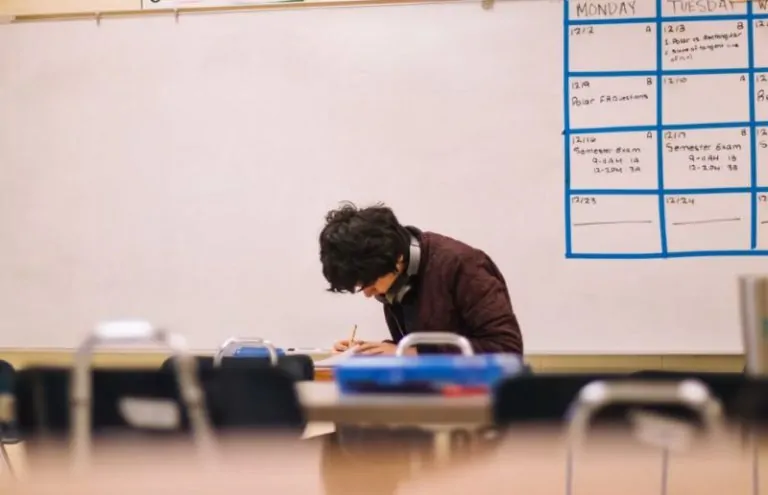
Work has changed, so study has changed with it. Many people are no longer able to stop everything to pursue a postgraduate degree. They have jobs, bills, family plans, and careers already in motion.
That is why flexible postgraduate study matters. It shows how learning now fits into adult life, instead of sitting apart from it. In the digital age, education is becoming something people return to as work keeps changing.
Learning has always followed work
Adult learning has always been part of work. People have always had to adjust when jobs changed. The difference now is speed. Digital tools can quickly change how people manage money, talk to customers, sell, lead teams, and make daily decisions.
Today, a job can change over the course of months rather than years. A manager may need to start working with data reports. A finance worker may spend more time with digital systems. A teacher may have to adapt lessons for online tools. Even experienced workers can find that their role has quietly widened.
The timetable has moved
Flexible study says something clear about time. Many people cannot pause their whole life for postgraduate education. They still have work hours, bills, family duties, and other plans. The study model has had to change because the learner has changed.
This is why online and part-time formats matter. They let people keep a job while building new knowledge. They also make study possible for people who do not live near a campus or cannot travel each week.
A professional looking at an online MBA may not be planning to step away from work. They may want to understand their current role more clearly while staying in it. That changes the way postgraduate study feels. Learning is no longer kept apart from working life. It can sit alongside it.
Hidden systems shape modern study
Digital study can look simple from the outside. A laptop opens. A module begins. A student reads, watches, writes, and submits work. But behind that simple view sits a wider system of platforms, support, payment models, and study design.
Flexible postgraduate study has its own hidden systems too. Good online learning needs clear course pacing, useful materials, simple access, and steady support. Without that structure, flexibility can become confusing. With it, learners can make progress even when every week looks different.
Postgraduate study has become closer to real work
Postgraduate learning once carried a stronger sense of distance from daily work. It could feel like a separate academic space. That has not vanished, but modern professional study now sits much closer to the workplace.
This is easy to see in business education. People do not only want theory. They want ideas they can test against budgets, teams, projects, customers, and change. That is one reason flexible MBA degrees have become part of the wider discussion about adult learning and career change.
This does not mean education should become narrow job training. A good postgraduate course still needs careful thought, reading, and reflection. But the link between study and work is now harder to ignore. People want learning that helps them understand the world they already work in.

The digital age has changed the student
The modern postgraduate student is not always young, local, or free during the day. Many are already deep into work and life. They may study after a shift, during a quiet weekend, or around family routines. This changes what support means.
Support is not just about getting help when you ask a question. It is also about clear deadlines, simple access to materials, fair costs, and a study setup that fits real life.
Many adults want to study, but life is already full. Work hours, family duties, and money can make it hard to start. The OECD’s research on adult learning points to the same problem: time, cost, and lack of suitable options often stop adults from taking part.
Flexible study does not make those pressures disappear, but it can make learning easier to fit around them.
Education is becoming less tied to place
Place still matters in education. Cities, institutions, libraries, and professional networks shape how people learn. London’s long link with finance, trade, government, and professional life still gives some courses a clear setting.
But digital study has changed the role of place. A learner may study with a London-based provider while living elsewhere. They may still be connected to the city’s business culture, professional networks, and pace of change without moving there.
This is one reason London online study has become part of the wider discussion about flexible education. It does not make the place less important. It changes how people reach it.
Knowledge can travel more easily now, but it still comes from somewhere. The best online learning keeps that sense of origin while giving learners more room to take part.
Flexible study shows how careers now move
Careers are less like straight ladders than they once seemed. People step sideways, pause, return, retrain, or move into roles that did not exist when they first studied. A person may begin in operations and move into project work. Another may move from finance into technology. Someone else may build leadership skills after years of practical experience.
Modern postgraduate learning fits this pattern. It allows people to add new knowledge at different points, not only at the start of adult life. It also shows that career growth is not always a dramatic switch. Sometimes it is a slow widening of skill, confidence, and judgement.
OECD work on lifelong adult learning makes the same point in a wider labour-market context. As digital and green changes reshape jobs, adults need ways to keep building skills while they stay active in work.
What this says about the future of work
Flexible postgraduate study is not only a change in education. It is a sign of how work itself has changed. Work now changes while people are still inside it. New tools, new systems, and new ways of doing things can appear before someone has even settled into their role.
That can feel tiring, but it also changes what education means. Learning is no longer something people do once when they are young. It has become something they return to when life and work move forward. It can return when a person needs it, fit around real duties, and connect more closely to the choices people make at work.
The digital age has not made learning less serious. It has made it more continuous. The future of work will belong, in part, to people who can keep learning without stepping out of life to do it.
About the Author