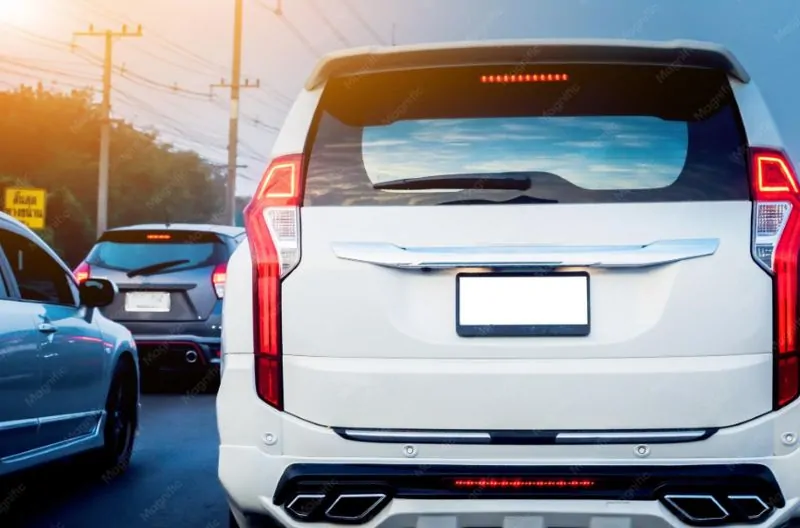
California drivers should know that the new license plate sequence is part of the state’s ongoing effort to provide enough unique plate combinations for newly registered vehicles. While the sequence format changes as available combinations are exhausted, the legal requirements for registering and properly displaying license plates remain the same. Understanding how the new sequence works can help drivers avoid confusion when registering a vehicle or receiving new plates.
California has more registered vehicles than any other state in the country, making its vehicle registration system one of the largest and most active in the United States. As millions of new cars, trucks, and SUVs are added to the roads over time, the state must periodically update its license plate numbering system to create additional unique combinations. Because of this transition, many drivers have questions about the new California license plate sequence and what it means for vehicle owners.
Why Is California Changing the License Plate Sequence?
Every standard license plate follows a specific combination of letters and numbers. Over time, those combinations eventually run out as more vehicles are registered across the state.
Rather than redesigning every license plate, California simply introduces a new sequence once the previous format reaches its limit. This allows the Department of Motor Vehicles (DMV) to continue issuing unique plates without disrupting the registration process.
For most drivers, the change affects only the appearance of newly issued plate numbers and does not require any action if they already have valid registration.
Who Will Receive the New Plates?
The updated sequence primarily affects drivers registering newly purchased vehicles or replacing existing license plates.
You may receive a plate with the new sequence if you:
- Purchase a new vehicle.
- Register a vehicle in California for the first time.
- Replace lost or stolen license plates.
- Request replacement standard license plates.
Drivers who already have properly registered vehicles generally do not need to replace their current plates simply because a new numbering sequence has been introduced.
Does the New Sequence Change Registration Rules?
No. The new numbering sequence does not change the legal responsibilities associated with vehicle registration.
Owners must still maintain current registration, display valid license plates, and notify the DMV when required by law after events such as vehicle sales, transfers, or address changes.
The sequence itself is simply an administrative update that allows California to continue issuing unique license plate numbers as registrations increase.
Why License Plates Matter
License plates serve several important purposes beyond identifying individual vehicles. They help law enforcement identify vehicles involved in accidents or criminal investigations, assist toll collection systems, and support vehicle registration records maintained by the DMV.
Properly displayed license plates also make it easier for emergency responders, parking authorities, and insurance companies to identify vehicles when necessary.
For these reasons, drivers should ensure their plates remain clean, readable, and securely attached at all times.
Avoid Common License Plate Mistakes
Receiving a new license plate does not eliminate the need to follow California’s vehicle display requirements.
Drivers should avoid mistakes such as:
- Driving with expired registration.
- Covering plates with tinted or reflective covers.
- Mounting plates where they cannot be easily read.
- Using plates assigned to another vehicle.
- Allowing plates to become damaged or unreadable.
Taking a few moments to inspect your license plates periodically can help prevent unnecessary traffic stops or citations.
California’s Plate Display Requirements
The numbering sequence may change, but the legal rules governing license plate display remain consistent. For example, California Vehicle Code §5201 requires license plates to be securely fastened in a position where they are clearly visible and legible. Drivers who improperly display their plates or obstruct important identifying information may face citations even if their registration is otherwise valid.
Understanding these requirements helps ensure compliance regardless of which plate sequence appears on the vehicle.
What Drivers Should Expect
Most California drivers will notice very little difference beyond the updated combination of letters and numbers. Vehicle registration procedures, renewal requirements, insurance obligations, and ownership documentation remain unchanged.
As the state continues issuing new plate combinations, drivers can expect the transition to occur gradually as new vehicles are registered and replacement plates are issued. Existing plates remain valid unless replacement is otherwise required under California law.
Key Takeaways
- California periodically updates its license plate sequence to create additional unique combinations for newly registered vehicles.
- The new sequence primarily affects new registrations and replacement license plates.
- Current license plates remain valid unless replacement is required for another reason.
- Drivers must continue following all registration and plate display requirements.
- Regularly inspecting license plates can help prevent unnecessary citations.
- California Vehicle Code §5201 requires license plates to be securely mounted and clearly visible.
- Understanding the new sequence can help drivers avoid confusion while remaining compliant with California vehicle laws.
About the Author