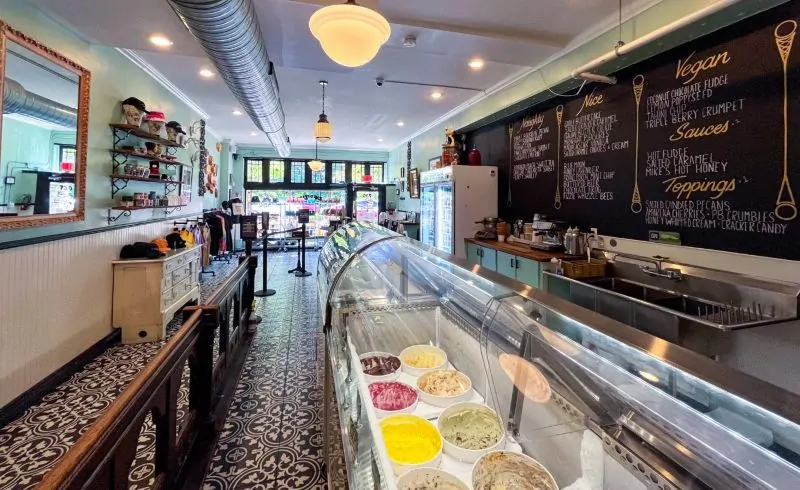
Small-batch ice cream shops can control details that large manufacturers must standardize. Short production runs preserve delicate textures, while nearby teams can respond to customer feedback within days. Recipes may reflect local farms, family traditions, or seasonal produce. Each serving shows human judgment, from ingredient selection to final temperature. That care creates a dessert with freshness, character, and a stronger connection to the place where it gets served.
Freshness Has a Short Clock
Factory-made products often travel through warehouses before reaching a freezer. Independent makers can prepare batches closer to the serving date, preserving volatile aromas and a smoother mouthfeel. Smaller quantities also reduce prolonged storage. A recent batch may taste brighter, with cleaner fruit notes or more pronounced cocoa. Minor differences between runs signal hands-on production, not flaws that need correcting.
Local Shops Make Flavor Personal
A St. Louis ice cream shop can adjust its menu after hearing direct comments from nearby guests. A neighborhood bakery might provide a pastry for one limited recipe, while a local celebration could inspire another. Customers can request less sweetness, ask about allergens, or suggest combinations. Those exchanges give makers immediate evidence about taste, texture, and dietary priorities. Large corporations depend on broader surveys, which rarely capture such detailed responses.
Recipes Carry a Point of View
Independent makers frequently build flavors around lived experience. One recipe may recall a family dessert, a regional ingredient, or a memorable meal. That origin gives the finished scoop a recognizable identity. National products usually favor familiar combinations with broad appeal. A neighborhood producer can pursue a narrower preference, as long as the balance stays intentional and the recipe offers a clear reason to return.
Small Runs Invite Better Choices
Limited output gives a kitchen room to test an idea without producing thousands of units. A team may reduce sugar, alter a swirl, or replace a topping after one weekend. Feedback then guides the next preparation. This method also limits waste when an experiment misses its mark. Large manufacturers face costly equipment changes, packaging revisions, and distribution concerns before making comparable adjustments.
Seasonal Ideas Stay Relevant
Independent counters can work with produce at its best, rather than following a fixed national schedule. Strawberries, peaches, herbs, and warming spices each bring a distinct period of use. Brief availability encourages guests to return before a favorite disappears. Rotating selections also stimulate sensory interest. Customers notice changes in acidity, aroma, and texture, which keeps repeated visits from feeling routine.
Ingredients Tell a Story
A small producer may identify the dairy farm, baker, orchard, or chocolatier supplying a component. That information adds traceability and gives each flavor a stronger local connection. Ingredient quality also affects physical characteristics, including fat content, water balance, and crystal formation. A national label may list excellent materials, yet rarely explains the relationships behind them. Transparency helps customers judge value beyond price.
Service Becomes Part of the Dessert
Staff members at independent parlors often know how each recipe behaves in the case. They can explain texture, identify allergens, recommend pairings, or suggest a dairy-free option. Such guidance is valuable for families managing food sensitivities. Familiar service also supports trust. Returning guests may receive consistent recommendations based on earlier preferences, something a self-service freezer cannot provide.
Variety Can Include Dietary Needs
Smaller kitchens can introduce non-dairy, alcohol-free, gluten-conscious, or nut-aware selections without waiting for a national launch cycle. These recipes still require attention to the balance of protein, fat, water, and stabilizers. Proper formulation prevents an alternative base from becoming icy or thin. Clear labeling then helps guests make informed choices. Dietary consideration becomes part of product quality, not a separate afterthought.
Community Gives Each Scoop Meaning
Independent shops often employ residents, join neighborhood events, and purchase supplies from nearby businesses. Their activity contributes to the social life of a commercial district. Guests may meet friends after dinner, mark a birthday, or pause during a family outing. Repeated visits create familiarity that advertising cannot manufacture. A large label can be recognizable, while a local counter becomes part of daily life.
Conclusion
Small-batch ice cream shops retain control over timing, formulation, sourcing, and service. Those factors influence flavor release, mouthfeel, freshness, and dietary suitability. Smaller teams can test recipes quickly, answer questions directly, and connect each menu choice with local people or seasons. For customers seeking more than predictable sweetness, an independent parlor offers a carefully made dessert with context, accountability, and a human presence.
About the Author