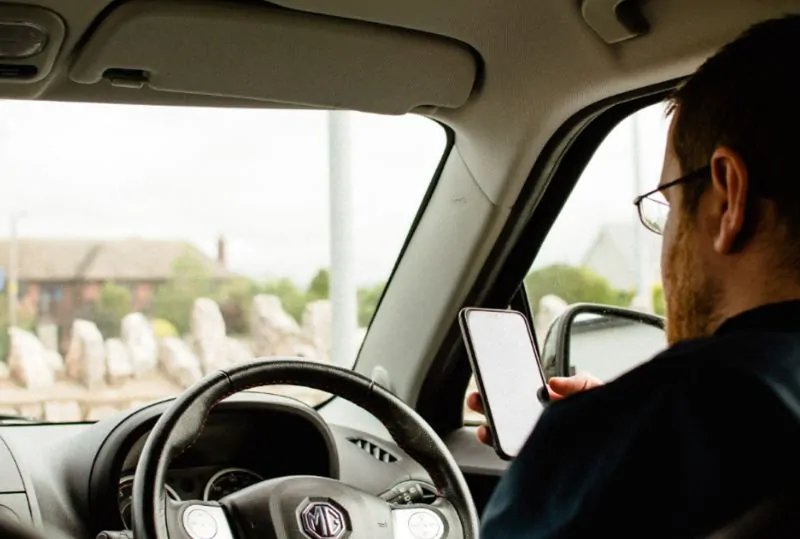
After a car accident in Medford, your days start to blur together fast. You are juggling doctor visits, insurance calls, and bills that keep showing up in the mail more often than you would like. Through all of this, you probably keep using your phone the same way you always have, texting friends, checking apps, and scrolling social media without giving it a second thought.
What most people do not realize is that this everyday phone activity can end up shaping their injury claim in ways they never expected. Messages, photos, and even data from a fitness tracker can all become part of how your case gets reviewed and valued.
Here is how digital messages and records can become evidence in a Medford injury case, so you know exactly what to expect along the way.
1. Text Messages Reveal Fault Through Timestamps and Content
Your phone keeps a timestamp for every message you send and receive. After a crash, investigators and insurance companies often look at this timeline to understand what happened right before impact. This is one reason your phone activity does not simply disappear once an accident occurs.
The content of a message can carry weight too, not just the time it was sent. A simple text like “on my way” or “running late” can be read out of context if nobody explains the full story behind it. This kind of misunderstanding is exactly what careful legal guidance helps prevent.
Knowing how these records get used can help you protect your side of the story from the start. Considering that, a Medford personal injury attorney can review your messages and make sure they get presented with their full context, not just a few isolated words.
2. Social Media Posts Undermine Injury Claims with Contradicting Evidence
Insurance companies often check social media once a claim gets filed. A photo from a family gathering or an old vacation picture posted at the wrong time can easily be taken out of context. That does not mean anything is wrong with your claim, but it can create confusion if nobody explains it.
Posts do not need to mention the accident at all to raise questions. A casual caption like “feeling good today” could be read differently by someone reviewing your file months later. This is why it helps to stay mindful of what you share while your claim is still open.
Being a little more careful with social media during this time can protect your claim from unnecessary questions. Keeping your accounts private and pausing new posts is a simple way to stay in control of your own story.
3. Photos and Videos Document the Scene Before It Changes
Once the professionals get to the scene of the accident and the roadways begin to move, things change quickly. Skid marks disappear, debris is swept up, and damaged property is often repaired within days. The photos and video captured immediately after the crash capture that moment and provide you with evidence that words cannot.
These images can display the road conditions, vehicle damage, weather, and visible injury all in one. One clear photo can resolve disagreements over who had the right of way and whether or not there was a hazard. Video from nearby businesses or traffic cameras can provide even more helpful information.
Visual evidence, such as this, has real impact, and it’s important to capture it as soon as possible. The sooner these photos are gathered and safely stored, the better your Medford case will be when you have to make a negotiation.
4. Fitness Trackers Confirm the Physical Impact of the Crash

Many people wear fitness trackers every day without thinking much about the data they collect. These small devices record heart rate, step count, sleep patterns, and sudden changes in movement. That steady stream of information can end up quietly supporting your injury claim.
A sudden spike in heart rate followed by long inactivity can closely match the exact moment of impact. A noticeable drop in daily steps afterward can clearly show how the crash limited your movement. Sleep data showing constant disruption at night can also support claims of ongoing pain.
This kind of data offers proof that is hard to argue against, since it comes straight from your own body. When paired with your medical records, it paints a fuller picture of how the crash truly affected your daily life.
5. GPS and Rideshare Data Pin Down Time and Location
GPS records exist on your phone, inside your car, and within any rideshare app you may have used that day. These records quietly track your exact location and movement down to the minute. When a crash happens, this data can confirm exactly where you were and how fast you were moving.
Rideshare apps keep especially detailed logs, including pickup times, chosen routes, and driver behavior throughout the trip. If another driver was using a rideshare app during the crash, that data can reveal distraction or unsafe speed. These records are often requested directly from the rideshare company itself.
Because this data sits safely on outside servers, it is harder to lose or quietly alter later. That makes it one of the most reliable ways to confirm what truly happened on busy Medford roads.
6. Deleted Messages Resurface Through the Legal Discovery Process

Deleting a message from your phone does not always mean it disappears completely from every device. Phones, apps, and cloud backups often keep hidden copies long after the message vanishes from your screen. During the legal discovery process, these hidden copies can sometimes be located and recovered.
Discovery allows both sides of a case to formally request evidence from each other, including digital records stored online. If a deleted message turns out to be relevant to the crash, a court can order it to be produced. This process helps make sure important information does not simply get erased by accident.
Knowing this should encourage caution rather than worry about your past messages. Handling your digital records carefully after a Medford crash helps protect your case instead of creating new avoidable problems.
Conclusion
Digital records play a much bigger role in injury cases than most people expect going in. From simple text timestamps to quiet fitness tracker data, these small details can shape how your claim gets reviewed and valued by everyone involved. Being mindful of what you send, post, and store online can make a real difference in your outcome. Understanding these digital footprints early gives you a clearer, more confident path forward after any Medford accident, no matter how the crash happened.
About the Author