
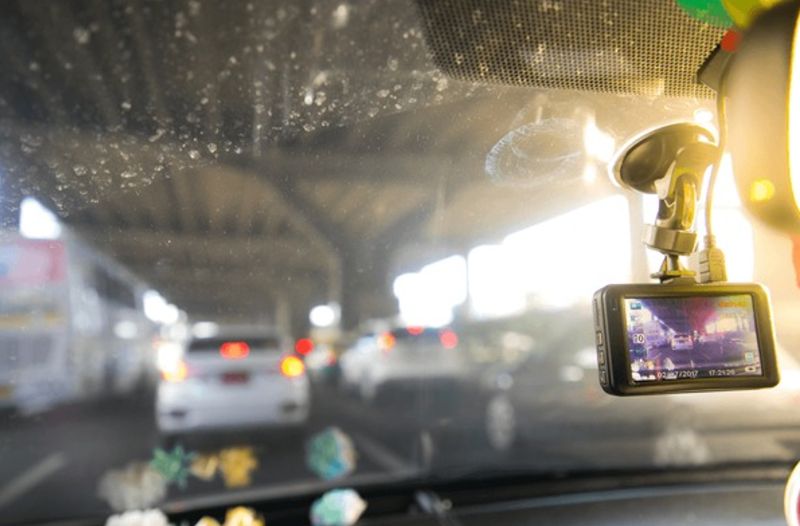
The main difference is control and availability. Dashcam footage is usually in a driver’s hands right after a crash, while traffic camera footage belongs to a government agency and may not be recorded or kept at all. Dashcam video is often more reliable, but traffic camera footage adds a neutral view when it exists.
Fayetteville is the county seat of Fayette County, about 22 miles south of downtown Atlanta. Several state highways, including State Routes 54, 74, 85, and 92, pass through the county. The Georgia Department of Transportation states that it does not record video from its traffic cameras, so past footage from those cameras is not available.
Because the right video can shape how fault is decided, many drivers speak with a skilled auto accident lawyer in Fayetteville about what evidence may exist after a crash.
Dashcam vs. Traffic Camera Footage: Key Differences
| Factor | Dashcam Footage | Traffic Camera Footage |
| Ownership | Driver or vehicle owner | Government agency |
| Availability | Usually immediate | Often not recorded or kept briefly |
| View | Driver’s perspective | Fixed, wider angle |
| How to obtain | Save it from the device | Records request, if footage exists |
| Neutrality | May be questioned | Generally seen as neutral |
What Is Dashcam Footage and How Does It Help?
A dashcam is a small camera mounted inside a vehicle that records the road ahead, and sometimes the rear or cabin. Footage may show traffic signals, the other driver’s movements, and road conditions at the moment of impact. Many devices also record time, speed, and location data.
What Can Traffic Camera Footage Show?
Traffic cameras are mounted at intersections or along highways. When footage is recorded, it can show both vehicles from an independent angle, including lane position and signal timing.
However, many cameras only stream live video, and recorded footage may be deleted quickly.
What Are the Pros and Cons of Each Type of Footage?
Pros and Cons of Dashcam Footage
- Pros: Immediate access, close view of the other vehicle, and time-stamped data
- Cons: Limited angle, possible gaps if the device fails, and possible claims of editing
Pros and Cons of Traffic Camera Footage
- Pros: Neutral source and wider view of the intersection
- Cons: Often unavailable, difficult to obtain, and sometimes low resolution
Dashcam vs. Traffic Camera Footage: A Practical Example
Consider a hypothetical crash on a Fayetteville state highway. Driver A says Driver B ran a red light, but Driver B claims the light was yellow.
Driver A’s dashcam shows the signal turning red before Driver B entered the intersection. A nearby traffic camera streamed live but did not record, so the dashcam becomes the key evidence of fault.
Which Option Is Better for Your Situation?
The most useful footage is the one that exists and clearly shows the crash. Dashcam video is often the stronger choice because it is available right away, while traffic camera footage works best as supporting evidence.
Under O.C.G.A. §51-12-33, an injured person found 50% or more at fault cannot recover damages. Under O.C.G.A. §9-3-33, most personal injury lawsuits must be filed within two years, so preserving video quickly is important.
Frequently Asked Questions
How do I request traffic camera footage in Georgia?
You can submit an open records request to the agency that operates the camera, such as a city police department. Act quickly, since footage may not be kept long.
Can dashcam footage hurt my case?
Yes. If it shows you speeding or distracted, the other side may use it to argue that you share fault.
Key Takeaways
- Dashcam footage is usually easier to access, while traffic camera footage may not be recorded at all.
- The Georgia Department of Transportation does not record its traffic camera video.
- Dashcams can capture signals, vehicle movements, and time-stamped data.
- Traffic camera footage offers a neutral view when it exists.
- In Georgia, a person 50% or more at fault cannot recover damages.
- Most Georgia injury lawsuits must be filed within two years.
About the Author