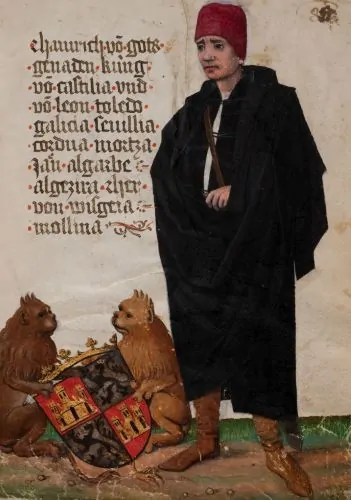
In 1465, Juan Pacheco and his allies stripped Henry IV’s effigy of royal authority and proclaimed Alfonso king. Their ceremony rallied a rebellion without settling who ruled Castile.
By Matthew A. McIntosh
Public Historian
Brewminate
Introduction: A King Falls but Keeps His Throne
On June 5, 1465, a gathering of Castilian nobles assembled outside Ávila before a seated effigy of King Henry IV. The figure bore royal insignia, which the rebels removed as their accusations against Henry were read aloud. They then cast it down and proclaimed his eleven-year-old half-brother Alfonso king. Henry was elsewhere, alive and still obeyed by many of his subjects. The ceremony could announce a change of ruler to those present; it could not compel the rest of Castile to accept one.
Juan Pacheco, marquis of Villena, stood among the men who made that announcement. He had entered Henry’s service when Henry was still a prince and had built a formidable position through their long association. His estrangement from the king made Ávila more than another episode of noble opposition. A former intimate of the royal household now helped declare that its head had forfeited the right to govern. Pacheco had reasons to resent the rise of competing favorites, especially Beltrán de la Cueva, but his interests were bound up with disputes that extended beyond access to Henry. The rebels challenged royal appointments and decisions about the succession, while Henry had already negotiated with them over Alfonso’s place as heir. By June, those negotiations had failed to contain the conflict. Pacheco’s presence at Ávila raises the question of how a man whose wealth and standing owed so much to one king could publicly recognize another.
The staged deposition supplied a language for that break. Removing the insignia treated kingship as an office with duties that its holder could fail to perform, while Alfonso’s proclamation offered the rebels a dynastic successor rather than an end to monarchy. Accusations concerning Henry’s conduct, sexuality, and the parentage of his daughter Juana formed part of the struggle to justify that choice; they cannot be treated as established facts merely because opponents repeated them. The assembled nobles also presented their judgment as something larger than a dispute over court favor. Whether others accepted their claim would be decided beyond the platform, in towns, households, councils, and armed forces.
The customary name, the “Farce of Ávila,” can obscure the seriousness of what followed. Alfonso’s supporters maintained a rival court and issued documents in his name, while Henry retained enough authority to resist them. Contemporary and later accounts disagreed about the participants’ conduct and motives, making the ceremony’s reputation part of the history to be examined. I argue that Ávila turned a coalition’s rejection of Henry into a visible claim of lawful rule, without settling who possessed the power to rule Castile. Pacheco helped give that claim force because he knew the court he opposed and commanded resources of his own; he also pursued advantages that complicate the rebels’ professions of principle. The distance between what they enacted before spectators and what they could secure afterward is the measure of the ceremony’s political significance.
Pacheco’s Rise inside the Royal Household
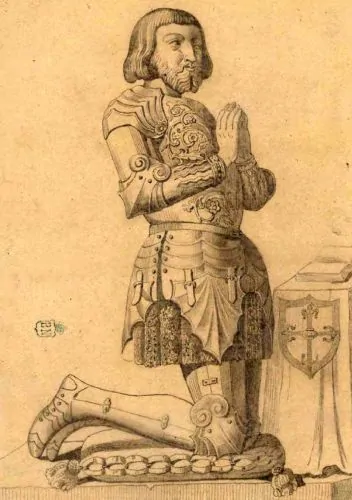
Belmonte, the family’s lordship in the region of Cuenca, gave Juan Pacheco a place among Castile’s nobles, though his father’s rank fell well short of that of the great magnates. Alfonso Téllez Girón held the town through his marriage to María Pacheco, whose forebears were among the Portuguese nobles who had settled in Castile. Of their sons, Juan adopted his mother’s surname and Pedro his father’s. Both spent their youth in the household of Álvaro de Luna, constable and chief counselor to Juan II, before Luna placed them with the heir in the mid-1430s. A doncel served near the prince as a young noble attendant; for Pacheco, the post offered an education in the people and affairs of Henry’s establishment while Juan II still occupied the throne.
By 1440, Pacheco’s position was gaining an official shape. In March, Juan II granted him the office of trinchante at Henry’s table, with a daily allowance; the prince subsequently entrusted him with judicial appointments in Segovia, one of the towns under his authority. He became camarero mayor, or chief chamberlain, in 1442 and mayordomo mayor, the senior office in Henry’s household, in August 1444. Fernando del Pulgar later described Henry entrusting him with his most important affairs, a portrait that compresses years of service into a judgment about character. A letter from Queen María in January 1442 provides a more precise glimpse of his role. She asked him to seek the release of one of her attendants whom Henry had imprisoned after accusations from Molina de Aragón. To the queen, Pacheco was someone who could carry a request to the prince and perhaps obtain a decision. His formal appointments and the demands others made on his access developed together.
Those appointments brought grants that met resistance far from court. In 1440, Juan II authorized Henry to assign Pacheco four communities detached from the jurisdiction of Alcaraz, as well as Utiel. The council of Utiel, whose privileges had promised protection against alienation from royal control, refused to accept the new lord despite repeated commands from father and son. Only in 1443, after Henry ordered an officer to take possession and called on a neighboring town for armed assistance, did Utiel submit. His marriage in 1442 to María Portocarrero also connected him to her holdings at Villanueva del Fresno and her contested inheritance at Moguer; the latter required a further settlement in 1444.
The contest between Juan II, Luna, and the infantes of Aragón increased the value of Henry’s support. Pacheco negotiated for Villena and other places as part of an agreement with Luna in 1444, before the royal party defeated its Aragonese opponents at Olmedo on May 19, 1445. He commanded a contingent of the prince’s troops in that battle. In September Juan II gave him the title marquis of Villena; separate concessions brought him Villena, Sax, and Yecla, while other towns associated with the older marquisate followed over subsequent years. Pedro Girón obtained the mastership of the military Order of Calatrava, with its own revenues and armed following. A charter by which the prince granted Pacheco Moya in 1448 specified rights to administer justice and receive dues, together with the council’s duty to acknowledge him as lord. An exchange recorded in 1449 traded his holding at Medellín for Chinchilla and Castillo de Garcimuñoz, bringing more of his property into the region around Villena. The rewards of service had become authority over inhabited places and income from which Pacheco could maintain dependents.
One disagreement within the prince’s household shows that this ascent did not give Pacheco permanent control of Henry’s choices. Around 1450, Henry took a liking to Rodrigo Portocarrero, a young man Pacheco had introduced there; the Crónica del halconero says Pacheco and Girón tried to remove him. In that account, Henry grew angry, and Pacheco fled Segovia after learning of a possible move against him, returning after a reconciliation within weeks. The causes of the quarrel remain uncertain, and the chronicler’s depiction of the prince’s dependence cannot by itself establish what Henry intended. Yet the episode shows how another attachment could unsettle arrangements built through years of service. When Henry succeeded Juan II in 1454, Pacheco held senior office and extensive lordships, but his position now depended on a reigning king whose purposes could diverge from his own.
Henry’s Own Political Program
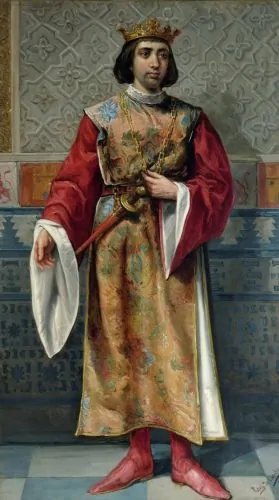
Henry’s accession in 1454 enlarged the stakes of Pacheco’s place at court. The marquis remained a trusted adviser, but royal favor now had to serve decisions about war, justice, appointments, and the succession across the kingdom. Bishops, nobles, town councils, and household officers all sought a hearing, and Henry could advance one group without abandoning another. Pacheco’s closeness to the king gave him opportunities to shape those choices; it did not guarantee that Henry would always choose as he wished. Their relationship became vulnerable wherever the king’s aims and the marquis’s expectations ceased to coincide.
The campaigns against Granada from 1455 to 1458 reveal how difficult it is to separate Henry’s purposes from the advice he received. Castilian forces raided Nasrid territory and took strongholds, including Jimena de la Frontera in 1456, while Henry avoided committing his army to a decisive pitched battle. He also supported Saʿd, a claimant to the Granadan throne whose submission could bring Castile tribute and influence beyond anything a single raid might secure. Short campaigning seasons, limited funds, and the condition of frontier defenses gave practical reasons for this approach, even as some nobles wanted a more conclusive victory. Papal support supplied crusading funds and affirmed Henry’s standing as a Christian ruler. Accounts differ over who devised the strategy. Diego Enríquez del Castillo credits Pacheco, whereas the anonymous Crónica castellana assigns a central role to the royal council. That disagreement cautions against giving either the adviser or the king sole authorship of a policy sustained through several campaigns.
Henry pursued royal authority in other settings as well. Papal grants in 1456 allowed him to administer the military orders of Santiago and Alcántara, whose resources mattered for war and whose leadership mattered to powerful families. He retained control of Santiago while his young half-brother Alfonso had an interest in its mastership under earlier dynastic arrangements; in 1458 he placed Gómez de Cáceres at the head of Alcántara. Ordinances issued in 1459 sought a greater role for trained lawyers in the royal council, while appointments of royal officials extended the crown’s reach into towns. At Segovia, the king’s building projects and pomegranate emblem associated his rule with Castilian kingship and ambitions in Granada. Historians can discern a broad direction in these initiatives without assuming that every measure followed a fixed plan or succeeded on the terms Henry intended.
Pacheco continued to benefit from that exercise of royal power. In May 1461 Henry authorized him and Juan Fernández Galindo to negotiate with prominent nobles over peace in the kingdom. On May 24, 1462, the king granted him rights to the alum deposits of Murcia; three days later Pacheco assigned half his interest to Pedro Fajardo, the region’s adelantado mayor. The grant offered income, while the arrangement with Fajardo tied its exploitation to a local magnate with whom the crown had recently been in dispute. Such documents place Pacheco at the center of royal business well into the period when Beltrán de la Cueva was gaining influence.
Beltrán’s ascent changed the distribution of influence without producing an immediate break between Henry and Pacheco. Henry’s reconciliation with the Mendoza family opened the way for Beltrán’s marriage in 1462 to Mencía de Mendoza, daughter of the marquis of Santillana. That connection brought him powerful relatives and the prospect of property; his elevation as count of Ledesma gave him a titled position of his own. The marriage also made royal favor useful to the Mendozas, whose support could strengthen Henry’s position among the great houses. Beltrán acquired allies beyond the household in which he had first attracted the king’s attention. For Pacheco, the danger lay in the cumulative effect of such relationships. Henry could still reward him while giving another adviser an increasing say in honors and appointments. The king’s ability to raise favored servants was part of his political strength, yet each promotion created interests he would later have to accommodate.
Foreign affairs brought Pacheco and Beltrán into the same royal company even as their prospects diverged. In 1462 the authorities resisting John II of Aragón offered Henry the lordship of Catalonia, drawing Castile into a costly conflict. Henry accepted, but support for his new subjects demanded troops and money that proved difficult to sustain. When Louis XI of France offered arbitration, Henry sent Pacheco and Archbishop Alfonso Carrillo to negotiate; Jerónimo Zurita’s account places both Pacheco and Beltrán in the king’s entourage at the subsequent meeting with Louis. The judgment delivered at Bayonne on April 23, 1463, required Henry to withdraw his support from the Catalan rebels and held out the Navarrese district of Estella as compensation. Zurita records Henry’s dissatisfaction with the result. Alan Ryder describes Pacheco’s influence over the negotiations and reports that he disclosed one of Henry’s proposals to John II; the available evidence does not make that report sufficient, by itself, to explain the withdrawal. Financial constraints, French ambitions, Henry’s own calculations, and his advisers’ interests all shaped the outcome.
Succession gave these disputes a sharper consequence. By May 1462 Henry was requiring nobles to swear allegiance to his daughter Juana as heir; a surviving order to the count of Benavente says that other prelates, nobles, and town representatives had already done so. On May 16, 1464, Pacheco, his brother Pedro Girón, and Carrillo agreed to take charge of Alfonso and Isabel, recognize them as legitimate successors, and arrange their marriages by mutual consent. Henry’s decision to confer the mastership of Santiago on Beltrán followed on May 23. That sequence matters. The three men had committed themselves to intervening in the royal children’s future before Beltrán received the office. Santiago nevertheless made the quarrel more acute, because its leadership carried immense resources and Alfonso had a prior dynastic claim to it. By then, Pacheco and his allies were asserting a power to settle questions Henry had claimed for the crown.
A Disputed Succession
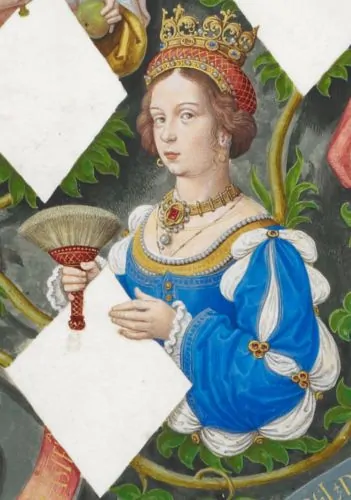
Juana’s birth in early March 1462 changed the place of every other royal relative in the succession. Letters sent to Castilian towns announced that Queen Juana of Portugal had borne a daughter; a contemporary chronicle and letters dated March 7 have led Óscar Perea Rodríguez to favor that date over the often repeated February 28, although the chronicle leaves a small uncertainty about the day. On May 9, members of Henry IV’s court swore to recognize the infant as heir, and the Cortes subsequently ratified that recognition. These acts gave Juana a standing that her opponents would have to overturn in public, rather than a claim confined to her parents’ household. Castilian practice permitted a daughter to inherit the crown, and Henry acknowledged Juana as his child. For those seeking another successor, the decisive question would be how to displace an heir already accepted through royal and representative institutions.
One day after the court’s oath, Juan Pacheco made a declaration before a notary. He said that fear of Henry had compelled him to swear, thereby recording a possible reason to withdraw his assent later. The surviving minute says nothing about Queen Juana’s conduct or the infant’s father. Its wording shows Pacheco protecting his options, but it cannot establish what he privately believed about the child. Treating it as an accusation of disputed parentage would read the rebels’ later case back into a document that does not make it.
Henry’s half-brother Alfonso offered the nobles a successor whose dynastic claim was readily understood. In John II’s testament, Alfonso stood before his older sister Isabel in the line following Henry and Henry’s legitimate descendants. That ordering favored Alfonso within the younger branch of the family; it did not exclude a legitimate daughter of Henry from inheriting. Alfonso and Isabel were both at Henry’s court by the early 1460s, making their custody and prospective marriages matters of immediate political concern. Born in 1453, Alfonso was still a child when nobles advanced his claim, so any change in his position would give considerable authority to the adults who managed his household and resources. Isabel’s marriage could likewise bring another powerful family or ruler into a succession settlement. Pacheco’s interest in the half-siblings concerned the future government of Castile as much as the identity of its next monarch.
By 1464, the opposition was challenging Juana’s place through allegations about the royal marriage. The annulment of Henry’s earlier marriage to Blanche of Navarre had involved a claim that it was unconsummated, furnishing material for attacks on his reputation years later. That history could establish nothing about the parentage of a child born to his second wife. In demands associated with the meetings at Cigales, nobles alleged that Juana was the queen’s daughter but not the king’s and consequently had no right to succeed him. The surviving petition contains later interpolations, which call for care in dating every part of its wording; Pacheco’s declaration of 1462 provides no earlier written charge. As the opposition’s account developed, it identified Beltrán de la Cueva as the supposed father, an insinuation preserved in Juana’s later hostile nickname, la Beltraneja. The accusation made the queen’s sexual conduct a matter for noble judgment and supplied a rationale for repudiating an oath to her daughter. Its political usefulness explains its prominence in the conflict, without establishing its truth.
The agreement reached between Cabezón and Cigales on November 30, 1464, shows how the succession could be rearranged while Henry remained king. He directed the nobles present to swear to Alfonso as prince of Asturias within three days and required further oaths from prelates, nobles, and towns through their representatives. Juana lost the position recognized in 1462, yet the agreement still called her Henry’s daughter and proposed that she eventually marry Alfonso. Such a marriage might have joined the two claims within the dynasty, but it was a proposal concerning young children, not an accomplished reconciliation. Alfonso was assigned lordships and revenues, including Huete and Sepúlveda, and the administration of the Order of Santiago for his support. Henry also undertook to provide the documents necessary for Pacheco to exercise that administration. He promised to consult the three estates before arranging Isabel’s marriage, while a committee that included Pacheco would decide where she lived and consider Beltrán’s place at court. The nobles’ forces were to disperse, with their expenses paid from royal funds. Henry had made costly concessions in pursuit of peace; Pacheco gained influence over both a potential king and the resources attached to him.
The agreement still had to be carried into effect across Castile. In a circular dated December 7, Henry announced Alfonso’s recognition as heir and his placement in Pacheco’s care, then instructed towns to remove their guards and open their gates in expectation of peace. The oaths continued into the following spring. Juan Luis Albentosa Aja has edited twenty-seven surviving documents in which councils and lords authorized representatives to swear, or those representatives recorded their oaths. Preserved among Pacheco’s papers, they show the practical work required to turn a negotiated succession into recognized authority, though they cannot measure the wishes of the whole realm. Within days of Henry’s circular, a joint commission ordered Beltrán to remain at least fourteen leagues from court for six months. The accord had designated an heir and redistributed access to the king, but its terms left the struggle over royal government unresolved.
The Noble League and the Bargains of 1464–1465
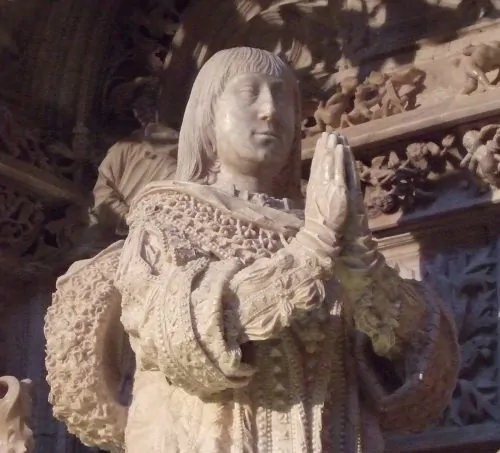
By late September 1464, the noble league had given its opposition to Henry IV a public program. A declaration issued at Burgos on September 28 named Juan Pacheco, his brother Pedro Girón, Admiral Fadrique Enríquez, and the counts of Plasencia and Alba among its promoters. They demanded that Henry arrest Beltrán de la Cueva, bring his half siblings Alfonso and Isabel to Burgos, and summon the Cortes to hear complaints about the kingdom’s government. They also sought the administration of the Order of Santiago for Alfonso, recognition of him as heir, and consultation with the estates before Isabel married. If Henry used force against them, they threatened armed resistance and an appeal to other Christian rulers. Yet the declaration described these demands as service to the king; its authors claimed that Beltrán had placed Henry and his siblings under his control.
A second protest, dated September 29, widened the dispute from access to the royal family to the conduct of government. Its authors accused Henry of failing to administer justice, rewarding unsuitable churchmen, allowing abuses in taxation, and pursuing wars with Aragon and Navarre whose costs fell on ordinary people. They attacked his truces with Granada as insufficiently zealous defense of Christianity and alleged that dangerous religious influences surrounded him. These were accusations made by opponents seeking support; their scope alone cannot establish that every charge was true. The complaint about money addressed a demonstrable problem. Angus MacKay’s study of Castilian coinage identifies a sharp deterioration in the value of the maravedí beginning around 1462–63, after a period of relative stability. Monetary disorder could affect merchants, taxpayers, and people living on fixed incomes, while also damaging the rents of great lords. The league could point to a real economic concern even as it assigned responsibility in ways that served its campaign.
The declarations’ claim to speak for the kingdom deserves equal scrutiny. Their noble and ecclesiastical promoters invoked the three estates while asking Henry to convene the Cortes where representatives might actually present grievances. They portrayed the king as constrained by Beltrán, a claim that made resistance to Henry’s decisions appear compatible with loyalty to Henry himself. That argument offered allies a reason to join without immediately renouncing their obligations to the monarch. It did not make the league the voice of every town, cleric, or noble in Castile. Its public language sought authority on a scale wider than the coalition that signed it.
Control over Henry’s government soon acquired a practical meaning. On December 12, commissioners acting under powers granted by the king and the nobles ordered the removal of several men from his household. A panel including Pacheco deprived the royal secretary Alfón de Badajoz of office and banished him from court; another ordered the confinement of García Méndez de Badajoz, a secretary involved in tax collection, pending judgment. Other secretaries and associates of Beltrán faced exclusion or detention. The records state the commissioners’ allegations against these men, not the outcome of trials proving their guilt. Removing officials who handled royal business nevertheless gave the league a means to influence how the king’s orders were prepared and carried out.
The arbitration pronounced at Medina del Campo on January 16, 1465, extended those interventions into a proposed settlement for the kingdom. Its five arbiters were Pacheco, Álvaro de Zúñiga, Pedro de Velasco, Gonzalo de Saavedra, and the Jeronymite friar Alfonso de Oropesa, appointed through the earlier negotiations between Henry and his opponents. Their judgment addressed justice, the royal council, offices, money, church affairs, and disputed possession of lands and revenues. A separate ruling that day ordered the return of Cuéllar to the infanta Isabel and her mother, challenging Henry’s grant of the town to Beltrán. Much of the program presumed an active king whose council and decisions would continue to govern Castile, though under terms more favorable to the arbiters’ vision of proper rule. Its proposed restrictions on Jews and Muslims, including compulsory separation of their residences, also show how severely that vision could limit the rights of other subjects. The judgment was an attempt to settle a political crisis, and its provisions did not become an operative settlement throughout the kingdom. It remains revealing evidence of what these negotiators wanted royal government to do.
Henry rejected the arbitration and informed the towns by February that it was void. His refusal marked a limit to what negotiation could obtain from a reigning king who still commanded officials and supporters. At the Cortes held in Salamanca that spring, representatives of towns adhering to Henry voiced complaints of their own. They sought enforcement of earlier laws, restoration of municipal lands and jurisdictions taken by powerful people, restraint in grants of town castles and rights, and measures to improve the supply of coin. Some of their concerns overlapped the league’s protest, but their petitions came from within an assembly Henry had convened. Grievances about government crossed the line between the two camps, while the proposed remedies reflected different interests and sources of authority.
Documents drawn up at Plasencia in the weeks before Ávila disclose another part of the coalition’s work. On April 26, Pacheco and Zúñiga swore to ensure that Alfonso would grant Rodrigo Alfonso Pimentel, count of Benavente, the city of Toro with a ducal title when he became king. On May 1, Alfonso confirmed a grant of Trujillo to Zúñiga and his wife, Leonor Pimentel, with extensive provisions for inheritance. The town and its castle still held for Henry, so possession could not follow merely from the prince’s document. Pacheco and Pimentel pledged the resources of their houses to help Zúñiga take Trujillo, acknowledging what he had already spent in Alfonso’s cause. These promises linked support for a rival heir to particular rewards, without settling whether either transfer could be enforced. They also put a young prince’s authority to grant towns before people who continued to recognize Henry. By early June, the league had reason to seek a public demonstration that Alfonso’s orders deserved obedience.
What Did the Rebels Say a King Owed His Realm?
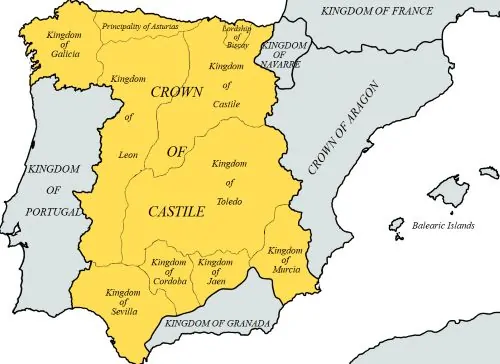
For Pacheco and his allies, kingship imposed duties that could be measured against Henry’s conduct. Their complaints treated the king’s sworn commitments, the kingdom’s laws, and the Christian faith as standards for judging his rule. The “common good” gave these obligations a wider purpose. Royal decisions ought to preserve justice and peace for the realm, rather than serve the wishes of a favored circle. This language belonged to a longstanding Castilian political tradition used by kings, nobles, and towns alike. Its force in 1464 lay in the league’s assertion that Henry had failed to meet a standard he was bound to uphold. That assertion still left an unsettled question: who had the authority to decide that the king had failed?
Justice supplied the rebels with their most direct account of harm. Their protest alleged that members of the royal council could be prevented from doing justice and that petitioners who sought relief at court sometimes lost property instead. In this account, a king owed his subjects access to judgments that powerful people could neither obstruct nor reverse at will. The concern reached beyond disputes among courtiers, since towns also sought protection for their lands and jurisdictions. Petitions presented to Henry at Salamanca show the difficulty for the league’s argument. Representatives of towns loyal to the king likewise complained of rights taken by lords and other powerful holders. A standard requiring the crown to restrain abuses could be turned against members of Pacheco’s coalition. The overlap in grievances establishes that demands for justice were serious political claims, though it does not settle which faction was best placed to fulfill them.
The proposed remedy placed unusual weight on counsel, and its details reveal what that meant. The Medina judgment prescribed a council of justice comprising four bishops, four knights, and eight lay jurists, naming the men who would serve and assigning them to alternating periods of attendance. Its authors expected qualified advisers to apply existing laws and provide continuity in judgment. They also tried to protect the selection of town representatives to the Cortes. Candidates were to gain no advantage from royal letters or payments, while electors were to swear that they would choose suitable representatives free from pressure. These provisions addressed identifiable ways in which appointments and deliberation might be manipulated. They also allocated influence to a specified group of prelates, nobles, and legal specialists, with little room for Henry to choose different councilors. The rules for Cortes delegates protected choices made within town governments; they did not extend political participation to the population at large. The league’s ideal of a counseled king joined a demand for more reliable procedures to a bid for lasting influence over the people who would advise him.
The king’s handling of wealth offered another test of his judgment. Critics accused Henry of drawing resources from the realm while failing to distribute them according to merit or use them for its benefit. Pablo Ortego Rico shows how charges concerning royal treasure could turn decisions about revenue and generosity into evidence of a ruler’s moral fitness. Yet the standard was hard to separate from competition for grants. Pacheco himself had gained greatly through royal favor, and his allies expected rewards for service. Their criticism did not require an end to royal giving. It required a king whose gifts went to people they considered worthy, leaving the judgment of worthiness open to political struggle.
Defense of Christianity formed part of the same account of royal duty. The league depicted Henry’s dealings with Granada and his alleged tolerance of irreligion as failures to protect the faith; those claims describe its position, not established religious misconduct by the king. The Medina proposals show how this language could shape government. They set out restrictions on Jewish and Muslim subjects concerning residence, work, and dealings with Christians. Such measures would have imposed substantial burdens on people who also lived under the crown’s authority. The rebels’ vision of the realm’s welfare carried a sharp limit; its promises of protection were distributed unequally. Their religious claims helped justify opposition to Henry while giving exclusion a place in the government they proposed.
The hardest step was moving from a judgment about poor rule to a judgment that Henry should lose obedience. Pacheco’s allies had presented themselves as men seeking correction from their king, and their proposed reforms still depended on royal institutions. They also claimed the standing to identify failures in those institutions, direct changes to them, and decide when Henry’s response was inadequate. No accepted tribunal had given this group exclusive authority to speak for Castile or to remove its ruler. Their case gained force from recognizable duties of kingship, but its conclusion depended on persuading others to accept the league’s judgment of Henry. Pacheco’s interest in offices and influence matters here without exhausting the meaning of the argument: the claims about justice, counsel, and faith supplied reasons others could assess for themselves. Making that judgment visible to an audience would be the next stage of the rebellion.
June 5, 1465: The Deposition in Effigy
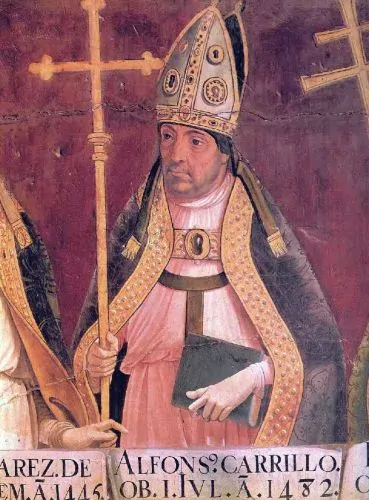
By June 5, the rebels had assembled where they could command the setting as well as the proceedings. Diego Enríquez del Castillo reports that Archbishop Alfonso Carrillo had secured Ávila and that nobles arrived from Plasencia with the eleven-year-old Alfonso, Henry’s half-brother. Outside the city walls they raised a wooden platform visible from all sides. An effigy dressed in mourning occupied a chair upon it, wearing a crown and bearing the signs of royal command. The chronicles place the platform on open ground near the walls; they do not establish its precise location. Control of Ávila gave the nobles a place to act, while the open stage let them address people beyond their own council chamber.
The removal of the effigy followed a spoken accusation. In Enríquez del Castillo’s account, a letter was read aloud alleging that Henry had forfeited, in turn, royal dignity, the administration of justice, the government of the realm, and his place on the throne. Carrillo took the crown at the first charge. Álvaro de Zúñiga, count of Plasencia, removed the sword when the letter turned to justice; Rodrigo Pimentel, count of Benavente, took the staff associated with government. Finally, Diego López de Zúñiga pushed the figure from its seat. The sequence joined words to visible acts. An accusation was pronounced, then an object or position representing the disputed authority was taken away. Its force depended on more than the humiliation of Henry’s likeness. By assigning successive actions to prominent churchmen and nobles, the organizers presented their own judgment as the act of men entitled to speak for Castile. The platform made that claim legible to spectators, though the assembled rebels had granted themselves the authority to deliver the sentence.
Pacheco’s exact part in the stripping differs between accounts. Enríquez del Castillo places him with the nobles who kept Alfonso some distance from the platform until the deposition was complete; he names other men as removing the crown, sword, and staff. The anonymous Crónica castellana, by contrast, says that Pacheco took the scepter from Henry’s effigy. Its account pointedly recalls that Henry had made him marquis of Villena. That detail turns Pacheco’s gesture into a charge of ingratitude, reminding readers how much of his standing had come from the king he opposed.
Once the figure had been cast down, Alfonso was brought onto the same platform. Enríquez del Castillo says the lords raised him in their arms and cried, “Castilla por el rey don Alonso”; trumpets sounded, and those present approached to kiss his hand. The anonymous chronicle likewise records homage to him as king. These acts supplied the scene with a successor who could receive obedience in person, rather than leaving an empty chair after Henry’s dismissal. Alfonso’s descent from the royal family mattered. The rebels could claim that rule was passing to another member of the dynasty, already advanced in the succession dispute, instead of to one of themselves. His youth also made the men who brought him forward indispensable to the new court. Isabel, Alfonso’s sister, was absent; she remained with Henry’s court. Angus MacKay has drawn attention to the ceremony’s resemblance to royal funeral rites followed by the proclamation of a successor. Read that way, the passage from a mourning-clad representation of Henry to a living Alfonso declared that Henry’s capacity to govern had ended, although Henry himself was alive. María Isabel del Val Valdivieso notes a comparable movement from funeral observance to acclamation at Ávila after Henry’s actual death in 1474. MacKay also connects the open-air staging to practices surrounding Corpus Christi, which fell on June 13 in 1465. That proposed connection has been debated, notably by Kristin Sorensen Zapalac. The likeness to succession ritual helps explain what the nobles hoped spectators would understand without establishing that a particular festival dictated their choice of date.
What those spectators did understand cannot be recovered from the ceremony alone. The anonymous chronicle reports people weeping at the effigy’s fall and rejoicing when Alfonso received homage, but its account of the crowd is part of a crafted narrative, not a tally of opinion in Ávila. It also records an obscene insult directed at Henry as the figure was thrown down. The insult shows how an attack on his sexual reputation could accompany the formal charges; it supplies no evidence about his sexuality. Enríquez del Castillo, a defender of Henry, instead dwells on the disloyalty of servants raised by the king, especially Pacheco. Both chronicles preserve valuable detail while urging readers to judge the participants. The nobles had made their rejection public and furnished Alfonso with a recognizable act of accession. Whether officials, towns, and armed men elsewhere would obey him remained to be decided.
Raising Alfonso: Acclamation and Authority
A provision dated June 6, the day after the ceremony, shows how Alfonso’s supporters tried to carry his claim beyond Ávila. Addressing Murcia’s council, the document names him king of Castile, León, and the other realms traditionally listed in the royal title. It calls Henry his “predecessor,” presenting the disputed change of ruler as an accomplished fact. Its preamble recasts the nobles’ complaints as Alfonso’s account of why he now ruled. The letter survives in a municipal copy, evidence that the claim reached the city’s records. Its presence there does not establish that the council accepted it.
The orders that followed were exacting. Murcia’s councillors were to assemble, recognize Alfonso as their king, swear homage, and raise banners in his name. They were to appoint officers of justice under his authority and hold revenues, including the alcabalas and tercias, for whoever he designated to receive them. The city was also told to stop men from leaving to serve Henry and to recall those who had already gone. Fully empowered representatives had to come before Alfonso within twenty days, bearing written testimony that the council had received and sworn to him. A public scribe was instructed to record whether the command had been carried out. Each requirement demanded a separate act from people in Murcia: a council decision, an oath, control of offices and revenue, and a report back to the new court. The provision reveals the work required to turn the acclamation at Ávila into authority elsewhere. It also reveals how much remained uncertain, since these were instructions to a city whose response Alfonso still needed.
Four days after the deposition, Alfonso’s camp near Arévalo issued a grant making Pedro de Acuña count of Buendía. The charter says that Alfonso Carrillo, archbishop of Toledo, had requested the honor. Pedro was Carrillo’s brother, and the document commanded royal officers and subjects to acknowledge his new title and its privileges. Its royal signature and seal gave a reward to an ally the form of a sovereign act. The grant makes the politics of Alfonso’s court unusually plain. Recognition of the young king enabled his supporters to seek honors for their own families, while the honors helped secure those supporters.
Murcia offers a sharper measure of how far a command could travel. On June 10, Alfonso issued another provision, this time directing the regional governor Pedro Fajardo to bring Henry’s adherents in the kingdom of Murcia into obedience; the surviving document bears Alfonso’s wax seal. Fajardo swore allegiance to him on August 8. That same day he renewed his alliance with Pacheco and pledged a marriage between his daughter Luisa and Pacheco’s son Alfonso Téllez Pacheco. Royal allegiance, regional command, and a family bargain were being negotiated together. Yet Fajardo’s oath did not immediately produce Murcia’s public proclamation of Alfonso. Juan Luis Albentosa Aja dates the city council’s formal announcement to February 1466, after further changes in local control. The interval between the June order and that announcement shows why a magnate’s support mattered so much, and why it could not simply stand in for a municipality’s own act.
Alfonso’s chancery also handled the ordinary business through which a reign acquired continuity. In July 1465 it confirmed privileges for the monastery of San Jerónimo de Guisando. A September order instructed royal accountants to honor a grant Henry had made that June to a servant of Rodrigo Manrique, one of Alfonso’s leading supporters. Even a court founded on Henry’s deposition could preserve an existing entitlement when its beneficiary sought payment. Nicolás Ávila Seoane’s study of these documents shows the range of written forms used to confirm rights during the disputed reign. Such records offer evidence of government carried out in Alfonso’s name, with its own officers, seals, and obligations.
The child at the center of these documents had a court shaped by powerful adults. Pacheco was his tutor and chief steward; Carrillo appears as chancellor in the Buendía grant, while Juan Fernández de Hermosilla wrote the June 6 provision as royal secretary. The names of several nobles appear on the back of that provision, making their participation in its issue visible. These records show who helped govern, but they seldom disclose how Alfonso himself weighed a decision or settled a disagreement among his advisers. Óscar Perea Rodríguez’s study of the poets who later gathered around him adds another dimension to the court’s history. People served and addressed Alfonso as a reigning prince over the following years, beyond the day of his elevation. For Pacheco and his allies, Ávila had created a royal name under which they could issue commands. The councils, officers, and lords receiving those commands would determine where that name carried force.
Making the Proclamation Count beyond Ávila
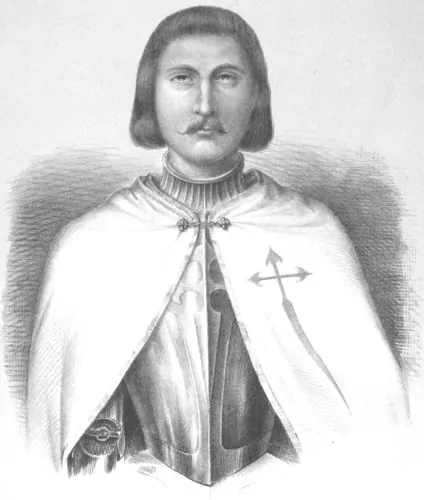
A proclamation in one city could invite obedience elsewhere, but it could not determine who held a bishop’s fortress or governed a distant council. Alfonso’s supporters had to work through people who already possessed local authority such as officeholders, cathedral chapters, military commanders, and leading families. Each had interests that might favor the new claimant, Henry IV, or a change of allegiance as circumstances shifted. The rebellion’s reach depended on decisions made well beyond the nobles who had assembled at Ávila.
Palencia shows how quickly the succession dispute became a fight over local government. Its bishop, Gutierre de la Cueva, was a brother of Henry’s favored adviser Beltrán de la Cueva and remained loyal to the king. Sancho de Castilla, an influential figure in the city, backed Alfonso and had a longstanding interest in limiting episcopal control. When the bishop left Palencia in response to Henry’s summons, Sancho organized Alfonso’s proclamation in the cathedral on June 26, 1465. He raised the new king’s banner three times; music, acclamations, and a service of thanksgiving accompanied the act. Henry’s corregidor entered during the service and attempted to arrest participants, provoking a confrontation from which cathedral clergy sheltered him. Three days later Alfonso ordered the city to follow Sancho in matters of defense. The subsequent destruction of the bishop’s alcázar and the ecclesiastical penalties imposed on Palencia reveal what the change of king had enabled. An old struggle over episcopal lordship was now being fought under rival royal names.
Toledo required a different set of allies. Juan Pacheco courted its alcalde mayor, Pedro López de Ayala, whose position gave him considerable influence within the city. A grant dated July 11 named Ayala and four other Toledo notables, among them the count of Cifuentes and the mariscal Payo de Ribera, in an award of annuities worth 200,000 maravedís. The document records a concrete effort to retain men whose cooperation mattered to Alfonso’s cause. It does not establish that payment alone determined their loyalties. It does show how Pacheco’s pursuit of a new king’s authority could be joined to the established interests of urban families.
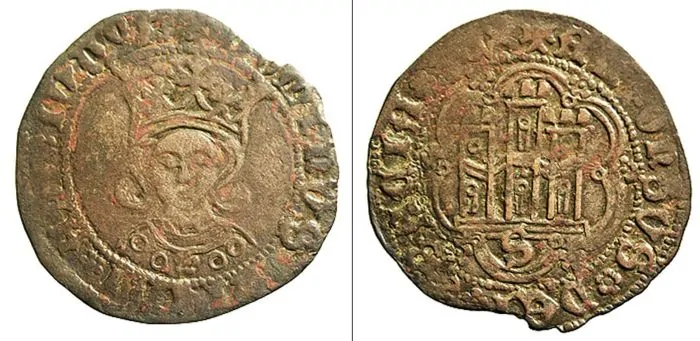
Valladolid offered Alfonso’s party access to a royal mint as well as an important town. The admiral of Castile, Fadrique Enríquez, held the town for the claimant, and on August 6 Alfonso instructed its mint treasurer to prepare gold and silver coinage. The order retained Henry’s standards of weight and fineness while prescribing a gold coin called the alfonsí, marked with Alfonso’s arms and an image of him as a crowned, armed horseman. That level of detail demonstrates a plan to give the new reign a place in ordinary transactions, though the order alone cannot establish how many coins were struck or where they circulated. In January 1466 Alfonso also rewarded the admiral with two tax-free fairs for his town of Medina de Rioseco, citing losses suffered during the fighting; Pacheco was among those named on the grant. Such favors helped bind a territorial ally to the claimant. Their security depended on continuing control. By the following spring Henry was again issuing instructions concerning Valladolid’s mint.
Seville’s surviving correspondence brings municipal priorities into sharper view. On November 2, 1465, Alfonso confirmed the city’s privileges and customs as they had been observed under earlier kings. Another order that day prohibited grain exports after the city reported hardship caused by licenses issued under Henry. At the request of Sevillian representatives, Alfonso also upheld rules governing the sale of wine. Further concessions addressed taxes on grain brought to the city’s market and revenue from fish leaving its territory, while specifying payments owed to the royal hospital and chapel. These were decisions about food supply, trade, and municipal income, made in the name of a disputed king. They gave Seville’s governors practical reasons to deal with Alfonso’s court, even as the court gained a means to exercise authority far from Ávila.
Henry pursued the same kind of local support. In July 1465 he rewarded the loyalty of Carrión de los Condes and Calahorra with tax exemptions, and he appealed to Pope Paul II against the rebels. Alfonso’s allies carried their case to Rome as well. A letter sent in Seville’s name on December 9 defended Henry’s deposition and challenged reports from his supporters. The papacy continued to uphold Henry’s royal title. Neither side could make its account prevail simply by dispatching a letter, granting a privilege, or receiving an acclamation. Across Castile, the effect of Ávila was decided repeatedly by people who could accept royal favors, control institutions, and act on a king’s commands.
War and Divided Allegiance, 1465–1467
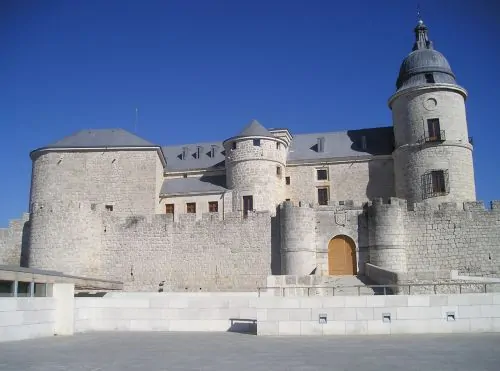
By July 1465, Alfonso’s supporters had taken Peñaflor and laid siege to Simancas, near Valladolid. Henry gathered troops at Toro and advanced toward the contested area, while Alfonso requested men and equipment from Burgos. The siege ended before the armies met in a major battle. Henry’s approach may have helped force the withdrawal, but Alfonso also reported that his troops had exhausted the food available around Simancas; the chronicles raise doubts about how long he could pay them. The first campaign revealed a limit that the ceremony at Ávila could not overcome. Holding a position required provisions, wages, and the cooperation of people living nearby.
The cost survived the retreat. In April 1466, Henry exempted the inhabitants of Geria from several taxes for ten years because troops stationed at Simancas and those in his own camp had taken their supplies. He described losses inflicted during the current conflict as grounds for relief, even though Geria had remained within his obedience. A five-month truce agreed in October 1465 had suspended major hostilities; it had not restored what the villagers had lost.
Farther south, the rival courts inherited local quarrels that gave the war its shape. Pacheco’s brother Pedro Girón drew Baeza and Úbeda into Alfonso’s allegiance, but Henry’s constable Miguel Lucas de Iranzo held Jaén against him. Girón’s attempt to besiege Jaén in 1465 failed when his force could no longer be maintained. The struggle around Montizón, a fortress of the Order of Santiago near the routes across the Sierra Morena, lasted much longer. There, the Manrique family sought to dislodge men associated with Iranzo; renewed blockade eventually brought the castle’s surrender in 1467. Archaeological study has identified damage to its defenses and remains of a nearby position used by the besiegers, giving physical substance to a conflict otherwise described largely by partisan chronicles. Such campaigns mattered because a claimant’s authority over an order or a province did not automatically settle possession of its individual castles.
Negotiation continued while these positions were fought over. In spring 1466, Henry reached an agreement with Pacheco and other leading nobles, and a proposed marriage between Henry’s half-sister Isabel and Girón offered the Pacheco brothers an extraordinary place within the royal family. For Henry, an accommodation might detach a powerful household from Alfonso’s cause; for Pacheco, it promised influence whichever way the war developed. Girón died on May 2, before the marriage could occur. His death ended that particular bargain without resolving the dispute over the crown. Nor did it leave Pacheco politically isolated. On June 18, the bishop of Jaén, Alonso de Acuña, entered a confederation with him after moving into Alfonso’s camp. Pacheco’s willingness to talk with Henry coexisted with his work among Henry’s opponents.
Towns also acted through associations whose purposes extended beyond either claimant’s immediate needs. In March 1467, after Henry’s adherents took Cea during a truce, Alfonso instructed officers of the hermandad in León to demand its return or hold it until their assembly could judge the dispute. He was appealing to an organization with officers and procedures of its own, even as he tried to direct its armed men. In Galicia that spring, urban and rural irmandiños attacked lordly fortresses while acknowledging Henry as king. Their targets included property belonging to nobles who supported him. Allegiance to a monarch could provide a warrant for action without making that monarch the master of its course.
Toledo exposed a still harsher division within a city that recognized Alfonso. A dispute over church revenues helped ignite fighting in July 1467 between factions identified with Christian converts and those claiming the standing of “old Christians.” Armed men fought around the cathedral and in the streets; fire destroyed homes, and the victors pursued and plundered converts. These were not simply Henry’s followers battling Alfonso’s. Prominent people on opposing sides of the urban struggle belonged to the same nominal royal obedience. Alfonso ordered that the captured magistrate Alonso Franco be restored to his offices and urged the council to prevent further attacks, but a crowd killed Franco on August 6. The surviving accounts require care with their accusations and casualty figures. They nonetheless establish that Alfonso could issue commands to Toledo without securing obedience from those who professed loyalty to him.
The armies finally fought near Olmedo in August 1467, when Henry advanced from Cuéllar toward Medina del Campo and Alfonso’s forces stood near the town. Passage became a matter of political standing as well as military calculation. Each side risked appearing afraid to confront the other. Neither army destroyed its opponent. Alfonso’s account acknowledged a reverse on one flank, while Henry announced a more complete victory; both sent their versions to cities whose support they needed. Their competing celebrations cannot establish who had gained the lasting advantage. Within weeks, Alfonso’s followers demonstrated that they could still undertake a major operation.
On September 17, they entered Segovia with help from Pedro Arias Dávila and his brother Juan, the city’s bishop, both previously associated with Henry’s rule there. Henry’s wife, Queen Juana, escaped into the alcázar, while his sister Isabel passed into the rebels’ hands. Yet possession of Segovia was incomplete. Henry entered the alcázar later that month, and Alfonso was issuing grants from the city at the same time. A settlement dated September 17 shows Henry negotiating for the surrender of defended houses; Pacheco and Archbishop Alfonso Carrillo swore to uphold its terms. Henry later blamed the Arias Dávila brothers for delivering the city to Pacheco and Carrillo, an accusation made in a grant confiscating the bishop’s property. For Alfonso’s supporters, the entry was a powerful answer to any claim that Olmedo had finished their cause. For Henry, it was a grave loss that still left room to hold a fortress and negotiate. Segovia made visible how far the rebellion had advanced, but also how unevenly control could be divided within a single city.
Pacheco between the Rival Courts
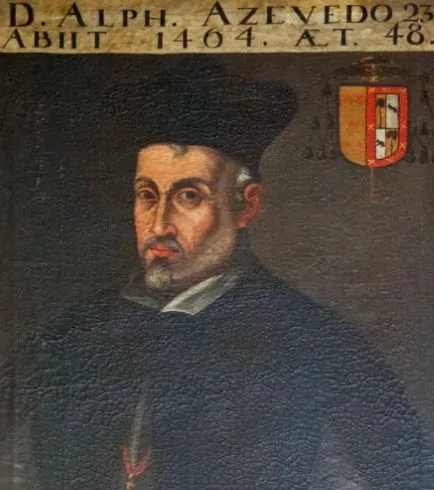
On April 22, 1466, Henry IV entered a confederation with Juan Pacheco, the count of Plasencia, and the count of Benavente, with Archbishop Alfonso de Fonseca of Seville acting as intermediary. The agreement shows how far negotiations could reach while the war continued. Henry was prepared to deal with a man who had helped proclaim another king. For Pacheco, renewed access to Henry offered a way to protect his standing if Alfonso’s cause faltered. For Henry, an agreement with Pacheco might loosen the ties among his opponents. Neither prospect required the immediate dissolution of Alfonso’s court. The pact gave each side a means of testing what cooperation might yield.
Juana of Portugal pursued an opening of her own. On November 4, 1466, she issued an assurance to Pacheco, although he had been prominent among those challenging her daughter’s succession. In an undated letter that María del Pilar Carceller Cerviño places between July and October 1467, the queen appealed to him for help protecting the young princess. The request made political sense because Pacheco could influence people whom Juana could not readily command. It also exposed her dependence on a man whose commitments remained uncertain. In August, the princess was placed in Mendoza custody; by October, Juana herself was held at Alaejos. The queen’s approach to Pacheco was an exercise of political judgment under severe constraint, and its failure to secure her position does not diminish that agency.
The mastership of the Order of Santiago brought another set of interests into these dealings. Its commanderies, revenues, and fortresses made the office a substantial source of power, and Pacheco faced competitors within the order as well as at court. In January 1467, Alonso de Cárdenas promised to help the count of Benavente obtain the mastership. Pacheco, meanwhile, sought Rodrigo Manrique’s support among the electors. A proposed marriage between Manrique and one of Pacheco’s granddaughters could not proceed because the girl was too young, yet a pact of June 7 records Manrique’s undertaking to assist his candidacy. At Ocaña that summer, the order’s electors chose Pacheco despite opposition within their ranks and against the wishes of Henry and the pope, as Miguel Rodríguez Llopis has shown. His new title emerged from bargaining with Santiago’s own members, whose cooperation would still have to be secured.
The difficulty appeared almost at once. On July 19, two electors certified that all had chosen Pacheco, while acknowledging that Gabriel Manrique, the order’s commander major in Castile, had broken with the chapter’s decision. Eleven days later, Alfonso de Lisón, commander of Socovos, swore obedience to Pacheco and promised to hold its fortress for him. Such oaths gave practical force to an election. Commanders had to accept his direction over places they already governed. They could also attach conditions to their submission. When the commander of Peñausende pledged allegiance in March 1468, he required assurances that his privileges and customary rights would be respected. Pacheco had gained the mastership, but its reach depended on successive agreements across the order’s dispersed possessions.
Henry’s freedom to bargain was limited as well. On June 28, 1467, he promised that he would make no settlement with Alfonso and his supporters without the consent of Pedro González de Mendoza. Mendoza’s backing gave the king strength, and this pledge gave Mendoza a voice in any attempt to bring opponents back. Pacheco’s long acquaintance with Henry could open discussions; it could not settle terms on behalf of Henry’s allies. Alfonso’s court likewise contained men with their own interests, including Archbishop Carrillo and the commanders whose obedience Pacheco was still gathering. Moving between the two courts meant negotiating within each of them. Records from April 1468 show both the rewards and the costs of Pacheco’s position. Queen Juana took possession of Magaña, a town claimed by the marquis; Alfonso, styling himself king, then directed revenue assigned to the queen from Segovia toward Pacheco because of her occupation of the town. On April 23, Alfonso granted him revenues from taxes and ecclesiastical thirds associated with Santiago and Calatrava in recompense for his services. Five days later, he assigned Pacheco income from Carmona, citing the expense of defending that town and its fortresses. These acts record substantial promised gains and an immediate dispute over property. They do not establish how much money Pacheco collected from every grant. Juana’s move against Magaña also shows how little security her earlier assurance to him had supplied. The rival households could pursue an agreement at one moment and contest a possession at another.
On June 4, 1468, Pacheco and Carrillo bound themselves to protect the persons and interests of Alfonso, whom their agreement called king, and his sister Isabel. The document is firm evidence of their continued cooperation in Alfonso’s cause after Pacheco’s contacts with Henry and Juana. It also indicates why the rebel coalition needed another written commitment between two of its leading figures. Their shared cause did not make their separate interests disappear. Fernando del Pulgar later praised Pacheco’s ability to discern what others wanted while advancing his own purposes. That portrait captures something recognizable in these agreements, though it cannot tell us all that Pacheco intended. By June 1468 he had acquired the Santiago mastership and remained committed on paper to Alfonso, while the question of what either court could ultimately guarantee him was still open.
Alfonso’s Death and Isabel’s Different Choice
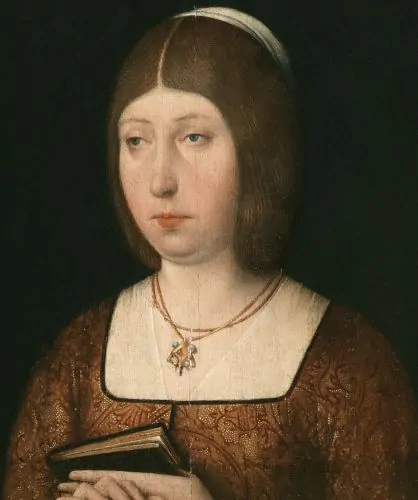
Alfonso fell gravely ill at Cardeñosa in early July 1468. Writing to Murcia on July 4, Isabel reported that his physicians feared for his life and asked the city to prepare representatives for decisions that might follow. He died the next day, aged fourteen, leaving the nobles who had proclaimed him king at Ávila without their claimant. Alonso de Palencia later accused Pacheco of poisoning him, while a report received in Murcia attributed the death to pestilence; the surviving evidence does not establish its cause. The immediate political problem is clearer. Alfonso’s supporters had to decide what, if anything, could succeed the kingship they had asserted in his name.
Isabel had begun answering that question before her brother died. Her July 4 letter claimed that, should Alfonso perish, succession belonged to her as his legitimate heir, and it asked Murcia to hold the city for her. After his death, instructions sent from Ávila on July 8 renewed her request for representatives and urged the council to maintain its former loyalty to Alfonso through her. These were substantial claims to authority, although she did not style herself queen in the July 8 communication. She was seeking the allegiance of Alfonso’s supporters while leaving open the title under which she would ultimately exercise power. That distinction gave her room to negotiate with Henry, who remained king to his own adherents and whose daughter Juana had previously been recognized as heir.
Murcia shows how uncertain Isabel’s inheritance of Alfonso’s following remained. Its councillors received her messenger later in July and honored her brother’s memory, but they did not send the representatives she requested or formally place the city under her command. Their hesitation did not amount to renewed obedience to Henry; local leaders had their own interests and could defer a choice between competing claims. Isabel’s letters reveal both the reach and the limits of dynastic language. Calling herself Alfonso’s rightful successor gave former adherents a reason to listen, but it did not compel them to act. Within the former rebel coalition, Carrillo and Pacheco offered different ways forward. Archbishop Alfonso Carrillo favored continuing resistance under Isabel as queen; Pacheco pressed for an accommodation that would recognize Henry’s reign and establish Isabel as his successor. A gathering of leading nobles at Castronuevo in August considered a route toward reconciliation, though its deliberations should not be reduced to either man’s will. Isabel chose to pursue recognition from Henry while retaining Carrillo’s support, on which she continued to rely. Henry had reason to recover the allegiance of former opponents, and Pacheco had reason to secure a place in the resulting order. Those interests made agreement possible without erasing the rivalries among its makers.
Capitulations accepted on September 18, 1468, provided the terms later made public near the Toros de Guisando. Henry would recognize Isabel as princess and heir; she would acknowledge him as king. The agreement assigned her lands and income appropriate to her new position and placed her prospective marriage under arrangements requiring the participation of Henry, Isabel, and designated magnates, including Pacheco. It also prescribed Queen Juana’s departure for Portugal while her daughter remained in Castile, with Isabel and several nobles involved in decisions about the child’s future. To justify displacing the younger Juana, the agreement invoked claims about the validity of her parents’ marriage and accusations against the queen’s conduct. These were politically consequential assertions, not proof about the child’s parentage. Juana’s earlier recognition as heir makes plain what the settlement required her side to surrender.
On September 19, a papal legate released participants from earlier oaths that obstructed reconciliation; Isabel and the assembled nobles acknowledged Henry, and he recognized her as his heir. The witnessed acts gave the agreement a public form that letters and private bargaining could not supply. Ávila had announced a new king by stripping Henry of authority in effigy. At Guisando, Isabel’s claim to the future crown received its public force from Henry’s authority as the reigning king. That change offered Pacheco a way back into royal politics and Isabel a title Henry himself had granted, though neither the ceremony nor its written terms could ensure that every city would obey or every promise would endure.
Pacheco after the Rebellion
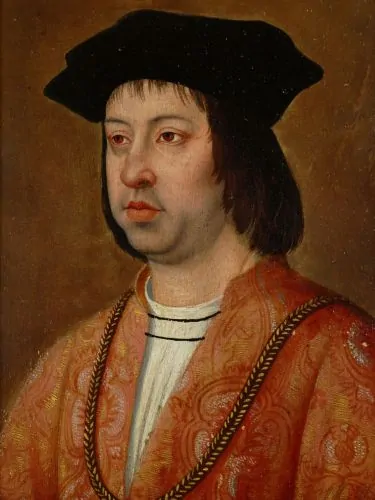
Isabel’s marriage soon tested the settlement that had brought Pacheco back into Henry’s confidence. Pacheco promoted a match between the princess and Afonso V of Portugal, while a second proposed marriage would have joined Henry’s daughter Juana to Afonso’s son. Such arrangements offered the king a way to direct the succession and gave Pacheco a place in deciding its terms. Isabel instead married Ferdinand of Aragon in October 1469 without Henry’s consent. Her choice drew on support beyond the royal court and frustrated a plan in which her future depended heavily on men who had negotiated on her behalf. Henry treated the marriage as a breach of the Guisando agreement; Isabel’s supporters disputed his right to undo her recognition as heir. Their disagreement concerned the force of the settlement itself, as well as the competing marriages.
Renewed access to Henry did not erase hostility toward Pacheco. During the king’s journey through Andalusia in 1469, Miguel Lucas de Iranzo welcomed Henry to Jaén but refused entry to the adviser who accompanied him. Resistance also met Pacheco at Córdoba, and his attempt to gain another fortress at Carmona provoked local opposition. These encounters exposed a practical limit on royal favor. A king could restore a nobleman to his company without persuading every city or lord to accept that nobleman’s authority.
On October 26, 1470, Henry and Queen Juana issued an order at Val de Lozoya requiring recognition of their daughter Juana as heir and revoking the earlier oath to Isabel. The queen swore that the princess was the child of both herself and Henry, directly answering claims circulated against her parentage. Henry acknowledged the girl as his daughter and named the nobles who were to swear allegiance to her; Pacheco appeared first on the list. French representatives attended, and a proposed marriage to Charles, duke of Guyenne, offered the princess a powerful foreign connection. For Pacheco, participation meant endorsing the rights of the child whose exclusion had served the rebels’ cause in 1465. It would be too simple to treat that reversal as proof that succession arguments meant nothing to him. Henry and the queen had interests of their own, and Isabel’s marriage had changed the choices available to all three. Yet Pacheco’s prominence at Val de Lozoya makes it difficult to read his earlier stand as an unchanging judgment about who could properly inherit. The accusations made against Henry’s family remained contested political claims, even as the people invoking them altered their alliances.
Royal rewards made Pacheco’s recovered standing tangible. Henry granted him the ducal title of Escalona in 1472, adding to the offices, income, and lands that sustained his household. A grant could also cost the king support. When Henry assigned Sepúlveda to Pacheco that year, its residents negotiated with Isabel and Ferdinand for a promise that the town would remain under direct royal rule. Trouble reached the court as well. Andrés de Cabrera, once closely associated with Pacheco, pledged support to Isabel and Ferdinand in June 1473 after a dispute over custody of the alcázar of Madrid. Cabrera helped arrange a meeting between Henry and Isabel at Segovia that December, although their renewed contact did not induce Henry to restore her formally as heir.
Pacheco continued pursuing territory into the final months of his life. In 1474 Henry granted him Trujillo, but the fortress’s custodian refused to surrender it, leaving Pacheco’s agent Pedro de Baeza to negotiate possession. Pacheco died on October 4, before Baeza secured the place the following day; Baeza then delivered it to Pacheco’s son Diego. Baeza later recounted these events in a memorial seeking payment for his service, so his account calls for care, particularly where he describes his own achievement. The sequence nevertheless shows that Henry’s grant alone had not put Trujillo in Pacheco’s hands, and that its passage to Diego required a decision made after his father’s death. Henry died that December with the succession still disputed. Pacheco had gained rank and considerable resources after returning to court, but neither his gains nor his renewed loyalty to Henry had resolved the question of who would inherit Castile.
Who Made Ávila a “Farce”?
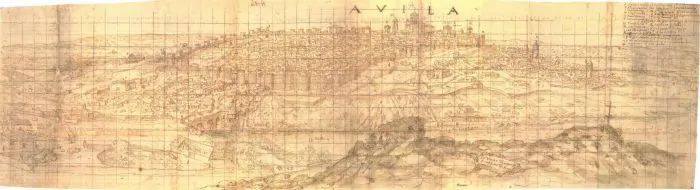
The familiar name passes judgment before the evidence has been considered. “Farce” suggests that removing a crown from an image could only be a sham, since Henry himself remained king to those who obeyed him. The rebels knew he was absent; their purpose was to announce another claimant and invite Castilians to act on that announcement. Henry’s supporters could reject the nobles’ authority to depose him while taking their challenge seriously enough to fight it. The name needs its own history. It describes a view of the ceremony, not a verdict shared by everyone who lived through it.
Diego Enríquez del Castillo helped establish the terms in which a hostile reader might judge the event. As Henry’s chaplain and chronicler, he portrayed the rebels’ declaration as vain and their conduct as a betrayal of a ruler who had advanced them. His account made Pacheco’s former intimacy with Henry damaging. The closer the adviser had been to the king, the less pardonable his rebellion appeared. Enríquez also placed criticism of the nobles in speeches attributed to figures within his narrative, giving his moral judgment the force of reported conversation. The chronicle’s history calls for care here. Its account of the years before 1467 was rewritten, and the work underwent later revision, so its language cannot be treated as an untouched transcript of reactions in June 1465. It remains valuable evidence of how loyalty to Henry could be defended and Pacheco’s conduct condemned.
Other chroniclers located the kingdom’s disorder elsewhere. Diego de Valera presented opposition to Henry as a response to misgovernment, making the rebels’ claim to defend the realm more intelligible than it was in Enríquez’s account. Alonso de Palencia likewise wrote from a position hostile to Henry, although hostility to the king did not require lasting admiration for Pacheco. Indeed, Valera could fault Henry for raising Pacheco above other nobles, while Enríquez blamed Pacheco for abusing what Henry had given him. Those judgments differ sharply over royal responsibility, yet each could make the marquis an unsettling figure. A writer’s position on the deposition cannot be inferred from whether he praised its chief organizer. Reading the chronicles together reveals a continuing dispute about where legitimate correction ended and the pursuit of private advantage began. It also explains why their descriptions of the act deserve attention without allowing any one chronicler’s verdict to supply its meaning.
Alfonso’s surviving records show what the word “farce” can obscure. A royal provision issued in his name in July 1465 instructed the councils of Murcia, Cartagena, Lorca, and other towns to obey his officer Pedro Fajardo. His household also gathered officeholders and poets, whose work has allowed Óscar Perea Rodríguez to recover a court often treated as a brief interruption between the reigns of Henry and Isabel. These sources do not resolve the rival claims to kingship. They do show that Alfonso’s supporters tried to govern beyond Ávila and that some contemporaries conducted their affairs in his name.
The name remained potent long after those claims had ceased to be urgent. In 1852, Ildefonso Antonio Bermejo titled a literary retelling La farsa de Ávila. He called the nobles’ action scandalous, yet repeated the allegation about Juana’s parentage as though it were established; his account even placed the episode under the year 1474. Those choices show how a later narrator could condemn the rebels while preserving a claim they had used against Henry’s daughter. Neither Bermejo nor the surviving chronicles establish who first attached “farce” to the event. The name endured because it made a complicated struggle easy to picture and easy to judge. Retaining its quotation marks keeps that judgment visible. People staged the deposition at Ávila, and subsequent writers made it a “farce.”
Was This a Serious Defense of Kingship?
The following video from Lili1727 is a scene from Farce of Ávila:
The strongest challenge to an interpretation centered on Pacheco’s ambition lies in a document prepared before the ceremony at Ávila. The Sentence of Medina del Campo, issued on January 16, 1465, set out 129 provisions for the government of Castile. Its commissioners had been appointed through negotiations involving Henry and his opponents, and they addressed grievances attributed to the king as well as to other powerful men. Among their proposals were freer elections for city representatives to the Cortes and limits on extraordinary taxation without those representatives’ consent. Such provisions gave inhabitants beyond the noble league a reason to take the reform program seriously. The deposition followed months of argument about how royal authority should be exercised; its political claims cannot be dismissed simply because they culminated in a staged ceremony.
Alfonso Franco Silva offers a particularly strong version of this objection. He reads the events at Ávila as the failure of an effort to establish a monarchy in which privileged subjects would have a substantial part in governing alongside the king. On that reading, the nobles had tried to secure rules for counsel, officeholding, finance, and justice before claiming the right to replace Henry. Ana Isabel Carrasco Manchado’s account of noble political culture adds a reason to resist judging those demands by a modern test of disinterestedness. Fifteenth-century lords could regard the protection of their standing as inseparable from the proper government of the realm. A proposal favorable to Pacheco might express both his interest and a conviction about who was qualified to advise a king. Henry’s opponents need not have agreed among themselves on every grievance for some of them to have believed that royal decisions required correction.
The terms of the proposed correction still matter. The Sentence would have required the approval of a committee including Pacheco and other leading figures before the king could imprison a noble. It also sought a sharp reduction in the royal standing force, while calling for Jews and Muslims to be removed from the court and for action against suspected heresy. William D. Phillips Jr. emphasizes how much power the leading nobles stood to gain from these measures, though he also recognizes that other Castilians saw genuine remedies in the program. Safeguards for city representation and taxation had substance; they sat beside provisions that protected elite power and narrowed the circle of those welcome near the king.
Pacheco’s later changes of allegiance make this challenge harder to settle by any claim about his private intentions. Alfonso’s death changed the succession, and a man who had supported him could reassess his position without admitting that his earlier objections to Henry were false. Pacheco’s subsequent dealings with Henry’s court and support for Henry’s daughter Juana do not, by themselves, prove that the demands of 1465 were a fraud. Yet the pattern warrants scrutiny. In each settlement Pacheco sought influence over the succession, access to royal favor, or security for his own power. That is evidence of a persistent political interest, although it cannot tell us whether he privately believed every accusation made against Henry. Nor does the seriousness of a dispute over government establish the truth of allegations about Henry’s sexuality or Juana’s parentage; those claims must be assessed as partisan interventions in the succession.
This changes the weight my argument. Ávila was a serious attempt to authorize a different distribution of power within a hereditary monarchy, and its public ceremony gave that claim a form supporters could witness and repeat. The case for reform deserves attention on its own terms, especially where it identified constraints on taxation and abuses of office. Its limits are equally visible in the privileges its authors reserved for themselves and the people they proposed to exclude. Pacheco’s ambition did not empty the rebellion of political thought. It helps explain why this particular account of proper kingship became useful to him, and why a dispute over counsel and justice ended in the proclamation of another king.
Conclusion: What the Effigy Could and Could Not Do
The actions at Ávila joined several nobles to a single, unmistakable claim. Each took a part in stripping Henry’s image of royal authority, placing his opposition before witnesses. Their participation gave supporters a rival king in whose name they could act. It also told people beyond the gathering whom the rebels expected them to obey. The ceremony supplied a decision for others to accept, resist, or bargain over; its effect depended on what they did next.
Alfonso’s surviving chancery records show that some people did act on it. Orders issued in his name reached towns and officeholders, and his supporters attempted the ordinary business of royal government. Yet the reach of a command depended on those asked to carry it out. A town council had its own disputes to consider, while a garrison needed men and resources before it could hold a position for either king. Henry retained followers and continued to exercise authority despite the judgment pronounced against his likeness. The competing courts sought obedience through appointments, negotiations, and force over the years that followed. The indecisive battle at Olmedo in 1467 confirmed that even an armed confrontation need not settle the issue. Ávila had changed the terms on which allegiance was demanded; it could not compel every Castilian to give the same answer.
Pacheco’s career helps explain both the force and the limits of that demand. As a former royal intimate, he could speak about failures of counsel from experience, while the reforms proposed at Medina del Campo offered specific remedies for grievances. Those proposals also reserved substantial influence for Pacheco and other leading nobles. His later realignments suggest a sustained concern for his own position, though public conduct cannot establish what he privately believed in 1465. Likewise, the rebels’ allegations about Henry’s sexuality and his daughter’s parentage remain political claims, regardless of how useful they were in making a change of ruler seem justified.
Alfonso’s death in 1468 exposed a further limit to the settlement proclaimed at Ávila. His followers had to decide anew how to pursue their opposition to Henry. Isabel sought recognition as heir during her half-brother’s lifetime instead of adopting Alfonso’s claim to rule alongside him. Pacheco returned to dealings with Henry and later supported Juana, positions shaped by a succession that the ceremony had never resolved. These choices do not erase Alfonso’s years of government, and Isabel’s eventual accession should not be read back as the rebels’ agreed objective in 1465. The event was a serious intervention in a dispute over kingship, undertaken by men whose proposed reforms and personal interests were closely joined. The effigy allowed them to pronounce Henry deposed; whether that pronouncement became effective rule depended on people who had not stood beside it.
Bibliography
- Albentosa Aja, Juan Luis. Poderes de diferentes poblaciones para jurar como heredero al infante Alfonso (1464–1465): Estudio y edición del legajo conservado en el Archivo Histórico de la Nobleza. Madrid: ANABAD Federación, 2022.
- —-. Relaciones de poder entre monarquía y nobleza castellanas en el Reino de Murcia (1465–1468): Colección de documentos de Alfonso XII de Castilla. Murcia: Universidad de Murcia, 2025.
- Alfonso of Castile. Albalá concerning gold and silver coinage, August 6, 1465. Archivo General de Simancas, Escribanía Mayor de Rentas, inventory 46, legajo 655.
- —-. Grant of the title of count of Buendía to Pedro de Acuña, June 9, 1465. Real Academia de la Historia, M-92, fols. 266r–v. Transcribed in Morales Muñiz, “La concesión del título,” 209–10.
- —-. Royal provision to the council of Murcia, June 6, 1465. Archivo Municipal de Murcia, Cartulario Real, no. 798 bis, fols. 191r–192r. Transcribed in Albentosa Aja, Relaciones de poder entre monarquía y nobleza castellanas, doc. 2.
- —-. Royal provision to the councils of Murcia, Cartagena, Lorca, and other towns, July 25, 1465. In Relaciones de poder entre monarquía y nobleza castellanas en el Reino de Murcia (1465–1468): Colección de documentos de Alfonso XII de Castilla, edited by Juan Luis Albentosa Aja, doc. 7. Murcia: Editum, 2025.
- —-. Royal provision to the council of Palencia, June 29, 1465. Archivo Municipal de Palencia, Libro de Provisiones, fol. 16v. Transcribed in Severiano Rodríguez Salcedo, “El reinado del primer Alfonso XII en Palencia,” 34–35.
- —-. Royal grants to Seville, November 2 and 4, 1465. Archivo Municipal de Sevilla, Sección Primera, 1-2-59, 1-5-2 (16), 1-5-17, and 1-2-60 (1).
- —-. Royal provision to Pedro Fajardo, June 10, 1465. Archivo Municipal de Murcia, CAM 787, no. 24. Transcribed in Albentosa Aja, Relaciones de poder entre monarquía y nobleza castellanas, doc. 3.
- Anonymous. “Crónica del nascimiento de la Excelente que llamaron, hija del rey don Henrique el cuarto, y por otro nombre la Beltraneja.” Edited by Óscar Perea Rodríguez in “La Breve crónica de Juana de Castilla y la fecha de nacimiento de la princesa (1462).” En la España Medieval 45 (2022), 379–381.
- Archivo Histórico de la Nobleza, Toledo. Archivo de los Duques de Frías. Confederation involving Henry IV and Juan Pacheco, April 1466, FRIAS,C.14,D.2; alliance of Queen Juana with Pacheco, November 4, 1466, FRIAS,C.14,D.4; pact between Rodrigo Manrique and Pacheco, June 7, 1467, FRIAS,C.14,D.6; alliance between Alfonso Carrillo and Pacheco, June 4, 1468, FRIAS,C.14,D.7.
- Ávila Seoane, Nicolás. “Confirmaciones en papel de mercedes regias tardomedievales (Castilla, 1465–1479).” Estudos Ibero-Americanos 49:1 (2023), 1–17.
- Azcona, Tarsicio de. Juana de Castilla, mal llamada la Beltraneja: 1462–1530. Madrid: Fundación Universitaria Española, 1998.
- Baeza, Pedro de. “Carta que Pedro de Baeza escribió al marqués de Villena, sobre que le pidió un memorial de lo que por él avía fecho.” Memorial Histórico Español 5 (1853), 485–510.
- Barros, Carlos. A mentalidade xusticieira dos irmandiños. Vigo: Edicións Xerais de Galicia, 1988.
- Beceiro Pita, Isabel. “Argumentos ideológicos de la oposición nobiliaria bajo los Trastámaras.” Cahiers de linguistique et de civilisation hispaniques médiévales 25 (2002), 211–236.
- Bermejo, Ildefonso Antonio. “La farsa de Ávila.” In Viage ilustrado en las cinco partes del mundo, vol. 2. Madrid: Establecimiento Tipográfico de Mellado, 1852.
- Carceller Cerviño, María del Pilar. “El papel político de Juana de Portugal en la defensa de los derechos sucesorios de su hija, la princesa Juana entre 1465 y 1470.” Espacio, Tiempo y Forma. Serie III, Historia Medieval 37 (2024), 385–410.
- —-. “Los bandos nobiliarios y la carrera política: Ascenso y privanza de Beltrán de la Cueva.” Anuario de Estudios Medievales 36:2 (2006), 783–801.
- Carrasco Manchado, Ana Isabel. “¿Cultura política o cultura ‘de la política’ en los discursos de la nobleza? Una categoría de análisis para el estudio de la politización de la nobleza castellana en el siglo XV.” Studia Historica. Historia Medieval 34 (2016), 25–57.
- Carrillo de Huete, Pedro. Crónica del halconero de Juan II. Edited by Juan de Mata Carriazo. Madrid: Espasa-Calpe, 1946.
- Castillo Cáceres, Fernando. “Aproximación a las monedas del príncipe Alfonso de Castilla, 1465–1468.” In VIII Congreso Nacional de Numismática, 359–371. Madrid: Real Casa de la Moneda, 1995.
- Corral Sánchez, Nuria. “The ‘Destroyer of the Realm’: Castilian Chronicles and the De-legitimation of Juan Pacheco (d. 1474).” Journal of Medieval Iberian Studies 14:2 (2022), 276–297.
- —-. “The Delegitimisation of Rebel Nobles around the War of the Castilian Succession: Discursive Strategies in Enríquez del Castillo’s and Pulgar’s Chronicles.” Imago Temporis: Medium Aevum 17 (2023), 105–129.
- Crónica anónima de Enrique IV de Castilla, 1454–1474 (Crónica castellana). Edited by María Pilar Sánchez Parra. 2 vols. Madrid: Ediciones de la Torre, 1991.
- De Francisco Olmos, José María. “El sello de administración del maestrazgo de Santiago: De Fernando el Católico a Carlos I.” Revista de las Órdenes Militares 9 (2017), 129–163.
- de Gabiola, Javier García. “The Second Battle of Olmedo: Brothers Fighting in 15th-Century Castile.” Medieval Warfare 10:1 (2020), 42-45.
- Documentos sobre Enrique IV de Castilla y su tiempo. Vol. 1. Directed by Miguel Ángel Ladero Quesada and César Olivera Serrano. Madrid: Universidad Carlos III de Madrid and Comité Español de Ciencias Históricas, 2016.
- Enríquez del Castillo, Diego. Crónica de Enrique IV. Edited by Aureliano Sánchez Martín. Valladolid: Universidad de Valladolid, 1994.
- Echevarría Arsuaga, Ana. “Enrique IV de Castilla, un rey cruzado.” Espacio, Tiempo y Forma. Serie III, Historia Medieval 17 (2004), 143–156.
- Enrique IV of Castile and Isabel of Castile. Capitulations of September 18, 1468. Archivo Histórico de la Nobleza, Frías, C.16, D.19.
- Etxeberria Gallastegi, Ekaitz. “Iusque in armis esse. El papel de la batalla en las guerras civiles dinásticas de la Castilla bajomedieval.” Edad Media: Revista de Historia 26 (2025), 7–43.
- Fernández de Córdova Miralles, Álvaro. “La emergencia de Fernando el Católico en la Curia papal: identidad y propaganda de un príncipe aragonés en el espacio italiano (1469–1492).” In La imagen de Fernando el Católico en la historia, la literatura y el arte, edited by Aurora Egido and José Enrique Laplana, 29–82. Zaragoza: Institución Fernando el Católico, 2014.
- Foronda, François. “Le prince, le palais et la ville: Ségovie ou le visage du tyran dans la Castille du XVe siècle.” Revue historique 627 (2003), 521–541.
- —-. “Vers un gouvernement de jure dans la Castille du XVe siècle: Les contrats de privanza d’Henri IV de Trastamare.” In Du contrat d’alliance au contrat politique: Cultures et sociétés politiques dans la péninsule Ibérique à la fin du Moyen Âge, edited by François Foronda and Ana Isabel Carrasco Manchado, 189–250. Toulouse: Presses universitaires du Mirail, 2007.
- Foronda y Aguilera, Manuel de. “Cuatro documentos suscriptos en 1465, por el Rey D. Alfonso XII de Ávila.” Boletín de la Real Academia de la Historia 59 (1911), 456–467.
- Franco Silva, Alfonso. “Juan Pacheco. De doncel del príncipe de Asturias a marqués de Villena (1440–1445).” Anuario de Estudios Medievales 39:2 (2009), 723–775.
- —-. “Las intrigas políticas de Juan Pacheco, del combate de Olmedo a la muerte de Juan II (1445–1454).” Anuario de Estudios Medievales 37:2 (2007), 597–652.
- —-. Los discursos políticos de la nobleza castellana en el siglo XV. Cádiz: Universidad de Cádiz, 2013.
- Gallego Valle, David. “La guerra medieval a través de su registro arqueológico: el asedio al castillo santiaguista de Montizón (1465–1467).” Vínculos de Historia 10 (2021), 132–154.
- Gamero Igea, Germán. “El apartamiento de moros en las Cortes de Toledo de 1480.” In Los apartamientos de moros y las morerías en los reinos medievales ibéricos, coordinated by Olatz Villanueva Zubizarreta and Luis Vasallo Toranzo, 61–78. Madrid: Dykinson, 2025.
- García Vera, María José. “Poder nobiliario y poder político en la Corte de Enrique IV (1454–1474).” En la España Medieval 16 (1993), 223–237.
- González Nieto, Diego. “El conflicto monarquía-nobleza en el reinado de Enrique IV de Castilla (1454–1474): Motivos últimos para oponerse al rey.” Ab Initio 11 (2015), 51–88.
- —-. “Los obispos de la provincia eclesiástica de Toledo en la guerra civil castellana (1465–1468): posicionamientos y móviles.” Revista Historia Autónoma 10 (2017), 31–47.
- Hechos del condestable don Miguel Lucas de Iranzo. Edited by Juan de Mata Carriazo. Madrid: Espasa-Calpe, 1940.
- Henry IV. Grant of the title duke of Escalona to Juan Pacheco, December 12, 1472. Archivo Histórico de la Nobleza, FRIAS,C.697,D.3.
- Henry IV and Juana of Portugal. Order concerning the succession of their daughter Juana, October 26, 1470. Archivo General de Simancas, Diversos de Castilla, leg. 9, fol. 65. Described in Miguel Ángel Ladero Quesada and César Olivera Serrano, eds., Documentos sobre Enrique IV de Castilla y su tiempo, vol. 1 (Madrid: Universidad Carlos III de Madrid, 2016), doc. 2899.
- Isabel of Castile. Letters and instructions to the council of Murcia, July 4 and 8, 1468. Edited in Juan Torres Fontes, “La contratación de Guisando,” Anuario de Estudios Medievales 2 (1965), 416–418.
- Juana of Portugal, Queen of Castile. Letter to the council of Seville announcing her daughter’s birth, March 7, 1462. Edited in Óscar Perea Rodríguez, “La Breve crónica de Juana de Castilla y la fecha de nacimiento de la princesa (1462).” En la España Medieval 45 (2022), 381–382.
- Ladero Quesada, Miguel Ángel, and César Olivera Serrano, directors. Documentos sobre Enrique IV de Castilla y su tiempo. Vol. 1. Madrid: Universidad Carlos III de Madrid and Comité Español de Ciencias Históricas, 2016.
- MacKay, Angus. “Las alteraciones monetarias en la Castilla del siglo XV: La moneda de cuenta y la historia política.” En la España Medieval 1 (1980), 237–248.
- —-. “Ritual and Propaganda in Fifteenth-Century Castile.” Past & Present 113 (1986), 185-196.
- Marino, Nancy F. Don Juan Pacheco: Wealth and Power in Late Medieval Spain. Tempe: Arizona Center for Medieval and Renaissance Studies, 2006.
- Morales Muñiz, Dolores Carmen. Alfonso de Ávila, rey de Castilla. Ávila: Institución Gran Duque de Alba, 1988.
- —-. “La concesión del título de (I) conde de Buendía por el rey Alfonso XII de Castilla (1465) como expresión del poder del linaje Acuña.” Espacio, Tiempo y Forma. Serie III, Historia Medieval 19 (2007), 197–210.
- —-. “Las confederaciones nobiliarias de Castilla durante la guerra civil de 1465.” Anuario de Estudios Medievales 18 (1988), 455–468.
- Nieto Soria, José Manuel. “La nobleza y el ‘poderío real absoluto’ en la Castilla del siglo XV.” Cahiers de linguistique et de civilisation hispaniques médiévales 25 (2002), 237–254.
- Nogales Rincón, David. “El primer programa monárquico de Enrique IV de Castilla: Poder, cultura visual y propaganda de un proyecto político fallido (1454–1463).” Edad Media. Revista de Historia 26 (2025), 345–388.
- “Notarial Record of the Meeting at the Toros de Guisando, September 19, 1468.” Edited in Juan Torres Fontes, “La contratación de Guisando,” Anuario de Estudios Medievales 2 (1965), 420–423.
- Olivera Serrano, César. Las Cortes de Castilla y León y la crisis del reino (1445–1474): El Registro de Cortes. Burgos: Cortes de Castilla y León and Instituto de Estudios Castellanos, 1986.
- Ortego Rico, Pablo. “El discurso sobre la riqueza del rey en la baja Edad Media castellana: Aproximación al tesoro de Enrique IV de Castilla como instrumento de propaganda política.” Trabajos y Comunicaciones 53 (2021), e138.
- Pacheco, Juan. Notarial declaration concerning his oath to Princess Juana, May 10, 1462. Reproduced in Tarsicio de Azcona, Juana de Castilla, mal llamada la Beltraneja: 1462–1530 (Madrid: Fundación Universitaria Española, 1998), 156.
- Palencia, Alfonso de. Gesta Hispaniensia ex annalibus suorum dierum collecta. Edited by Brian Tate and Jeremy Lawrance. 2 vols. Madrid: Real Academia de la Historia, 1998–1999.
- Palencia Herrejón, Juan Ramón. Los Ayala de Toledo: Desarrollo e instrumentos de poder de un linaje nobiliario en el siglo XV. Toledo: Concejalía de Cultura, 1995.
- Pardo, Madeleine. “Des prologues et des rois: Le ‘roi’ Alphonse.” Cahiers de linguistique hispanique médiévale 20 (1995), 97–158.
- Pelaz Flores, Diana. “To Be the Queen’s Daughter: Controversy, Adultery, and the Legitimacy Problem in the Reign of Enrique IV of Castile (1454–1474).” In Royal Mothers and Their Ruling Children: Wielding Political Authority from Antiquity to the Early Modern Era, edited by Elena Woodacre and Carey Fleiner, 11–29. New York: Palgrave Macmillan, 2015.
- Perea Rodríguez, Óscar. “La Breve crónica de Juana de Castilla y la fecha de nacimiento de la princesa (1462).” En la España Medieval 45 (2022), 355–382.
- —-. “La corte literaria de Alfonso el Inocente (1465–1468) según las Coplas a una partida de Guevara, poeta del Cancionero general.” Medievalismo 11 (2001), 33–57.
- Phillips, William D., Jr. Enrique IV and the Crisis of Fifteenth-Century Castile, 1425–1480. Cambridge, MA: Medieval Academy of America, 1978.
- Pulgar, Fernando del. Claros varones de Castilla. Edited by Robert Brian Tate. Oxford: Clarendon Press, 1971.
- Real Academia de la Historia, ed. Cortes de los antiguos reinos de León y de Castilla. Vol. 3. Madrid: Real Academia de la Historia, 1866.
- —-. Memorias de Don Enrique IV de Castilla. Vol. 2, Colección diplomática. Madrid: Establecimiento Tipográfico de Fortanet, 1913.
- Rodríguez Casillas, Carlos J. “La actividad político-militar y la ambición territorial de los marqueses de Villena en Extremadura a través del Memorial de Pedro de Baeza.” eHumanista 37 (2017), 427–439.
- Rodríguez Llopis, Miguel, ed. Documentos de los siglos XIV y XV: Señoríos de la Orden de Santiago. Colección de Documentos para la Historia del Reino de Murcia 17. Murcia: Academia Alfonso X el Sabio, 1991.
- —-. “Poder y parentesco en la nobleza santiaguista del siglo XV.” Noticiario de Historia Agraria 12 (1996), 57–90.
- Rodríguez Salcedo, Severiano. “El reinado del primer Alfonso XII en Palencia.” Publicaciones de la Institución Tello Téllez de Meneses 6 (1951), 17–84.
- Ryder, Alan. The Wreck of Catalonia: Civil War in the Fifteenth Century. Oxford: Oxford University Press, 2007.
- “Sentencia arbitral de Medina del Campo.” January 16, 1465. In Memorias de Don Enrique IV de Castilla, vol. 2, document 109, 355–479. Madrid: Establecimiento Tipográfico de Fortanet, 1913.
- Torres Fontes, Juan. “La reincorporación de Cartagena a la Corona de Castilla.” Anuario de Historia del Derecho Español 50 (1980), 327–352.
- Val Valdivieso, María Isabel del. Isabel la Católica, princesa (1468–1474). Valladolid: Instituto Isabel la Católica de Historia Eclesiástica, 1974.
- —-. “La ‘Farsa de Ávila’ en las crónicas de la época.” In Espacios de poder y formas sociales en la Edad Media: Estudios dedicados a Ángel Barrios, edited by Gregorio del Ser Quijano and Iñaki Martín Viso, 355–67. Salamanca: Universidad de Salamanca, 2007.
- —-. “La infanta que llegó a reinar, Isabel de Trastámara.” Alicante: Biblioteca Virtual Miguel de Cervantes, 2005.
- —-. “La sucesión de Enrique IV.” Espacio, Tiempo y Forma. Serie III, Historia Medieval 4 (1991), 43–78.
- Valera, Diego de. Memorial de diversas hazañas: Crónica de Enrique IV. Edited by Juan de Mata Carriazo. Madrid: Espasa-Calpe, 1941.
- Villarroel González, Óscar. Juana la Beltraneja: La construcción de una ilegitimidad. Madrid: Sílex, 2014.
- Zapalac, Kristin Sorensen. “Ritual and Propaganda in Fifteenth-Century Castile.” Past & Present 113 (1986), 185–196.
- Zurita, Jerónimo. Anales de Aragón. Edited by Ángel Canellas López. Electronic edition coordinated by José Javier Iso, María Isabel Yagüe, and Pilar Rivero. Zaragoza: Institución Fernando el Católico, 2003.
Originally published by Brewminate, 09.29.2026, under the terms of a Creative Commons Attribution-NonCommercial-NoDerivatives 4.0 International license.
About the Author