Forty-eight hours after a crash, most people remember it wrong. Not because they’re lying, but because the brain scrambles a violent event into a story it can survive, and details get sanded down in the retelling. Insurance adjusters know this. Attorneys know it. The police report sitting in a records queue knows it too, which is why that document often becomes the spine of everything that follows.
If you’re hurt and the other driver’s insurer is already calling, you don’t need a lecture on fault. You need to understand how evidence moves through the system, because the same crash looks very different depending on what got written down in the first week. Many people in that spot start by talking to someone who handles legal help after a car accident in Phoenix, not because they want a fight, but because the paperwork window closes faster than they expect.
So here’s the honest answer to the question you’re probably asking: no, the police report doesn’t decide your case. But it shapes which arguments are even available to you later.
What a crash report actually contains
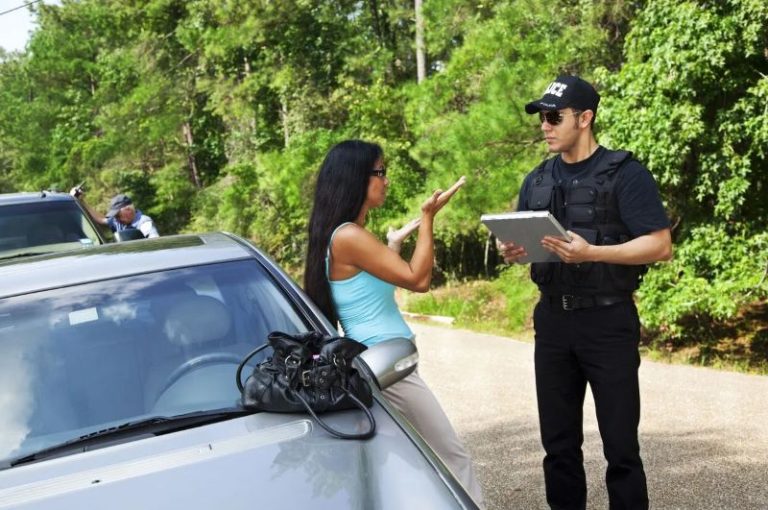
People picture a one page form. In reality, a collision report is a stack of observations, a diagram, codes for damage and injury, statements from both drivers, witness names, and road and weather notes. The officer is documenting what they saw at a specific hour on a specific street, not solving the case.
That distinction matters more than it sounds. An officer arriving 40 minutes after impact sees cars already moved, debris swept toward the curb, and two people giving calm, rehearsed accounts because the adrenaline has worn off. Their report reflects that scene. A neighbor’s doorbell camera reflects a different truth entirely.
Which one wins? Depends on what you did in the days that followed.
Three kinds of evidence, ranked by how fast they vanish
I’ve read enough case summaries to group crash evidence into three tiers based on how quickly it dies. This isn’t a legal doctrine, it’s just the pattern that shows up again and again.
Tier one: gone within days
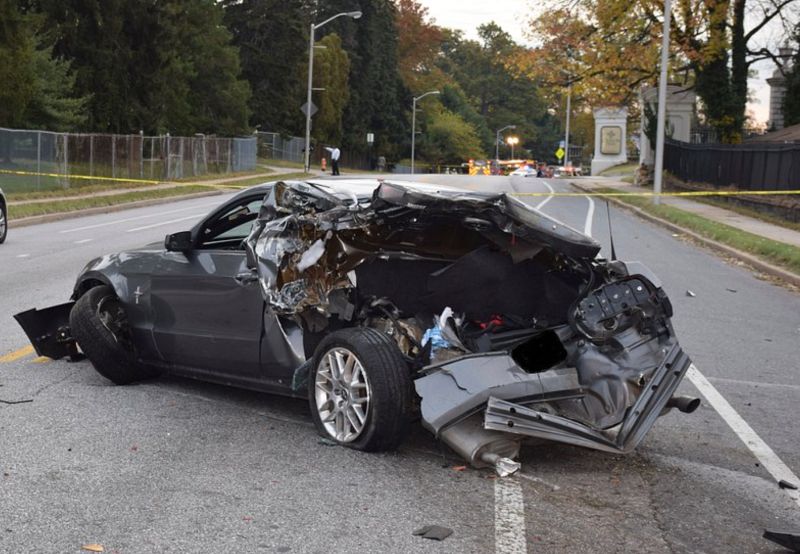
Skid marks, fluid trails, glass scatter, and the physical position of the vehicles. Rain erases them. So does the tow truck. If nobody photographed the intersection before cleanup, that information is simply lost, and no amount of later investigation gets it back.
Traffic camera footage sits in this tier too. Municipal systems overwrite on short cycles, and private cameras record over old data when the storage fills. Requesting that footage is a race, and it’s one of the few tasks where waiting a week genuinely costs you.
Tier two: gone within months
Witness memory, driver statements, and phone records. People move, change numbers, and forget which lane they were in. Cell carrier data requires formal preservation requests and follows its own retention schedule.
Tier three: durable
Medical records, repair estimates, the crash report itself, and any photographs you took. These survive because someone filed them. Notice the pattern: the evidence that lasts is the evidence somebody bothered to document.
Where Phoenix crashes actually cluster
Local context matters because Arizona’s traffic patterns aren’t generic. According to the Arizona Department of Transportation, the state logs well over a hundred thousand motor vehicle collisions in a typical year, and a large share of them happen inside Maricopa County. That concentration tells you something practical about your own case.
High volume corridors with heavy commuter traffic produce a specific kind of collision: rear end impacts at moderate speed, often with disputed following distance and no independent witnesses. Those cases turn almost entirely on physical evidence and medical documentation, because there’s nothing else to argue with.
If your crash happened on a surface street during rush hour, assume the other side will claim sudden braking. Your photos and your treatment timeline are your answer.
How fault gets assigned when stories conflict
Two drivers, two accounts, one intersection. The system resolves this with a mix of physical evidence, traffic law, and credibility. Arizona operates under a comparative fault framework, which means more than one person can share responsibility, and your recovery can be reduced by your own percentage of fault.
That framework is why the crash report’s diagram and codes carry so much weight early on. Not because they’re final, but because they set the opening position both sides negotiate from. An officer’s note that you were “following too closely” costs real money if you can’t rebut it, and it can be rebutted with a repair estimate showing impact points, or a photo showing the other car’s position across a lane line.
I’d rather have a mediocre report and excellent photographs than the reverse. Every time.
A practical checklist for the first 72 hours
You can’t undo a collision. You can control what exists in writing afterward. Here’s the sequence I’d follow, in order.
- Call 911 and wait for the officer. A report number is worth more than a handshake agreement to settle privately.
- Photograph everything before vehicles move, if it’s safe. Wide shots of the intersection, close shots of damage, the other plate, and the position of traffic signals.
- Get names and numbers from witnesses, not just the other driver. Witnesses leave before police arrive more often than you’d think.
- Request the report number at the scene and note the officer’s name and agency.
- See a doctor within a day or two. Not because you’re badly hurt, but because gaps in treatment get used against you later.
- Notify your own insurer and be careful what you say to theirs. “I’m fine” is a sentence that follows people for a year.
- Don’t post about the crash on social media. Adjusters look, and a hiking photo taken three weeks after a claimed back injury is a gift you don’t want to give.
Notice how much of this is about creating durable records. That’s the whole game.
The insurance math nobody explains upfront
Adjusters are evaluated on what they close, not what they pay. That’s not cynicism, it’s just how claims departments work. Early offers usually land before you know the full scope of your injuries, and once you sign a release, the matter is finished regardless of what a specialist finds next month.
According to the National Highway Traffic Safety Administration, millions of people are injured in motor vehicle crashes nationally each year, and many of those injuries aren’t immediately obvious. Soft tissue damage, concussions, and spinal issues often present days later. An offer made on day three cannot account for a diagnosis made on day thirty.
Here’s the thing: the first number is almost never the final number. It’s a test to see whether you know what your claim is worth.
Why crash cases end up in the criminal system too
Most collisions are civil matters, but a subset involve impaired driving, hit and run, or reckless conduct, and those move into criminal court. That overlap matters for readers of a crime history publication because it shows how the same event gets processed through two separate systems with different standards and different timelines.
According to the Bureau of Justice Statistics, the vast majority of criminal cases in the United States resolve through plea agreements rather than trial. A parallel dynamic shows up in civil claims, where most settle before a courtroom ever sees them. The paper trail does the arguing in both worlds, which is why documentation discipline separates outcomes more than courtroom theatrics ever does.
What this means for your next move
You don’t need to memorize statutes or learn how to read a collision diagram. You need to understand that evidence has a shelf life, that the crash report is a starting position rather than a verdict, and that every day between the collision and the documentation is a day where something quietly disappears. The people who do best after a serious crash aren’t the loudest or the most aggressive. They’re the ones who took photos, kept receipts, followed through on treatment, and asked for help before the deadlines set in. Which category do you want to be in when the adjuster calls back tomorrow?
About the Author