Commercial hygiene has come a long way from just mopping and dusting. It’s now a mix of equipment engineering, surface science, chemical management, and defined sanitization procedures. As commercial buildings get larger and more heavily used, maintaining a clean environment will require a far more sophisticated approach than just dealing with the visible bits of dirt.
The development of the specialist cleaning plant has changed the way we think about cleaning in a facility. Rather than just having a team of people on site to do the cleaning, you can now have a plant that cleans large areas of the floor, handles moisture, and provides a far more consistent cleaning regime.
How Cleaning Technology Has Transformed Commercial Hygiene
The development of commercial cleaning equipment has made routine maintenance more systematic, allowing facilities to address dirt accumulation, floor contamination, and upkeep requirements with greater consistency. Companies like Nassco provide access to dedicated equipment designed for different commercial floor-care needs.
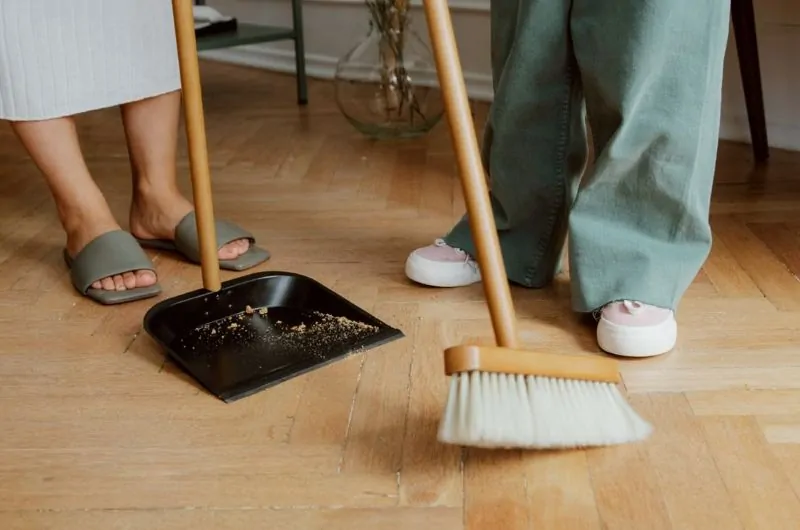
Traditional mopping and sweeping are still used in smaller areas, but they have drawbacks in busy environments. Manual cleaning can spread dirty water if you’re not constantly changing the mop water, and it leaves a lot of moisture behind, which takes a long time to dry (and also creates a slip hazard!).
Modern floor scrubbers address all of those problems through an integrated system. They will dispense the cleaning solution, agitate the floor with brushes and pads, and then use a waste recovery system to remove the dirty water. This successfully separates the removal of the contamination from the recirculation of the dirty water.
Why Floor Cleaning Requires More Than Visible Dirt Removal
A floor can look spotless yet still be full of residue, oils, dust, and micro-organisms. The type of floor you have largely dictates how contamination builds up and the most appropriate cleaning method.
Porous materials (such as unsealed concrete) can trap particles in their tiny surface pores. Smooth materials (sealed tile and vinyl being the main ones) are generally easier to keep clean. Still, they can develop a slippery film if the cleaning products are not properly diluted or rinsed.
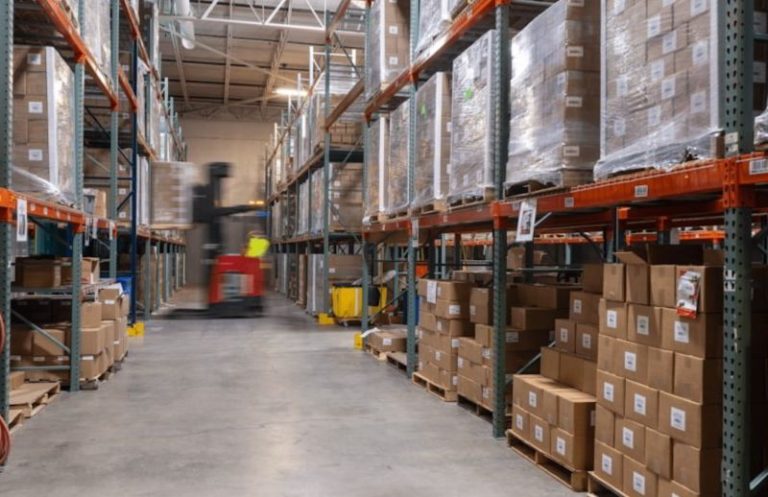
Effective floor cleaning begins with working out what the floor is and what it’s been contaminated with. A warehouse floor, which has had a fair bit of exposure to grease and tire marks, will require a very different approach than a school corridor, which has had dust, food, and heavy foot traffic.
This information is vital when you’re selecting your brush, cleaning pad, detergent, and machine settings. If you go in with a brush that’s too aggressive on a delicate floor, you’ll damage it, and if you don’t have sufficient mechanical action, you’ll just leave dirt deposits behind.
Automation and the Science of Consistent Cleaning
Automated floor-cleaning machines have added another dimension of control to facility management. The autonomous scrubbers can be programmed to follow a route, avoid obstacles, and perform cleaning according to the scheduled requirements.
Consistency is paramount in an environment with fairly predictable traffic. Hospitals, shopping centers, airports, and distribution centers all have large floor areas that require regular maintenance. You can use automated equipment to handle that, freeing up time for the team to focus on detailed cleaning, inspections, and the tasks that need to be done by hand.
Automation in no way eliminates the need for supervision. The operators still have to inspect the brushes, empty the recovery tanks, check the batteries, refill the solution reservoirs, and ensure the machines are on the correct cleaning routes.
Choosing Cleaning Chemicals and Equipment Correctly
Equipment on its own will not achieve good hygiene. The detergent has to be the right one for the surface, the type of soil, and the required level of cleaning. Detergents work by breaking down grease, oils, and organic matter. Disinfectants work by killing microorganisms on suitable surfaces. Both are very different things and should not be used in place of one another.
You can reduce the effectiveness of a disinfectant by applying it to a heavily soiled surface, as organic matter will interfere with its antimicrobial action. Research cited by the CDC found that soap-and-water cleaning reduced bacteria on hospital floors by approximately 80%, compared with 94% to 99.9% in one study using a phenolic disinfectant.
However, bacterial counts did rebound to pre-treatment levels within a few hours, underscoring the importance of regular cleaning and appropriate maintenance schedules. Facility managers need to follow the manufacturer’s instructions for chemical dilution, contact time, ventilation, and equipment compatibility. Getting the chemical concentration wrong can damage the floor, leave residues, and present an unnecessary hazard to the cleaning staff.
Endnote
Commercial hygiene has become a technical discipline in which equipment selection, chemical knowledge, staff training, and performance monitoring all work in tandem. You can only achieve a genuinely clean and safe environment by understanding all those aspects and how they work together.