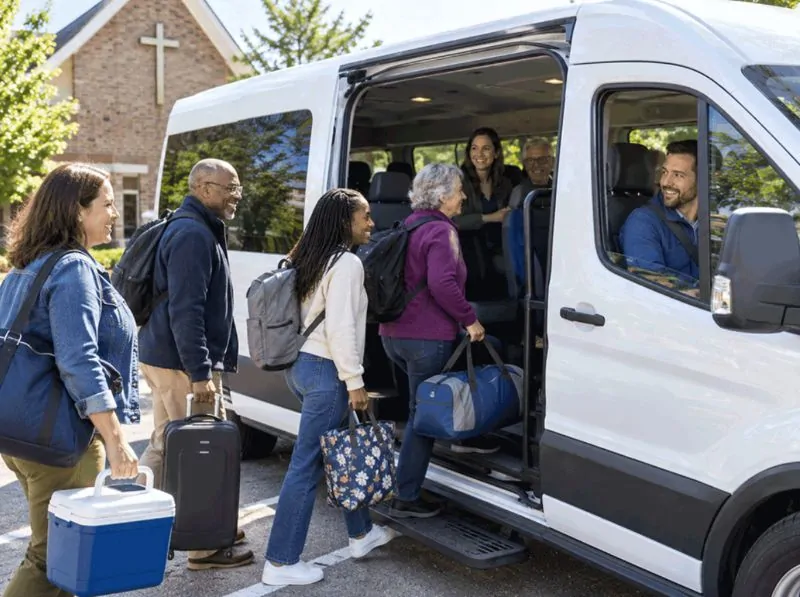
Bringing people together around a shared purpose requires more than choosing a destination and arranging transportation. Whether a group is traveling for service, cultural exchange, a religious gathering, or community engagement, the experience depends partly on how well its organizers prepare people to participate.
For churches and community organizations, group travel can create opportunities for connection and cooperation. Yet budgets, accessibility, scheduling, and individual circumstances can determine who gets to take part. Thoughtful planning helps address these practical barriers, allowing the group to focus on its purpose while respecting the needs of its members.
Shared Experiences and the Value of Community
Traveling together creates opportunities for people to exchange perspectives, build relationships, and work toward common goals. Participants who might interact only briefly in their usual surroundings can spend extended time learning from one another, navigating unfamiliar situations, and contributing to shared activities.
For faith-based organizations, these experiences may involve retreats, conferences, volunteer projects, or visits to partner communities. The value, however, does not come automatically from traveling as a group. It depends on how participants engage with one another and whether their activities reflect genuine respect for the people and places they encounter.
When a trip involves community service, organizers should consult local partners rather than assume they understand what assistance is needed. Listening before acting can help prevent duplicated efforts and encourage relationships based on cooperation instead of one-sided expectations.
This principle extends beyond religious organizations. Any group that brings people together around a common interest can benefit from clear objectives, shared responsibility, and an approach that values participation over appearances.
Inclusion Begins With Practical Planning
A group’s shared purpose does not mean every participant has the same resources or circumstances. Some members may face financial limitations, mobility requirements, caregiving responsibilities, dietary needs, or uncertainty about traveling outside familiar surroundings.
These differences should be considered before reservations are made. If costs are communicated late, participants may struggle to budget. If an itinerary involves demanding connections or inaccessible transportation, some people may be unable to participate comfortably or safely.
Organizers can reduce these barriers by establishing realistic budgets, explaining expenses early, and asking participants about relevant needs privately and respectfully. When possible, they can investigate financial assistance, alternative payment arrangements, accessible accommodations, and schedules that allow sufficient time for connections and rest.
Inclusion also depends on communication. Participants should understand the purpose of the trip, the expected costs, what is included, and what responsibilities they will have. Clear expectations reduce uncertainty and give people a fair opportunity to decide whether the experience is right for them.
Making participation a priority does not require every arrangement to meet every preference. It requires organizers to identify meaningful barriers and consider reasonable solutions before those barriers become preventable exclusions.
Managing the Logistics Behind Meaningful Group Travel
The practical work of organizing a trip can be substantial. Coordinators may need to collect traveler information, compare flight options, manage baggage requirements, accommodate changing participant numbers, and prepare for delays or cancellations.
Church travel planning becomes particularly complicated when several households or groups are involved, funding arrives at different times, or travelers must coordinate international connections. The lowest advertised airfare may not represent the best overall option once baggage fees, restrictive ticket conditions, and potential change penalties are considered.
A church travel agency may help organizers evaluate airfare options and understand the conditions attached to different arrangements. Resources for coordinating trips for organized groups can provide a starting point for examining group flight logistics, traveler requirements, and the support available when plans change. The suitability of professional assistance depends on the group’s size, itinerary, budget, and specific needs.
Regardless of whether an organization uses outside assistance, it should designate someone to maintain essential travel information and communicate updates. A contingency plan should identify whom participants contact during a disruption, how decisions will be communicated, and what alternatives may be available.
Preparation cannot eliminate uncertainty, but it can prevent confusion from becoming an additional obstacle to the group’s objectives.
A Practical Framework for Organizers
A few consistent practices can make church group travel more manageable and inclusive:
- Define the purpose first. Establish what the group hopes to accomplish before selecting a destination or committing funds.
- Make costs transparent. Share expected expenses early and explain what participants must pay individually.
- Identify barriers to participation. Ask about accessibility, scheduling, and other practical needs before finalizing arrangements.
- Confirm essential details. Check traveler names, documentation requirements, baggage conditions, and relevant destination rules.
- Prepare for changes. Designate a coordinator, establish communication procedures, and identify contingency options before departure.
These steps are useful for everything from a small congregation’s retreat to a larger conference or volunteer initiative. Reviewing the experience afterward can help organizers identify what worked, where participants encountered difficulties, and how future arrangements might improve.
Make Participation Part of the Plan
A meaningful group experience depends on more than its destination or stated mission. It also depends on whether people can participate, whether expectations are clear, and whether the group’s arrangements support its shared objectives.
By treating inclusion, communication, budgeting, and logistics as connected responsibilities, churches and community organizations can create better-prepared experiences. The goal is not simply to move people from one place to another, but to make it possible for them to participate with confidence and contribute meaningfully.
When organizers give equal attention to purpose and preparation, shared travel can become a more considered expression of community, cooperation, and collective responsibility.
About the Author