
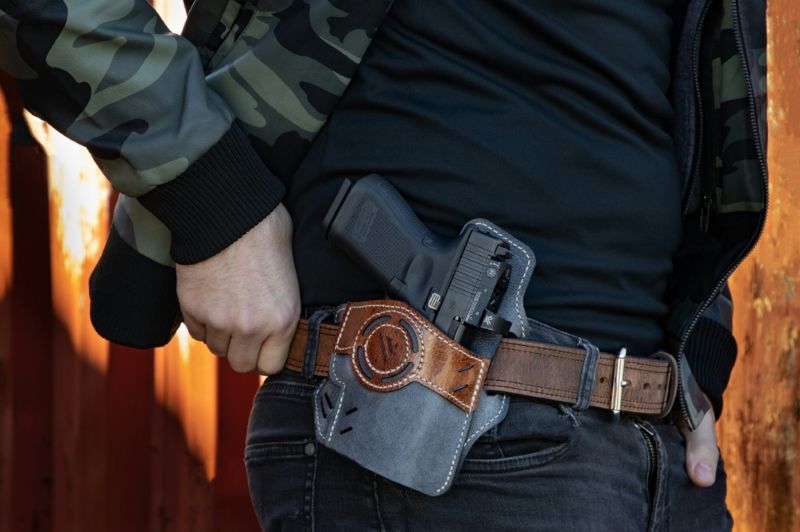
New York, a state in the northeastern United States, has specific laws governing firearm ownership and concealed carry permits to promote public safety. Applicants seeking a concealed carry license must meet state eligibility requirements and undergo background checks as part of the licensing process. Understanding these regulations is especially important for individuals with a prior criminal charge who want to know how their legal history may affect their application.
Applicants should understand the state’s eligibility requirements before applying. Reviewing Concealed Carry Laws in New York can help applicants understand how licensing authorities evaluate criminal history, what restrictions may apply, and why the outcome of a previous case matters.
How New York Evaluates Criminal History
Under New York Penal Law § 400.00, applicants must meet specific eligibility requirements, including applicable restrictions involving certain criminal convictions and an assessment of their eligibility for a license. Licensing authorities review relevant background information when evaluating applications.
A criminal conviction is not the only factor that may matter. Depending on the licensing authority and the circumstances, an applicant’s arrest history and other relevant information may also be considered. However, an arrest or charge does not automatically establish that a person committed an offense or mean that the application must be denied.
Does a Criminal Charge Automatically Disqualify You?
Not necessarily. A criminal charge is an accusation, not proof that someone committed an offense. Whether a previous case affects eligibility depends on the charge, its outcome, and any applicable legal restrictions.
Certain felony convictions and other disqualifying offenses can prevent someone from obtaining a concealed carry license. Other cases may require closer review by the licensing authority. Applicants should therefore avoid assuming that every previous charge results in denial or that a charge that did not lead to conviction will never be considered.
What If the Case Was Dismissed or Sealed?
A dismissed charge or acquittal differs legally from a conviction, but applicants should not automatically assume that a sealed record can be omitted from every licensing application. Access to sealed records and disclosure requirements depend on the type of record, the applicable law, and the licensing authority’s procedures.
Before applying, review the questions on the application carefully and obtain the relevant court disposition if necessary. If you are unsure whether a prior arrest or dismissed case must be disclosed, consult a qualified New York attorney before submitting your application. The rules governing when certain criminal records can be sealed also include exceptions that may allow access for firearm-licensing purposes.
Why Accurate Disclosure Matters
Providing complete and truthful information is an important part of the licensing process. New York Penal Law § 400.00 requires an investigation of application statements, and knowingly providing false information can create additional legal problems or grounds for denial.
Applicants should review each question carefully, obtain court dispositions when necessary, and follow the instructions issued by their local licensing authority. If a question is unclear, getting legal advice before responding is safer than guessing or omitting information.
What Should You Do Before Applying?
If you have a previous criminal charge, consider taking these steps before submitting your application:
- Obtain your case records: Confirm whether the case ended in dismissal, acquittal, a plea, or a conviction.
- Review eligibility requirements: Check New York Penal Law § 400.00 and the instructions provided by your licensing authority.
- Understand disclosure obligations: Do not assume that a dismissed or sealed case can always be omitted.
- Seek legal guidance: A qualified attorney familiar with New York firearm licensing can assess your circumstances and explain potential eligibility concerns.
Key Takeaways
- A previous criminal charge does not automatically disqualify every concealed carry applicant.
- Felony and qualifying serious-offense convictions can create significant barriers to eligibility.
- Dismissed or sealed cases may still raise disclosure questions during the application process.
- New York Penal Law § 400.00 establishes key eligibility requirements for firearm licenses.
- Reviewing court records and obtaining legal guidance can help applicants understand their options before applying.
About the Author