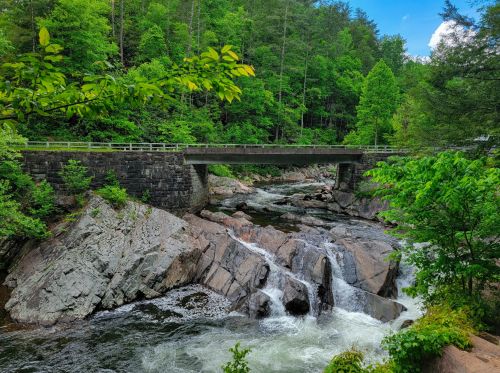
Summer mountain trips begin long before you reach the trailhead. Preparation starts at home, where every item laid out on the bed forces a decision. A getaway to the Smoky Mountains carries a certain energy. Misty mornings, layered ridgelines, and cool forest shade set expectations high. The right gear makes sure nothing interrupts that rhythm.
Packing with intention creates freedom once you arrive. You move more easily when your boots feel right. You stay present when your clothing adjusts to shifting temperatures. Confidence grows when you know your essentials are covered. A thoughtful packing strategy means fewer distractions and more time chasing overlooks, waterfalls, and long golden evenings. Every item should serve a purpose, support comfort, and help you stay focused on the experience ahead.
Trail-Ready Footwear That Supports Every Step
Footwear anchors your entire trip. Rocky inclines, exposed roots, and loose gravel demand stability. A dependable pair of hiking boots or trail shoes protects your feet while giving you traction on uneven ground. Grip matters most on steep descents where footing can shift without warning.
Breathability plays a major role during summer hikes. Heat builds quickly, especially on exposed stretches of trail. Shoes designed with ventilated panels allow airflow and reduce moisture buildup. Dry feet stay cooler and more comfortable over long distances.
Water Adventure Essentials for Rivers and Rapids
Mountain trips often include more than hiking. River crossings, swimming holes, and rafting excursions add variety to the itinerary. Days in the Smoky Mountains often revolve around cool streams and lively rapids that offer a welcome break from the heat. Preparation for water activities deserves just as much attention as trail gear.
Footwear becomes critical once you step onto slick rocks or into moving water. If you’re wondering what shoes to wear for white water rafting, tennis shoes or water shoes provide reliable grip and comfort on slick surfaces. For added protection and warmth, wear wool socks underneath neoprene booties or river sandals. Quick-dry fabrics make transitions easier. Lightweight synthetic shirts and shorts shed water faster than cotton. Comfort returns quickly once you leave the river, which keeps your day moving smoothly.
Lightweight Clothing That Handles Heat and Elevation
Summer mountain weather shifts throughout the day. Cool mornings give way to bright afternoons, and higher elevations bring surprising drops in temperature. Layering solves this challenge without overloading your pack.
Moisture-wicking shirts form the base of a reliable system. Synthetic blends or merino wool fabrics draw sweat away from the skin, keeping you comfortable during climbs. Breathable materials prevent overheating on exposed sections of the trail. A lightweight insulating layer proves useful once you gain elevation. Temperatures can dip even when the valley below feels warm. A thin fleece or packable jacket adds warmth without bulk.
Sun Protection That Goes Beyond Sunscreen
Mountain sun feels stronger than it looks. Higher elevation and reflective surfaces increase exposure throughout the day. A solid sun protection strategy protects both your energy and your skin.
Broad-spectrum sunscreen remains essential. Apply it before stepping onto the trail and reapply during longer outings. Lip balm with sun protection prevents dryness and cracking. Sunglasses with UV protection shield your eyes and reduce strain during bright stretches. A wide-brim hat or structured cap offers steady coverage for your face and neck. Lightweight neck gaiters add another layer of defense without trapping heat.
Hydration and Nutrition for Long Trail Days
Energy management shapes the success of any summer hike. Heat accelerates dehydration, and steep terrain demands steady fuel. Hydration systems simplify the process. Many hikers prefer hydration packs for easy access, while others rely on reusable bottles stored in side pockets.
Electrolyte supplements help maintain balance during intense activity. Sweating depletes more than water alone. Replenishing essential minerals supports endurance and prevents mid-hike crashes. Snacks should be compact, calorie-dense, and easy to eat on the move. Trail mix, energy bars, and nut butter packets offer quick boosts without slowing you down.
Navigation Tools That Keep You on Track
Confidence on the trail comes from knowing where you are and where you’re headed. Even well-marked routes can become confusing when paths intersect or visibility drops. Reliable navigation tools reduce uncertainty and keep your plans on schedule.
A physical trail map deserves a permanent place in your pack. Digital tools are convenient, yet battery life and signal strength are never guaranteed. Printed maps provide a dependable reference point and help you understand the terrain in a broader way. Reading contour lines and elevation changes gives context that screens sometimes fail to capture.
Safety Gear for Unexpected Situations
Mountain environments can shift quickly. Weather changes, minor injuries, and delayed timelines are all part of outdoor travel. Carrying compact safety gear prepares you for those moments without weighing you down.
A small first aid kit should include bandages, blister care, antiseptic wipes, and any personal medications. Minor issues feel manageable when supplies are within reach. An emergency whistle takes up almost no space and allows you to signal for help if needed. A lightweight multi-tool adds versatility for quick fixes or gear adjustments.
Comfort Items That Elevate the Experience
Comfort plays a larger role in outdoor trips than many expect. Small additions can turn a demanding hike into a balanced and enjoyable outing. Strategic comfort items enhance recovery and create space for appreciation.
Trekking poles reduce strain on knees during steep descents and provide stability on uneven terrain. They also encourage a steady rhythm on long climbs. A lightweight sit pad or compact camping chair makes rest stops more inviting. Taking short, comfortable breaks helps maintain energy and focus.
Strong preparation sets the tone for every summer mountain adventure. Each piece of gear should serve a clear function and contribute to your overall experience. Footwear supports your stride. Water-ready essentials keep transitions smooth. Clothing adapts to shifting temperatures. Sun protection preserves energy. Hydration and nutrition sustain momentum. Navigation tools and safety equipment provide reassurance. Comfort items create space to slow down and appreciate the journey. Intentional packing transforms potential obstacles into manageable details. Confidence grows when you trust what’s in your pack. Clear planning allows you to stay present with the landscape, the movement, and the quiet satisfaction of reaching each new viewpoint. Summer days in the mountains offer long hours of light and possibility. Equip yourself wisely, step onto the trail prepared, and make the most of every mile under the sun.
About the Author