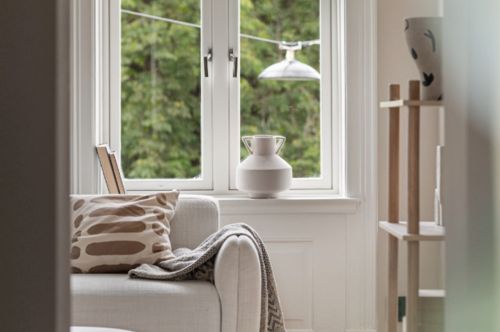
Many homeowners in Potomac, MD, love the area’s tree-lined streets and established neighborhoods, yet daily noise can still find its way indoors. Traffic on nearby roads, landscaping equipment, home improvement projects, and even activity within the house can make it difficult to fully relax. Over time, constant background noise can affect concentration, interrupt sleep, and make a home feel less comfortable than it should.
The good news is that creating a quieter living environment does not require a complete remodel. Several practical improvements can reduce unwanted noise and make everyday life more enjoyable. Some solutions take only a few hours to implement, while others provide long-term benefits for comfort, privacy, and energy performance. Understanding where sound comes from and how it travels through your home is the first step toward creating a calmer space.
When Windows Bring In a Lot of Noise
Windows play a major role in how much outside sound enters a home. Older windows often develop small gaps around the frame, worn seals, or glass that provides limited sound insulation. Even if a window looks fine from a distance, it may allow a surprising amount of noise indoors. This becomes more noticeable in homes located near busy roads or active neighborhoods.
Homeowners who want a quieter environment often begin by evaluating the condition of their windows. Features such as multiple panes of glass, stronger seals, and modern frame construction can help reduce sound transmission. In Potomac energy efficient windows also contribute to a more comfortable indoor environment by limiting drafts and reducing certain types of outside noise. A professional assessment can help determine whether window replacement makes sense for your specific situation.
Soft Surfaces Make Rooms Feel Quieter
Many modern homes feature hard flooring, large windows, and smooth wall surfaces. While these design choices look attractive, they can also cause sound to bounce around a room. This creates echoes and makes everyday noise seem louder than it actually is. Adding more soft materials helps absorb sound and creates a calmer atmosphere.
Area rugs are often one of the simplest ways to reduce noise, especially in rooms with hardwood, tile, or laminate flooring. Curtains made from heavier fabrics can help soften sound while also improving privacy. Upholstered furniture, fabric headboards, and decorative textiles contribute to sound absorption without changing the overall style of a room. The goal is not to fill a space with extra items. Instead, it is about creating a balance of surfaces that help control sound naturally and make the room feel more comfortable.
Smart Furniture Placement Strategies
Furniture can do more than fill a room. The way you arrange it can influence how sound moves through your home. Large pieces such as bookcases, cabinets, and upholstered sofas can help absorb and block sound when placed thoughtfully. This is especially useful if noise travels through shared walls between bedrooms, living spaces, or neighboring properties.
A tall bookshelf filled with books creates a denser barrier than an empty wall. Positioning upholstered furniture against walls that face noisy areas may also help reduce sound reflections within a room. Furniture placement will not solve major noise problems on its own, but it can support other sound-control efforts. Before spending money on upgrades, experiment with different layouts. Sometimes a simple rearrangement can make a room feel noticeably quieter and more comfortable.
Creating Spaces for Quiet Moments
Many households have areas where activity naturally gathers. Kitchens, family rooms, and entryways often stay busy throughout the day. Creating at least one quiet zone gives everyone a place to read, work, relax, or simply take a break from household noise. The location does not need to be large. A spare bedroom, finished basement corner, or underused sitting area can work well.
Choose a location away from high-traffic areas whenever possible. Keep televisions, gaming equipment, and other noisy devices out of that space. Comfortable seating, good lighting, and minimal distractions help make the area more inviting. Families with children may find that a dedicated quiet space encourages reading, homework, and focused activities while reducing interruptions throughout the day.
Dealing with Noisy Household Equipment
Some of the most frustrating sounds come from inside the home itself. Heating and cooling systems, refrigerators, dishwashers, washing machines, and ceiling fans can create ongoing noise that becomes more noticeable over time. In many cases, unusual sounds signal maintenance issues that deserve attention.
Start by identifying equipment that produces rattling, humming, vibrating, or squeaking sounds. Loose panels, worn parts, and dirty components often contribute to excess noise. Replacing HVAC filters regularly can improve airflow and sometimes reduce operational strain. Ceiling fans may need balancing if they wobble or create clicking sounds. Placing vibration pads beneath certain appliances can also help reduce sound transfer through floors. Addressing equipment-related noise often improves comfort while helping systems operate more efficiently.
Bringing More Calm to Outdoor Areas
A peaceful home extends beyond the walls of the house. Outdoor spaces can influence how much noise reaches your living areas and affect how relaxing your property feels overall. Strategic landscaping can help soften certain types of neighborhood noise while creating a greater sense of privacy.
Trees, shrubs, and dense plantings work best when combined into layers rather than scattered individually. Fences can provide additional separation from nearby activity, though their effectiveness depends on height, design, and placement. If you enjoy spending time outdoors, consider arranging patios and seating areas farther from streets or shared property lines whenever possible. Water features are sometimes used to create a consistent background sound that many people find pleasant. Thoughtful outdoor design can contribute to a quieter atmosphere both outside and inside the home.
Creating a quieter, more peaceful living space starts with understanding how sound enters and moves through your home. The most effective approach combines several practical improvements rather than relying on a single solution. Identifying noise sources, upgrading problem areas, sealing gaps, improving room acoustics, and maintaining household equipment can all make a noticeable difference. Many of these changes are straightforward and can be completed gradually. Focus on the areas that affect your daily comfort the most and build from there. Over time, small improvements create a home that feels calmer, more comfortable, and better suited for rest, work, and everyday living. A quieter environment allows you to enjoy your home the way it was meant to be enjoyed.
About the Author