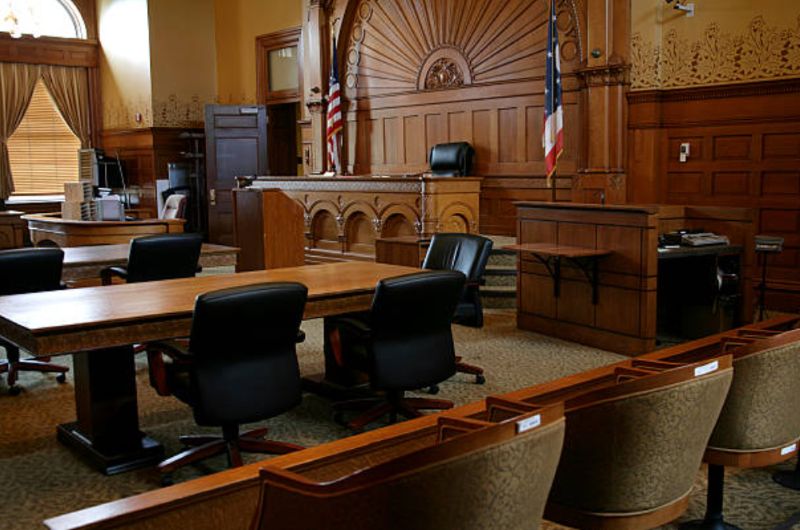
Walking into a courtroom can feel intimidating for anyone who has never been involved in a legal case. Formal procedures, unfamiliar terminology, and strict rules often create uncertainty about what will happen and what is expected from everyone involved. That uncertainty is perfectly normal, especially when the outcome of the case feels important.
A hearing is one of several steps that may occur during a personal injury case. Depending on the circumstances, it may focus on scheduling, legal arguments, or other issues that need to be resolved before the case can move forward. Each hearing serves a specific purpose within the broader legal process.
Knowing what to expect before arriving at the courthouse can make the experience feel much less overwhelming. Becoming familiar with the different stages of a personal injury hearing helps remove uncertainty and allows participants to approach the process with greater confidence.
Why a Hearing May Be Scheduled
Not every hearing serves the same purpose. Some are scheduled to establish deadlines, while others allow the court to decide legal questions that arise as the case progresses. Each hearing helps move the lawsuit closer to a resolution by addressing issues that require the judge’s attention.
The court may also use hearings to resolve disagreements between the parties before trial. Questions involving evidence, scheduling, or procedural matters are often addressed during these appearances so they do not create unnecessary delays later in the case.
Although hearings vary depending on the circumstances, they all play an important role in keeping cases organized. By resolving matters one step at a time, the court helps ensure that both sides have an opportunity to present their positions fairly.
Preparing Before the Hearing
Preparation usually begins well before the hearing date arrives. Attorneys review evidence, organize documents, file necessary paperwork, and prepare arguments based on the issues that will be discussed in court. Careful preparation allows the hearing to proceed more efficiently.
People attending the hearing should also know what to expect before entering the courtroom. Arriving early provides time to pass through courthouse security, locate the correct courtroom, and meet with legal counsel if any final discussions are necessary.
Staying organized can make the entire experience less stressful. Having important paperwork readily available, following instructions from legal counsel, and understanding the purpose of the hearing all contribute to a smoother court appearance.
What Happens Inside the Courtroom
Once the hearing begins, the judge oversees the proceedings and ensures courtroom rules are followed. Attorneys present legal arguments, respond to questions, and explain their positions regarding the issues scheduled for that particular hearing.
Depending on the purpose of the hearing, documents may be reviewed, evidence may be discussed, or witnesses may occasionally provide testimony. Many hearings focus primarily on legal issues rather than deciding every aspect of the overall case.
Each participant has a specific role throughout the proceeding. The judge manages the hearing, attorneys advocate for their clients, and the parties involved follow the court’s instructions while the legal issues are addressed in an orderly manner.
What Happens After the Hearing
When the hearing concludes, the case often continues rather than ending immediately. The judge may issue a ruling during the hearing or take additional time to review the arguments before making a decision. Either approach is a normal part of the legal process.
Depending on the ruling, additional discovery, negotiations, or future hearings may still be necessary. Some decisions simply establish the next steps, while others resolve important legal questions that help move the case toward settlement or trial.
Every case follows its own timeline based on the issues involved. The hearing represents one stage of a larger process, with each decision helping shape what happens next.
Conclusion
Court hearings are designed to keep personal injury cases moving through the legal system in a fair and organized way. While the process may seem unfamiliar at first, each hearing serves a specific purpose that helps resolve important issues along the way.
Learning why hearings are scheduled, how to prepare, and what typically happens inside the courtroom removes much of the uncertainty surrounding the experience. Familiarity with the process often makes attending court feel less intimidating than many people expect.
Every personal injury case is unique, and no two hearings unfold exactly the same way. Understanding each stage of the process provides greater confidence and allows participants to approach their court appearance with realistic expectations.
About the Author