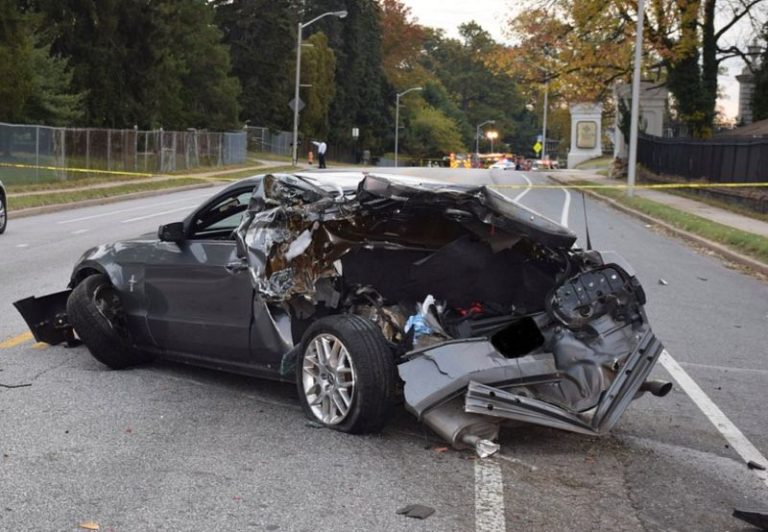
Heavy commuter traffic, sudden coastal storms, and fast-moving highway corridors around Tampa can make motorcycle crashes especially severe when drivers fail to notice riders in time. In the aftermath of a serious collision, injured motorcyclists often face more than physical pain. Questions about fault, medical treatment, insurance pressure, and financial recovery can arise almost immediately.
A well-prepared Tampa motorcycle accident claim depends on clear medical documentation, timely evidence collection, and legal guidance that connects the rider’s injuries directly to the crash and its lasting impact on daily life.
First Steps After Impact
During the first week, injured riders often face imaging orders, pharmacy trips, repair estimates, and repeated calls from insurers. Clear records matter because they link pain patterns, treatment dates, and lost earnings to one event. Many families seek motorcycle accident injury help in Tampa while collecting photographs, witness names, and discharge papers, since early documentation can protect a claim and reduce confusion during physical recovery.
Why Timing Matters
Speed matters after a crash because evidence changes quickly. Road debris gets cleared, security footage may be deleted, and witness memory can soften within days. Clinicians also develop a treatment timeline that shows swelling, reduced range of motion, nerve symptoms, or delayed headache onset. That sequence helps explain injury progression. Gaps in care may give insurers room to question whether the collision caused the condition.
Medical Recovery Needs Proof
Emergency treatment rarely tells the full medical story. Riders may later need magnetic resonance imaging, orthopedic review, neurological testing, physical therapy, or trauma counseling. Each chart note helps show pain intensity, movement limits, sleep disruption, and medication response. Regular attendance also supports credibility. Missed visits can weaken the picture, even when a person is still hurting and trying to function at home.
Common Costs Riders Face
The financial effect often reaches far beyond the first hospital bill. Missed shifts can shrink income while rent, groceries, and child care remain fixed. Property loss may include the motorcycle, helmet, protective jacket, phone, and damaged eyewear. Some households also pay for rides, parking, or help with laundry and meals. A fair claim should reflect current expenses and future earnings loss.
Liability Is Often Disputed
Motorcycle cases often trigger quick blame shifting. Drivers may claim poor visibility, sudden lane changes, or unsafe speed before the full record is reviewed. Those arguments can delay payment and influence medical stress. Objective proof matters here. Crash reports, scene photographs, witness accounts, helmet damage, and traffic camera footage can help correct assumptions that unfairly assign fault to the rider.
Insurance Pressure
Adjusters often reach out while pain medicine, poor sleep, and shock are still shaping memory. A recorded statement may seem routine, yet a few loose words can later be used against the injured person. Early offers also tend to ignore future surgery, rehabilitation, or chronic nerve pain. Careful review protects long-term needs and reduces the risk of accepting too little too soon.
Building a Strong Record
Reliable documentation can strengthen both treatment planning and claim value. Short daily entries help connect physical symptoms with ordinary tasks such as bathing, lifting, driving, or returning to work. Small details often carry weight later. A clear timeline also helps clinicians compare progress, spot setbacks, and explain whether pain is improving, plateauing, or interfering with sleep and concentration.
Daily Notes Help
A recovery journal does not need polished language. Brief entries on stiffness, headache severity, numb fingers, missed family events, or reduced grip strength can show how injuries affect daily function. Receipts, pharmacy logs, and mileage records also matter. Together, those notes create a grounded picture that standard medical forms may miss, especially when symptoms shift from morning to evening.
Legal Guidance Can Reduce Errors
Strong legal support can prevent mistakes that cost money or delay care. Counsel may help organize records, measure damages, manage insurer contact, and monitor filing deadlines. That structure gives riders more room for treatment and rest. Families also gain clearer expectations about the process. Good guidance cannot reverse tissue damage, yet it can protect financial stability during a hard recovery.
Recovery Involves the Household
Serious injury rarely affects one person alone. A partner may take over errands, school pickup, meals, or bill payments while the rider struggles with pain and fatigue. Children can react to visible wounds, mood changes, or sudden limits on family routine. Savings may drop fast. Claims should reflect that wider strain, because household disruption is part of the real damage.
Choosing the Right Support
Helpful support is practical, steady, and evidence-based. Riders benefit from professionals who explain medical findings clearly, return calls promptly, and keep records in order from day one. That kind of structure can reduce avoidable stress during healing. Better outcomes often begin with simple actions, repeated consistently, while treatment continues and key details are preserved for any future claim review.
Conclusion
Maximizing recovery after a motorcycle crash requires more than rest, ice, and patience. Injured riders often need coordinated medical care, reliable recordkeeping, and legal help to protect the full value of a claim. Early decisions can shape pain control, financial stability, and daily function for months. When symptoms, expenses, and evidence are carefully documented, families are in a stronger position to rebuild their routine lives.
About the Author