Nobody expects a car accident to happen. It affects people in many ways. Figuring out exactly what happened can take much longer. Drivers may remember the crash differently. A witness might recall only part of the scene. A damaged vehicle can show where the impact occurred, but it may not explain what happened just before it. This is why evidence matters. Photos, videos, medical records, witness accounts, repair estimates, and even a simple note about what happened can help turn a confusing accident into a clearer story.
If you’re looking for a car accident lawyer in Tuscaloosa, understanding the evidence that can support an accident claim may help you protect important information from the start. You don’t need to become an investigator yourself. Still, knowing what to save can make a difference. Some evidence disappears quickly, while other details become harder to remember as weeks and months pass.
1. Photos of the Crash Scene
Take pictures if you’re physically able to do so safely.
Photographs can show where the vehicles stopped, the cars’ positions, traffic signs, lane markings, road conditions, and nearby objects. Try to capture both close-up and wider views.
A dented bumper tells one part of the story. A picture showing the entire intersection may tell another.
2. Photos of Vehicle Damage
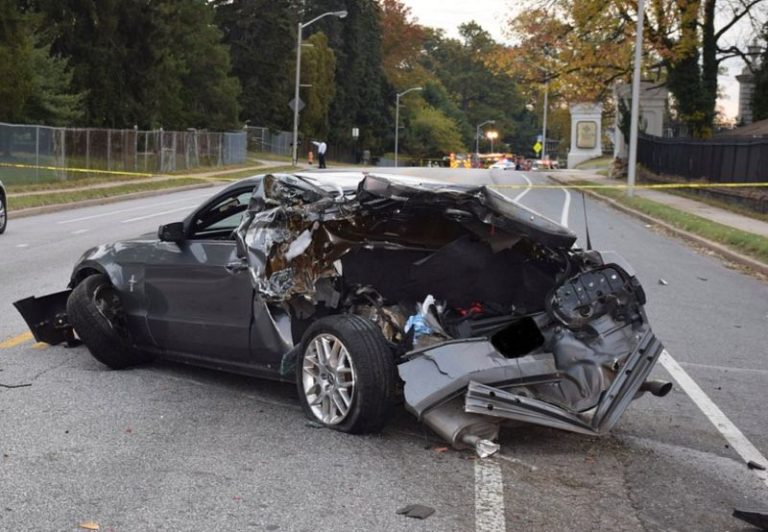
Vehicle damage can provide useful clues about the collision.
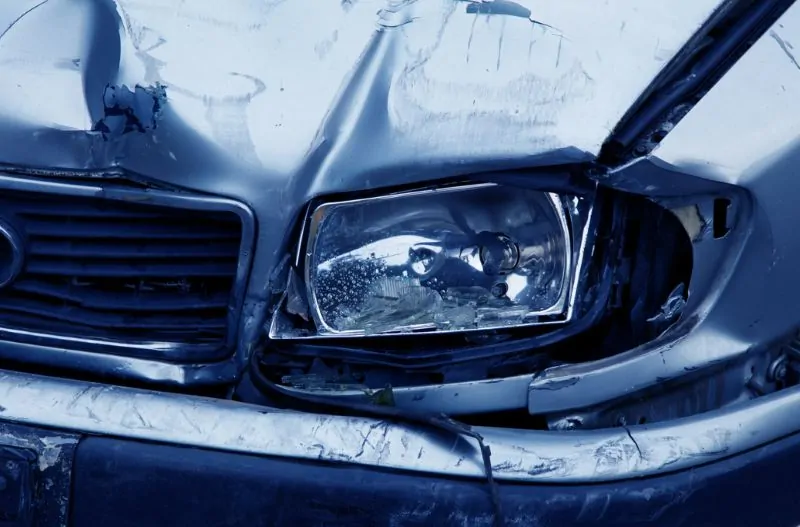
Photograph dents, scratches, broken lights, crushed panels, shattered glass, and other visible damage. Take pictures from different angles rather than relying on one image.
Don’t rush to repair or dispose of damaged parts before documenting them.
3. Pictures of Road Conditions
Road conditions can change quickly.
Rain may stop. Snow or ice may melt. Construction barriers may move. Debris can be cleared away.
If poor road conditions played a role in the crash, photographs taken soon afterward can help preserve what the scene looked like at the time.
4. Dashcam Footage
A dashcam can capture the moments leading up to a collision.
It may show another driver changing lanes, running a red light, following too closely, or suddenly stopping. Unlike memory, a recording doesn’t change with time.
If you have footage, save the original file. Don’t assume that a video uploaded to a phone or social media account will always be available.
5. Traffic or Security Camera Footage
Other cameras may have captured the accident.
Businesses, parking lots, homes, traffic systems, and nearby buildings sometimes have cameras pointed toward roads or entrances. The footage may show something that drivers couldn’t see.
The catch? Some systems automatically delete old recordings. That’s why you should identify and preserve potentially useful footage as soon as possible.
6. Witness Statements
People who saw the crash may remember details that the drivers don’t.
A witness could have noticed which vehicle entered the intersection first or whether a driver was looking down before the collision. Even a short observation may help clarify a disputed fact.
If someone witnessed the accident, get their contact information if it’s safe and practical.
7. Witness Contact Information
A witness isn’t very useful if nobody can find them later.
Write down names, phone numbers, or other contact information when possible. Don’t pressure the person to take sides or tell them what they should say.
Their job is simply to explain what they actually saw.
8. The Police Report
A police report may contain information about the crash, including statements from drivers and witnesses, the officer’s observations, diagrams, and other details.
Read it carefully once you receive it. If something appears inaccurate, don’t simply assume it will correct itself later. Bring the issue to your attorney’s attention.
Evidence Can Turn Memories Into Something More Concrete
After a car accident, everyone may have a version of what happened. The challenge is figuring out which version reliable evidence supports.
A photograph can show the road. A witness can describe what they saw. A camera can capture the collision. Medical records can document the injury. Employment records can show lost income. Repair records can demonstrate property damage.
Put together, these details can create a much fuller picture of the accident and its aftermath.
If you’ve been injured in a crash, preserve evidence as early as you can, follow appropriate medical advice, and keep track of how the accident affects your work and everyday life. The more carefully you preserve important details, the easier it is to understand what happened, what was lost, and what options may be available.
About the Author