
Introduction
Artificial intelligence has reshaped how content gets made online, from writing help to slick video editing. Few changes stand out quite like AI voice generation. It turns a typed script into speech that sounds remarkably human, with nobody needing to step up to a microphone. A history teacher can have a narrated lesson ready before the school bell goes.
Teachers, creators, companies and online publishers are finding plenty of uses for it. It offers a fresh alternative to recording a voice the old way, and it puts audio work within reach of people with any level of tech know-how. That’s a big shift for anyone who has ever dreaded hearing their own recorded voice.
Understanding AI Voice Generation Technology
An AI voice generator takes written text and reads it aloud using artificial intelligence. Behind it sit machine learning models that have studied vast libraries of recorded speech. By picking apart how people pronounce words, pace sentences and lift or drop their tone, the system learns to talk convincingly. It’s rather like an actor studying thousands of performances at once.
Older text-to-speech tools tended to sound flat and robotic, because they leaned on fairly basic rules. Many people still remember the satnav voice that mangled every street name. Today’s versions run on neural networks that speak far more smoothly, pausing and shifting tone much as a person would.
Many tools now handle several languages, accents and speaking styles. That range lets synthetic speech fit far more jobs, from school lessons and sales pitches to audiobooks and how-to videos. A single script can speak to a classroom in Leeds and a customer in Lisbon.
Why AI Voice Generation Is Becoming Popular
Convenience is the big draw. Recording a voice properly calls for decent kit, a quiet room and time to record and tidy up the audio. AI tools cut much of that out, building the sound straight from the script. Nobody has to wait for the neighbour’s lawnmower to stop.
For solo creators, this makes a regular posting schedule far easier to keep. Instead of setting up a recording session for every project, they can write the script and produce the audio whenever it’s needed. A Sunday evening can cover a week’s worth of videos.
Consistency is another plus. Someone making a long series of lessons usually wants the narration to sound the same from the first episode to the last. A synthetic voice keeps that tone steady, even when the creator has a cold.
It also opens doors for people who feel awkward speaking into a microphone or lack the gear to record. Synthetic speech lets them share their ideas clearly anyway. Shyness no longer has to stand in the way of a good idea.
Common Applications of AI-Generated Voices
Educational Content
Teachers and online tutors are turning written notes into narrated learning materials. A page of handouts can become an audio lesson, giving pupils another way to take in the material on the walk to school.
Language learners can gain a great deal too. Hearing written passages read aloud, again and again, helps pronunciation and sentence patterns sink in. A student practising French can replay a tricky phrase twenty times without anyone losing patience.
Video Production
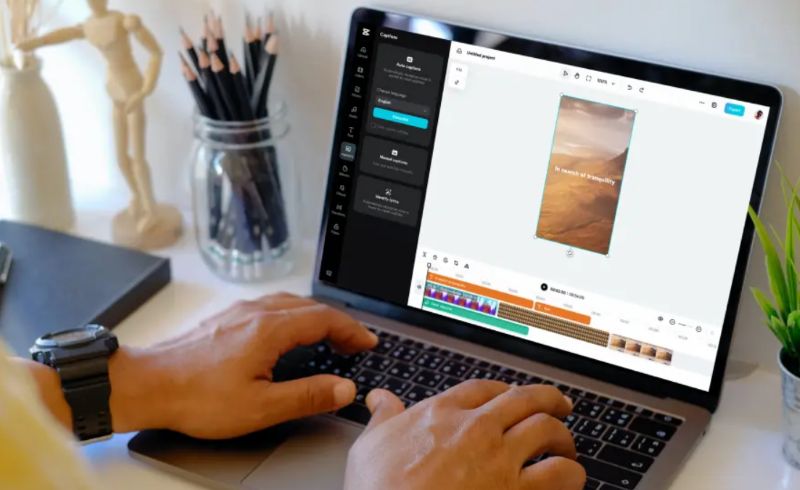
Video makers regularly need a voice-over for tutorials, demos, explainers and information clips. Trying an AI voice generator free tool gives newcomers an easy way into automated narration. For example, creators can experiment with an ai voice generator free workflow to understand how written scripts can be transformed into spoken audio.
The finished voice-over can then be dropped into a video, depending on the editing tools and export options on hand. A cooking channel can add a calm, clear voice to its recipe clips in minutes.
Business Communication
Companies are putting synthetic voices to work in staff presentations, product walk-throughs, training courses and customer guides. Automated narration lets a team turn out audio without setting up a recording booth for every new project. A small firm can voice its safety training without hiring an actor.
Accessibility and Digital Inclusion
Audio versions of written material help people who would rather listen, or who find long blocks of text hard going. That makes voice generation a real asset for anyone serious about inclusion. A visitor with poor eyesight can hear a museum guide instead of squinting at small print.
Important Features to Consider
Picking the right tool takes more than counting how many voices it offers. A handful of technical and practical points shape how well it works day to day.
Voice quality: Crisp pronunciation, a natural pace and the right rise and fall in tone all matter for narration that’s easy to follow.
Language support: Handling several languages helps creators reach audiences in different parts of the world.
Customization: Some tools let users tweak speed, tone, pauses and other features of the voice until it sounds just right.
Editing compatibility: The audio needs to slot easily into the video and sound editors people already use.
Usage permissions: It’s sensible to read the licence terms, any limits on commercial use and the platform’s rules before publishing anything made with these voices.
Challenges and Ethical Considerations
The technology isn’t perfect. A synthetic voice can stumble over an unusual surname, a technical term or a word with two pronunciations, such as “read” or “lead”. A human ear is still needed, especially when accuracy really counts.
Copying a real person’s voice raises serious questions about privacy and consent. Doing it without permission can produce content that misleads or does real harm. A fake voicemail from a “bank manager” is the stuff of nightmares. Using these tools well means getting clear consent and being upfront wherever listeners might be fooled.
It’s also worth asking whether a generated voice suits the mood of a project. Some stories need the warmth of a real person, especially when the subject is painful or deeply personal. A grief podcast rarely sounds right in a borrowed voice.
The Future of AI Voice Technology
The technology will almost certainly grow more polished as research moves on. Better emotional range, smoother switching between languages, sharper pronunciation and faster live speech could all widen its uses.
Human judgement still matters, though. Good communication depends on more than clear audio. It also needs accurate information delivered in the right way. The machine can read the script. Only a person can decide whether it says the right thing.
Conclusion
Voice generation by AI is reshaping how audio content gets made and shared. It’s finding a home in education, entertainment, business and accessibility alike. Questions about accuracy, consent and authenticity need careful handling, yet the technology offers genuine, practical gains for today’s creators. As it keeps improving, spoken content online will probably grow more flexible and easier for everyone to reach.
About the Author