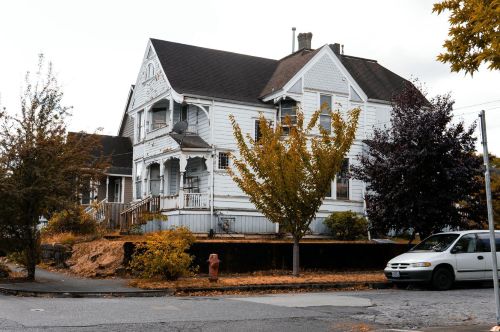
Older homes have a lot of personality. From classic architecture to unique details you rarely see in newer properties, they often feel warmer and more inviting. But as homes age, certain parts of the house start showing wear. Small issues that once seemed harmless can slowly turn into expensive repairs if they are ignored for too long.
The good news is that upgrading an older home does not always mean completely remodeling everything. In many cases, a few smart improvements can make the home safer, more comfortable, and more efficient without taking away its original charm. Whether you recently bought an older property or have lived in the same home for years, focusing on the right upgrades can make a huge difference.
Replacing Old Windows for Better Safety and Efficiency
Windows are one of the first things homeowners notice in aging homes. Older windows often become drafty, difficult to open, and less effective at keeping indoor temperatures comfortable. They can also increase energy bills because air easily escapes through worn frames and weak seals.
Storm Pro Window and Door is one company many homeowners turn to when upgrading older homes with modern, durable windows. Many property owners choose Storm Pro window services because updated impact windows can improve energy efficiency, increase safety, and give the home a cleaner, more updated appearance. Upgrading to modern windows can instantly improve both comfort and efficiency, especially in areas that experience strong storms and harsh weather conditions.
New impact-resistant windows can also help reduce outside noise, lower maintenance needs, and improve long-term home value.
Updating Outdated Electrical Systems
Electrical systems in older homes are often outdated and may struggle to handle modern appliances and technology. Flickering lights, overloaded outlets, and frequently tripped breakers are common signs that the system needs attention.
Older wiring can also create serious safety concerns. Some homes still contain outdated materials that no longer meet current safety standards. Upgrading the electrical system helps reduce fire risks while making the home more functional for everyday life.
Adding more outlets, upgrading the electrical panel, and installing modern lighting are simple improvements that make a big impact. Homeowners should always work with licensed electricians when handling electrical upgrades to ensure everything is installed safely and correctly.
Replacing Old Plumbing Before Problems Start
Plumbing issues are common in older homes, especially if the original pipes are still in place. Aging pipes can corrode over time, leading to leaks, water pressure problems, and hidden water damage behind walls and floors.
Replacing old plumbing before major problems develop can save homeowners a lot of stress and money later. Modern plumbing systems are more durable, more efficient, and less likely to develop leaks.
Many homeowners also choose to upgrade fixtures at the same time. Water-saving faucets, showerheads, and toilets help reduce water usage while giving bathrooms and kitchens a more modern feel.
Improving Insulation and Energy Efficiency
Many older homes were built before modern energy standards existed. As a result, they often lack proper insulation in walls, attics, and crawl spaces. This makes it harder to keep indoor temperatures comfortable throughout the year.
Poor insulation can lead to higher heating and cooling costs because air escapes more easily. Adding insulation is one of the simplest ways to improve energy efficiency without changing the overall appearance of the home.
Sealing air leaks around doors and windows can also make a noticeable difference. Homeowners often find that proper insulation helps rooms feel more comfortable while lowering monthly utility bills.
Strengthening the Roof and Exterior
The roof plays a major role in protecting the entire home. In older properties, roofing materials may begin to weaken after years of exposure to weather, moisture, and sunlight. Missing shingles, leaks, and sagging areas are all warning signs that repairs may be needed.
Updating the roof can help prevent water damage and structural problems. It also gives homeowners peace of mind during heavy storms and severe weather.
Exterior upgrades are equally important. Replacing damaged siding, improving drainage systems, and cleaning or upgrading gutters can help protect the home’s structure while improving curb appeal at the same time.
Modernizing Kitchens Without Losing Character
Kitchens in older homes often have limited storage, outdated layouts, and insufficient lighting. While many homeowners want modern convenience, they also want to preserve the unique character that makes older homes special.
Simple upgrades like better lighting, updated countertops, and energy-efficient appliances can make the kitchen more functional without removing its original charm. Refinishing cabinets instead of replacing them is another popular option for maintaining character while refreshing the space.
Open shelving, improved organization, and better workspace layouts can also make everyday cooking and entertaining much easier.
Bathroom Upgrades That Improve Safety
Bathrooms are another area where older homes often need improvement. Slippery flooring, outdated tubs, and poor ventilation can create both safety and comfort issues over time.
Many homeowners are now focusing on practical bathroom upgrades that improve long-term usability. Walk-in showers, grab bars, non-slip flooring, and brighter lighting all help create a safer space for family members of all ages.
Improving bathroom ventilation is also important because excess moisture can lead to mold and mildew problems. A properly ventilated bathroom feels cleaner, fresher, and more comfortable overall.
Improving Indoor Air Quality
Indoor air quality is something many homeowners overlook, especially in aging homes. Dust buildup, outdated HVAC systems, and hidden moisture problems can all affect the air inside the home.
Replacing air filters regularly and maintaining heating and cooling systems can improve airflow and reduce allergens. Some homeowners also install air purification systems for additional protection.
Humidity control is another important factor, particularly in warmer climates. Excess moisture can encourage mold growth and create uncomfortable living conditions. A well-maintained HVAC system helps keep humidity levels balanced throughout the home. Aging homes can continue to be beautiful, comfortable places to live when they receive the care they need. Focusing on upgrades that improve safety, efficiency, and durability helps homeowners protect their investment while creating a more enjoyable living space. With thoughtful improvements and regular maintenance, older homes can continue serving families for many years to come.
About the Author