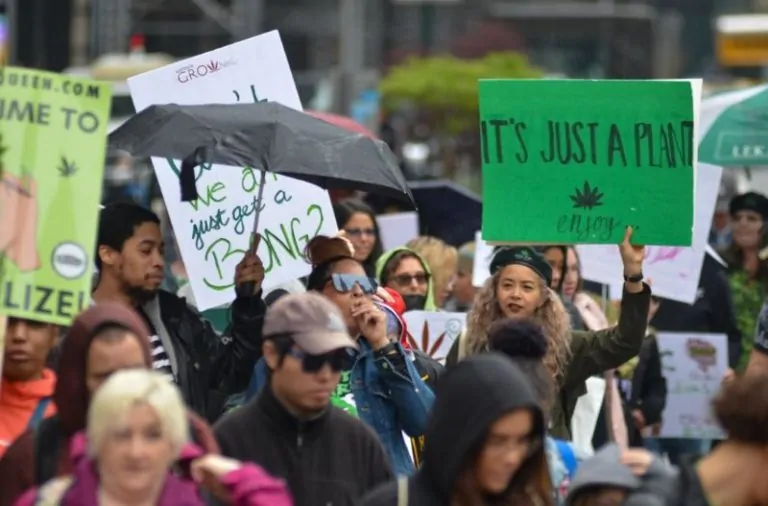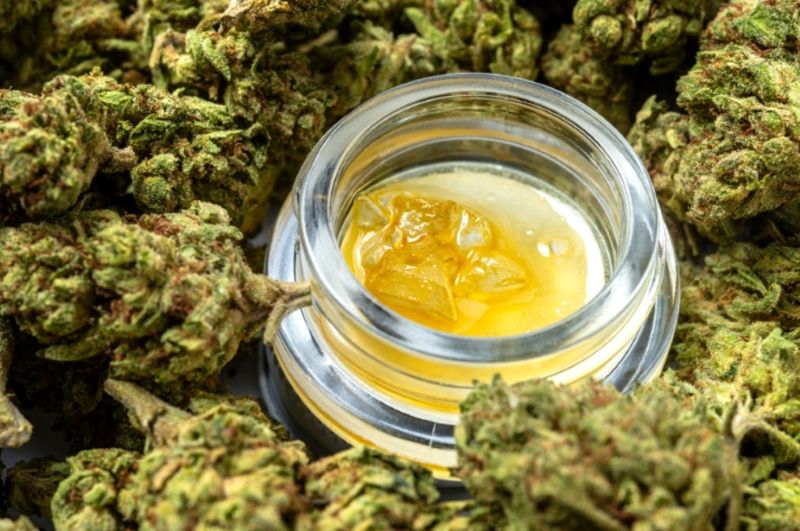
The conversation around cannabis has changed dramatically in recent years. Once viewed primarily through the lens of policy debates or cultural stereotypes, cannabis is now appearing in discussions about wellness, gardening, sustainability, and intentional living.
While opinions and regulations continue to differ across regions, one thing is becoming increasingly clear: the way people think about cannabis reflects broader shifts in lifestyle priorities.
Consumers today are placing greater value on experiences over possessions, quality over quantity, and hobbies that promote mindfulness rather than constant productivity.
Cannabis has become part of this evolving conversation not simply because of the plant itself, but because of the routines and interests surrounding it. Home cultivation, outdoor living, and learning new skills are all examples of how cannabis intersects with wider lifestyle trends.
Rather than representing a single movement, cannabis has become one example of how modern priorities are changing. As more adults seek meaningful ways to spend their time, it offers an interesting lens through which to examine what people increasingly value in everyday life.
A Shift Toward Intentional Living
Many people are rethinking how they spend their free time. Instead of filling every moment with busy schedules or digital distractions, there is growing interest in activities that encourage patience, creativity, and presence.
This broader lifestyle shift can be seen in the popularity of hobbies such as gardening, cooking, hiking, and home improvement. These pursuits reward consistency rather than speed and provide tangible results that develop over time.
Cannabis has naturally become part of this conversation because, where cultivation is legal, growing plants requires the same qualities. Success depends on observation, planning, and regular care rather than instant gratification.
This reflects a wider cultural movement that values experiences capable of creating lasting satisfaction instead of temporary distractions.
Nature Is Becoming Part of Everyday Wellness
Another noticeable lifestyle priority is reconnecting with nature. Whether people live in cities or rural communities, many are making an effort to spend more time outdoors or bring more greenery into their homes.
Gardening has become one of the simplest ways to do this. Caring for plants creates opportunities to slow down, observe seasonal changes, and establish routines that feel rewarding without being overly demanding.
Cannabis cultivation shares many of the same characteristics as growing vegetables, herbs, or flowering plants. Enthusiasts often enjoy learning about different growing conditions, improving their gardening skills, and creating spaces where plants can thrive.
The appeal extends beyond the finished harvest. Many gardeners find satisfaction in the process itself, making plant care an important part of their daily routine.
Consumers Want to Learn, Not Just Buy
One of the biggest changes across many industries is the growing demand for education. Consumers are no longer satisfied with simply purchasing products; they want to understand how things work and make informed decisions.
This trend is evident in gardening communities, where people spend time researching plant varieties, cultivation methods, and growing environments before getting started.
For individuals interested in legal home cultivation, educational resources from Grower’s Choice Seeds help explain the characteristics of different genetics available to growers. Information available through Grower’s Choice Seeds allows prospective gardeners to compare different white cannabis strains and better understand which options may suit their growing goals where cultivation is legally permitted.
This emphasis on learning reflects a larger consumer trend. People increasingly value knowledge alongside the products they choose to purchase.
Modern Lifestyle Priorities Are Centered on Experience
Many of today’s most popular hobbies share something in common: they encourage people to participate rather than simply consume.
Instead of spending all their leisure time scrolling through digital content, more adults are choosing activities that involve creating, growing, building, or learning. Some examples include:
- Gardening: Plant care rewards patience and provides visible progress over time.
- Cooking From Scratch: Preparing meals encourages creativity while helping people become more aware of the ingredients they use.
- Outdoor Recreation: Walking, hiking, and spending time in green spaces offer opportunities to disconnect from technology.
- Home Cultivation: Where legal, growing cannabis combines gardening, education, and hands-on experience into a hobby that develops over months rather than minutes.
These activities share a common theme: they encourage engagement instead of passive consumption.
Cannabis Reflects Broader Cultural Change
The growing interest in cannabis also mirrors changing attitudes toward personal choice and lifestyle flexibility.
People increasingly recognize that wellness and recreation look different for everyone. Rather than following identical routines, individuals are creating habits that reflect their own interests and priorities.
For some, this means joining a community garden. Others may enjoy growing herbs on a windowsill or maintaining flower beds. Those living in regions where cannabis cultivation is legal sometimes expand those gardening interests into cannabis as well.
Brands such as Grower’s Choice Seeds have become part of this evolving landscape by supporting people who want to learn more about legal cultivation while making informed decisions about the varieties they choose to grow.
The broader story, however, is not about one particular plant. It is about a growing appreciation for hobbies that encourage learning, patience, and meaningful engagement with everyday life.
Looking Ahead
Lifestyle priorities will continue to evolve as people rethink what balance means in an increasingly connected world. Experiences that promote creativity, time outdoors, and lifelong learning are likely to remain attractive because they offer something that fast-paced digital habits often cannot: sustained engagement.
Cannabis fits within this wider movement because it intersects with gardening, education, wellness, and personal responsibility. Rather than existing in isolation, it has become one part of a larger conversation about how people choose to spend their time and what they value most.
As attitudes continue to shift, the discussion surrounding cannabis is likely to remain focused not only on policy or products but also on the everyday experiences that shape modern lifestyles.
Conclusion
The changing conversation around cannabis reflects much broader changes in society. People are increasingly prioritizing meaningful experiences, practical skills, time in nature, and hobbies that encourage mindfulness rather than constant stimulation.
Whether through gardening, learning about cultivation, or embracing slower-paced activities, many adults are choosing experiences that feel more intentional and personally rewarding.
Ultimately, cannabis serves as a useful example of how lifestyle priorities continue to evolve. As individuals seek greater balance and authenticity in their daily lives, hobbies rooted in learning, creativity, and connection with the natural world are likely to remain an important part of that journey.
About the Author