With your baby approaching their first birthday, a very common question arises — when to stop feeding formula? For most infants, 12 months after birth it is an appropriate time because at this point solid food becomes the main source of nutrition and formula should no longer be given as the primary drink. According to the CDC, at 12 months you can start transitioning from infant formula to whole cow’s milk or fortified unsweetened soy milk, typically gradually.
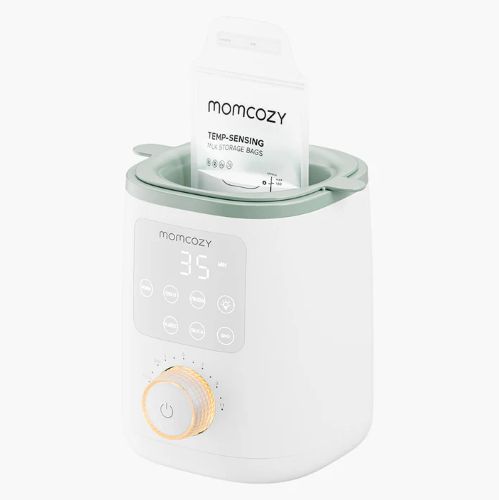
This shift need not feel hurried. A slow and gentle approach often is the most effective one here for baby as well as the parent. At this stage, the Momcozy Nutri Smart Analog Baby Bottle Warmer is a great aid for warming formula or milk while you go about weaning one bottle after another.
When to Stop Feeding Formula
The short answer to the question is that most babies are done with infant formula by 12 months.
At this age, your baby has typically moved on to three meals alongside a full day of grazing and some formula feeding so (thankfully) most calories are now coming from food. Formula can then convert with:
- Whole cow’s milk
- Fortified unsweetened soy milk
- Water with meals
- Balanced solid foods
It is always easier to do it gradually than stop instantly. So you may swap a daytime formula bottle for milk in a cup, say for several days, before ditching another.
For this phase, using the Momcozy Baby Bottle Warmer can be helpful as it warms both formula or milk to a baby-friendly temperature that makes the new drink feel familiar and natural.
Signs Your Baby Is Ready to Wean
Age is one thing, but the habits of your baby matter as well. These are the most obvious signs that your child is ready.
1. Eating solids well
Your baby is happily eating:
- Breakfast
- Lunch
- Dinner
- 1-2 snacks
They seem satisfied after meals and are naturally taking less formula.
2. Drinking from a cup
If your baby can sip from:
- a straw cup
- a sippy cup
- an open cup
they are likely ready to move away from bottles.
3. Less interest in bottles
Some babies start leaving milk unfinished or become distracted during bottle feeds.
4. Reaching 12 months
Even if they still enjoy bottles, this is the usual age to begin weaning.
A good rule is to follow both age and feeding behavior together.
Transitioning from Formula to Solid Foods
The best transition is smooth and steady.
Here’s a simple feeding balance around the first year:
| Age | Main Nutrition Source | Formula Role |
| 6–9 months | Formula + early solids | Main nutrition |
| 9–12 months | Formula + larger meals | Still important |
| 12+ months | Solid foods + milk | Can begin stopping |
By 12 months, aim for meals that include:
- protein (egg, chicken, tofu, beans)
- healthy fats (avocado, yogurt, cheese)
- fruits
- vegetables
- grains
At this point, formula becomes more of a habit than a nutritional need.
To make the switch easier, some parents offer warmed whole milk using the Momcozy Nutri Smart Analog Baby Bottle Warmer so the taste and temperature feel close to the old bottle routine.
Tips for Gradually Reducing Formula Intake
A slow reduction usually leads to fewer tears and less resistance.
Start with daytime bottles
The midday bottle is often the easiest one to remove because your baby is busy with play and meals.
Replace one bottle every 3-5 days
This gives your baby time to adjust.
A simple order:
- midday bottle
- afternoon bottle
- morning bottle
- bedtime bottle last
Offer food first
Try solids before milk during meal times so food becomes the priority.
Switch bottle to cup
Instead of stopping milk completely, change how it is served.
Keep comforting routines
If bedtime formula is hard to drop, keep the cozy routine:
- warm milk
- cuddles
- story time
- soft lights
The Momcozy Nutri Smart Analog Baby Bottle Warmer fits nicely here because the comforting warmth can stay part of the bedtime habit even after formula is gone.
Common Challenges When Stopping Formula
Even when the timing is right, this stage can come with a few bumps.
Baby refuses milk
Some babies dislike the taste of whole milk at first.
Try:
- mixing 75% formula + 25% milk
- then 50/50
- then 25/75
- then full milk
Bedtime bottle attachment
This is often emotional, not hunger-related. Keep the bedtime comfort, but slowly reduce the ounces.
Eating less solids
Sometimes babies drink too much formula and stay too full for meals. Reducing formula can actually improve appetite for food.
Constipation after switching
A milk change can sometimes slow digestion.
Help with:
- water
- pears
- prunes
- peaches
- fiber-rich foods
Parent worry
Most parents are afraid their child is getting insufficient nutrition. That is expected for an infant going through the first days of weaning.
The key to remember is to look at long term and not just one meal.
When to Consult a Pediatrician About Weaning
While most babies adjust successfully, there are situations in which seeking help from your pediatrician is a good idea.
Reach out if your baby:
- is under 12 months and refusing formula
- is not gaining weight well
- refuses most solid foods
- has food allergies that limit diet choices
- has frequent vomiting or diarrhea
- seems unusually tired after feeds
- still depends on many bottles well past 12-15 months
This is key for early-born babies and those with growth issues.
A pediatrician can help evaluate whether your baby is really ready for this stage or if you need to give it more time.
Conclusion
The timing for when to stop feeding formula is less based on a set date and more about your baby’s development. 12 months is the prime time to start your little one on solids as, by this age, solids should supply most of their nutritional needs.
Take it slow, consider replacing one bottle at a time and have familiar comforts in place. Serving warm milk in a cup using the Momcozy Nutri Smart Analog Baby Bottle Warmer helps it feel less, well, new.
It is not for perfection in one day. And slowly guide your baby from formula to family meals, step by step.
About the Author