A travel mug often goes where its owner goes. It might sit in the car’s cup holder during the morning commute, rest beside a laptop at work or come along on a weekend drive. Unlike items used for a single occasion, a good travel mug can become part of someone’s regular routine.
For businesses, promotional travel mugs offer a way to put their name on an item people may carry well beyond the office. The appeal lies in everyday usefulness. When a mug earns a place in someone’s bag or car, the branding can travel with it, appearing in settings that have little to do with the original handout.
A Place in the Daily Routine
Many people buy a coffee on the way to work or prepare a drink at home before leaving. A travel mug fits neatly into either habit. It gives people a familiar container to reach for, whether they are heading to the office, taking a train or spending the day on the road.
That regular use gives the item practical value beyond its appearance. Someone who uses a mug several times a week has a reason to keep it close. A product that sits unused in a cupboard, by contrast, has fewer chances to be seen.
The branding may catch the owner’s eye during these everyday moments, too. However, the main reason to keep the mug should be that it works well. A logo alone won’t make an inconvenient or poorly made product part of anyone’s routine.
The Brand Can Travel Beyond the Workplace
A travel mug doesn’t have to stay on an employee’s desk. It may appear in a café, on public transport, at a university library or beside a seat at a weekend sporting event. Each setting creates another opportunity for someone to notice the business name.
This visibility differs from branding that remains within an office or shop. A mug carried throughout the day can reach people who have never visited the company’s website or spoken to its staff.
Of course, seeing a logo doesn’t automatically lead to recognition or a purchase. Some people may barely notice it. Others might remember the name after several encounters. The useful point is that a portable item can take branding into ordinary public settings without requiring a separate advertising placement each time.
Insulation Makes a Difference
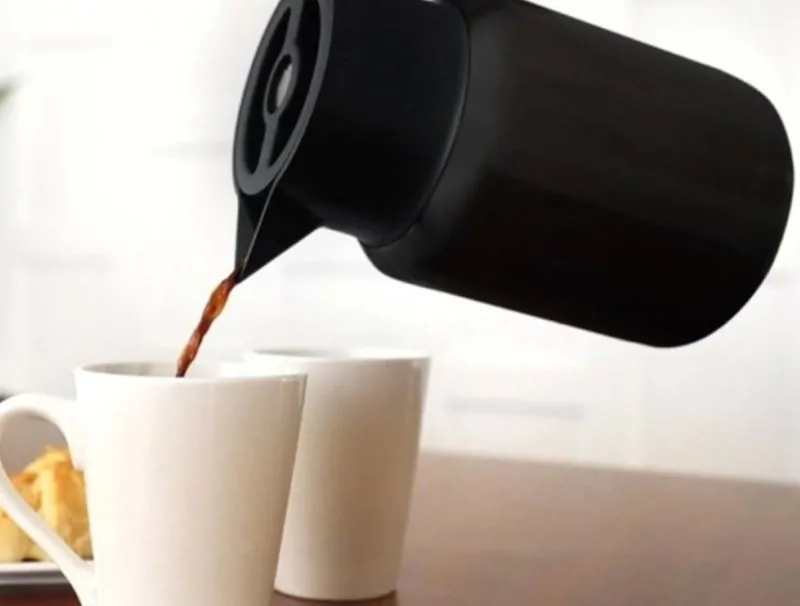
A travel mug needs to do its main job properly: hold a drink and help keep it at a suitable temperature. Insulated designs can help hot drinks stay warm and cold drinks remain cool for longer, although performance varies by construction and use.
This matters during a long commute or a busy morning when someone cannot finish a drink straight away. A mug that loses heat quickly may be less appealing for regular use. The same applies to cold drinks on warm days.
Businesses should consider the mug’s intended use rather than assuming every design offers the same performance. A person who carries coffee for a short drive may have different needs from someone who spends hours travelling between appointments.
Useful Beyond the Morning Coffee
Travel mugs aren’t limited to coffee drinkers. People may use them for tea, warm water or other drinks suited to the container. That flexibility can make them useful across different routines and seasons.
Someone might take a mug to an early appointment, use it during a road trip or keep it nearby while studying. The settings will vary, but the common factor is convenience. A container that suits several situations has more opportunities to remain in regular use.
Businesses should also remember that a travel mug is not suitable for every drink or every environment. Users need to follow the manufacturer’s instructions, particularly when handling hot liquids or cleaning insulated containers.
Everyday Use Gives the Item Its Value
Travel mugs offer a practical way to carry a business name into daily life. Their portability allows them to move between home, work and public places, while their usefulness gives people a reason to keep reaching for them.
The strongest value comes from the combination of function and convenience. A mug that holds its temperature, fits comfortably into a routine and is easy to maintain has a better chance of staying in use. Any brand exposure follows from that usefulness; it shouldn’t be treated as a guaranteed result.
For businesses, that is the point worth remembering. An item that people genuinely use can keep a brand present in ordinary moments long after the original distribution.
About the Author