Technology has a habit of making everyday tasks more convenient, but not every smart device deserves a place in your home. Some gadgets promise impressive features without solving any real problems, while others quietly save time, improve comfort and make daily routines less frustrating. The trick is choosing upgrades that suit how you actually live rather than filling your house with unnecessary technology. Whether you’re looking to improve security, reduce energy bills or simplify household chores, a few practical additions can make a noticeable difference without requiring a complete home renovation.
1. Smarter Ways to Manage Your Front Door
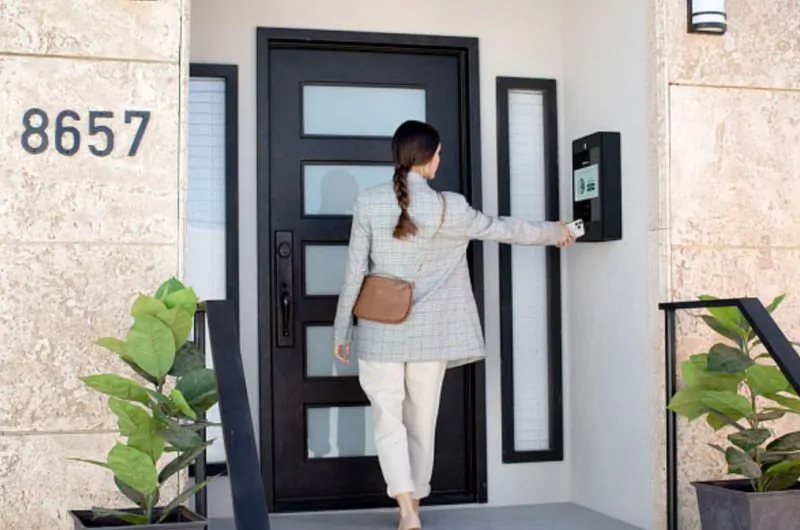
Answering the door isn’t always convenient, particularly when you’re working from home, looking after children or expecting a delivery. Smart entrance technology can make managing visitors considerably easier.
A video intercom system allows occupants to see and communicate with visitors before deciding whether to grant access. Depending on the model, some systems also offer smartphone connectivity, making them useful for larger properties or homes with gated entrances.
Before choosing equipment, consider installation requirements, connectivity and whether the features genuinely suit your household.
2. Lighting That Works Around Your Routine
Smart lighting offers more than the ability to change colours using your phone. Programmable bulbs and switches can help create a more comfortable home while reducing the inconvenience of manually controlling every light.
For example, you could schedule hallway lights to switch on before you arrive home or gradually dim bedroom lighting in the evening. Motion-activated lighting is particularly useful in corridors, stairways and entrances where reaching for a switch isn’t always practical.
Many systems also work with voice assistants, although simple automated schedules are often enough.
3. Heating Controls That Reduce Unnecessary Waste
Heating an empty house isn’t particularly efficient, especially during colder months. Smart thermostats allow homeowners to adjust temperatures remotely and create schedules around their usual routines.
Some models can learn household patterns or work with additional sensors to manage temperatures in different areas. However, their effectiveness depends on the existing heating system, insulation and how they’re configured.
Rather than expecting dramatic savings overnight, focus on maintaining comfortable temperatures without heating rooms unnecessarily.
4. Small Devices That Help Prevent Bigger Problems
Not every worthwhile technology upgrade is something you’ll interact with daily. Smart water leak detectors, for instance, can provide alerts when moisture is detected near washing machines, sinks or vulnerable pipework.
These devices won’t prevent every plumbing problem, but an early warning could help you investigate a leak before it causes extensive damage.
Connected smoke alarms and carbon monoxide detectors may also offer additional notification features, provided they’re properly installed and meet relevant safety standards.
5. Making Household Chores Less Time-Consuming
Robot vacuum cleaners have become increasingly practical for routine floor maintenance. Many models can follow cleaning schedules, navigate furniture and return to their charging stations automatically.
They won’t completely replace traditional cleaning, particularly in homes with stairs or difficult corners, but they can reduce the amount of everyday effort required.
The best smart home upgrades aren’t necessarily the newest or most expensive. They’re the ones that fit naturally into your routine, solve recurring frustrations and leave you with more time for everything else.
About the Author