Early modern wars strained fragile energy systems, driving fuel shortages and price spikes in timber, charcoal, and coal as armies and navies consumed vast resources.

By Matthew A. McIntosh
Public Historian
Brewminate
Introduction: War, Energy, and the Early Modern Economy
In the early modern world, energy systems were fundamentally different from those of the modern industrial age, yet they were no less central to economic stability and military power. Rather than oil, gas, or electricity, early modern societies relied primarily on organic energy sources such as wood, charcoal, animal power, and, increasingly in some regions, coal. These fuels powered nearly every aspect of economic life. Wood heated homes, fueled bakeries and breweries, and served as the primary material for construction. Charcoal drove metallurgical industries that produced iron tools, cannon, and munitions. Timber formed the structural backbone of ships, wagons, fortifications, and urban buildings. The availability of these fuels shaped the limits of economic activity itself. Communities required steady access to nearby forests or fuel markets in order to maintain daily life, while industries depended on large and reliable supplies of combustible material. Because these resources were both essential and geographically unevenly distributed, disruptions to their supply could produce dramatic economic consequences, affecting not only local economies but also regional trade networks that linked forests, mines, and cities.
Warfare placed extraordinary pressure on these already fragile energy systems. Armies consumed vast quantities of fuel for cooking, heating, transport, and industrial production. Naval warfare was particularly demanding, as the construction and maintenance of fleets required immense quantities of timber as well as pitch, tar, and charcoal for associated industries. Military campaigns frequently disrupted the networks that transported these materials from forests, mines, and rural regions to urban markets. Trade routes could be blockaded, transport infrastructure destroyed, and production zones depopulated by fighting. The combination of rising demand and interrupted supply often produced sudden spikes in the prices of fuel and related commodities.
These dynamics were especially pronounced between the sixteenth and eighteenth centuries, when European states increasingly mobilized large standing armies and permanent navies. The fiscal-military state depended on continuous flows of resources, including enormous quantities of wood and charcoal for shipbuilding, fortifications, and weapons manufacturing. Naval expansion intensified competition for high-quality timber, particularly oak and pine suitable for ship construction. In some cases, a single warship required thousands of mature trees, placing enormous strain on forest resources that were already under pressure from civilian construction and industry. Governments increasingly attempted to regulate forests and control timber supplies to ensure the availability of strategic materials for naval construction. Growing urban populations and expanding industries were already placing heavy pressure on forests and fuel supplies. Warfare interacted with existing structural strains in early modern economies, transforming localized shortages into wider regional crises.
Energy scarcity during wartime did not merely create temporary inconveniences. In many cases it reshaped economic development itself. The depletion of forests and the rising cost of firewood encouraged the gradual transition toward alternative fuels such as coal, particularly in Britain. Wartime disruptions to shipping lanes, mining operations, and timber trade routes repeatedly demonstrated how vulnerable early modern economies were to shocks in energy supply. Understanding the relationship between warfare and fuel scarcity provides an important lens for examining price volatility, industrial transformation, and the broader economic consequences of military conflict in the early modern period.
Timber Empires: Naval Warfare and the Military Demand for Wood
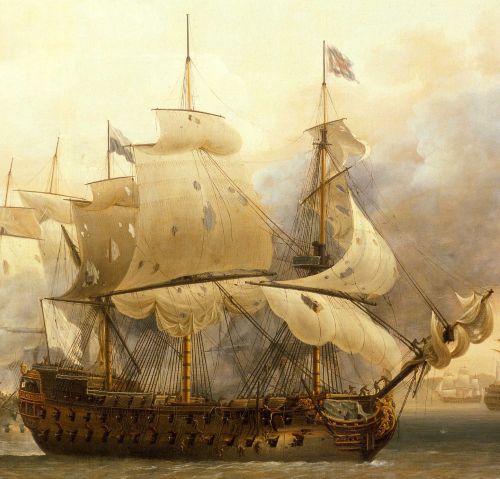
Naval warfare in the early modern period placed extraordinary pressure on Europe’s forest resources. Warships were constructed almost entirely from timber, and the scale of naval expansion between the sixteenth and eighteenth centuries required vast quantities of wood. The hulls, masts, decks, and internal framing of ships demanded large, mature trees that had grown for decades or even centuries. A single ship-of-the-line could require thousands of oak trees, while the construction of entire fleets consumed forests across wide regions. Because maritime power increasingly determined geopolitical influence, states invested heavily in naval expansion, transforming timber from a common building material into a strategic resource essential for military competition.
The demand for shipbuilding timber was not limited to hull construction alone. Naval warfare also required large quantities of additional wooden materials for docks, warehouses, fortifications, and transport infrastructure. Shipyards themselves consumed enormous volumes of wood in scaffolding, slipways, and repair facilities. In addition, fleets required constant maintenance. Wooden ships deteriorated rapidly in harsh maritime environments and required frequent replacement of planking, spars, and masts. As a result, naval powers such as England, France, Spain, and the Dutch Republic faced a persistent need for timber even during periods of relative peace, while wartime mobilization dramatically intensified these pressures.
Competition for suitable forests became an important element of early modern state policy. Governments sought to secure access to reliable timber supplies by regulating domestic forests and establishing strategic reserves. In some cases, monarchies designated specific woodlands for naval use, restricting civilian access to ensure that valuable oak and pine trees would remain available for shipbuilding. These policies reflected the growing recognition that timber supplies could determine the long-term viability of naval power. Without sufficient access to large, straight trees suitable for masts and hull construction, even wealthy states could struggle to maintain effective fleets. As a result, early modern governments increasingly developed administrative systems to monitor forest resources, regulate logging practices, and protect valuable timber stands from overexploitation. Royal forest officials, surveyors, and naval administrators often inspected woodland regions to identify trees suitable for future ship construction. In some cases, governments even attempted to encourage the deliberate cultivation of oak forests intended for naval use, recognizing that the long growth cycle of these trees required long-term planning if future fleets were to be sustained.
The scarcity of high-quality timber also pushed maritime powers to rely increasingly on international trade. Northern and eastern Europe possessed extensive forest resources, particularly in the Baltic region, where Sweden, Poland-Lithuania, and Russia exported timber, tar, pitch, and other naval stores. Western European naval powers depended heavily on these imports to supplement their own diminishing forests. The flow of Baltic timber became a crucial element of European maritime strategy. When wars disrupted these trade routes, shipbuilding costs could rise sharply, and naval construction programs faced serious delays.
As naval warfare expanded, the economic consequences of this timber demand became increasingly visible. Forest depletion raised the cost of wood not only for shipbuilding but also for construction, heating, and industry. Communities located near major shipyards often experienced particularly sharp price increases as naval procurement absorbed large portions of the available timber supply. The strategic importance of wood reshaped both environmental landscapes and market conditions across early modern Europe. Naval warfare contributed directly to rising fuel and construction costs, demonstrating how military competition could transform a basic natural resource into one of the most economically consequential commodities of the early modern world.
The Baltic Resource Wars: Timber, Pitch, and Northern European Trade
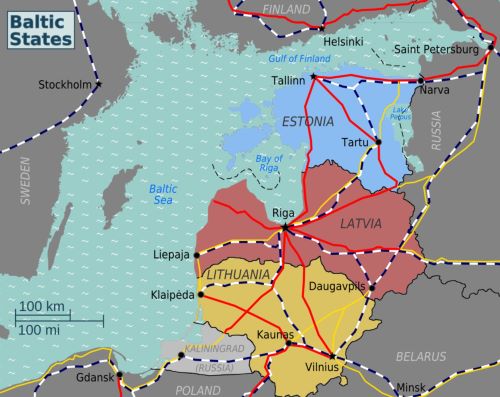
Throughout the early modern period, the Baltic region functioned as one of Europe’s most important sources of naval resources. The vast forests of Scandinavia and eastern Europe supplied the timber, tar, and pitch required to build and maintain fleets across the continent. These materials, collectively known as naval stores, were indispensable for maritime warfare. Timber formed the structure of ships, while tar and pitch sealed hulls and protected rigging from rot and seawater. Because many western European forests had already been heavily exploited, maritime powers such as England and the Dutch Republic became increasingly dependent on Baltic exports to sustain their naval ambitions. The scale of this dependency reflected both environmental pressures in western Europe and the strategic importance of naval warfare in early modern geopolitics. As maritime empires expanded and naval fleets grew larger, the demand for these materials intensified, transforming Baltic forests into critical components of European military infrastructure.
This trade developed into a complex commercial network linking northern forests with western shipyards. Timber was felled deep in Scandinavian and Baltic forests, transported along rivers to ports, and shipped across the Baltic Sea to major trading centers such as Amsterdam and London. Merchants played a crucial role in coordinating this supply chain, financing shipments and organizing the transport of bulky and difficult-to-move materials. By the seventeenth century, the Baltic trade had become a central component of northern European commerce, supporting both civilian industries and the rapidly expanding naval fleets of competing states.
Frequent warfare in the Baltic region repeatedly threatened the stability of this resource network. Conflicts involving Sweden, Denmark, Poland-Lithuania, and Russia disrupted shipping routes and sometimes restricted access to crucial ports. Naval battles and blockades could interrupt the movement of timber and naval stores for months at a time, while military campaigns on land sometimes damaged forest regions and transport routes. These disruptions created shortages in western European markets that depended heavily on Baltic supplies. As shipments declined or became more difficult to secure, the prices of timber, pitch, and tar often rose sharply. Because shipbuilding programs in western Europe depended on predictable deliveries of these materials, even temporary interruptions could delay naval construction and increase costs across entire fleets. In this way, regional conflicts in northern Europe often produced economic consequences that extended far beyond the immediate theaters of war.
The strategic importance of Baltic resources also shaped the geopolitical priorities of early modern states. Maritime powers sought to maintain favorable access to Baltic trade routes and to prevent rival nations from monopolizing the region’s forests. Control of key ports and shipping lanes became closely tied to naval strategy. Governments and merchants alike understood that access to these resources could determine whether fleets could be built, repaired, and supplied during wartime. As a result, the Baltic trade became not only an economic lifeline but also a strategic concern within the broader conflicts that defined early modern European politics. Diplomatic negotiations, naval patrols, and commercial treaties were often shaped by the desire to preserve access to Baltic timber and naval stores. The forests of northern Europe were deeply embedded within the strategic calculations of early modern states seeking to maintain maritime dominance.
These recurring disruptions demonstrate how warfare could transform regional resource markets into sources of wider economic instability. When conflicts interrupted Baltic exports, the resulting shortages reverberated across shipyards and commercial centers throughout Europe. Shipbuilding slowed, maintenance costs rose, and the price of fuel and construction materials increased in distant markets. In this way, the wars of northern Europe did not merely affect the states directly involved in fighting. They reshaped the availability and cost of critical energy resources across the entire maritime economy of early modern Europe.
The English Fuel Crisis: War, Deforestation, and the Rise of Coal
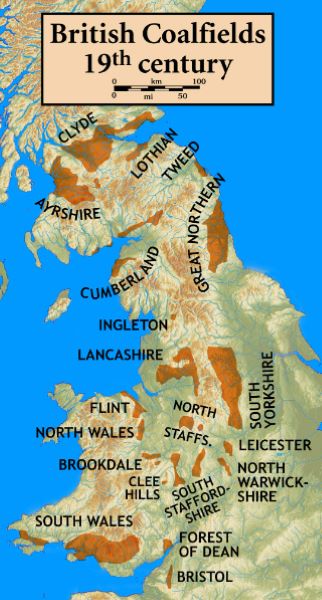
By the sixteenth century, England was already experiencing mounting pressure on its traditional fuel supplies. For centuries, wood had served as the primary source of heat and industrial energy throughout the country. Firewood warmed homes, fueled bakeries and breweries, and supplied the charcoal necessary for iron production and other industries. Yet England’s expanding population and growing urban centers dramatically increased demand for these resources. As forests were cleared for agriculture, construction, and industry, the availability of wood declined while its price steadily rose. This developing imbalance between supply and demand created what historians have described as an early modern fuel crisis, one that increasingly shaped the economic landscape of England. The pressure on woodland resources was not merely an environmental issue but also an economic one. As accessible forests were depleted, wood had to be transported from more distant regions, increasing costs and making fuel less affordable for ordinary households. By the late sixteenth century, the rising price of firewood had become a persistent concern in urban markets, signaling deeper structural changes within England’s energy economy.
The situation was particularly acute in London, which by the late sixteenth century had become one of the largest cities in Europe. The capital’s rapidly growing population required enormous quantities of fuel for heating and cooking, as well as for the industries clustered within and around the city. Traditional sources of firewood from nearby forests were quickly depleted, forcing merchants to obtain fuel from increasingly distant regions. Timber and firewood that had once been gathered relatively close to the capital now had to be transported from the Midlands or other remote areas, raising both logistical challenges and economic costs. As transport costs rose and supplies tightened, the price of firewood increased dramatically. Contemporary records indicate that the cost of firewood multiplied several times over the course of the sixteenth and early seventeenth centuries, placing significant strain on both households and urban industries. The burden was felt especially by poorer residents, for whom heating fuel represented a substantial portion of household expenses during the winter months.
Wartime demand intensified these existing pressures. England’s frequent military conflicts during the early modern period required vast quantities of timber and charcoal for shipbuilding, fortifications, and weapons production. Naval expansion was particularly demanding, as fleets required continuous supplies of high-quality timber for construction and repair. Charcoal was essential for ironworks producing cannon, shot, and other military equipment. These industries consumed large volumes of wood, accelerating deforestation and further constricting the availability of fuel for civilian use. As military demand absorbed increasing shares of forest resources, the prices of both timber and firewood continued to rise.
The economic consequences of these shortages extended beyond simple price increases. As wood became more expensive and harder to obtain, households and industries began to seek alternative sources of fuel. Coal, which had been used in limited quantities for centuries, emerged as a practical substitute in many urban areas. Coal deposits in northeastern England provided a relatively abundant energy source, and improvements in mining and transportation gradually expanded its availability. Merchants organized regular shipments of coal from ports such as Newcastle to London and other urban centers, creating a new energy supply network that partially relieved pressure on dwindling forest resources. River transport and coastal shipping made it possible to move large quantities of coal relatively efficiently, allowing urban markets to access fuel sources far from the forests that had previously sustained them. This growing coal trade began to reshape England’s entire fuel economy.
The shift toward coal was not immediate or universally welcomed. Early modern consumers often disliked coal because of its smoke, odor, and unfamiliar burning characteristics. Nevertheless, the economic realities of rising firewood prices and expanding urban demand made coal increasingly attractive. By the seventeenth century, coal had become the dominant heating fuel in London, marking a significant transformation in the country’s energy system. This transition represented more than a simple substitution of fuels. It marked a structural shift that would later support the industrial expansion of Britain in the eighteenth century.
The English fuel crisis illustrates how warfare, environmental pressure, and economic change interacted to reshape early modern energy markets. Military demand accelerated the depletion of forests already strained by population growth and urbanization, driving prices upward and forcing adaptation within both households and industry. The gradual adoption of coal in response to these pressures demonstrates how resource scarcity could stimulate technological and economic transformation. The fuel shortages of early modern England reveal the complex relationship between war, resource consumption, and long-term shifts in energy use.
Blockade Economies: The English Civil War and the Newcastle Coal Crisis
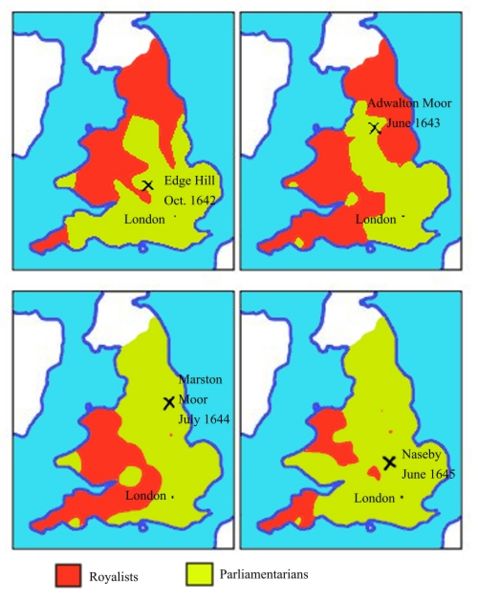
The English Civil War (1642–1651) revealed how vulnerable early modern energy systems could be to wartime disruption. By the mid-seventeenth century, London had become heavily dependent on coal shipped from the coalfields of northeastern England, particularly those around Newcastle upon Tyne. Coal transported along coastal routes supplied the capital with the fuel required for heating, cooking, and a wide range of urban industries. This maritime supply chain was so central to London’s economy that even temporary interruptions could create immediate shortages. When civil war broke out between Royalist and Parliamentary forces, control of the Newcastle coal trade quickly became a strategic objective with significant economic consequences.
At the beginning of the conflict, Newcastle remained largely under Royalist control, allowing the crown to maintain influence over the region’s coal exports. Parliament recognized that denying London access to this fuel supply could produce serious economic and political pressures. As a result, naval forces associated with Parliament moved to disrupt shipping along the northeast coast and restrict coal deliveries from the Tyne to the capital. These actions effectively created a blockade of the coal trade, cutting off the primary energy source for England’s largest city.
The immediate impact of this disruption was a dramatic rise in coal prices in London. With shipments reduced or halted entirely, merchants and households competed for the limited supplies that remained in urban markets. Coal that normally arrived in steady quantities suddenly became scarce, and prices rose sharply as demand outpaced supply. Contemporary accounts describe growing concern among London residents about the difficulty of obtaining fuel during the winter months, when coal consumption was highest. For many households, the rising cost of coal placed heating and cooking fuel increasingly out of reach. The scarcity also encouraged hoarding among merchants and wealthier households who attempted to secure reserves before supplies disappeared entirely. As inventories declined, speculation and panic purchasing further intensified price volatility in London’s markets. The resulting fuel shortage demonstrated how quickly urban economies could be destabilized when essential energy supplies were interrupted.
Industrial activity also suffered from the disruption of coal supplies. Many urban industries relied on coal as a relatively cheap and efficient fuel source, particularly those involved in brewing, metalworking, and manufacturing. When supplies tightened, these industries faced rising production costs and intermittent shutdowns. The coal crisis affected not only domestic life but also the broader economic functioning of the capital. Wartime interference with energy transport demonstrated how closely London’s economy depended on stable access to regional fuel resources.
The Newcastle coal crisis illustrates the broader relationship between warfare and price shocks in early modern energy markets. Military conflict did not need to destroy forests or mines directly in order to produce shortages. Simply disrupting the transport networks that carried fuel to urban markets could trigger rapid price increases and economic distress. In the case of the English Civil War, naval blockades transformed coal into a strategic commodity whose scarcity affected both civilian life and industrial production. The episode highlights how wartime control over supply routes could generate severe economic consequences far beyond the immediate battlefield.
Continental War and Resource Mobilization: Energy Markets during the Napoleonic Wars

The Napoleonic Wars (1803–1815) represented one of the most extensive periods of sustained warfare in early modern European history, and their economic consequences extended deeply into energy markets. The mobilization of massive armies and fleets required enormous quantities of fuel and raw materials. Timber was needed for ship construction, transport wagons, and military infrastructure, while charcoal remained essential for ironworks producing weapons, cannon, and ammunition. As governments diverted resources toward military production, the demand for these fuels increased sharply, placing pressure on already strained supply systems.
Naval competition played a particularly important role in driving resource consumption during this period. Britain and France both expanded their fleets dramatically, requiring continuous supplies of timber for new ships as well as for repairs to vessels damaged in combat. Shipbuilding yards operated at high capacity throughout the wars, consuming forests and drawing heavily on international supplies of naval stores. The scale of naval construction during this era meant that timber and associated materials became increasingly strategic commodities. Large warships required enormous quantities of mature timber, particularly oak for hull construction and tall, straight pine for masts and spars. The search for suitable trees extended across Europe and into colonial territories, as governments attempted to secure the resources necessary to sustain naval power. As demand rose, the prices of wood and related materials often increased across European markets, affecting not only naval construction but also civilian industries that relied on the same resources.
Napoleon’s Continental System introduced a major disruption to European trade networks. Beginning in 1806, Napoleon attempted to impose a blockade that prohibited European states under French influence from trading with Britain. The policy aimed to weaken the British economy by restricting its access to continental markets and resources. In practice, however, the system disrupted commercial exchange across much of Europe. Maritime trade declined, shipping routes were altered or restricted, and the movement of many commodities, including fuel resources, became more difficult and expensive.
These disruptions affected the supply of timber, charcoal, and other materials used in both industry and warfare. Regions that had previously relied on imported resources suddenly faced shortages when blockades interfered with established trade routes. In some areas, governments attempted to compensate by increasing domestic extraction of forest resources or redirecting production toward military needs. Such measures, however, often intensified local scarcity. Forest regions that were already under pressure experienced accelerated depletion, while industries competing with military supply chains found it more difficult to obtain necessary fuel. Smuggling and illicit trade emerged as attempts to circumvent the restrictions imposed by the Continental System, illustrating how deeply European economies depended on the continued movement of essential commodities. Even with these efforts, however, disruptions to shipping and commerce frequently produced shortages that contributed to rising prices across wartime markets.
The economic effects of these pressures were visible in rising production costs throughout wartime Europe. Ironworks producing weapons and ammunition required large amounts of charcoal, and shortages could slow output or increase prices. Shipyards and military construction projects absorbed large quantities of timber, leaving less available for civilian building and heating. As a result, wartime mobilization often produced a ripple effect across the broader economy. Even sectors not directly involved in military production felt the impact of rising fuel costs and disrupted supply chains.
The Napoleonic Wars demonstrate how large-scale military conflict could reshape energy markets across entire regions. By combining massive resource demand with trade disruptions created by blockades, the wars produced conditions in which fuel scarcity and rising prices became common features of the wartime economy. These pressures revealed the dependence of early modern industrial and military systems on stable supplies of timber and charcoal. The economic strain placed on energy resources during the Napoleonic era highlights the broader relationship between warfare, resource mobilization, and price instability in the early modern world.
War in the American Colonies: Fuel Shortages during the Revolutionary War
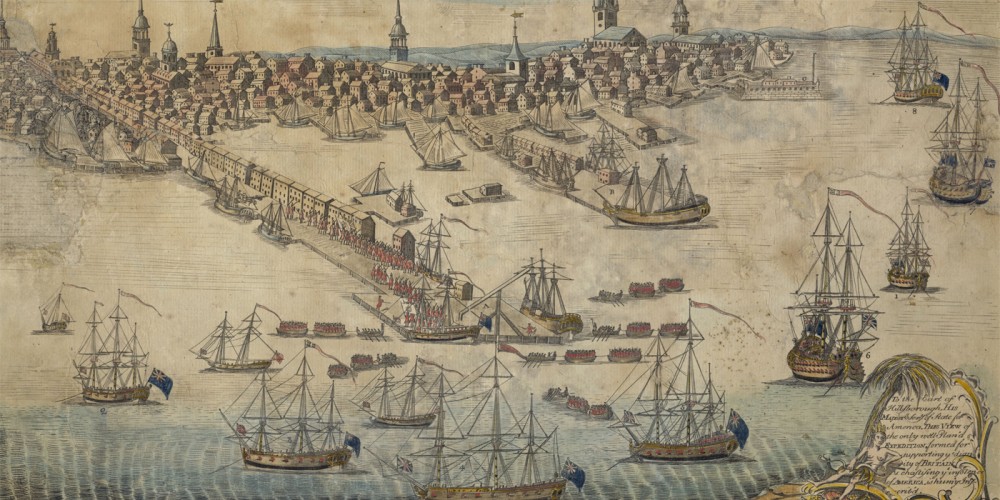
The American Revolutionary War (1775–1783) placed enormous logistical strain on the fragile resource systems of the North American colonies. Military campaigns required large quantities of basic materials that were essential not only for warfare but also for everyday survival. Among the most critical of these resources was firewood. Wood served as the primary fuel for heating, cooking, and military camp life, particularly during the harsh winters experienced by Continental Army forces. Although North America possessed extensive forests, the realities of wartime movement, disrupted agriculture, and transportation difficulties often produced severe local shortages.
Military encampments placed especially heavy demands on surrounding landscapes. Large concentrations of soldiers required constant supplies of fuel for cooking food, boiling water, and heating tents or makeshift shelters. During winter campaigns, these demands increased dramatically. Thousands of soldiers cutting wood daily could quickly strip nearby forests of usable fuel. Once the immediate surroundings of a camp had been exhausted, soldiers were forced to travel farther distances to obtain wood, increasing labor demands and reducing the time available for other military tasks.
The problem became particularly acute during the winter encampments of the Continental Army. Harsh weather conditions created a constant need for firewood to prevent freezing and illness among troops already suffering from shortages of clothing and food. Contemporary correspondence from military leaders reveals persistent concern about the availability of fuel. George Washington himself warned that without adequate supplies of firewood, the army might be forced to burn fences, orchards, and even nearby buildings simply to survive the winter. Such conditions illustrated the fragile balance between military necessity and the limited logistical capabilities of the revolutionary forces.
Fuel shortages were often intensified by the broader disruptions created by the war itself. Agricultural production declined in many regions as farms were abandoned, destroyed, or redirected toward military supply. Transportation networks were unreliable, making it difficult to move resources from areas of abundance to areas of need. British and American forces both relied heavily on local requisitioning, seizing supplies from nearby communities to sustain their armies. These practices frequently stripped rural regions of wood and other resources that local populations depended upon for their own survival.
The resulting scarcity had economic as well as logistical consequences. In areas affected by military activity, the price of firewood and related materials often rose sharply as both armies and civilians competed for limited supplies. Merchants and farmers sometimes attempted to profit from these shortages, while others struggled simply to obtain enough fuel to endure the winter months. Wartime disruption transformed a normally abundant resource into a commodity subject to sudden scarcity and price volatility.
The experience of fuel shortages during the Revolutionary War highlights the vulnerability of early modern military systems to logistical constraints. Even in a landscape rich in forests, the movement of armies and the disruption of civilian economies could quickly produce localized crises in essential resources. These shortages reveal how warfare could reshape not only political and military outcomes but also the everyday material conditions of life during the conflict. The Revolutionary War demonstrates how the demands of military survival could destabilize local energy supplies and contribute to broader patterns of wartime scarcity.
Conclusion: Warfare and the Transformation of Early Modern Energy Systems
Across the early modern world, warfare repeatedly exposed the fragility of energy systems that depended on organic fuels and complex trade networks. Timber, charcoal, and coal formed the foundation of economic and military activity, yet their supply was vulnerable to both environmental pressure and political disruption. Military mobilization dramatically increased demand for these resources at precisely the moments when war also threatened the networks that transported them. Forest depletion, disrupted shipping lanes, and the diversion of resources toward military production frequently produced price shocks that reverberated across regional economies.
Naval warfare in particular transformed timber into a strategic commodity whose availability could shape the balance of power between competing states. The vast quantities of wood required to construct and maintain fleets placed extraordinary strain on European forests and forced governments to develop policies aimed at preserving or securing access to timber supplies. Naval administrators and state officials increasingly recognized that the survival of maritime power depended on careful management of forest resources. Governments surveyed woodlands, restricted civilian access to valuable stands of timber, and sought new sources of supply in distant territories. Maritime trade networks that carried naval stores from regions such as the Baltic became increasingly vulnerable to conflict. Wars in northern Europe or blockades imposed by rival powers could quickly restrict access to these critical materials, raising prices and slowing naval construction. In this way, the strategic importance of timber linked environmental resources directly to geopolitical competition during the early modern period.
The pressures created by warfare also accelerated broader transformations within early modern energy systems. Rising firewood prices and the depletion of accessible forests pushed societies to explore alternative fuels, most notably coal. In England, this shift gradually reshaped the country’s energy economy, providing the foundation for later industrial expansion. Wartime disruptions to timber and charcoal supplies revealed the limitations of traditional fuel systems, encouraging technological and economic adaptations that would have lasting consequences beyond the immediate context of military conflict.
These developments demonstrate that early modern warfare influenced economic change in ways that extended far beyond the battlefield. Military campaigns did not merely consume resources; they reshaped the structures through which energy was produced, transported, and valued within society. By intensifying demand, disrupting supply networks, and accelerating shifts toward new fuels, warfare acted as a powerful catalyst in the transformation of early modern energy systems. The resulting price shocks and resource pressures illustrate how deeply military conflict could influence the economic foundations of early modern life.
Bibliography
- Albion, Robert Greenhalgh. Forests and Sea Power: The Timber Problem of the Royal Navy, 1652–1862. Cambridge, MA: Harvard University Press, 1926.
- Allen, Robert C. The British Industrial Revolution in Global Perspective. Cambridge: Cambridge University Press, 2009.
- Anderson, Fred. Crucible of War: The Seven Years’ War and the Fate of Empire in British North America, 1754–1766. New York: Vintage, 2000.
- Braddick, Michael J. God’s Fury, England’s Fire: A New History of the English Civil Wars. London: Penguin, 2008.
- Broers, Michael. Napoleon: Soldier of Destiny. London: Faber & Faber, 2019.
- Ferling, John. Almost a Miracle: The American Victory in the War of Independence. Oxford: Oxford University Press, 2007.
- Glete, Jan. Navies and Nations: Warships, Navies and State Building in Europe and America, 1500–1860. Stockholm: Almqvist & Wiksell, 1993.
- Grab, Alexander. Napoleon and the Transformation of Europe. New York: Palgrave Macmillan, 2003.
- Harkness, Deborah and Jean E. Howard. “Introduction: The Great World of Early Modern London.” Huntington Library Quarterly 71:1 (2008), 1-9.
- Hatcher, John. The History of the British Coal Industry, Volume 1: Before 1700. Oxford: Oxford University Press, 1993.
- Hattendorf, John B. Naval Policy and Strategy in the Mediterranean: Past, Present and Future. London: Frank Cass, 2000.
- Kirby, David. Northern Europe in the Early Modern Period: The Baltic World, 1492–1772. London: Longman, 1979.
- McCullough, David. 1776. New York: Simon & Schuster, 2005.
- Nef, John U. The Rise of the British Coal Industry. London: Routledge, 1932.
- Pomeranz, Kenneth. The Great Divergence: China, Europe, and the Making of the Modern World Economy. Princeton: Princeton University Press, 2000.
- Rommelse, Gijs A. “An Early Modern Naval Revolution? The Relationship between ‘Economic Reason of State’ and Maritime Warfare.” Journal for Maritime Research 13:2 (2011), 138-150.
- Smil, Vaclav. Energy in World History. Boulder: Westview Press, 1994.
- Unger, Richard W. The Ship in the Medieval Economy, 600–1600. London: Croom Helm, 1980.
- Washington, George. The Writings of George Washington from the Original Manuscript Sources, 1745–1799. Edited by John C. Fitzpatrick. Washington, DC: Government Printing Office, 1931.
- Wrigley, E. A. Energy and the English Industrial Revolution. Cambridge: Cambridge University Press, 2010.
Originally published by Brewminate, 03.16.2026, under the terms of a Creative Commons Attribution-NonCommercial-NoDerivatives 4.0 International license.
About the Author