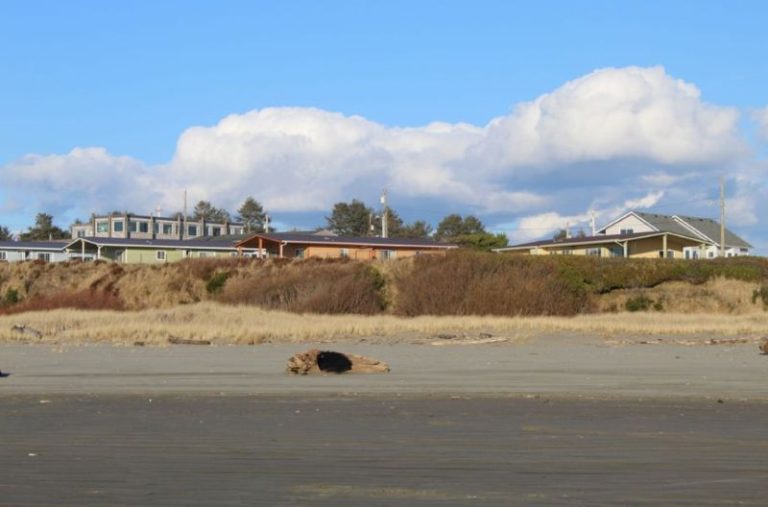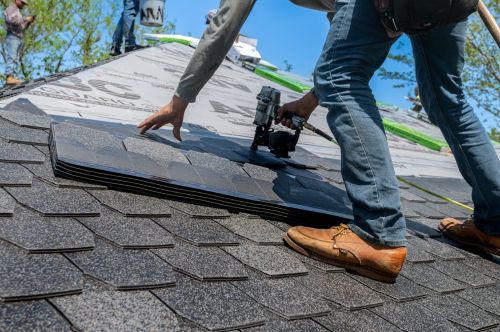
Living in San Francisco means enjoying beautiful views, coastal breezes, and a climate that feels different from most other cities. But those same conditions can quietly take a toll on your home’s roof. Constant exposure to fog, wind, moisture, and occasional storms means roofing materials often wear down faster than homeowners expect. Even homes that appear well-maintained from the outside may be dealing with hidden roof damage.
Many homeowners assume that roof problems only appear when a leak starts dripping through the ceiling. In reality, the warning signs usually begin much earlier. Small issues like worn shingles, loose flashing, or aging materials often develop gradually. Because the roof is out of sight most of the time, these early signs are easy to miss.
Ignoring those signals can lead to more serious problems later. Water intrusion, structural damage, and insulation issues can all begin with minor roofing failures. The good news is that roofs rarely fail without giving some kind of warning first.
Understanding these early warning signs can help you decide when it’s time to repair your roof.
Why Early Roof Inspections Matter for Long-Term Protection
Roof damage rarely appears overnight. Most problems develop slowly over time, especially in coastal climates where moisture and temperature changes affect roofing materials. Small cracks, loose shingles, or worn flashing may not seem urgent at first, but they often signal deeper issues that are difficult to spot from the ground.
That’s why regular roof inspections are so important. A professional inspection can identify weak spots before they turn into serious structural damage. Roofing specialists know how to look for signs of moisture beneath the surface, deteriorating materials, and installation issues that homeowners may not notice.
Many homeowners begin by consulting experienced roofers in San Francisco who understand how the city’s coastal weather can affect roofing systems and who can assess whether a roof needs repair, reinforcement, or a full replacement. Professionals can evaluate the condition of shingles, flashing, underlayment, and ventilation to determine how much life the roof still has.
An inspection also helps homeowners plan. Instead of waiting for a sudden leak during the rainy season, you can address roofing issues before they turn into emergencies. Early evaluation allows you to make informed decisions about repairs, upgrades, or replacement, helping protect your home for years to come.
Shingles That Are Curling, Cracking, or Missing
One of the most visible signs that a roof may be nearing the end of its life is damaged shingles. Asphalt shingles, which are common on many homes, gradually wear down as they face years of sun exposure, moisture, and temperature changes.
Curling shingles are often one of the first warning signs. When the edges begin lifting or bending upward, it usually means the material has dried out and lost its flexibility. Once shingles start curling, they become more vulnerable to wind and water damage.
Cracking is another red flag. Temperature changes can cause shingles to expand and contract over time, which eventually leads to small fractures. These cracks may seem minor, but they allow moisture to seep beneath the surface.
Missing shingles are even more concerning. When shingles fall off, the layers beneath become exposed to rain and debris. If several shingles are missing across different areas of the roof, it may indicate widespread aging rather than isolated damage.
While replacing a few shingles can solve small issues, widespread damage often signals that the roof is reaching the end of its lifespan.
Granules Showing Up in Your Gutters
Homeowners often overlook one of the most obvious signs of roof wear: small granules collecting in the gutters. Asphalt shingles contain protective granules that shield the roof from sunlight and weather damage.
Over time, these granules gradually wear away. When you start noticing large amounts of them washing into the gutters or downspouts, it usually means the shingles are breaking down.
Without those protective granules, shingles become more vulnerable to UV rays and heat. This speeds up deterioration and weakens the roof’s ability to protect the home.
Granule loss is especially common on older roofs. If you notice consistent buildup in your gutters after storms or heavy rain, it may be time to schedule an inspection to determine whether your roof is nearing the end of its lifespan.
Water Stains or Leaks Inside the Home
Sometimes the first sign of roof trouble appears inside the house rather than outside. Water stains on ceilings or walls are often a signal that moisture has already made its way through the roofing system.
These stains may appear as faint discoloration or dark rings on drywall. Even if the leak seems small, it can indicate a much larger problem above the ceiling. Water often travels along beams or insulation before it becomes visible inside the home.
Ignoring a leak can lead to serious consequences. Moisture trapped inside walls or attic spaces can damage insulation, weaken structural materials, and encourage mold growth.
A single leak doesn’t always mean the roof needs full replacement. However, when leaks occur in multiple areas or return repeatedly after repairs, it may indicate that the roofing system has deteriorated beyond simple fixes.
Rising Energy Bills Could Be a Hidden Clue
Roof problems don’t always show up as visible damage. Sometimes the first sign appears in your energy bills.
A failing roof can affect the way your home retains heat and cool air. Poor insulation, damaged materials, or ventilation problems allow air to escape more easily. As a result, your heating and cooling system has to work harder to maintain comfortable indoor temperatures.
If you’ve noticed energy costs increasing without a clear reason, the roof could be contributing to the problem.
Improving roofing insulation and ventilation during replacement can significantly improve a home’s energy efficiency.
Roofs rarely fail without warning. Most roofing problems begin with small signs that gradually become more noticeable over time. Curling shingles, missing granules, interior water stains, and rising energy bills are all signals that your roof may need attention sooner than you think.
Paying attention to these warning signs can help homeowners act early. Addressing problems before they escalate can prevent costly damage and protect the long-term structure of the home. When you notice any of these issues, it’s a good idea to schedule a professional inspection. With proper evaluation and timely replacement when needed, your roof can continue protecting your home for decades to come.
About the Author