Most bathroom renovations don’t begin with inspiration; they start with irritation. A leak that won’t stop. Tiles cracked in odd places. The layout feels wrong every morning. So the first step isn’t picking colors, it’s looking hard at what’s already there, plumbing lines, venting, electrical runs, the shape of the room, the parts hidden behind walls that decide how far you can push things. People skip this and pay later. Measure everything twice, maybe three times, write it down somewhere messy but visible. Ceiling height, door swing, window placement, awkward corners. Keep it simple but exact. You’re not designing a dream yet; you’re mapping constraints. That matters more.
Budget, Loose but Real
Money shapes everything, even when you pretend it doesn’t. Set a number early, then add a buffer because things will go off track; they always do. Materials run out, pipes surprise you, and labor stretches. Costs don’t rise evenly either; one decision, like moving a toilet line, suddenly multiplies effort across the whole job. Keep categories in mind, but don’t over-organize them. Fixtures, labor, finishes, hidden fixes. That’s enough. Spending tends to drift toward visible items, tiles, vanity, and lights, but the hidden work eats the budget quietly. So balance it. Or try to.
Layout Before Looks
This is where planning either tightens or slips. The layout decides comfort, not the tile pattern. Think about movement first, how you enter, where you turn, and what you reach without thinking. The sink shouldn’t block drawers; the door shouldn’t crash into the vanity. Small details, but they stack. Wet zones need logic. Shower splash, drainage slope, airflow. You can’t improvise those later. Sometimes it helps to sketch rough shapes, even bad ones, just to see the flow. No need for precision drawings at this stage. Just clarity.
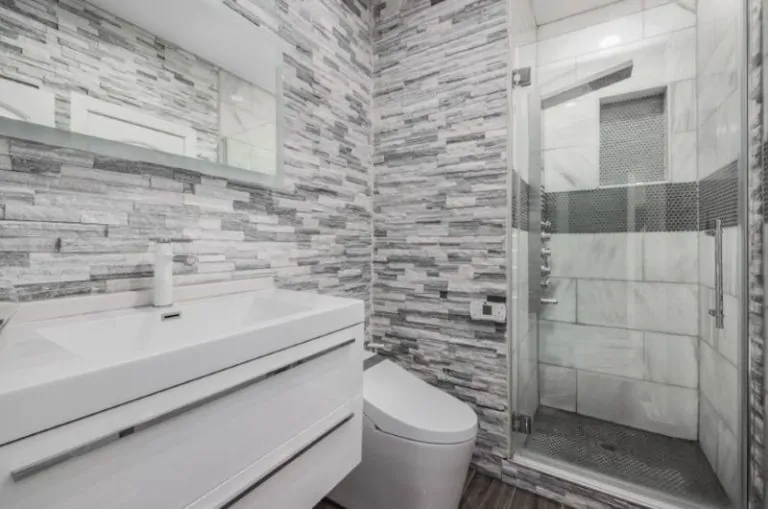
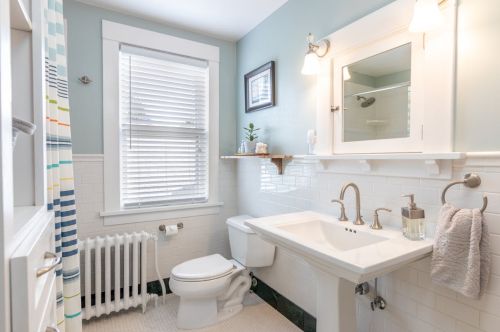
Somewhere in this phase, people start browsing ideas, maybe even bookmarking bathroom remodels they like, but that can distract more than help if the basics aren’t locked. Inspiration works better once the limits are clear.
Materials, Not Just Style
Materials aren’t only about how they look. They age, stain, crack, and shift. Some hold up quietly; others demand attention. Tiles vary; porcelain is tougher, and ceramic is cheaper but softer. Natural stone looks good yet needs sealing, ongoing care, and small annoyances that add up. Grout lines matter more than expected. Narrow joints look cleaner but show flaws fast if installation slips even slightly. And moisture doesn’t forgive mistakes.
Fixtures too — cheap taps fail early, mid-range often holds, high-end isn’t always better, just different. Finishes peel, coatings dull. Think long-term, not showroom shine.
Plumbing and Electrical, The Unseen Work
Most of the real renovation sits behind walls. Plumbing routes, water pressure, drainage angles. Electrical capacity, placement of outlets, and lighting layers. This is where decisions lock in. Moving pipes costs more than expected; sometimes it’s worth it, often it isn’t. Keeping existing lines reduces risk. But sometimes the layout demands change. Then plan it carefully.
Lighting deserves more thought than it gets. Overhead alone isn’t enough. Mirror lighting, softer ambient light, maybe a focused beam near the shower. Not complicated, just intentional. And switches — place them where your hand actually goes, not where it seems logical on paper.
Hiring Help or Not
Some people take it all on. Others bring in contractors. Both paths have problems. Doing it yourself saves money, but mistakes cost time and sometimes more money later. Hiring professionals reduces stress, but only if you choose well. Ask for past work, not promises. Check how they talk about problems, not just successes. The way someone explains a past mistake tells you more than polished results.
Communication matters more than contracts, though contracts still matter. Keep things written, even simple notes. Timelines should be loose, not rigid. Work rarely follows perfect schedules.
Permits, Often Ignored
Permits depend on location, yet people skip them, thinking it’s minor work. Sometimes it is. Sometimes it isn’t. Structural changes, plumbing reroutes, and electrical upgrades often require approval. Ignoring that can delay everything later, especially if you sell the property. Better to check early. It’s boring, but it prevents bigger issues.
Demolition and Surprises
Tearing things out feels like progress. It is, but it also reveals problems. Rot behind walls, mold, uneven framing, pipes that don’t match plans. Expect at least one surprise. Maybe more. Budget for it, mentally if not financially. Once walls open, decisions speed up. You can’t pause forever with a half-demolished bathroom.
Work moves fast here, then slows again.
Installation, Slow and Uneven
Putting things back isn’t smooth. It happens in layers. Plumbing first, then walls, then tiles, then fixtures. Each stage depends on the last being done well. Rushing early steps ruins later ones. Tile alignment, waterproofing membranes, and sealing edges require patience. Mistakes show later, not immediately.
Some days, nothing seems to happen. Other days, everything changes at once.
Finishing Details, Small but Loud
Handles, mirrors, trim edges, silicone lines. These are small, but they define the final look. Poor finishing work ruins good materials. Clean edges matter. Straight lines, even spacing. It’s quiet work, often overlooked until it’s wrong.
Storage too. Shelves, cabinets, hidden compartments. Not glamorous, but necessary. A bathroom without storage becomes cluttered fast.
Living With It After
Once it’s done, the real test begins. Daily use exposes flaws. Water collects where it shouldn’t. Light feels too harsh or too dim. A drawer sticks. These aren’t failures exactly, just adjustments waiting to happen. Small fixes continue even after completion.
And the space settles. Materials expand, contract, and shift slightly. You notice less over time. What felt critical during planning fades. What works well stays unnoticed, which is the point.
Planning a bathroom renovation isn’t about perfect decisions. It’s about reducing bad ones. You won’t get everything right. Some choices will feel off later. That’s normal. The goal is a space that works, holds up, and doesn’t fight you every morning. If it does that, the rest, style, trends, minor regrets, they fade into the background.
About the Author