In an era dominated by streaming platforms and instant access to millions of songs, the resurgence of vinyl records might seem counterintuitive. Yet over the past decade, vinyl has staged an impressive comeback, captivating both longtime audiophiles and a new generation of listeners. Far from being a nostalgic relic, vinyl records have reemerged as a cultural and economic force, reshaping how people experience music in the digital age.
The Return of Tangible Music
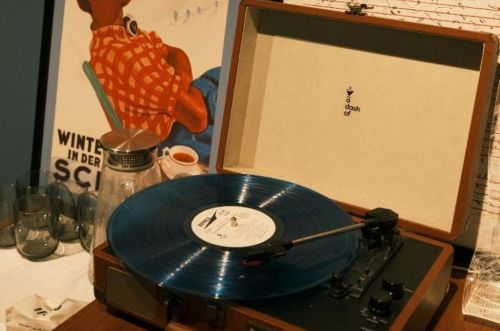
One of the most significant drivers behind vinyl’s revival is the desire for a tangible connection to music. Streaming services offer convenience, but they often lack the physical and emotional engagement that comes with owning a record. Vinyl provides a multisensory experience: the weight of the disc, the artwork on the sleeve, and even the ritual of placing the needle on the groove all contribute to a deeper appreciation of the music.
For many collectors, vinyl transforms listening into an intentional act rather than background noise. Instead of skipping tracks or shuffling playlists, listeners engage with albums as complete works, often discovering nuances they might otherwise miss.
Sound Quality And Authenticity
Another key factor fueling vinyl’s popularity is its perceived superior sound quality. While digital formats are engineered for clarity and convenience, vinyl is often described as offering a “warmer” and more authentic sound. This perception, whether entirely objective or not, resonates strongly with listeners who value audio fidelity.
Vinyl records capture analog sound waves in a continuous format, which some argue preserves the richness and depth of the original recording. In contrast, digital audio compresses data, potentially losing subtle details. For purists and casual fans alike, vinyl offers an experience that feels closer to the artist’s intent.
Nostalgia Meets Modern Culture
Nostalgia plays a powerful role in vinyl’s resurgence, but it is not the whole story. Older generations may return to vinyl to reconnect with their youth, but younger listeners—many of whom grew up in the streaming era—are embracing records for entirely different reasons.
For Gen Z and millennials, vinyl represents authenticity and individuality in a highly digitized world. Owning a record collection can feel like curating a personal identity, something that streaming libraries—often shaped by algorithms—struggle to replicate. Social media has further amplified this trend, with collectors showcasing their finds and setups online, turning vinyl into both a hobby and a lifestyle.
The Rise Of Collectibility
Vinyl records are not just a medium for music—they are also collectible items. Limited pressings, colored vinyl editions, and exclusive releases have turned record collecting into a dynamic and sometimes competitive pursuit. This has attracted not only music lovers but also investors and enthusiasts interested in rare and valuable items.
The collectibility factor adds a sense of excitement and discovery that streaming cannot offer. Hunting for a rare pressing in a record store or online marketplace provides a thrill that parallels other forms of collecting, from art to vintage clothing.
Retailers such as Evergreen Vinyl have contributed to this growing ecosystem by making a wide range of records accessible to both new and seasoned collectors, helping bridge the gap between traditional record shops and modern e-commerce.
Independent Artists And Vinyl’s Comeback
Vinyl’s revival has also been driven by artists themselves. Many musicians now release their work on vinyl not just as a novelty, but as a meaningful format that enhances their artistic vision. Album artwork, liner notes, and packaging become integral parts of the creative expression.
For independent artists, vinyl offers a way to stand out in an overcrowded digital landscape. Selling records at concerts or through online platforms creates a direct connection with fans and provides an additional revenue stream. In some cases, vinyl releases are seen as premium products, appealing to dedicated supporters who want more than just a digital download.
The Role Of Record Stores And Community
Brick-and-mortar record stores have played a crucial role in sustaining vinyl’s resurgence. These spaces serve not only as retail outlets but also as cultural hubs where music enthusiasts can connect, share recommendations, and discover new artists.
Events like Record Store Day have further boosted interest in vinyl, drawing crowds with exclusive releases and live performances. These gatherings highlight the communal aspect of music, something that is often lost in the solitary experience of streaming through headphones.
Even as online shopping grows, the appeal of browsing through crates of records remains strong. The unpredictability of what one might find adds to the charm and keeps collectors coming back.
Technology And The Hybrid Experience
Ironically, technology has also supported vinyl’s comeback. Modern turntables often include features like Bluetooth connectivity and USB outputs, allowing users to blend analog listening with digital convenience. This hybrid approach makes vinyl more accessible to those who may not have previously considered it.
Streaming platforms and vinyl are no longer mutually exclusive; instead, they complement each other. Many listeners use streaming to discover new music and then purchase vinyl copies of albums they truly value. This synergy has helped vinyl carve out a sustainable niche in the broader music ecosystem.
Environmental And Ethical Considerations
As vinyl production increases, so do concerns about its environmental impact. Records are typically made from PVC, a type of plastic that raises sustainability questions. In response, some manufacturers are exploring eco-friendly alternatives and more sustainable production methods.
Consumers, too, are becoming more conscious of their purchasing decisions. This awareness has led to a growing interest in secondhand records and vintage collections, which align with broader trends toward reuse and sustainability.
A Lasting Cultural Shift
The revival of vinyl is more than a passing trend; it reflects a broader cultural shift in how people engage with media. In a world where content is abundant and often disposable, vinyl offers a sense of permanence and value. It encourages listeners to slow down, focus, and build meaningful connections with the music they love.
This shift extends beyond music. It mirrors a renewed interest in physical books, film photography, and other analog experiences that provide depth and authenticity in contrast to digital convenience.
Conclusion
Vinyl’s resurgence in the digital age highlights a fundamental truth: convenience does not always replace experience. While streaming platforms continue to dominate the music industry, vinyl records have carved out a unique and enduring space by offering something different—something more intentional, tactile, and personal. As technology continues to evolve, the coexistence of digital and analog formats seems not only possible but inevitable. Vinyl’s comeback is a testament to the enduring power of music as an art form, reminding us that sometimes, the old ways still have something new to offer.
About the Author