Pharmacy emerged from monastic healing traditions into urban markets, reshaping medicine through specialization, commerce, and regulation while reinforcing enduring inequalities in access to care.

By Matthew A. McIntosh
Public Historian
Brewminate
Introduction: Medicine Between Faith and Practice
In the medieval world, access to medicine was not a matter of science alone but of wealth, status, and geography. Apothecaries stood at the center of this system, preparing remedies that could heal, harm, or simply remain out of reach for most people. Their work reveals a deeper truth about premodern health care: treatment was never equally distributed, and survival often depended as much on social position as on illness itself.
Medicine in the medieval world cannot be reduced to purely religious or monastic activity. Practical knowledge, transmitted through experience and local tradition, continued to inform the preparation and use of remedies. Herbal treatments, dietary regulation, and observational diagnosis remained essential components of care, even when framed within theological interpretations of illness. Disease could be understood as both a natural imbalance and a manifestation of divine will, creating a dual framework in which empirical treatment and spiritual intervention coexisted.
The gradual reintroduction of classical medical theory through translation movements, particularly those associated with the Islamic world, further reshaped medieval medicine. Texts such as Avicenna’s Canon of Medicine and the works of Galen entered European intellectual life through centers of learning in places like Toledo and Salerno, where scholars translated Arabic and Greek medical works into Latin, making them accessible to a new generation of physicians and students. This process not only transmitted existing knowledge but also introduced commentaries and expansions developed by Islamic scholars, whose own medical traditions had synthesized Greek philosophy with Persian, Indian, and experimental insights. Medieval European medicine became increasingly structured, with universities incorporating these texts into formal curricula and using them as authoritative guides for diagnosis and treatment. Yet this intellectual enrichment did not eliminate earlier practices; instead, it created a layered system in which learned medicine, rooted in texts and theory, coexisted with local and experiential approaches, producing a complex and sometimes contested medical culture.
Within this evolving context, pharmacology occupied a particularly important position. The preparation and distribution of medicinal substances connected theory with practice, linking learned medicine to everyday care. As remedies became more standardized and their production more specialized, the foundations were laid for the emergence of distinct professional roles, including that of the apothecary. The history of medieval pharmacy reflects broader transformations in the organization of knowledge, authority, and economic life, marking a transition from localized healing traditions to more formalized and regulated systems of medical practice.
Monastic Foundations: Healing, Faith, and Herb Cultivation

In the early medieval period, monasteries functioned as the primary custodians of medical knowledge in Western Europe, preserving both texts and practices inherited from antiquity. As centers of literacy and learning, monastic communities copied works associated with Hippocratic and Galenic traditions, ensuring their survival in an era marked by political fragmentation and institutional decline. Yet the role of monasteries extended beyond preservation. They actively integrated this knowledge into daily life, transforming inherited medical traditions into practical systems of care that served both the monastic community and, in many cases, the surrounding population.
The care of the sick was embedded within the spiritual framework of monastic life, most notably articulated in the Rule of St. Benedict, which emphasized that the ill should be treated as embodiments of Christ himself. This principle elevated medical care to a religious duty, intertwining physical healing with spiritual compassion. Monastic infirmaries became spaces where prayer, diet, and medicinal treatment operated together, reflecting a holistic understanding of health that did not sharply distinguish between body and soul. Healing was both an act of charity and a religious obligation.
Central to monastic medicine was the cultivation and use of medicinal plants. Monasteries maintained herb gardens where a variety of plants, including sage, rosemary, lavender, and mint, were grown for therapeutic purposes. These gardens were often carefully planned and managed, reflecting practical needs and inherited knowledge about plant properties, seasons, and soil conditions. Monks developed an intimate familiarity with the growth cycles, harvesting methods, and preparation techniques required to produce effective remedies, transforming gardening into a form of applied medical practice. The preparation of remedies, from simple infusions to more complex compounds such as salves and decoctions, relied on this direct engagement with the natural world. This hands-on experience contributed to a body of knowledge that combined observation with textual learning, reinforcing the connection between environment, experimentation, and healing.
Monastic texts further demonstrate the blending of inherited knowledge with local adaptation. Herbals and medical manuals produced within monastic settings often combined classical sources with observations drawn from the surrounding environment. This synthesis allowed for the incorporation of regionally available plants and remedies, ensuring that medical practice remained responsive to local conditions. These texts contributed to the gradual standardization of knowledge, as they were copied and disseminated across different monastic communities.
Despite their importance, monastic approaches to medicine were not static. They evolved in response to changing intellectual and social conditions, particularly as new sources of knowledge entered Europe through contact with the Islamic world. Monastic practitioners increasingly encountered translated medical texts that offered more systematic and theoretically grounded approaches to diagnosis and treatment, prompting both adaptation and, at times, tension with established practices. While monasteries remained important centers of care, their dominance began to diminish as urbanization and the growth of universities created alternative sites for medical learning and practice. This transition did not erase monastic contributions but rather repositioned them within a broader and increasingly diverse medical landscape, where religious, academic, and commercial forms of medicine coexisted and interacted.
The legacy of monastic medicine lies in its role as a bridge between ancient and later medieval practices. By preserving classical knowledge, cultivating medicinal resources, and embedding care within a moral and spiritual framework, monasteries laid the groundwork for subsequent developments in pharmacology and medical organization. Their emphasis on observation, documentation, and practical application ensured that medicine remained a living tradition, capable of adapting to new contexts while retaining continuity with the past.
Islamic Foundations and the Birth of the Pharmacy
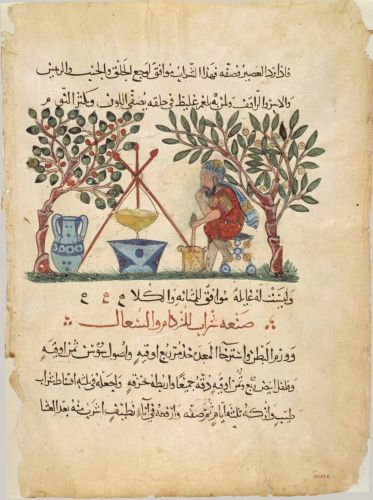
The emergence of pharmacy as a distinct profession is closely tied to developments in the Islamic world during the early medieval period, particularly under the Abbasid Caliphate. Beginning in the eighth century, cities such as Baghdad became centers of intellectual and scientific activity, where medical knowledge from Greek, Persian, and Indian traditions was translated, studied, and expanded through large-scale scholarly initiatives such as the Bayt al-Hikma, or House of Wisdom. This fostered not only preservation but active innovation, as scholars compared sources and refined earlier theories in light of new observations. The synthesis of these traditions produced a more systematic and empirical approach to medicine, in which the preparation and use of drugs were treated as specialized areas of knowledge rather than as subsidiary aspects of general healing. Pharmacology began to emerge as a discipline grounded in classification, method, and repeatable practice.
One of the most significant innovations of this period was the institutional separation between the physician and the pharmacist. While physicians diagnosed illness and determined appropriate treatments, pharmacists were responsible for preparing and dispensing medicinal substances according to established standards. This division of labor not only improved the reliability of remedies but also contributed to the professionalization of pharmacology as a distinct field. Pharmacies, or saydalas, began to appear in urban centers, functioning as regulated spaces where medicinal compounds could be produced, stored, and sold.
Islamic pharmacology was characterized by a strong emphasis on classification, experimentation, and written documentation. Scholars such as al-Razi (Rhazes) and Ibn Sina (Avicenna) produced extensive medical texts that included detailed descriptions of drugs, their properties, and their applications. These works built upon earlier Greek authorities while incorporating new observations and techniques, including methods of distillation and chemical processing that expanded the range of available remedies. The resulting body of knowledge was both comprehensive and systematic, reflecting a commitment to organizing medical information in ways that could be taught, replicated, and refined.
Regulation also played a crucial role in the development of pharmacy in the Islamic world. Authorities implemented measures to ensure the quality and authenticity of medicinal substances, often appointing inspectors, known as muhtasibs, to oversee market practices and enforce standards. These officials monitored weights, measures, and the purity of ingredients, reflecting a broader administrative concern with fairness and public welfare in urban markets. This level of oversight indicates not only the importance of pharmacology within the broader medical system but also the recognition of its potential risks if improperly managed. By establishing standards for preparation and sale, these regulations helped to build trust in pharmaceutical practice, reinforced the authority of trained practitioners, and integrated pharmacy into the regulated economic life of the city.
The influence of Islamic pharmacology extended beyond its immediate context, shaping the development of medicine in medieval Europe through processes of translation and transmission. Texts produced in Arabic were translated into Latin in centers such as Toledo, introducing European scholars to new theories, substances, and methods. This transfer of knowledge played a central role in the emergence of apothecaries and the gradual differentiation of medical professions in Europe. The foundations laid in the Islamic world represent a critical stage in the history of pharmacy, marking the transition from integrated healing practices to more specialized and institutionalized forms of medical care.
The Rise of the Urban Apothecary in Medieval Europe
The rise of the urban apothecary in medieval Europe was closely linked to the broader process of urbanization that accelerated between the twelfth and fourteenth centuries. As towns and cities expanded, so too did the demand for specialized goods and services, including medical care. Unlike the monastic settings that had previously dominated healing practices, urban environments created conditions in which medicine could become a commercial and public-facing activity. Apothecaries emerged as suppliers of medicinal substances, operating shops that catered to a growing and increasingly diverse population.
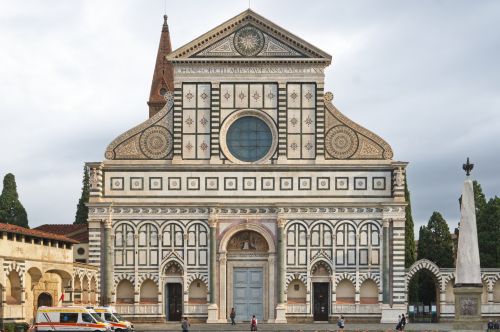
The establishment of apothecary shops marked a significant shift in the organization of medical practice. By the thirteenth century, cities such as Florence had developed identifiable pharmaceutical institutions, with the pharmacy of Santa Maria Novella, founded in 1221, often cited as one of the earliest examples. These shops were often located in central commercial districts, making them accessible to both residents and travelers, and they became recognizable fixtures in urban life. Their interiors were typically arranged to store and display jars, scales, and ingredients, reflecting an increasing emphasis on order, measurement, and professional presentation. These shops provided a centralized location where remedies could be purchased, prepared, and, in some cases, recommended, offering a level of consistency and availability that had been difficult to achieve in earlier, more decentralized systems. Their presence signaled a movement away from localized, household-based medicine toward more standardized and accessible forms of treatment, particularly within urban centers where population density supported such specialization.
Urban apothecaries also reflected the increasing integration of medicine into commercial networks. Many were associated with guilds, particularly those connected to grocers and spice merchants, whose trade in exotic goods overlapped with the ingredients used in pharmacological preparations. This connection allowed compounders to access a wide range of materials, including imported spices, resins, and minerals, which were often incorporated into medicinal compounds. The blending of medicinal and luxury goods within these shops highlights the apothecary’s role as both healer and merchant, operating within health and commerce.
The growth of apothecary practice contributed to the gradual differentiation of medical roles. While physicians were increasingly trained in universities and focused on diagnosis and theory, apothecaries specialized in the preparation and sale of remedies. These boundaries were not always strictly maintained. Pharmaceutical practitioners frequently advised customers, recommended treatments, and, at times, effectively diagnosed illnesses, particularly for those who could not afford the services of a physician. This overlap created both cooperation and tension between different types of practitioners, as physicians sought to assert intellectual authority while dispensers maintained practical control over the materials of treatment. Legal regulations in some cities attempted to clarify these roles, but enforcement was uneven, and everyday practice often reflected negotiation rather than strict separation. These dynamics reveal a medical environment in transition, where professional identities were still being defined and contested.
The rise of the urban apothecary represents a key moment in the development of European medicine, marking the transition from predominantly religious and localized forms of care to more structured and economically embedded systems. By establishing permanent shops, engaging with trade networks, and contributing to the specialization of medical roles, apothecaries helped lay the foundations for modern pharmacy. Their emergence illustrates how changes in social and economic organization could reshape not only how medicine was practiced but also who was authorized to provide it.
Guilds, Regulation, and Professional Identity
The emergence of drug preparers as a recognizable profession in medieval Europe was closely tied to the development of guild structures that regulated trade, training, and commercial practice. As urban economies expanded, guilds provided a framework through which specialized occupations could organize themselves, maintain standards, and protect their interests. Apothecaries were often incorporated into broader guilds, particularly those of grocers or spice merchants, whose access to imported goods overlapped with the materials required for pharmacological preparation. This institutional setting placed them firmly within the economic life of the city, linking medical practice to systems of trade and regulation.
Guild membership imposed expectations regarding apprenticeship, quality control, and ethical conduct. Aspiring apothecaries were typically required to undergo a period of training under an established master, during which they learned the identification, preparation, and compounding of medicinal substances. This training was not merely technical but also disciplinary, shaping the apprentice’s understanding of responsibility, secrecy of recipes, and adherence to guild standards. Examinations or demonstrations of competence were sometimes required before full membership was granted, reinforcing the idea that pharmaceutical knowledge had to be proven as well as learned. Regulations governing weights, measures, and ingredient quality were designed to prevent fraud and to protect consumers, reflecting a broader concern with maintaining trust in commercial transactions. Through these mechanisms, guilds created a controlled environment in which both knowledge and practice were regulated, contributing to the stability and credibility of the profession.
The regulation of apothecaries contributed to the differentiation of medical roles within medieval society. Physicians, who were increasingly educated in university settings, claimed authority over diagnosis and theoretical knowledge, while they were expected to focus on the preparation and dispensing of remedies. Surgeons, in turn, occupied a distinct position, dealing primarily with manual procedures. These distinctions were not always clearly defined or consistently enforced, but they nonetheless shaped expectations about the proper scope of each profession and contributed to the gradual specialization of medical practice.
Conflicts between these groups were not uncommon, particularly as apothecaries often extended their activities beyond compounding to include advising patients and recommending treatments. Physicians frequently criticized such practices, viewing them as encroachments on their intellectual authority and as potential threats to the integrity of learned medicine. In response, some urban authorities introduced regulations intended to limit the diagnostic role of early pharmacists and to reinforce the hierarchy of medical expertise. These regulations sometimes required prescriptions from licensed physicians before certain remedies could be dispensed, though enforcement varied widely depending on local conditions. Economic necessity and patient demand often blurred these boundaries, with medical artisans continuing to provide informal consultations, especially for lower-income populations who lacked access to physicians. This ongoing tension highlights the fluid nature of professional boundaries in medieval medicine, where official rules coexisted with everyday realities that required flexibility and adaptation.
The regulatory environment also varied significantly across regions, reflecting local economic conditions, political structures, and cultural attitudes toward medicine. In some cities, apothecaries achieved a relatively high degree of independence, forming their own guilds and establishing clear professional boundaries. In others, they remained subordinate to broader commercial organizations or subject to stricter oversight by civic authorities. These variations highlight the adaptability of the profession, as they navigated differing contexts while maintaining core elements of their practice.
Ultimately, the integration of apothecaries into guild systems played a crucial role in shaping their professional identity. By formalizing training, enforcing standards, and defining relationships with other medical practitioners, guilds contributed to the recognition of pharmacy as a distinct and essential component of healthcare. These structures helped to solidify expectations about competence, accountability, and professional conduct, laying the groundwork for later regulatory systems that would further define and standardize medical practice. The evolution of guild-based regulation represents a critical stage in the transition from loosely organized healing practices to more institutionalized and professionalized forms of medicine, where authority was increasingly tied to recognized credentials and adherence to established norms.
The Apothecary Shop: Trade, Materials, and Practice
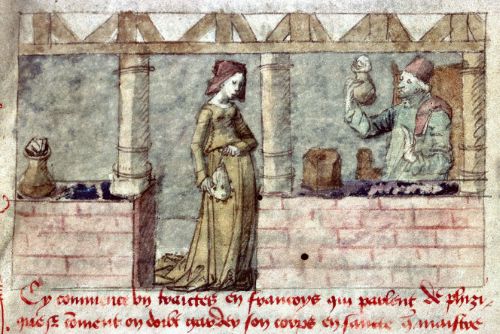
The medieval apothecary shop was both a place of medical preparation and a node within wider commercial networks, reflecting the dual identity of the apothecary as healer and merchant. Located in busy urban centers, these shops were often positioned near markets or along main thoroughfares, ensuring accessibility to a diverse clientele that ranged from wealthy patrons to ordinary townspeople seeking affordable remedies. Their presence within commercial districts underscored the integration of medicine into everyday economic life, where health became something that could be purchased, negotiated, and evaluated alongside other goods. This visibility marked a significant cultural shift, as the acquisition of medicinal treatments moved beyond domestic or monastic contexts into public, transactional spaces. The apothecary shop became not only a site of healing but also a symbol of the commercialization of medical care in medieval society.
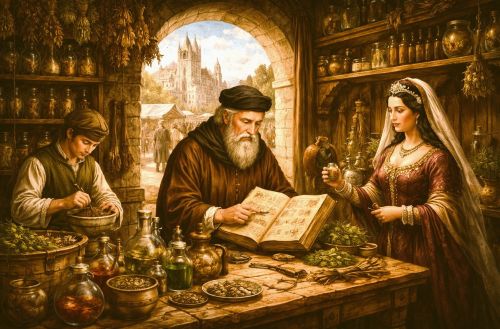
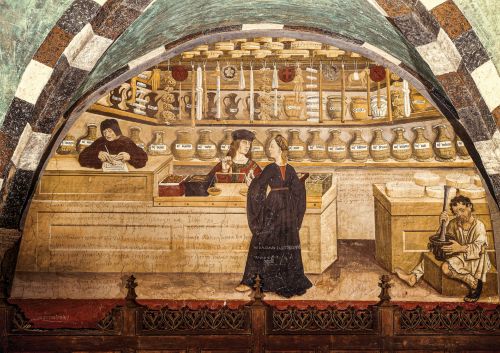
Inside the apothecary shop, organization and display played a crucial role in both practice and perception. Shelves lined with ceramic jars, glass vessels, and labeled containers held a wide array of substances, from dried herbs to mineral compounds and animal-derived ingredients. Instruments such as scales, mortars, and pestles were essential tools, enabling the precise measurement and preparation of remedies. This emphasis on order and measurement reflected an increasing concern with consistency and reliability, as patients and practitioners alike came to expect predictable results from medicinal treatments.
The materials used in medieval pharmacology were drawn from both local environments and long-distance trade networks. Common herbs cultivated in nearby regions were supplemented by imported goods such as pepper, cinnamon, myrrh, and camphor, which arrived through Mediterranean and overland trade routes. These substances were valued not only for their perceived medicinal properties but also for their rarity and cost, which could enhance the status of both the remedy and the practitioner who provided it. The apothecary shop became a point of convergence where global exchange met local practice, embedding medicine within broader patterns of commerce and cultural contact.
The preparation of remedies within these shops required both technical skill and practical knowledge. Apothecaries compounded medicines by combining ingredients according to established recipes, often derived from classical or Arabic sources, while also adapting them to available materials and specific patient needs. Processes such as grinding, boiling, distilling, and preserving demanded attention to detail, as variations in preparation could significantly affect a remedy’s efficacy. This hands-on aspect of pharmacology reinforced the apothecary’s role as a craftsman, whose expertise lay not only in knowledge but in execution.
The apothecary shop was a space of interaction, where knowledge, commerce, and social relationships intersected. Customers sought advice as well as products, and compounders frequently engaged in conversations about symptoms, treatments, and expectations, often serving as the first point of contact for individuals seeking medical assistance. These exchanges could shape not only individual outcomes but also broader patterns of understanding within the community, as information circulated informally through repeated interactions. Apothecaries contributed to the diffusion of medical knowledge beyond formal institutions, blending practical experience with shared observation. The shop functioned as both a commercial establishment and an informal site of medical consultation, further blurring the boundaries between different types of practitioners and reinforcing the apothecary’s role as both provider and advisor.
The operation of the apothecary shop illustrates the integration of pharmacology into the economic and social fabric of medieval urban life. By combining trade, technical skill, and interpersonal exchange, apothecaries created a model of medical practice that was both accessible and adaptable. Their work bridged the gap between theory and application, ensuring that medicinal knowledge could be translated into tangible treatments. They helped to establish patterns of practice and organization that would continue to shape the development of pharmacy in later periods.
Knowledge and Authority: Who Gets to Heal?
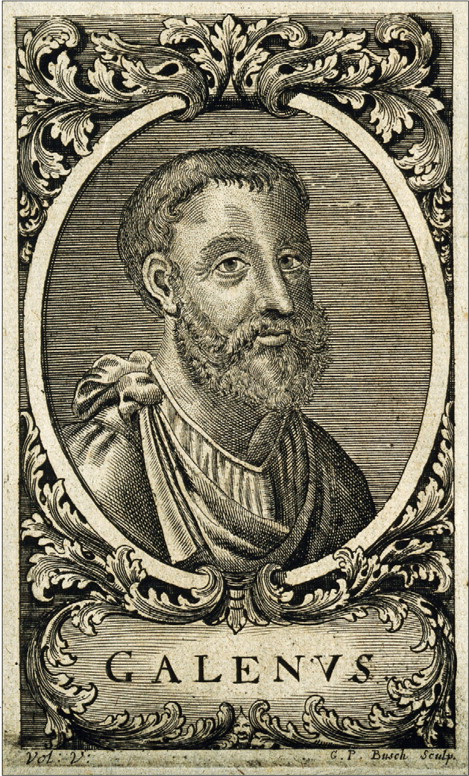
The question of who possessed legitimate authority to heal in the medieval world was shaped by overlapping systems of knowledge, education, and social trust. University-trained physicians increasingly claimed intellectual authority based on their mastery of classical texts and theoretical frameworks, particularly those derived from Galenic medicine. Their expertise was grounded in literacy, formal instruction, and the ability to interpret complex medical traditions, which distinguished them from other practitioners. This form of authority was reinforced by emerging university structures, licensing practices, and connections to political or ecclesiastical institutions, all of which lent additional legitimacy to their claims. Yet this authority was not universally accepted or consistently enforced, as access to such education remained limited and unevenly distributed across regions and social classes. In many areas, especially outside major urban centers, the presence of formally trained physicians was minimal, allowing alternative forms of medical authority to persist and even dominate.
Alongside physicians, a wide range of practitioners participated in the provision of medical care, including apothecaries, surgeons, midwives, and local healers. Apothecaries occupied a complex position, as their daily interaction with patients and control over medicinal substances often placed them in roles that extended beyond mere preparation. Many individuals relied on them for advice and treatment, especially in urban environments where shops were more accessible than physicians. This practical authority, rooted in experience and availability, frequently operated in tension with the more formal claims of university medicine.
The authority of medical practitioners was also shaped by the circulation of knowledge through both written and oral means. While physicians relied heavily on texts, many forms of healing knowledge were transmitted through apprenticeship, observation, and communal experience. Recipe books, household manuals, and vernacular medical texts contributed to the spread of practical knowledge beyond elite circles, allowing non-specialists to engage in basic forms of treatment and to participate in the broader culture of healing. These texts often adapted learned medical concepts into more accessible forms, blending scholarly ideas with everyday practices and local remedies. Oral transmission ensured that knowledge could circulate even among those who were illiterate, reinforcing the role of community networks in sustaining medical traditions. This diffusion of knowledge complicated efforts to establish clear professional boundaries, as patients often used multiple sources of advice, selecting treatments based on trust, cost, and perceived effectiveness rather than formal credentials alone.
Ultimately, the question of who could heal in the medieval world was not resolved by a single authority but negotiated within a dynamic and pluralistic system. Professional hierarchies existed, but they were continually challenged by the realities of access, necessity, and local practice. Authority was constructed not only through education and regulation but also through reputation, success, and community relationships. This fluid landscape underscores the complexity of medieval medicine, where competing forms of knowledge coexisted and where the legitimacy of healing practices was shaped as much by social context as by intellectual claims.
Case Studies: Early Pharmacies and Their Legacy
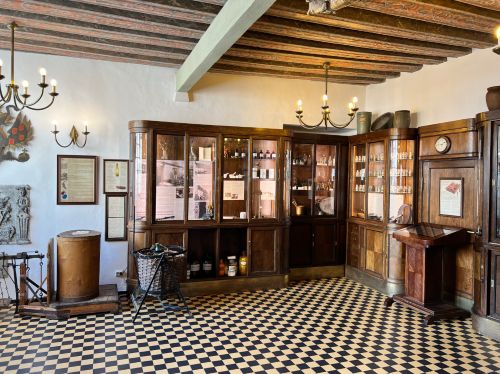
The emergence of permanent apothecary shops in medieval Europe can be understood more clearly through specific institutional examples that illustrate both continuity and transformation in medical practice. These early pharmacies were not isolated innovations but products of broader social, economic, and intellectual developments that shaped urban life, including the expansion of trade networks, the growth of civic institutions, and the increasing availability of written medical knowledge. Pharmacology moved from informal and localized practices into more structured, enduring institutions that combined medical knowledge with commercial organization. These sites show how abstract developments in theory and economy translated into lived practice, revealing how pharmacy became embedded in the daily rhythms of medieval urban society.
One of the most frequently cited examples is the pharmacy of Santa Maria Novella in Florence, traditionally dated to 1221. Originally associated with Dominican friars, the pharmacy began as part of a monastic effort to prepare remedies using herbs cultivated in monastery gardens. It expanded beyond its religious origins to serve the broader public, producing and selling medicinal compounds as well as perfumes and other refined products. This transition reflects the gradual shift from monastic to urban, commercial medicine, as religious institutions adapted to changing social and economic conditions.
The Santa Maria Novella pharmacy also illustrates the blending of medical practice with luxury production. In addition to remedies, the establishment became known for items such as scented waters and confections, which were often marketed to elite clientele. This diversification highlights the economic realities of operating a pharmacy in a competitive urban environment, where success depended not only on medical expertise but also on the ability to appeal to consumer demand. The integration of health-related and luxury goods underscores the close relationship between pharmacology and broader patterns of consumption in medieval and early Renaissance society.
A second important example is the Raeapteek, the Town Hall Pharmacy in Tallinn, Estonia, first documented in 1422 and notable for its continuous operation in its original location. Unlike Santa Maria Novella, which evolved from monastic origins, the Tallinn pharmacy was firmly embedded in a civic and commercial context from the outset, reflecting the growing role of municipal authorities in regulating and supporting medical services. Its location within the town hall building underscores its integration into the administrative and economic life of the city, suggesting that pharmacy was recognized not only as a private enterprise but also as a public necessity. The longevity of this establishment provides valuable insight into the durability of the apothecary model and its capacity to adapt across centuries of political change, economic fluctuation, and evolving medical knowledge.
The Tallinn pharmacy also demonstrates the wide range of substances and practices associated with medieval pharmacology. Historical records indicate that apothecaries there sold not only conventional medicinal ingredients but also items such as preserved fruits, spices, and even more unusual substances believed to have therapeutic properties. This diversity reflects both the experimental nature of medieval medicine and the influence of trade networks that brought exotic materials into European markets. It also reinforces the idea that apothecaries operated at the intersection of medicine, commerce, and cultural belief, offering products that addressed both physical ailments and broader expectations of health and well-being.
These case studies reveal the adaptability and significance of early pharmacies within medieval society. Whether emerging from monastic traditions or civic institutions, apothecary shops became enduring fixtures of urban life, shaping how medicine was practiced, accessed, and understood. Their legacy lies not only in their longevity but also in their role in establishing patterns of organization, specialization, and commercial integration that would continue to influence the development of pharmacy in the centuries that followed.
Economics of Medicine: Cost, Access, and Inequality
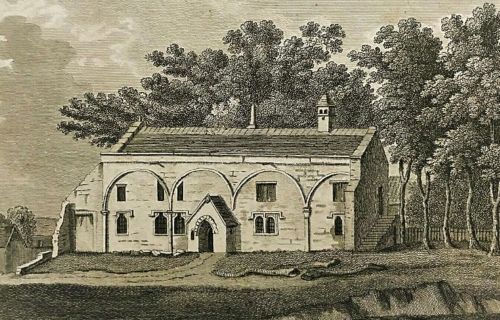
The economic dimensions of medicine in the medieval and early modern periods reveal a system deeply shaped by hierarchy, scarcity, and uneven access to resources. Medical care was not distributed according to need but according to one’s social and financial position, creating a landscape in which the wealthy enjoyed a range of options while the poor often relied on limited or informal remedies. The development of pharmacies as commercial institutions further embedded medicine within market structures, reinforcing disparities that reflected broader patterns of inequality across European society.
For elite patients, medical care could be highly personalized and expensive. Wealthy individuals frequently employed physicians directly or maintained ongoing relationships with trusted practitioners who provided tailored treatments. Apothecaries serving these clients often prepared complex compounds using rare or imported ingredients, many of which were costly due to the long-distance trade networks required to obtain them. Spices, resins, and exotic botanicals not only enhanced the perceived effectiveness of remedies but also signaled status, transforming medicine into a visible marker of wealth and refinement. In some cases, physicians and apothecaries collaborated closely to design elaborate treatment regimens that included multiple preparations taken over time, further increasing costs. The very process of compounding these medicines, which required skill, time, and specialized knowledge, added another layer of expense that placed such care firmly beyond the reach of most of the population.
The expansion of urban pharmacies created new opportunities for broader segments of the population to access medical treatments, albeit within clear limits. Apothecary shops sold ready-made remedies at varying price points, allowing artisans, merchants, and other urban dwellers to purchase treatments without consulting a physician. This accessibility did not eliminate inequality. Lower-cost remedies were often simpler in composition, relying on locally available ingredients rather than the expensive imports favored by elite clients. The result was a tiered system of care in which quality and perceived efficacy were closely tied to economic means.
Municipal and charitable institutions attempted to address some of these disparities, particularly in larger cities where public health concerns intersected with economic realities. Hospitals, many of which were supported by religious foundations or civic authorities, provided care to the poor, including access to basic medicines. Yet these institutions were often underfunded and overstretched, limiting the quality and consistency of treatment. Resources were frequently stretched thin, especially during times of crisis such as plague outbreaks, when demand for care surged dramatically. In such conditions, hospitals often prioritized basic sustenance and shelter over sophisticated medical intervention, meaning that pharmaceutical care remained limited in both scope and quality. Moreover, the medicines available in such settings were typically less varied and less refined than those produced for paying customers in private apothecary shops, reinforcing a clear divide between charitable care and commercial medicine.
The economics of medicine were also shaped by regulatory frameworks that sought to balance profit with public safety. Guilds and municipal authorities imposed price controls, quality standards, and licensing requirements on apothecaries and physicians, aiming to prevent fraud and ensure a minimum level of competence. While these measures could protect consumers to some extent, they also reinforced professional monopolies that restricted entry into the field, keeping prices relatively high and limiting competition. Regulation both mitigated and perpetuated inequality within the medical marketplace.
Ultimately, the economic structure of medieval medicine reveals a system in which access to care was inseparable from broader social and financial hierarchies. Pharmacies expanded the availability of treatments and contributed to the professionalization of medical practice, but they did not fundamentally alter the unequal distribution of resources. Instead, they operated within and reinforced existing patterns of privilege and exclusion, leaving a legacy that continues to resonate in modern discussions of healthcare access and affordability.
The Separation of Roles: Foundations of Modern Pharmacy

One of the most significant developments in the history of medicine was the gradual separation of responsibilities between physicians and apothecaries, a process that laid the groundwork for modern pharmacy as a distinct profession. In earlier periods, medical practice was often fluid, with healers diagnosing illness, preparing remedies, and administering treatment without clear institutional boundaries. Increasing specialization and the growth of urban economies encouraged a division of labor that distinguished those who prescribed from those who compounded and dispensed medicines.
This separation was not merely practical but also regulatory. In many European cities, authorities began to formalize the distinction through legal frameworks that defined the roles and responsibilities of each group. Physicians were tasked with diagnosing disease and determining appropriate treatments, while apothecaries were responsible for preparing and supplying the prescribed remedies. These regulations were often enforced through guild systems, which set standards for training, quality control, and professional conduct. In some cases, statutes explicitly prohibited physicians from owning or operating apothecary shops, reflecting concerns about conflicts of interest and the potential for overprescription driven by profit. Enforcement mechanisms varied, but inspections, licensing requirements, and penalties for violations all contributed to strengthening the divide. By establishing clear boundaries, these measures aimed not only to reduce conflicts but also to build public trust in an increasingly complex medical marketplace.
The division of roles also reflected deeper intellectual shifts within medicine. As medical knowledge became more systematized through university education, physicians increasingly grounded their authority in theoretical understanding, drawing on classical texts and emerging scholarly traditions. Apothecaries, by contrast, developed expertise rooted in practical knowledge of substances, techniques, and preparation methods. This distinction between theoretical and practical knowledge did not diminish the importance of either role but instead created a complementary relationship in which effective treatment depended on the collaboration of both professions.
Economic considerations further reinforced this separation. By limiting physicians from directly selling medicines, regulatory systems sought to prevent them from profiting excessively from prescriptions, thereby encouraging more objective medical judgment. Apothecaries benefited from a protected commercial role, gaining exclusive rights to prepare and sell pharmaceutical products within regulated markets. This arrangement helped stabilize the medical economy while also ensuring that patients could access remedies through established and monitored channels. It also fostered a more predictable system of pricing and distribution, as they operated within recognized frameworks that governed costs and supply. Tensions still emerged, particularly in regions where enforcement was uneven or where practitioners attempted to blur the lines for financial advantage. These frictions reveal that the separation of roles was not a static achievement but an ongoing process shaped by negotiation, adaptation, and local conditions.
The long-term impact of this division is evident in the structure of modern healthcare systems, where the separation between prescribing and dispensing remains a fundamental principle. The professional identity of pharmacists as specialists in medication management can be traced directly to these historical developments. What began as a pragmatic response to the complexities of medieval medicine ultimately evolved into a defining feature of modern medical practice, shaping how care is delivered, regulated, and understood to this day.
Historiography: Interpreting Medieval Medical Practice
The historiography of medieval medicine has undergone significant transformation over the past century, reflecting broader shifts in historical methodology and intellectual priorities. Earlier interpretations often dismissed medieval medical practice as stagnant, superstitious, or fundamentally irrational, emphasizing its reliance on classical authorities and its perceived failure to produce sustained innovation. These views were shaped in part by Enlightenment and nineteenth-century narratives that positioned the Middle Ages as a period of intellectual decline between the achievements of antiquity and the scientific breakthroughs of the modern era.
More recent scholarship has challenged these assumptions by emphasizing the complexity, adaptability, and internal coherence of medieval medical systems. Historians have demonstrated that medieval practitioners operated within structured frameworks of knowledge derived from Greco-Roman and Islamic sources, particularly the works of Galen and Avicenna. Rather than passively repeating inherited ideas, physicians and apothecaries engaged with these traditions through commentary, adaptation, and practical application. This perspective reframes medieval medicine as a dynamic field shaped by both continuity and innovation, rather than a static body of outdated beliefs.
Another important shift in historiography has been the growing focus on social and institutional contexts. Scholars have explored how medical practice functioned within specific urban environments, examining the roles of hospitals, guilds, and civic authorities in shaping access to care. This approach highlights the ways in which medicine intersected with economic structures, religious institutions, and patterns of urban governance. It also underscores the importance of considering not only elite medical theory but also everyday practices and the experiences of patients across different social strata.
Historians have increasingly paid attention to the material culture of medicine, including the tools, texts, and substances used in treatment. The study of pharmacological manuscripts, apothecary inventories, and archaeological remains has provided new insights into how remedies were prepared, distributed, and consumed. This evidence has helped bridge the gap between theoretical knowledge and practical application, revealing a more nuanced picture of how medical ideas were translated into tangible forms. Such work has also illuminated the global dimensions of medieval medicine, particularly the influence of trade networks that brought new ingredients and techniques into European practice.
These historiographical developments have reshaped our understanding of medieval medicine, moving away from simplistic narratives of decline toward a more balanced and evidence-based interpretation. By situating medical practice within its intellectual, social, and material contexts, historians have demonstrated that medieval medicine was neither uniformly effective nor wholly misguided, but rather a complex and evolving system that responded to the needs and constraints of its time.
Conclusion: From Monastery to Marketplace
The development of pharmacy from its early roots in monastic healing traditions to its later emergence as a commercial and professional enterprise reflects one of the most important transformations in the history of medicine. What began as a largely localized and religiously grounded practice, centered on the cultivation of herbs and the preparation of remedies within monastic communities, gradually expanded into an urban, regulated, and economically integrated system. This transition did not occur suddenly but unfolded over centuries, shaped by changes in trade, education, and social organization.
As pharmacies moved into the marketplace, they became embedded in the rhythms of urban life, serving a broader and more diverse population. The rise of apothecary shops marked a shift toward accessibility, allowing individuals outside elite circles to obtain remedies without direct physician oversight. This expansion introduced new dynamics of competition, pricing, and consumer demand, transforming medicine into both a service and a commodity. Apothecaries had to navigate fluctuating supply chains, especially for imported ingredients, while also maintaining the trust of their clientele through consistent quality and recognizable expertise. The presence of pharmacies in city centers underscored their growing importance, not only as sites of healing but also as hubs of commercial and social interaction, where knowledge, goods, and people intersected in ways that reinforced their central role in urban economies.
Yet this transformation did not resolve the tensions inherent in the medical system. Inequality in access to care persisted, shaped by economic disparities and reinforced by regulatory structures that both protected and limited participation in the profession. The separation of roles between physicians and apothecaries brought greater clarity and specialization, but it also reflected a system in which authority, knowledge, and economic power were unevenly distributed. The marketplace expanded opportunity while simultaneously preserving the hierarchies that had long defined medical practice.
The legacy of this evolution is evident in the foundations of modern pharmacy, which continues to balance scientific expertise, professional regulation, and commercial realities. The journey from monastery to marketplace shows how medical practice adapts to broader societal changes while retaining elements of its historical origins. In tracing this development, it becomes clear that pharmacy was not simply a technical advancement but a reflection of shifting relationships between knowledge, economy, and care, a dynamic that continues to shape healthcare systems in the present day. Modern pharmacy, with its emphasis on standardized production, evidence-based treatment, and regulatory oversight, still carries the imprint of these earlier transformations. The enduring tension between accessibility, cost, and professional authority serves as a reminder that the historical evolution of pharmacy is not merely a closed chapter but an ongoing process, one that continues to evolve as societies confront new medical challenges and changing expectations of care.
Bibliography
- al-Razi (Rhazes). The Comprehensive Book on Medicine (Kitab al-Hawi). Various editions and translations.
- Avicenna. The Canon of Medicine (Al-Qanun fi’l-Tibb). Translated by Laleh Bakhtiar. Chicago: Great Books of the Islamic World, 1999.
- Brévart, Francis B. “Between Medicine, Magic, and Religion: Wonder Drugs in German Medico-Pharmaceutical Treatises of the Thirteenth to the Sixteenth Centuries.” Speculum 83:1 (2008), 1-57.
- Cipolla, Carlo M. Public Health and the Medical Profession in the Renaissance. Cambridge: Cambridge University Press, 1976.
- Epstein, Steven A. Wage Labor and Guilds in Medieval Europe. Chapel Hill: University of North Carolina Press, 1991.
- French, Roger. Medicine before Science: The Business of Medicine from the Middle Ages to the Enlightenment. Cambridge: Cambridge University Press, 2003.
- Getz, Faye Marie. Medicine in the English Middle Ages. Princeton: Princeton University Press, 1998.
- Green, Monica H. Making Women’s Medicine Masculine: The Rise of Male Authority in Pre-Modern Gynaecology. Oxford: Oxford University Press, 2008.
- Henderson, John. The Renaissance Hospital: Healing the Body and Healing the Soul. New Haven: Yale University Press, 2006.
- Lindberg, David C. The Beginnings of Western Science: The European Scientific Tradition in Philosophical, Religious, and Institutional Context, Prehistory to A.D. 1450. Chicago: University of Chicago Press, 1992.
- Mellyn, Elizabeth W. “Passing on Secrets: Interactions between Latin and Vernacular Medicine in Medieval Europe.” I Tatti Studies 16:1/2 (2013), 289-309.
- Nutton, Vivian. Ancient Medicine. 2nd ed. London: Routledge, 2012.
- Park, Katharine. Doctors and Medicine in Early Renaissance Florence. Princeton: Princeton University Press, 1985.
- Pormann, Peter E., and Emilie Savage-Smith. Medieval Islamic Medicine. Washington, DC: Georgetown University Press, 2007.
- Rawcliffe, Carole. Medicine and Society in Later Medieval England. Stroud: Sutton Publishing, 1995.
- Riddle, John M. Dioscorides on Pharmacy and Medicine. Austin: University of Texas Press, 1985.
- Siraisi, Nancy G. Medieval and Early Renaissance Medicine: An Introduction to Knowledge and Practice. Chicago: University of Chicago Press, 1990.
- Talbot, C. H. Medicine in Medieval England. London: Oldbourne, 1967.
- Voigts, Linda Ehrsam, and Michael R. McVaugh, eds. A Latin Technical Phlebotomy and Its Middle English Translation. Philadelphia: American Philosophical Society, 1984.
- Wallis, Patrick. “The First English Histories of Pharmacy—Their Origins and Influences.” Pharmacy in History 42:1/2 (2000), 36-46.
- Wear, Andrew. Knowledge and Practice in English Medicine, 1550–1680. Cambridge: Cambridge University Press, 2000.
- Whittet, T. D. “The Apothecary in Provincial Guilds.” Medical History 8:3 (1964), 245-273.
Originally published by Brewminate, 03.30.2026, under the terms of a Creative Commons Attribution-NonCommercial-NoDerivatives 4.0 International license.
About the Author