Siege warfare in the ancient and medieval worlds systematically targeted civilians, using starvation, disease, and terror to collapse resistance and force surrender.

By Matthew A. McIntosh
Public Historian
Brewminate
Introduction: Civilians as Strategic Targets
Siege warfare in the ancient and medieval worlds was not merely a contest of arms between opposing forces but a calculated struggle over endurance, resources, and human vulnerability. Unlike open battle, where outcomes could be decided swiftly through tactical maneuver or brute force, sieges unfolded slowly, often over months or even years. This prolonged nature fundamentally altered the logic of warfare, shifting attention away from direct confrontation and toward the internal conditions of the besieged community. Civilians were not incidental casualties but central to the strategic calculus, as their suffering directly influenced the capacity of defenders to resist. The walls that protected a city also trapped its inhabitants, transforming urban space into a controlled environment where deprivation could be weaponized. This enclosure intensified every aspect of daily life, concentrating disease, limiting access to food and water, and eroding social cohesion, all of which could be exploited by besieging forces without the need for constant assault.
The presence of vulnerable populations within besieged cities, including the sick, elderly, and children, created a structural weakness that attackers could exploit. These groups required care, food, and resources while contributing little to active defense, thereby intensifying the strain on already limited supplies. As conditions deteriorated, the burden of sustaining non-combatants fell upon the same stores needed to maintain military resistance. This dynamic made civilian suffering not only predictable but strategically useful, as the weakening of the broader population could hasten the collapse of organized defense. Vulnerability itself became a battlefield condition, one that could be manipulated to achieve military objectives without direct engagement.
Ancient and medieval sources frequently reflect an awareness of this reality, even when framed in moral or rhetorical terms. Accounts of sieges describe famine, disease, and psychological distress spreading among civilian populations, often with devastating consequences. Writers such as Thucydides and later chroniclers documented not only the physical toll of siege conditions but also the breakdown of social order that accompanied prolonged deprivation. While some narratives emphasize the brutality of attackers, others reveal a more calculated approach, in which these outcomes were anticipated and, at times, deliberately intensified as part of broader military planning. The repetition of such descriptions across different periods suggests that these were not isolated incidents but recurring features of siege warfare, embedded within its operational logic. The targeting of civilians was shaped by both necessity and intent, reflecting a convergence of environmental pressure and deliberate strategy.
Understanding siege warfare through this lens reveals a continuity between ancient practices and broader patterns of violence in later history. The deliberate exploitation of civilian vulnerability anticipates forms of warfare that would later be described as “total,” in which the distinction between military and civilian targets becomes increasingly blurred. While the technologies and scale of destruction differed, the underlying logic remained consistent: weakening the enemy by undermining the social and material foundations that sustained resistance. The study of siege warfare offers critical insight into the long history of targeting civilian populations, demonstrating that such strategies were not aberrations but integral components of military thought in the ancient and medieval worlds.
The Logic of Siege Warfare: Time, Resources, and Collapse
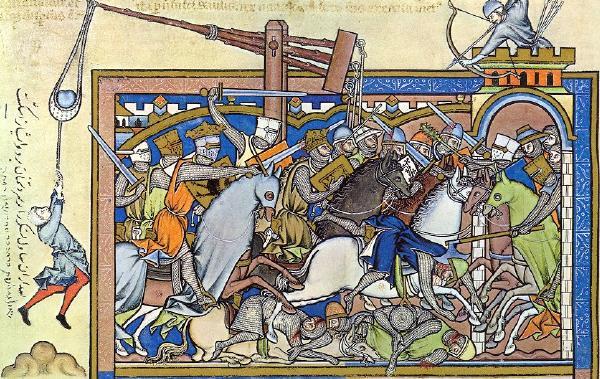
Siege warfare operated according to a fundamentally different logic than open-field battle, prioritizing endurance over decisive confrontation. Rather than seeking immediate victory through force, besieging armies aimed to isolate, exhaust, and ultimately collapse the internal structure of a fortified city. Time itself became a weapon, as prolonged encirclement steadily eroded the material and psychological capacity of defenders to resist. Success depended less on tactical brilliance than on the ability to sustain pressure over extended periods, forcing the besieged population into a slow and often irreversible decline.
Central to this strategy was the control of resources, particularly food and water, which determined how long a city could endure under siege. By severing supply lines and preventing the movement of goods and people, attackers created a closed system in which consumption inevitably outpaced replenishment. The resulting scarcity imposed difficult choices on defenders, who were forced to ration supplies and prioritize military needs over civilian welfare. As shortages intensified, these decisions became increasingly severe, revealing the extent to which survival depended on the redistribution of already limited resources.
The internal dynamics of a besieged city were shaped by this mounting scarcity, producing conditions in which social order began to fracture. Competition for food and access to clean water could lead to conflict among inhabitants, undermining collective resistance. The concentration of people within confined spaces facilitated the spread of disease, compounding the effects of malnutrition and weakening the population further. As sanitation systems broke down and waste accumulated, the environment itself became increasingly hazardous, accelerating the spread of illness and increasing mortality rates. These developments were not merely incidental consequences but predictable outcomes of the siege environment, reinforcing the effectiveness of prolonged isolation as a military strategy and ensuring that time consistently favored the attacker.
For the defenders, maintaining morale under such conditions was as critical as preserving physical resources. Hunger, illness, and the constant threat of attack created a climate of fear and uncertainty that could erode the will to resist. Leaders were often faced with the challenge of sustaining cohesion among both soldiers and civilians, balancing the need for discipline with the realities of deteriorating conditions. In many cases, the psychological strain proved as decisive as material deprivation, as despair and exhaustion led to surrender even when defenses remained physically intact.
From the perspective of the besieging force, the goal was to accelerate this process of internal collapse while minimizing direct losses. Continuous assaults on fortified positions were costly and often unsuccessful, making attrition a more efficient approach. By maintaining a blockade and applying intermittent pressure, attackers could conserve their own resources while allowing conditions within the city to deteriorate. This strategy reflected a calculated use of time, in which patience and persistence replaced immediate confrontation as the primary means of achieving victory. In addition, besieging forces often exploited moments of weakness, such as outbreaks of disease or visible signs of famine, to intensify psychological pressure through displays of force or negotiations that emphasized the inevitability of defeat. This combination of restraint and opportunism allowed attackers to maximize the effects of internal collapse while avoiding the risks associated with direct assault.
The logic of siege warfare reveals a system in which the destruction of a city’s capacity to sustain life became the central objective. Victory was achieved not through the annihilation of enemy forces in battle but through the systematic breakdown of the social, economic, and biological foundations of resistance. Civilians, as integral components of this system, were inevitably drawn into the process, their suffering serving as both a symptom and a mechanism of collapse. Siege warfare illustrates how control and resources could transform entire populations into instruments of military strategy.
Disease as a Weapon: Biological Pressure Before Modern Germ Theory
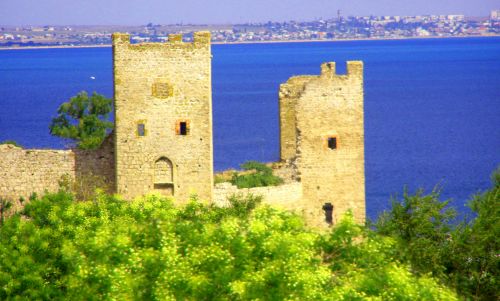
Disease played a central role in siege warfare, functioning as both an inevitable consequence of confinement and, at times, a deliberately exploited instrument of war. Long before the development of germ theory, military leaders understood that illness could devastate a population as effectively as direct violence. The crowded and unsanitary conditions within besieged cities created ideal environments for the spread of contagion, particularly when food shortages weakened immune resistance. Disease was not merely incidental but became a predictable and often decisive factor in determining the outcome of a siege.
The environmental conditions inside fortified cities under siege made outbreaks of disease almost unavoidable. As populations were compressed within defensive walls, sanitation systems deteriorated, and access to clean water became increasingly limited. Waste accumulated in streets and living spaces, while decomposing bodies, both human and animal, further contaminated the environment. These factors contributed to the spread of illnesses such as dysentery, typhus, and other infectious diseases, which could move rapidly through already weakened populations. The combination of malnutrition and overcrowding ensured that once disease took hold, it could spread with devastating speed and lethality.
While many outbreaks arose from these structural conditions, there is evidence that besieging forces sometimes sought to intensify or accelerate the spread of disease. Although they lacked a scientific understanding of pathogens, attackers recognized the relationship between decay, contamination, and illness. This awareness informed practices such as introducing refuse, corpses, or other sources of contamination into the besieged environment. These actions were based on empirical observation rather than formal medical theory, yet they demonstrate a clear attempt to manipulate environmental conditions in ways that would increase the likelihood of disease transmission. In some cases, this knowledge was reinforced by repeated experience across campaigns, as commanders observed patterns of illness following particular actions and adjusted their strategies accordingly. The result was a form of practical, experience-based reasoning that, while not scientifically grounded in the modern sense, nevertheless allowed for the intentional use of environmental degradation as a weapon.
One of the most frequently cited examples of such practices is the Mongol siege of Caffa in 1346, during which plague-infected corpses were reportedly launched into the city. Contemporary accounts, particularly that of Gabriele de’ Mussi, describe how the attackers used trebuchets to hurl bodies over the walls, exposing inhabitants to infection. While historians continue to debate the extent to which this event directly contributed to the spread of the Black Death into Europe, it remains a powerful illustration of how disease could be consciously incorporated into military strategy. The episode highlights both the limits of contemporary medical knowledge and the pragmatic willingness of commanders to exploit whatever means were available to weaken their enemies.
Beyond direct attempts to spread contagion, the prolonged nature of sieges ensured that disease would exert continuous pressure on the besieged population. As supplies dwindled and conditions worsened, the ability of inhabitants to care for the sick diminished, leading to higher mortality rates and further strain on communal resources. The presence of illness also had psychological effects, as fear of infection compounded the stress of hunger and confinement. Disease operated on multiple levels, undermining both the physical and emotional resilience of the population and contributing to the broader process of internal collapse.
The use and impact of disease in siege warfare reveal a form of biological pressure that predates modern conceptions of biological warfare but shares important similarities in intent and effect. Although ancient and medieval actors lacked the scientific frameworks that would later define such practices, they nonetheless recognized the destructive potential of illness and sought to harness it within the constraints of their knowledge. Disease became an integral component of siege strategy, demonstrating how environmental manipulation and human vulnerability could be combined to achieve military objectives. This convergence of natural processes and deliberate action underscores the complexity of pre-modern warfare, where the boundaries between incidental suffering and intentional harm were often blurred.
Catapulting Corpses and Refuse: Engineering Contagion
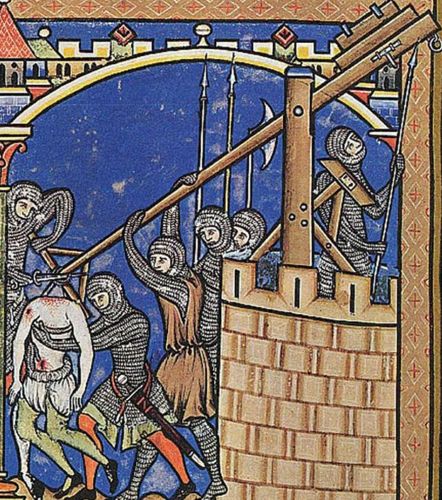
Among the most striking and controversial practices associated with siege warfare was the deliberate use of decomposing bodies and refuse as instruments of attack. By launching organic material over city walls, besieging forces sought to exploit both the physical and psychological vulnerabilities of those within. These acts combined practical knowledge of decay and disease with the tactical capabilities of siege engines, transforming tools designed for structural destruction into mechanisms of environmental contamination. While often framed in modern terms as early forms of biological warfare, these practices were rooted less in scientific understanding than in observation and experience, reflecting an empirical awareness of how decay could produce illness and disorder.
The mechanics of such actions relied on the development of increasingly sophisticated siege technology, particularly trebuchets and other forms of artillery capable of projecting heavy objects over fortified walls. Originally intended to breach defenses or damage infrastructure, these machines could also be used to deliver materials that would degrade living conditions inside the city. Corpses of humans or animals, often already in advanced stages of decomposition, were especially effective in this regard, as they introduced both physical contamination and an overwhelming stench. The selection of materials was not arbitrary, as attackers often chose substances that would maximize both the sensory impact and the likelihood of environmental degradation. The logistical effort required to collect, transport, and launch such materials also suggests a degree of planning and intentionality that goes beyond opportunistic behavior. Siege technology became adaptable, capable of serving not only as a means of destruction but also as a vehicle for manipulating the internal conditions of a besieged population.
The biological consequences of these actions, while not understood in modern microbiological terms, were nonetheless significant. Decomposing bodies could contaminate water sources, attract vermin, and contribute to the spread of disease within densely populated areas. In cities already suffering from overcrowding and limited sanitation, the introduction of additional sources of decay increased the likelihood of outbreaks and intensified existing health crises. Even if the direct transmission of specific pathogens was not always the primary effect, the overall degradation of environmental conditions made populations more susceptible to illness and weakened their ability to recover.
Equally important was the psychological impact of these practices, which amplified their effectiveness beyond their material consequences. The sight and smell of decomposing bodies hurled into the city served as constant reminders of death and vulnerability, eroding morale among both civilians and defenders. Such actions could instill fear, disgust, and a sense of inevitability, contributing to the broader strategy of breaking resistance without direct assault. In some accounts, these tactics were accompanied by other forms of psychological warfare, reinforcing the message that the besieged population was both physically and mentally under attack. The cumulative effect of these experiences could destabilize social cohesion within the city, as fear and despair began to shape daily life and decision-making. The psychological dimension of these tactics was not secondary but integral to their overall effectiveness.
Despite their dramatic nature, the historical record surrounding these practices requires careful interpretation. Accounts of catapulting corpses and refuse are often preserved in narrative sources that may emphasize their sensational aspects, raising questions about frequency and scale. While the siege of Caffa remains a well-known example, it is not necessarily representative of all sieges, and historians continue to debate how widespread such tactics were in practice. Nevertheless, the existence of these accounts underscores the extent to which siege warfare could incorporate environmental and psychological manipulation, demonstrating a willingness to exploit every available means to achieve victory.
Contaminating Water Supplies: Weaponizing Survival

Control over water sources was one of the most critical factors in determining the outcome of a siege, and the deliberate contamination of those supplies represented a particularly insidious form of warfare. Unlike food, which could sometimes be rationed or substituted, access to clean water was immediate and non-negotiable for survival. Besieging forces recognized this vulnerability and, in certain cases, sought to exploit it by rendering wells, cisterns, and rivers unsafe for consumption. By targeting water, attackers could accelerate the deterioration of health within the city, forcing inhabitants to choose between dehydration and the consumption of contaminated sources.
The methods used to contaminate water supplies were often crude but effective, relying on the introduction of decomposing organic material into key sources. Dead animals, human remains, and waste products could be thrown into wells or upstream water systems, introducing pathogens and toxins into the limited supply available to the besieged population. In enclosed urban environments, where alternative sources were scarce or nonexistent, such contamination could quickly affect large portions of the population. Even in cases where the direct biological impact was limited, the perception of poisoned water could generate fear and uncertainty, compounding the psychological stress of the siege. In addition, defenders were often unable to easily remove or purify contaminated water, especially as resources and labor became increasingly scarce, making the effects of contamination both immediate and enduring.
The consequences of contaminated water were particularly severe for vulnerable populations, including children, the elderly, and those already weakened by malnutrition. Waterborne diseases such as dysentery and typhoid could spread rapidly, exacerbating existing health crises and increasing mortality rates. As illness spread, the burden on caregivers intensified, diverting attention and resources away from defensive efforts. The sick required water as much as the healthy, creating a paradox in which the very resource needed for survival also became a vector of harm. This dynamic further strained the internal stability of the city, contributing to the broader process of collapse.
From a strategic perspective, contaminating water supplies offered a means of intensifying pressure without engaging in direct combat. It allowed besieging forces to exploit the natural dependencies of urban life, turning essential infrastructure into points of vulnerability. While not always systematically employed, the practice reflects a broader understanding of how environmental manipulation could serve military objectives. Water contamination can be seen as part of a continuum of siege tactics that sought to degrade the living conditions within the city, making resistance increasingly untenable.
The historical record suggests that while such tactics were not universally applied, they were sufficiently recognized to appear in both narrative accounts and military considerations. References to poisoned wells and fouled water supplies appear across a range of sources, indicating that contemporaries understood both the possibility and the consequences of such actions. Their effectiveness depended on local conditions, including the availability of alternative water sources and the ability of defenders to mitigate contamination. Nevertheless, the deliberate targeting of water underscores the extent to which siege warfare extended beyond the battlefield, encompassing the fundamental elements of survival itself. By weaponizing water, attackers transformed a basic necessity into a tool of coercion, reinforcing the central role of civilian suffering in the logic of siege warfare.
Starvation as Strategy: The Slow Death of the Non-Combatant
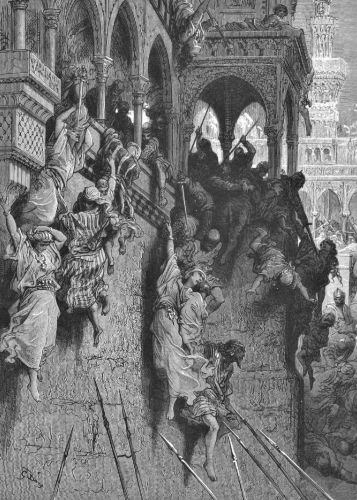
Starvation was among the most effective and widely employed strategies in siege warfare, operating as a slow but relentless force that eroded both the physical and social foundations of resistance. Unlike direct assault, which carried significant risk for attackers, starvation required patience and control rather than immediate confrontation. By encircling a city and cutting off access to external supplies, besieging forces transformed time into a weapon, allowing deprivation to weaken the population from within. Hunger was not an unfortunate byproduct of siege conditions but a deliberate mechanism through which victory could be achieved with minimal direct engagement.
The progression of famine within a besieged city followed a grim and often predictable pattern, beginning with the consumption of stored food and gradually extending to increasingly desperate measures. As supplies dwindled, inhabitants were forced to ration provisions, often prioritizing soldiers and essential defenders over the general population. This hierarchy of survival reflected the strategic importance of maintaining military capacity, even as civilian suffering intensified. Traditional food sources were exhausted, leading to the consumption of animals, spoiled provisions, and, in extreme cases, materials not ordinarily considered edible. In some recorded instances, siege conditions drove populations to consume leather, roots, or other substitutes that offered little nutritional value but temporarily alleviated hunger. Such conditions reveal the extent to which siege warfare could drive populations beyond the limits of normal subsistence, reshaping daily life into a continuous struggle for survival under increasingly desperate circumstances.
The burden of starvation fell most heavily on the most vulnerable members of society, including children, the elderly, and the sick, who were least able to endure prolonged deprivation. These groups often experienced the effects of malnutrition first and most severely, their declining health serving as an early indicator of the broader crisis unfolding within the city. As mortality increased, the social fabric of the community began to deteriorate, with caregiving systems overwhelmed and communal bonds strained by the necessity of survival. The prioritization of military needs further exacerbated these inequalities, reinforcing the role of civilians as expendable elements within the logic of siege warfare.
Historical accounts of sieges frequently describe the psychological toll of starvation alongside its physical consequences, highlighting the profound impact of prolonged hunger on morale and decision-making. As conditions worsened, desperation could lead to internal conflict, the breakdown of discipline, and the erosion of trust among inhabitants. Individuals and families were often forced into morally difficult choices, including the abandonment of dependents or the hoarding of scarce resources, further destabilizing social cohesion. Leaders faced mounting pressure to surrender, as the continued defense of the city came at the cost of escalating civilian suffering. In many cases, the decision to capitulate was driven less by the strength of enemy forces than by the inability to sustain the population under siege conditions, demonstrating the effectiveness of starvation as a tool of coercion and psychological domination.
The strategic use of starvation underscores the extent to which siege warfare depended on the manipulation of essential human needs to achieve military objectives. By denying access to food, attackers transformed the basic requirement of sustenance into a weapon capable of breaking even the most fortified defenses. This approach highlights the central role of civilians within the broader system of siege dynamics, as their survival was directly tied to the capacity of the city to resist. Starvation not only weakened individuals physically but also dismantled the social structures that sustained collective resistance, making organized defense increasingly difficult to maintain. Starvation functioned not only as a method of weakening defenders but as a deliberate strategy that targeted the most vulnerable to compel surrender, revealing the deeply integrated role of civilian suffering in pre-modern military practice.
Preventing Escape: Trapping the Vulnerable
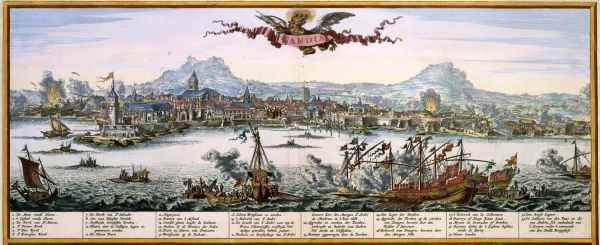
A defining feature of many sieges in the ancient and medieval worlds was the deliberate prevention of civilian escape, a strategy that intensified internal pressure within besieged cities. While it might appear logical for defenders to expel non-combatants to conserve resources, besieging forces often blocked or reversed such attempts. By refusing to allow civilians to leave, attackers ensured that the population inside the walls would continue to consume limited food and water supplies. The presence of vulnerable individuals became an asset to the besieger, as their needs accelerated the depletion of resources and hastened the collapse of resistance.
This strategy was not always implemented uniformly, but historical accounts suggest that it was recognized as an effective means of exerting pressure. In some cases, civilians who attempted to flee were driven back toward the city, effectively sealing the population within a closed system of scarcity and disease. Such actions reveal a calculated understanding of how population dynamics could influence the outcome of a siege. Rather than allowing the defenders to reduce the number of mouths to feed, attackers sought to maintain or even increase the burden on the city’s resources, thereby shortening the time required to achieve surrender.
The consequences of this containment were particularly severe for those least able to endure prolonged hardship. The sick, elderly, and children, already vulnerable to malnutrition and disease, were forced to remain in conditions that steadily deteriorated. As resources diminished, these groups were often the first to suffer and the least likely to receive priority in the distribution of food and care. Their continued presence within the city contributed to the overall strain on the population, reinforcing the role of vulnerability as a strategic factor within siege warfare. This dynamic could produce visible and escalating humanitarian crises, with increasing numbers of individuals unable to work, defend, or even care for themselves. The accumulation of suffering among these groups served as both a symptom and a driver of collapse, as their needs continued to consume scarce resources while contributing to the general weakening of the population.
For defenders, the question of whether to allow or force the expulsion of non-combatants presented both practical and moral dilemmas. On the one hand, reducing the population could extend the duration of resistance by conserving supplies. On the other, expelling civilians exposed them to the mercy of the besieging army, where they might be killed, enslaved, or driven back into the city. In some instances, leaders chose to retain civilians within the walls, accepting the strain on resources rather than abandoning them to uncertain fates. In other cases, attempts to expel non-combatants resulted in tragic outcomes, as those forced out found themselves trapped between opposing forces, unable to reenter the city yet denied safe passage by the besiegers. These situations reveal the deeply constrained nature of decision-making under siege conditions, where every option carried significant human cost and no resolution could fully mitigate the suffering involved.
From the perspective of the besieging force, preventing escape complemented other strategies aimed at accelerating internal collapse. By maintaining a high population within the city, attackers could amplify the effects of starvation, disease, and psychological stress. The inability of civilians to leave reinforced the sense of entrapment, contributing to a climate of desperation that could undermine morale and cohesion. This approach minimized the need for direct assault while maximizing the impact of environmental and social pressures, demonstrating the efficiency of containment as a tactic.
The deliberate trapping of civilian populations underscores the extent to which siege warfare blurred the boundaries between combatant and non-combatant. Civilians were not merely passive victims of circumstance but were actively incorporated into the strategic framework of the siege. Their presence, needs, and suffering became tools through which attackers could achieve their objectives. In addition, the inability to escape removed any possibility of alleviating pressure through population reduction, ensuring that the internal crisis would intensify. This deliberate immobilization of vulnerable populations highlights the calculated nature of siege warfare, in which control over movement was as critical as control over resources. The prevention of escape reveals a critical dimension of siege warfare, demonstrating how the manipulation of human vulnerability could be systematically integrated into military strategy.
Psychological Warfare: Terror as a Tool of Collapse
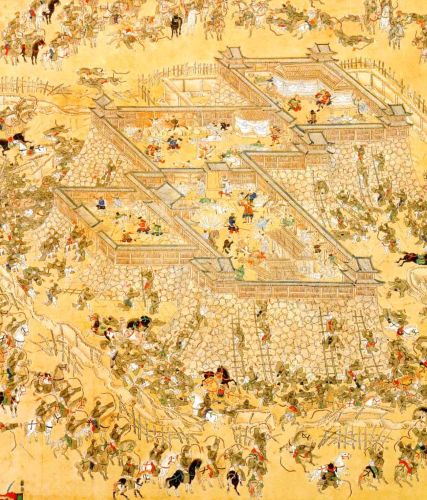
Psychological warfare formed a critical and often decisive component of siege strategy, operating alongside starvation and disease to erode the will of a besieged population. While physical deprivation weakened the body, terror targeted the mind, undermining morale and cohesion within the city. Besieging forces understood that fear could spread more rapidly than hunger and could compel surrender even before material conditions reached their absolute limits. By cultivating an atmosphere of dread, attackers sought to destabilize the defenders’ capacity to maintain order, discipline, and collective resolve.
One of the most striking methods of psychological warfare involved the display or projection of violence directly into the besieged space. Historical accounts describe the use of severed heads, mutilated bodies, or the remains of captured soldiers being launched over city walls or displayed prominently for defenders to see. These acts were intended not merely as demonstrations of power but as calculated efforts to communicate the futility of resistance. The message was clear and immediate: continued defiance would result in destruction not only of the military force but of the entire population. Such spectacles transformed the physical boundary of the city wall into a conduit for terror, collapsing the distinction between the external threat and the internal experience of fear.
The psychological impact of these tactics was magnified by the conditions already present within a besieged city. As hunger, disease, and exhaustion took their toll, the population became increasingly susceptible to panic and despair. Rumors, often fueled by the visible actions of the besiegers, could spread rapidly, amplifying fear and undermining trust in leadership. Civilians, already suffering disproportionately, were particularly vulnerable to these pressures, and their distress could influence the broader morale of the defenders. In addition, the constant exposure to signs of violence, whether through visual displays or the knowledge of what awaited beyond the walls, created a pervasive sense of inevitability that could erode resistance from within. Leaders faced the dual challenge of maintaining order while confronting a population increasingly inclined toward surrender, and even minor disruptions could cascade into broader breakdowns in discipline. Psychological warfare operated in tandem with other siege strategies, reinforcing and accelerating their effects through the manipulation of perception, emotion, and collective expectation.
The use of terror in siege warfare reveals a sophisticated understanding of the relationship between human psychology and military outcomes. Victory did not always require the complete destruction of defenses; it could be achieved through the collapse of will. By targeting the minds of both soldiers and civilians, attackers sought to create a situation in which surrender appeared not only inevitable but preferable to continued resistance. This integration of psychological and material strategies underscores the complexity of siege warfare, where the battle for control extended beyond physical space into the realm of human experience and perception.
Case Studies: Siege Warfare in Practice
Historical case studies of siege warfare reveal how the theoretical strategies of deprivation, disease, and psychological pressure were applied in concrete situations across the ancient and medieval worlds. These events demonstrate that the targeting of civilian populations was not incidental but embedded within the operational logic of siegecraft. By examining specific examples, it becomes possible to see how tactics such as starvation, contamination, and terror were combined to produce cumulative effects that overwhelmed even well-defended cities. The lived experience of siege conditions provides critical insight into how these strategies functioned in practice, moving beyond abstract military theory to the realities faced by those trapped within besieged environments. These cases also highlight the adaptability of siege tactics across different cultural and temporal contexts, underscoring the persistence of methods that exploited human vulnerability as a central component of warfare.
One of the most frequently cited examples is the siege of Caffa in 1346, in which Mongol forces reportedly catapulted plague-infected corpses into the city. This act, described in contemporary accounts, illustrates the deliberate use of disease as a weapon against a confined population. While the exact epidemiological impact remains debated, the symbolic and psychological effects were significant, reinforcing fear and uncertainty among the inhabitants. The siege of Caffa has often been interpreted as an early instance of biological warfare, demonstrating how attackers exploited both the physical and psychological vulnerabilities of a besieged population to accelerate collapse.
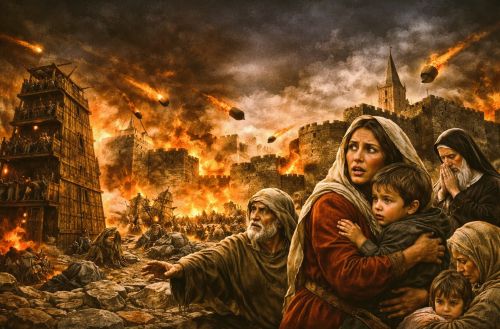
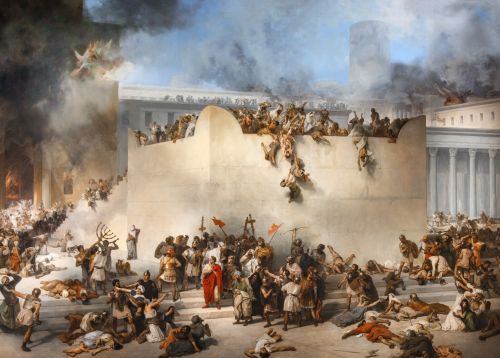
Another illustrative case is the Roman siege of Jerusalem in 70 CE, documented extensively by Flavius Josephus. The Roman forces encircled the city, cutting off food supplies and trapping a large civilian population within its walls. As famine took hold, internal divisions intensified, and violence erupted among the inhabitants themselves. Josephus describes scenes of extreme deprivation and suffering, including the breakdown of social order and the prioritization of survival over communal bonds. These accounts reveal how starvation not only weakened the population physically but also destabilized the internal cohesion necessary for sustained resistance. The siege became a process of internal disintegration as much as external assault, with the suffering of civilians playing a central role in the ultimate fall of the city. This example demonstrates the effectiveness of starvation as a strategy, as the city’s defenses ultimately failed under the combined weight of internal collapse and sustained military pressure.
Medieval sieges across Europe further demonstrate the use of water contamination and environmental degradation as tools of warfare. Attackers frequently sought to poison wells or disrupt access to clean water, creating conditions in which disease could spread rapidly among the population. In these contexts, the vulnerability of civilians became a central factor in the success of the siege, as outbreaks of illness weakened both the general population and the defending forces. Such tactics highlight the integration of environmental manipulation into the broader strategy of siege warfare.
The siege of Antioch during the First Crusade (1097–1098) provides another example of the complex interplay between resource scarcity, disease, and morale. Both the besieging Crusader forces and the defenders within the city experienced severe shortages of food and outbreaks of illness, demonstrating that siege conditions could affect all parties involved. The confinement of civilians within the city amplified the internal crisis, as their needs further strained limited resources. The prolonged duration of the siege intensified these pressures, creating a situation in which survival itself became uncertain for large portions of the population. Reports from the period describe extreme hunger, desperation, and the erosion of morale, all of which influenced the strategic decisions made by both attackers and defenders. The eventual outcome of the siege reflects how prolonged deprivation and psychological stress could shape the course of military events, reinforcing the importance of civilian suffering within the broader dynamics of siege warfare.
These case studies illustrate the consistent pattern through which siege warfare targeted civilian populations as part of a broader strategy of attrition. Whether through starvation, disease, or terror, attackers sought to exploit the vulnerabilities inherent in densely populated, enclosed environments. These examples underscore the extent to which siege warfare functioned as a form of total war, in which the distinction between military and civilian targets was effectively erased. By examining these historical instances, it becomes clear that the suffering of non-combatants was not an accidental consequence but a deliberate and often decisive element of siege strategy.
Historiography: Interpreting Violence against Civilians
The historiography of violence against civilians in siege warfare has evolved significantly, reflecting broader shifts in how historians understand warfare, society, and morality in the ancient and medieval worlds. Earlier scholarship often treated civilian suffering as incidental, focusing primarily on military strategy, leadership, and the outcomes of campaigns. Sieges were analyzed as technical operations, with attention given to logistics, engineering, and battlefield tactics, while the experiences of non-combatants remained largely peripheral. This approach mirrored a long-standing tendency in military history to privilege the actions of elites and commanders over the lived realities of ordinary people.
More recent historiographical developments have challenged this perspective by placing civilians at the center of analysis, emphasizing the deliberate and systematic nature of violence directed against them. Influenced by social and cultural history, scholars have increasingly examined how siege warfare operated as a form of total pressure, in which the targeting of populations was integral rather than accidental. This shift has been supported by a closer reading of primary sources, which often contain vivid descriptions of famine, disease, and psychological trauma within besieged cities. By foregrounding these experiences, historians have reinterpreted sieges as complex events that reshaped entire communities, rather than narrowly defined military engagements.
Debates persist regarding the extent to which such violence should be understood as intentional policy versus structural consequence. Some historians argue that the suffering of civilians was an unavoidable outcome of pre-modern warfare, driven by logistical constraints and the absence of modern humanitarian norms. Others contend that commanders possessed both the knowledge and the capacity to mitigate these effects but chose not to do so, instead incorporating civilian suffering into their strategic calculations. This perspective emphasizes the agency of military leaders and the possibility that choices were made, even within constrained circumstances, that prioritized expediency over humanitarian considerations. The debate is further complicated by the variability of siege practices across time and place, suggesting that no single explanatory model can fully account for the range of observed behaviors. Historians continue to grapple with the question of whether civilian suffering should be interpreted primarily as a byproduct of systemic conditions or as an intentional instrument of war.
Another important dimension of historiography concerns the interpretation of sources themselves, many of which were written by elite observers with specific political or rhetorical agendas. Accounts of extreme suffering, including famine and disease, may have been shaped by efforts to dramatize events, justify actions, or assign blame. Historians must navigate the tension between recognizing the reality of civilian suffering and critically assessing the reliability and purpose of the sources that describe it. This methodological challenge has led to increasingly nuanced analyses that combine textual evidence with archaeological and environmental data to reconstruct siege conditions more accurately.
The historiography of violence against civilians in siege warfare reflects a broader transformation in historical inquiry, moving from a focus on battles and leaders to an emphasis on human experience and structural dynamics. By situating civilian suffering within the strategic logic of siege warfare, modern scholarship has revealed the extent to which vulnerability itself became a weapon. This interpretive shift not only deepens our understanding of past conflicts but also invites reflection on the ethical dimensions of warfare across time, highlighting the enduring tension between military necessity and human cost.
Conclusion: Siege Warfare and the Pre-Modern Logic of Total War
Siege warfare in the ancient and medieval worlds reveals a form of conflict that, while lacking the industrial scale of modern warfare, nevertheless operated according to principles that blurred the distinction between combatant and non-combatant. The systematic targeting of civilian populations through starvation, disease, and psychological pressure demonstrates that total war, in a conceptual sense, did not originate in the modern era but has deeper historical roots. Within the confined space of a besieged city, the entire population became entangled in the mechanics of war, with survival itself transformed into a strategic variable.
The strategies examined throughout this study show that civilian suffering was not merely incidental but integral to the success of siege operations. By manipulating access to food, water, and movement, attackers were able to convert basic human needs into instruments of coercion. The deliberate containment of vulnerable populations, combined with the use of terror and environmental degradation, created conditions in which resistance became increasingly unsustainable. These methods reveal a calculated understanding of how to exploit the interdependence of social systems, where the weakening of one segment of the population could undermine the stability of the whole. In addition, the cumulative nature of these pressures meant that even minor disruptions could escalate into systemic collapse, as shortages, illness, and fear reinforced one another. The integration of these tactics into a cohesive strategy underscores the extent to which siege warfare depended on the deliberate orchestration of human vulnerability as a means of achieving military objectives.
The experience of siege warfare highlights the limits of pre-modern military power, particularly in its reliance on time and attrition rather than decisive engagement. The prolonged nature of sieges imposed significant costs on both attackers and defenders, requiring sustained resources and endurance. Yet it was precisely this temporal dimension that allowed for the systematic erosion of civilian populations, as the gradual accumulation of deprivation and fear achieved what immediate assault often could not. Siege warfare represents a form of strategic patience, in which victory emerged not from a single decisive moment but from the controlled intensification of suffering.
The study of siege warfare and its impact on civilians offers a broader perspective on the nature of conflict in the pre-modern world. It reveals a mode of warfare in which the boundaries between military necessity and human cost were deeply intertwined, and in which the vulnerabilities of non-combatants were consciously incorporated into strategic planning. By examining these dynamics, it becomes clear that the logic of total war, understood as the mobilization and targeting of entire populations, has a long and complex history. This recognition not only deepens our understanding of past conflicts but also invites reflection on the enduring ethical challenges posed by warfare across time. It also suggests that the moral dilemmas associated with targeting civilian populations are not solely a product of modern industrial warfare but are rooted in longstanding strategic traditions. Recognizing this continuity allows for a more nuanced interpretation of both historical and contemporary conflicts, highlighting the persistent tension between the pursuit of victory and the protection of human life.
Bibliography
- Alchon, Suzanne Austin. A Pest in the Land: New World Epidemics in a Global Perspective. Albuquerque: University of New Mexico Press, 2003.
- Benedictow, Ole Jørgen. The Black Death, 1346–1353: The Complete History. Woodbridge: Boydell Press, 2004.
- Carus, W. Seth. “Biological Warfare in the 17th Century.” Emerging Infectious Diseases 22:9 (2016), 1663-1664.
- Contamine, Philippe. War in the Middle Ages. Oxford: Blackwell, 1980.
- Dols, Michael W. The Black Death in the Middle East. Princeton: Princeton University Press, 1977.
- Duffy, Christopher. Siege Warfare: The Fortress in the Early Modern World 1494–1660. London: Routledge, 1979.
- Erdkamp, Paul. Hunger and the Sword: Warfare and Food Supply in Roman Republican Wars (264–30 BC). Amsterdam: Gieben, 1998.
- Flavius Josephus. The Jewish War. Translated by G. A. Williamson. London: Penguin Classics, 1981.
- France, John. Victory in the East: A Military History of the First Crusade. Cambridge: Cambridge University Press, 1994.
- Garnsey, Peter. Famine and Food Supply in the Graeco-Roman World: Responses to Risk and Crisis. Cambridge: Cambridge University Press, 1988.
- Goldsworthy, Adrian. The Complete Roman Army. London: Thames and Hudson, 2003.
- —-. Roman Warfare. London: Cassell, 2000.
- Haldon, John. Warfare, State and Society in the Byzantine World, 565–1204. London: Routledge, 1999.
- Horrox, Rosemary. The Black Death. Manchester: Manchester University Press, 1994.
- Keegan, John. A History of Warfare. New York: Vintage Books, 1993.
- Keen, Maurice. Medieval Warfare: A History. Oxford: Oxford University Press, 1999.
- Navarrete, Federico. “Beheadings and Massacres: Andean and Mesoamerican Representations of the Spanish Conquest.” RES: Anthropology and Aesthetics 53/54 (2008), 59-78.
- Reeder, Caryn A. “Pity the Women and Children: Punishment by Siege in Josephus’s “’Jewish War’.” Journal for the Study of Judaism in the Persian, Hellenistic, and Roman Period 44:2 (2013), 174-194.
- Rosenwein, Barbara H. A Short History of the Middle Ages. 4th ed. Toronto: University of Toronto Press, 2014.
- Thucydides. History of the Peloponnesian War. Translated by Rex Warner. Revised by M.I. Finley. London: Penguin Classics, 1972.
- Wheelis, Mark. “Biological Warfare at the 1346 Siege of Caffa.” Emerging Infectious Diseases 8:9 (2002), 971–975.
- Williams, Gareth. “By Hook or By Crook: Siege Warfare in the Fourteenth Century.” Medieval Warfare 3:1 (2013), 13-17.
Originally published by Brewminate, 04.02.2026, under the terms of a Creative Commons Attribution-NonCommercial-NoDerivatives 4.0 International license.
About the Author