The trace italienne revolutionized fortification through geometry and firepower, reshaping warfare, strengthening early modern states, and leaving a global architectural legacy.

By Matthew A. McIntosh
Public Historian
Brewminate
Introduction: Rethinking Fortification in the Age of Gunpowder
The emergence of the star fort, or trace italienne, marked a decisive transformation in the history of military architecture, one driven not by aesthetic preference but by the disruptive force of gunpowder weaponry. For centuries, fortified defense had relied upon height, mass, and verticality, with towering stone walls and crenellated battlements designed to repel siege engines and scaling attackers. By the late fifteenth century, the increasing power and accuracy of cannon fire rendered these traditional forms dangerously obsolete. The new conditions of warfare demanded a fundamental reconsideration of how space, structure, and defense operated together, leading to the development of fortifications that were lower, thicker, and geometrically precise rather than imposing in elevation.
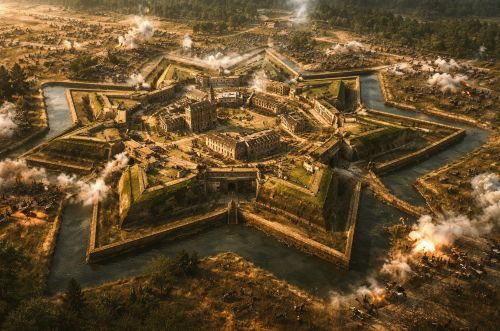
At the core of this transformation was a shift from vertical defense to horizontal resilience. Star forts were defined by their angular bastions, projecting outward in triangular forms that eliminated blind spots and allowed defenders to maintain continuous fields of fire along the perimeter. These designs ensured that any attacking force would be exposed to overlapping artillery and small arms fire, turning the fort into an integrated system of controlled violence. The walls, often reinforced with packed earth behind masonry facings, absorbed and deflected cannon impacts far more effectively than the brittle stone surfaces of earlier castles. The trace italienne did not simply respond to artillery; it incorporated the logic of artillery into its very structure.
The development of these fortifications also reflected broader intellectual currents of the Renaissance, particularly the application of geometry, mathematics, and engineering to practical problems. Military architects treated fortification design as a scientific discipline, producing detailed treatises that codified principles of angle, distance, and proportion. Francesco di Giorgio Martini and later Sébastien Le Prestre de Vauban exemplified this fusion of theoretical knowledge and practical application, demonstrating how fortifications could be systematically planned to maximize defensive efficiency. These works did not exist in isolation but circulated widely among courts, engineers, and military planners, contributing to a shared body of technical knowledge that transcended regional boundaries. The emphasis on measurement and calculation reflected a broader Renaissance confidence in the ability of human reason to impose order on the physical world, and fortifications became one of the clearest expressions of this intellectual shift. The star fort was not only a response to artillery but also a product of a culture increasingly committed to rational design, standardization, and the practical application of scientific principles to matters of state security.
Star forts represent not merely an evolution of earlier defensive forms but a profound reconfiguration of military thinking itself. They embody a moment when technological change forced a redefinition of space, power, and vulnerability, aligning architecture with the realities of early modern warfare. Rather than signaling the decline of fortification, the rise of the trace italienne illustrates its adaptation, revealing how states responded to new threats by reshaping both their landscapes and their strategies. These fortifications stand as enduring evidence of a world in transition, where innovation emerged not from continuity alone but from the necessity of survival in an age transformed by gunpowder.
The Shock of 1453: Constantinople and the End of the Medieval Fortress

The fall of Constantinople in 1453 marked a profound turning point in the history of warfare, one that exposed the vulnerabilities of medieval defensive systems in the face of emerging artillery technologies. For centuries, the Theodosian Walls had stood as one of the most formidable fortification systems in the world, successfully repelling numerous sieges through their height, thickness, and layered defensive structure. Yet the Ottoman siege under Sultan Mehmed II demonstrated that even the most advanced medieval fortifications could be overcome when confronted with sustained cannon fire, signaling the beginning of the end for traditional castle design.
Central to this transformation was the effective use of large bombards, particularly those designed by the engineer Urban, which could deliver repeated blows against the walls with unprecedented force. Although these early cannons were cumbersome and required significant logistical support, their psychological and physical impact was immense. Transporting and positioning such massive artillery pieces demanded coordinated labor, specialized equipment, and careful planning, illustrating the increasing complexity of siege warfare. Once deployed, these weapons altered the rhythm of the siege itself, as repeated bombardment gradually weakened defensive structures that had once been considered nearly impregnable. Sections of the walls that had withstood centuries of attack began to crack and collapse under sustained fire, demonstrating that the defensive advantage of height could be neutralized through persistence and technological innovation. This shift forced contemporaries to confront a new reality in which even the most established forms of defense were no longer secure against determined and well-equipped attackers.
The implications of Constantinople’s fall rippled across Europe, where rulers and military planners quickly recognized the need to rethink existing defensive strategies. The symbolic weight of the city’s capture, long regarded as a bastion of Christian power and imperial continuity, intensified the urgency of this reassessment. Reports of the siege circulated widely, spreading both fear and fascination as observers sought to understand how such a formidable city had been taken. Fortifications that had once been seen as permanent and unassailable were suddenly understood to be vulnerable under new conditions of warfare, prompting debates among engineers and rulers about how best to respond. This awareness contributed to a broader shift in military thinking, encouraging experimentation and innovation rather than reliance on inherited models. The Italian city-states, frequently engaged in warfare and exposed to external threats, became centers of rapid adaptation, where new ideas about fortification could be tested and refined.
Engineers began to move away from the vertical emphasis of medieval castles toward designs that prioritized depth, thickness, and angular geometry. Lower walls, reinforced with earth, proved more resistant to cannon fire, while angled surfaces helped deflect incoming projectiles rather than absorb their full impact. The goal was no longer to intimidate attackers through imposing height but to withstand prolonged bombardment and create opportunities for defensive counterfire. This shift represented not merely a technical adjustment but a fundamental reorientation of how fortifications were conceived and constructed.
The siege of Constantinople revealed the growing importance of coordination between artillery, infantry, and engineering in both attack and defense. The Ottomans’ ability to combine sustained bombardment with strategic assaults and logistical planning demonstrated a new level of military organization that would become increasingly characteristic of early modern warfare. The integration of different forms of military power allowed for more flexible and effective strategies, reducing reliance on any single method of attack. For defenders, this development posed new challenges, as static fortifications could no longer function in isolation from broader military systems. Effective defense required coordination between structural design, troop deployment, and resource management, as well as the ability to respond dynamically to changing conditions during a siege. These developments highlighted the limitations of medieval fortresses, which had been designed for a different kind of warfare, and underscored the need for more adaptable and resilient defensive solutions.
The events of 1453 did not simply mark the fall of a single city but initiated a wider process of military and architectural change. The lessons of Constantinople accelerated the development of new fortification designs that would eventually culminate in the trace italienne, reshaping the defensive landscapes of Europe and beyond. The siege stands as both an endpoint and a beginning, closing the chapter on medieval fortification while opening a new era defined by adaptation, innovation, and the demands of gunpowder warfare.
Engineering the Trace Italienne: Geometry, Firepower, and Defense
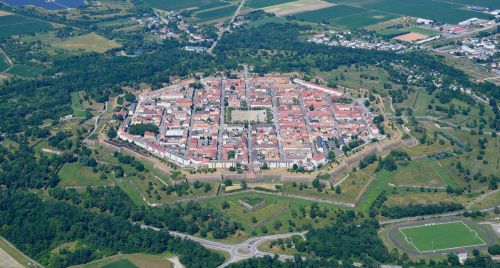
The development of the trace italienne represented a decisive shift in military engineering, one in which geometry became as important as material strength in determining the effectiveness of fortifications. Unlike medieval castles, which relied on vertical walls and towers to dominate the surrounding landscape, star forts were defined by low, angular designs that integrated defensive firepower into their very structure. The emphasis on shape and proportion reflected a new understanding of how artillery functioned, requiring fortifications that could both withstand and respond to sustained bombardment. Engineering was no longer a matter of reinforcing walls alone but of designing entire defensive systems based on calculated relationships between space, angle, and visibility.
At the heart of the trace italienne was the bastion, a projecting angular structure that allowed defenders to cover adjacent walls with overlapping fields of fire. These bastions eliminated the blind spots that had plagued earlier fortifications, where attackers could approach sections of wall without being directly targeted. By extending outward in triangular or pentagonal forms, bastions enabled defenders to fire along the length of the walls, creating what became known as flanking fire. This innovation transformed the defensive perimeter into an interconnected network of coverage, where every approach was exposed to sustained and coordinated resistance.
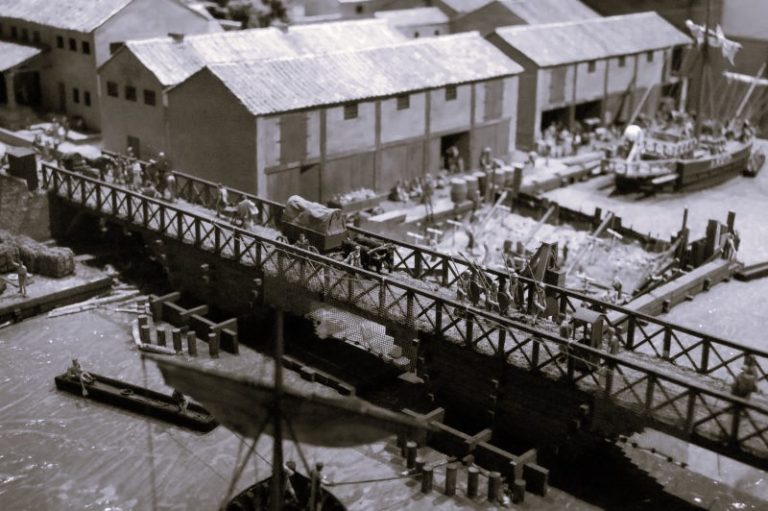
The walls themselves were also fundamentally reimagined in response to artillery. Rather than constructing tall stone barriers that could shatter under cannon fire, engineers designed lower ramparts backed by thick layers of earth, which absorbed and dissipated the energy of incoming projectiles. The combination of masonry and earthwork created structures that were both resilient and adaptable, capable of withstanding repeated bombardment without catastrophic failure. The use of earth was particularly significant, as it could be repaired more easily than stone and was less prone to sudden collapse under sustained impact. These ramparts were constructed with carefully layered materials, combining compacted soil, gravel, and masonry facings to maximize durability. The reduced height of these walls also minimized their visibility and vulnerability, presenting attackers with less a target while maintaining the fort’s defensive integrity. Together, these innovations reflected a deliberate effort to design fortifications that could endure prolonged sieges rather than rely on intimidation or sheer scale.
Surrounding these core structures were additional defensive features that further enhanced the effectiveness of the design. Deep ditches, or moats, prevented direct access to the walls, while sloped glacis extended outward to expose advancing enemies to defensive fire for longer periods. Ravelins and other outworks added layers of protection, forcing attackers to engage multiple defensive lines before reaching the main fortification. These elements worked together to create a defensive depth that was absent in earlier designs, transforming the act of siege warfare into a prolonged and complex process.
The precision required to construct such fortifications reflected the growing influence of mathematical and scientific thinking in early modern Europe. Engineers relied on detailed plans and measurements to ensure that every angle and distance contributed to the overall defensive strategy. This process often involved surveying terrain, calculating lines of sight, and adjusting designs to account for local conditions, demonstrating a high degree of technical sophistication. Treatises on fortification circulated widely, standardizing techniques and promoting the exchange of knowledge across regions, and they frequently included diagrams that illustrated ideal geometric forms alongside practical instructions. This intellectual framework elevated military engineering to a specialized discipline, where success depended on the ability to apply abstract principles to practical challenges. The trace italienne can be understood not only as a response to artillery but also as an expression of a broader cultural commitment to rationality, precision, and systematic design.
Yet the trace italienne was not without its limitations. The construction and maintenance of these fortifications required significant financial and material resources, placing a heavy burden on the states that built them. Their effectiveness also depended on proper garrisoning and coordination, meaning that even the most advanced designs could fail if not adequately supported. Nonetheless, the trace italienne represented a profound advancement in defensive architecture, reshaping the relationship between technology, warfare, and the built environment in the early modern world.
Italian Origins and European Diffusion
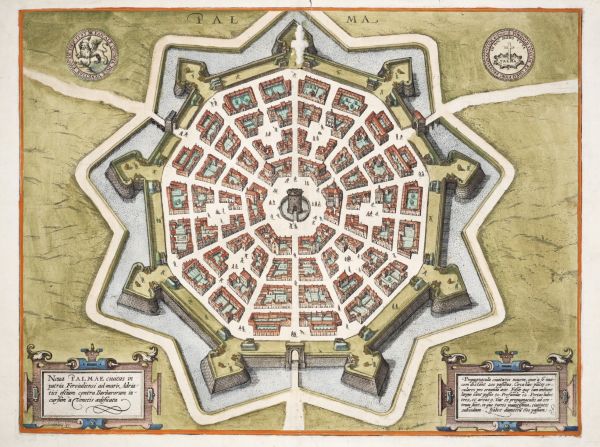
The trace italienne emerged first in the fragmented political landscape of Renaissance Italy, where intense competition among city-states fostered rapid military innovation. Frequent conflicts between powers such as Florence, Venice, Milan, and the Papal States created a constant demand for improved defensive strategies, particularly as artillery became more effective in siege warfare. Italian engineers were among the first to recognize that traditional medieval fortifications could not withstand sustained cannon fire, prompting experimentation with new designs that emphasized angular geometry and lower profiles. This construct of rivalry and adaptation allowed the trace italienne to take shape as both a practical solution and a theoretical model for fortification. The political instability of the peninsula, combined with its economic vitality and access to skilled artisans, created ideal conditions for experimentation, where failure could be studied and rapidly corrected. Italy functioned as a laboratory of military architecture, where necessity and intellectual curiosity combined to produce a transformative approach to defense.
Early examples of these new fortifications appeared in cities such as Verona, Padua, and Lucca, where engineers began incorporating bastions and earthen ramparts into existing defensive systems. These modifications were often iterative rather than revolutionary, reflecting a gradual process of refinement as engineers tested different configurations against real-world conditions. The Italian Wars of the late fifteenth and early sixteenth centuries accelerated this process, as foreign armies invaded the peninsula and exposed weaknesses in traditional defenses. Italian designers increasingly systematized their approaches, producing fortifications that could resist artillery while maintaining effective lines of defensive fire.
The diffusion of the trace italienne beyond Italy was closely tied to the movement of both armies and expertise across Europe. As French, Spanish, and Holy Roman Empire forces campaigned in Italy, they encountered these new fortifications firsthand and recognized their strategic value. Engineers and military specialists were often recruited or captured, spreading knowledge of Italian techniques to other regions. Monarchs and military leaders began commissioning similar designs for their own territories, adapting them to local conditions while preserving their core principles. This process was reinforced by the circulation of architectural treatises, which translated practical experience into formalized knowledge that could be studied and replicated. Francesco di Giorgio Martini and later military theorists helped codify these principles, ensuring that the trace italienne could be transmitted beyond the immediate context of Italian warfare. What began as a localized response to artillery became an intellectual and practical framework that reshaped European military planning.
By the mid-sixteenth century, the trace italienne had become a defining feature of European military architecture, particularly in regions prone to conflict such as the Low Countries and the Franco-Spanish frontier. In these areas, the construction of star forts reshaped both urban landscapes and strategic planning, as cities were redesigned to accommodate new defensive requirements. The influence of Italian engineering was evident not only in the physical structures themselves but also in the training and organization of military engineers, who increasingly operated within a shared intellectual framework. This standardization facilitated the rapid adoption of similar designs across diverse political and geographic contexts.
Despite its widespread adoption, the trace italienne was never a static or uniform system. Local adaptations and ongoing innovations continued to shape its development, reflecting the diverse challenges faced by European states. Engineers adjusted designs to account for terrain, available resources, and evolving offensive technologies, ensuring that the system remained dynamic rather than fixed. The spread of the trace italienne illustrates both the power of a compelling military idea and the importance of flexibility in its application, as European powers sought to balance theoretical ideals with practical realities.
Global Expansion: Star Forts Beyond Europe
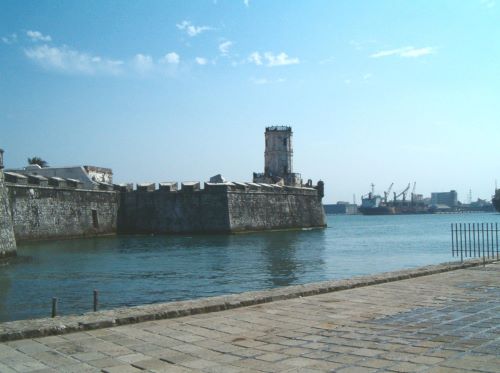
As European powers expanded overseas in the early modern period, the trace italienne traveled with them, becoming a defining feature of colonial military architecture. The same principles that had reshaped warfare in Italy and across Europe were now applied in distant territories, where fortifications served not only defensive purposes but also projected authority and control. Empires such as Spain, Portugal, France, and the Dutch Republic invested heavily in constructing star forts to secure trade routes, protect settlements, and assert dominance over contested regions. In these new contexts, fortifications were as much instruments of empire as they were responses to military threats.
The adaptation of the trace italienne to non-European environments required significant adjustments, as engineers confronted unfamiliar climates, terrains, and logistical challenges. In tropical regions, for example, heavy rainfall and unstable soils demanded modifications to drainage systems and construction techniques, while in arid areas the availability of materials influenced the composition of ramparts. Coastal environments introduced additional complications, including saltwater corrosion, shifting sands, and the need to integrate fortifications with naval defenses. Despite these variations, the core geometric principles of bastioned design remained intact, demonstrating the flexibility of the system. Engineers balanced theoretical ideals with practical necessity, often revising plans during construction to account for unforeseen environmental constraints. This capacity for adaptation ensured that star forts could function effectively under diverse and often hostile conditions, reinforcing their value as a universal model of defense.
In the Americas, star forts became central to the defense of colonial cities and strategic ports. Spanish engineers constructed extensive fortifications in places such as Havana, Cartagena, and San Juan, creating interconnected systems that protected both urban centers and maritime approaches. These structures were designed to withstand not only European rivals but also piracy and local resistance, reflecting the complex security environment of the colonial world. The visibility and permanence of these forts reinforced imperial presence, signaling both military strength and administrative authority.
Across Asia and Africa, European powers similarly employed the trace italienne to secure footholds in key commercial and strategic locations. Portuguese and Dutch forts along the coasts of India and Southeast Asia, as well as in parts of West Africa, illustrate how bastioned designs were integrated into global trade networks. These fortifications often functioned as hubs of economic activity, combining military defense with warehousing, administration, and trade. Their placement at critical choke points underscored the connection between fortification and the control of commerce, as well as the broader dynamics of imperial competition. These sites became focal points of sustained conflict, as rival European powers and local states contested access to valuable resources and trade routes. The strategic logic of the trace italienne extended beyond defense, shaping patterns of expansion and rivalry on a global scale.
The global spread of star forts also facilitated the exchange of knowledge between European and non-European actors. Local labor forces, materials, and building traditions influenced the construction and maintenance of these fortifications, resulting in hybrid forms that blended imported designs with regional practices. Indigenous expertise often played a crucial role in adapting structures to local conditions, whether through the selection of materials or the modification of layouts to suit environmental realities. In some cases, non-European states adopted and adapted bastioned fortifications for their own purposes, recognizing their effectiveness in the face of changing military technologies. This exchange was not always equal or voluntary, but it nonetheless contributed to the circulation of architectural and military knowledge across cultural boundaries. These interactions produced a more interconnected and dynamic landscape of fortification, in which ideas moved alongside goods, people, and power.
The expansion of the trace italienne beyond Europe illustrates how a technological and architectural solution could be transformed into a global system of power. Star forts were not merely defensive structures but instruments through which empires organized space, controlled populations, and managed resources. Their enduring presence in many parts of the world serves as a reminder of the interconnected nature of early modern warfare and imperial expansion, as well as the lasting impact of European military engineering on global landscapes.
War in the Age of Bastions: Tactical and Strategic Impact
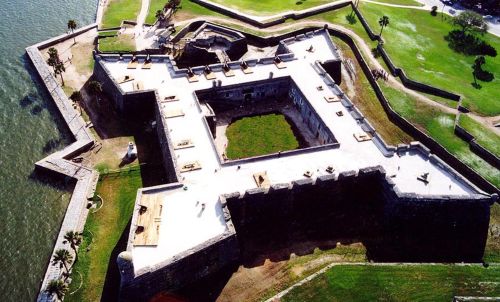
The widespread adoption of the trace italienne fundamentally transformed the conduct of warfare in early modern Europe, reshaping both tactical engagements and broader strategic planning. Fortifications were no longer passive obstacles but active components of military systems, designed to channel, delay, and exhaust attacking forces. Warfare shifted away from rapid assaults and toward prolonged sieges, where success depended on coordination, logistics, and endurance rather than brute force alone. The battlefield itself expanded beyond the walls of a city, encompassing surrounding terrain, supply lines, and the careful positioning of artillery.
At the tactical level, siege warfare became a highly structured and methodical process. Attackers developed systematic approaches to breaching bastioned defenses, including the construction of trenches, parallels, and saps that allowed them to advance under cover. These techniques reduced exposure to defensive fire and enabled besieging armies to position artillery with increasing precision. The emphasis on engineering and planning meant that sieges required specialized knowledge and skilled personnel, further professionalizing military operations. Engineers, often trained through both apprenticeship and formal study, played a central role in directing these efforts, translating theoretical principles into practical application on the battlefield. Defenders refined their own tactics, using countermines, sorties, and layered defenses to disrupt and delay the attackers’ progress. The result was a highly interactive form of warfare, in which each side continuously adapted to the other’s innovations.
The influence of bastioned fortifications also extended to the strategic level, where the control of fortified places became central to military campaigns. Armies often avoided direct confrontation in favor of capturing or defending key strongholds, recognizing that these positions could determine the outcome of entire regions. This emphasis on fortresses created a more deliberate and calculated form of warfare, in which movement and timing were carefully managed to achieve specific objectives. Campaigns were frequently organized around sequences of sieges, with each success or failure altering the strategic balance between opposing forces. Commanders had to weigh the costs of prolonged operations against the potential gains, considering factors such as supply availability, seasonal conditions, and the risk of enemy intervention. Strategy became increasingly tied to geography and infrastructure, as the possession of fortified nodes shaped the possibilities of military action.
The logistical demands of siege warfare further shaped the nature of conflict during this period. Maintaining an army in the field for extended periods required reliable supply chains, access to resources, and effective coordination between different units. The need to transport heavy artillery and construct siege works placed additional strain on both attackers and defenders, making preparation and organization critical to success. These requirements contributed to the growth of centralized states, which were better equipped to mobilize the resources necessary for sustained military operations.
The prominence of fortifications also influenced diplomatic and political strategies, as the possession of key strongholds became a bargaining tool in negotiations and treaties. Control over fortified areas could secure borders, protect economic interests, and project power without the need for constant military engagement. Warfare in the age of bastions was closely intertwined with statecraft, with military actions often serving broader political objectives. The retention or surrender of a single fortress could carry disproportionate weight in diplomatic settlements, shaping territorial boundaries and influencing alliances. States invested heavily in the symbolic as well as practical value of these structures, recognizing that their presence signaled authority and stability. Fortifications functioned not only as instruments of war but also as markers of political legitimacy and control.
Despite their effectiveness, bastioned fortifications did not render warfare static or predictable. Innovations in artillery, tactics, and organization continued to challenge defensive systems, prompting ongoing adaptation on both sides. The dynamic interplay between offense and defense ensured that the trace italienne remained part of an evolving military landscape rather than a final solution. Nonetheless, its impact on the conduct of war was profound, establishing patterns of conflict that would endure for centuries and shaping the development of modern military thought.
Decline and Obsolescence: Industrial Warfare and New Technologies

The dominance of the trace italienne began to erode in the late eighteenth and nineteenth centuries, as technological and industrial changes altered the balance between offense and defense. Advances in artillery, particularly the development of more powerful cannons with greater range and accuracy, gradually undermined the effectiveness of bastioned fortifications. What had once been a sophisticated response to gunpowder weapons now faced new forms of firepower capable of breaching even carefully engineered defenses. The growing scale of warfare, combined with the increasing mobility of armies, further challenged the static nature of fortress-based strategies. As states expanded their territorial ambitions and military commitments, the limitations of fixed defensive systems became more apparent, especially when confronted with coordinated, large-scale offensives. The trace italienne, once synonymous with resilience and control, increasingly appeared as a costly and inflexible solution in an era defined by acceleration and transformation.
One of the most significant developments contributing to this decline was the introduction of rifled artillery, which dramatically improved the precision and penetrating power of cannon fire. Unlike earlier smoothbore guns, rifled pieces could strike targets at longer distances with far greater accuracy, reducing the protective advantage of low-profile walls and angled bastions. Explosive shells, replacing solid shot, added another layer of destructive capability, as they could detonate upon impact and cause widespread damage to both structures and personnel. These innovations forced military engineers to reconsider the viability of traditional fortification systems.
Industrialization transformed the logistical and organizational capacities of states, enabling them to field larger armies and sustain prolonged campaigns across greater distances. Railways, telegraphs, and improved supply systems allowed for rapid troop movements and more efficient coordination, diminishing the strategic importance of fixed defensive positions. Armies could now bypass or isolate fortifications rather than engage in lengthy sieges, rendering many star forts strategically irrelevant. This shift altered the rhythm of warfare, as campaigns became faster and more fluid, reducing the window in which static defenses could exert meaningful influence. Commanders increasingly prioritized operational mobility, seeking to outmaneuver opponents rather than confront them in protracted engagements. The fortress ceased to function as the anchor of strategy and instead became one element among many in a broader and more dynamic system of war.
Arising from these changes, new forms of fortification emerged, incorporating thicker materials such as reinforced concrete and adapting designs to counter modern artillery. Polygonal forts, for example, abandoned the elaborate geometry of the trace italienne in favor of simpler, more compact layouts that emphasized protection against high-explosive shells. These designs often included underground structures and dispersed defensive elements, reflecting a shift toward minimizing exposure rather than controlling space through geometric precision. Engineers began to prioritize concealment, resilience, and redundancy, recognizing that visibility and concentration of force could invite destruction under modern conditions. While these innovations extended the life of fortifications in a modified form, they marked a clear departure from the principles that had defined earlier systems. The transition illustrates not only technological adaptation but also a conceptual shift in how defense itself was understood.
The experience of nineteenth-century conflicts, including the Crimean War and later the Franco-Prussian War, demonstrated the limitations of traditional fortifications in the face of industrial warfare. Fortified cities and positions fell more quickly than expected, as attackers leveraged superior firepower and coordination to overcome defenses. These outcomes reinforced the perception that the age of the bastioned fortress was coming to an end, prompting further investment in mobile forces and offensive capabilities. The lessons learned during these conflicts influenced military thinking well into the twentieth century.
By the time of the First World War, the trace italienne had largely lost its relevance as a dominant form of military architecture, replaced by trench systems and other forms of field fortification better suited to modern conditions. Although some star forts remained in use or were incorporated into newer defensive networks, their role had fundamentally changed. The decline of the trace italienne reflects a broader transformation in warfare, where technological innovation and industrial capacity reshaped the relationship between offense and defense, bringing an end to a system that had once defined an era.
Preservation, Memory, and Modern Reuse
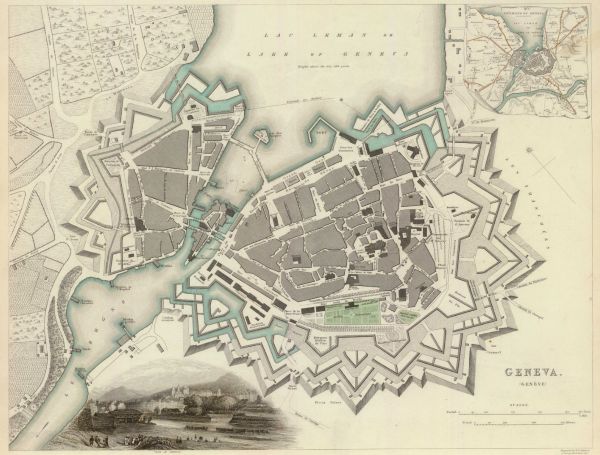
In the modern era, the remnants of the trace italienne have taken on new meanings, shifting from instruments of war to objects of historical preservation and cultural memory. Many star forts, once central to the defense of cities and empires, now stand as monuments to a transformative period in military and architectural history. Their geometric precision and imposing scale continue to capture attention, not as active fortifications but as enduring symbols of early modern ingenuity. As warfare evolved beyond their original purpose, these structures were recontextualized within narratives of heritage and identity. The preservation of these fortifications has often been shaped by both practical considerations and cultural values. In some cases, urban expansion led to the partial demolition or alteration of star forts, as growing cities repurposed land once dedicated to defense. Elsewhere, recognition of their historical significance prompted efforts to conserve and restore these structures, integrating them into modern urban landscapes. Governments and preservation organizations have played key roles in maintaining these sites, balancing the need for conservation with the demands of contemporary development.
Beyond preservation, many star forts have been adapted for new uses that reflect changing social and economic priorities. Former military spaces have been transformed into public parks, museums, and cultural venues, offering opportunities for education and recreation. These adaptations often highlight the architectural features of the forts, allowing visitors to engage with their design in ways that differ from their original function. In some instances, the reuse of these sites has contributed to local economies, drawing tourism and supporting community initiatives. The process of adaptation frequently involves careful negotiation between preservation and modernization, as planners seek to maintain historical integrity while making the spaces accessible and relevant to contemporary audiences. Interpretive signage, guided tours, and digital reconstructions further enhance public engagement, enabling visitors to visualize how these fortifications once operated within their original military contexts. Through such efforts, star forts continue to serve active roles within communities, even as their purposes have fundamentally changed.
The continued presence of trace italienne fortifications also shapes collective memory, influencing how societies interpret their past. These structures serve as tangible connections to periods of conflict, empire, and technological change, prompting reflection on the historical forces that produced them. Interpretive programs, exhibitions, and scholarly research contribute to this process, framing star forts within broader narratives of political and cultural development. The act of preservation itself becomes a form of historical engagement, emphasizing the value placed on understanding and remembering the past.
The modern reuse of these fortifications raises questions about how history is represented and experienced. Decisions about restoration, interpretation, and access can shape public perceptions, highlighting certain aspects of the past while obscuring others. The transformation of defensive structures into spaces of leisure and learning reflects broader shifts in societal priorities, where the legacy of conflict is reframed within contexts of education and cultural appreciation. The trace italienne endures not as a system of defense but as a living part of the historical landscape, continually reinterpreted considering contemporary values.
Historiography: Interpreting Military Innovation and Power
Following is a video about star forts and their impact on military architecture:
Historians have long debated the significance of the trace italienne within broader narratives of military and political transformation. Early interpretations often emphasized technological determinism, presenting the rise of bastioned fortifications as a direct and inevitable response to the advent of gunpowder artillery. In this view, changes in weaponry drove corresponding changes in defensive architecture, creating a linear progression from medieval castles to early modern star forts. Such accounts tended to frame the trace italienne as a technical solution to a technical problem, minimizing the role of social, economic, and political factors in shaping its development.
More recent scholarship has challenged this deterministic framework by situating fortification within a wider context of state formation and resource mobilization. Historians have argued that the adoption of bastioned defenses was closely tied to the emergence of centralized states capable of sustaining the high costs associated with their construction and maintenance. From this perspective, the trace italienne becomes not merely a response to artillery but a reflection of broader structural changes in governance and military organization. The ability to build and maintain such fortifications served as both a symbol and a mechanism of state power, reinforcing authority while enabling more effective control over territory.
Other scholars have questioned the extent to which the trace italienne can be understood as a revolutionary development. Some have pointed to continuities with earlier forms of fortification, emphasizing gradual adaptation rather than abrupt transformation. This line of interpretation highlights the persistence of older defensive practices alongside new innovations, suggesting that the transition to bastioned systems was neither uniform nor universally adopted. Regional variation, local conditions, and differing strategic priorities all influenced how and when these designs were implemented, complicating any attempt to present a single, unified narrative of change. In some regions, older fortifications continued to be used and modified well into the early modern period, demonstrating that practical considerations often outweighed theoretical ideals. This perspective encourages a more nuanced understanding of military innovation, one that accounts for uneven adoption and the coexistence of multiple defensive traditions.
Cultural and intellectual approaches have further expanded the historiographical landscape by examining how fortifications were understood and represented within their contemporary contexts. Military engineers, patrons, and observers often framed the trace italienne in terms of rationality, order, and control, reflecting broader currents of Renaissance and early modern thought. Treatises on fortification did more than convey technical knowledge; they articulated ideals about geometry, proportion, and the relationship between human ingenuity and the natural world. By analyzing these texts and representations, historians have explored how military architecture intersected with wider cultural and intellectual developments.
The historiography of the trace italienne reveals the complexity of interpreting military innovation. Rather than a simple story of technological progress, it reflects a dynamic interplay between material capabilities, political structures, and cultural meanings. The evolution of scholarly perspectives underscores the importance of examining multiple dimensions of historical change, recognizing that innovations in warfare are rarely isolated from the societies that produce and sustain them. Debates over the relative importance of technology, state power, and cultural context continue to shape the field, demonstrating that the trace italienne remains a fertile ground for historical inquiry. The study of bastioned fortifications continues to offer valuable insights into the relationship between technology, power, and historical interpretation, inviting ongoing reassessment rather than definitive conclusions.
Conclusion: Geometry, Power, and the Legacy of Defense
The evolution of the trace italienne reflects a profound transformation in how societies understood the relationship between technology, space, and power. What began as a response to the destructive capabilities of gunpowder artillery developed into a comprehensive system of military architecture grounded in geometry and calculation. Fortifications were no longer improvised barriers but carefully designed environments, where every angle and elevation served a strategic purpose. This shift marked the emergence of a new kind of thinking, one that placed rational design at the center of both defense and statecraft.
At its height, the trace italienne reshaped not only the conduct of warfare but also the organization of political authority. The resources required to construct and maintain these fortifications reinforced the power of centralized states, while their presence on the landscape signaled control and stability. Cities became nodes within a broader defensive network, integrated into systems that extended beyond individual territories. These networks required coordination, taxation, and administrative oversight on a scale that few medieval polities had previously achieved, further strengthening emerging state structures. Military architecture contributed directly to the consolidation of power, linking physical structures with the administrative and fiscal capacities of early modern governments. The fortification itself became both a tool and a symbol of governance, embodying the capacity of the state to organize, defend, and project authority across space.
Yet the eventual decline of the trace italienne underscores the limits of even the most sophisticated systems when confronted with changing technological and strategic conditions. Advances in artillery and the rise of industrial warfare rendered bastioned fortifications increasingly obsolete, demonstrating that innovation in defense is always contingent on the evolving nature of offense. The transition from star forts to more flexible and dispersed forms of defense highlights the dynamic interplay between competing forces, where no solution remains permanent.
Despite its obsolescence as a military system, the legacy of the trace italienne endures in both material and intellectual forms. Its geometric principles continue to influence architectural and urban design, while its historical significance offers insight into the broader processes of technological adaptation and state formation. As preserved sites and objects of study, star forts invite reflection on the ways in which societies respond to new challenges, balancing innovation with tradition. In this enduring presence, the trace italienne stands as a testament to the capacity of human ingenuity to reshape the built environment in response to the demands of power and survival.
Bibliography
- Arnold, David. The Age of Discovery, 1400–1600, 2nd edition. London: Routledge, 2002.
- Ashworth, Gregory J. and Peter Larkham, eds. Building A New Heritage: Tourism, Culture, and Identity in the New Europe. London: Routledge, 2012.
- Black, Jeremy. Eighteenth-Century Europe. New York: Palgrave Macmillan, 1990.
- —-. European Warfare, 1494–1660. London: Routledge, 2002.
- Crowley, Roger. 1453: The Holy War for Constantinople and the Clash of Islam and the West. New York: Hyperion, 2005.
- Deagan, Kathleen. Spanish St. Augustine: The Archaeology of a Colonial Creole Community. New York: Academic Press, 1983.
- DeVries, Kelly. Guns and Men in Medieval Europe, 1200–1500: Studies in Military History and Technology. Aldershot: Ashgate, 2002.
- Duffy, Christopher. Siege Warfare: The Fortress in the Early Modern World 1494–1660. London: Routledge, 1979.
- Hale, John R. War and Society in Renaissance Europe, 1450–1620. Baltimore: Johns Hopkins University Press, 1985.
- Hogg, Ian V. Artillery: Its Origin, Heyday and Decline. London: Archon Books, 1970.
- Kaufmann, J. E., and H. W. Kaufmann. Fortress Europe: European Fortifications of World War II. Cambridge, MA: Da Capo Press, 2002.
- —-. The Medieval Fortress: Castles, Forts, and Walled Cities of the Middle Ages. New York: Da Capo Press, 2001.
- Lowenthal, David. The Past Is a Foreign Country. Cambridge: Cambridge University Press, 1985.
- Lynn, John A. Giant of the Grand Siècle: The French Army, 1610–1715. Cambridge: Cambridge University Press, 1997.
- Mallett, Michael, and Christine Shaw. The Italian Wars, 1494–1559: War, State and Society in Early Modern Europe. Harlow: Pearson, 2012.
- Mango, Cyril. The Oxford History of Byzantium. Oxford: Oxford University Press, 2002.
- Martini, Francesco di Giorgio. Trattati di Architettura, Ingegneria e Arte Militare. Edited by Corrado Maltese. Milan: Il Polifilo, 1841.
- Nicolle, David. Constantinople 1453: The End of Byzantium. Oxford: Osprey Publishing, 2000.
- Parker, Geoffrey. The Military Revolution: Military Innovation and the Rise of the West, 1500–1800. Cambridge: Cambridge University Press, 1988.
- Roberts, Michael. “The Military Revolution, 1560–1660.” In Essays in Swedish History. London: Weidenfeld and Nicolson, 1962.
- Rogers, Clifford J., ed. The Oxford Encyclopedia of Medieval Warfare and Military Technology. Oxford: Oxford University Press, 2010.
- Runciman, Steven. The Fall of Constantinople 1453. Cambridge: Cambridge University Press, 1957.
- Sparavigna, Amelia Carolina. “An Example of Military Engineering in 16th Century: The Star Fort of Turin.” International Journal of Sciences 13 (2024), 62-67.
- Strachan, Hew. The First World War. New York: Penguin Books, 1993.
- UNESCO World Heritage Centre. “Fortifications of Vauban.” Accessed 2025.
- Vauban, Sébastien Le Prestre de. A Manual of Siegecraft and Fortification. Translated by George A. Rothrock. Ann Arbor: University of Michigan Press, 1968.
- Vigus, Robert T. “The Military Revolution and the Ancient Origins of the Trace Italienne.” Journal of Military History 84:3 (2020), 698-712.
Originally published by Brewminate, 04.14.2026, under the terms of a Creative Commons Attribution-NonCommercial-NoDerivatives 4.0 International license.
About the Author