Shaker cabinet doors have a simple look that works well in many rooms. Their clean frame, flat center panel, and straight lines help create a neat storage face. This style can fit kitchens, baths, laundry rooms, offices, and mudrooms. A clear plan for size, finish, and style may help improve the final result.
Start With the Right Size
Replacement fronts are made to the size listed on the order, so exact numbers matter. For custom shaker cabinet doors, a small error in width or height can affect the reveal, overlay, and hinge fit. Measure each opening from side to side and top to bottom. Do not assume every opening has the same size, even in one cabinet run.
Most replacement pieces sit over the cabinet opening. A common overlay is one-half inch on each side. That means one inch is added to the width and one inch to the height. This helps the front cover the opening with a clean and even look.
Know the Main Parts
A Shaker door has two vertical stiles, two horizontal rails, and a flat center panel. The simple frame gives the front its familiar square shape. Many versions use rails and stiles that are about two and one-quarter inches wide. That width gives the design balance without heavy detail.
The recessed panel is a key part of the style. It keeps the front pane and easy to pair with hardware, tile, and counters. The clean layout also aids in reducing dirt traps in ornate areas. That can make routine care feel less fussy.
Pick a Wood Species With Care
Wood choice affects color, grain, and finish results. Maple has a smooth look and is a common choice for paint or a clear coat. Oak and white oak show more visible grain, which can add warmth. Alder, cherry, and knotty alder bring their own color tone and character.
Each species reacts to the stain in a different way. Some woods accept dark stain with ease, while others need extra prep. A sample front may help with color checks before a full order. It also gives a better sense of grain, weight, and surface feel.
Match the Finish to the Room
Unfinished fronts give room for stain, paint, or clear finish on site. This option can work well when a close color match is needed. Painted or finished pieces can save steps for a project with a set color plan. Either choice should suit the cabinet box, wall color, and light in the room.
Finish Factors That Affect the Final Look
Surface prep has a major role in the final result. Paint-grade material can be a smart pick when a solid paint color is the goal. Natural wood may suit spaces where grain is part of the design. A clear finish can help show the wood tone without a bold color shift.
Plan for Height and Width Limits
Size limits protect the panel from stress and poor performance. Very wide or very tall fronts can be more prone to movement. Some Shaker doors have a minimum size of 6 by 13 by 16 inches for width and height. Some options may reach up to 26 inches wide and 60 inches tall.
Tall fronts may need a center rail for added support. A center rail breaks the panel area into sections and helps the frame stay stable. This detail matters for pantry storage, linen units, and tall base units. It can also keep the Shaker style in proportion on a larger face.
Choose a Style That Fits the Space
Shaker doors look simple, but small choices change the mood. A painted white front can feel crisp and bright. A stained oak version can feel warmer and more classic. Flat hardware can make the design feel modern, while round knobs can soften it.
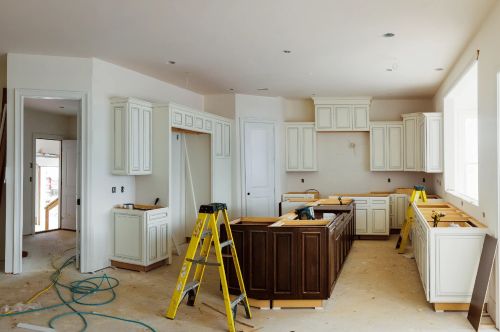
The same style can serve many rooms. In a bath, it may help create a clean vanity front. In a laundry room, it can keep storage neat without extra detail. In a kitchen, custom shaker cabinet doorscan help refresh cabinet boxes without a full cabinet swap.
Keep Care and Daily Use in Mind
This frame style is popular partly because the shape is easy to live with. The flat center panel and plain frame can be wiped with a soft cloth. A mild cleaner is usually enough for most daily marks. Harsh scrub pads can dull paint or damage a stained surface.
Use this simple list before the order is final:
- Measure every opening twice.
- Add the overlay amount with care.
- Mark fronts that need hinge bore holes.
- Check if tall panels need a center rail.
- Order a sample if color or grain feels uncertain.
A good Shaker cabinet door plan starts with accurate size, then moves into wood, finish, and style. Careful measurements, the right material, and a suitable finish can help the project feel more settled from the start. Review the order details before purchase, especially size, overlay, and hardware needs.
About the Author