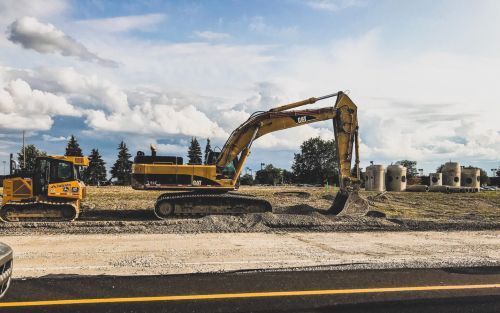
Construction begins with soil, rock, and groundwater, yet early plans often treat ground behavior as background noise. Geotechnical consultants bring order to that uncertainty by defining limits that designers and crews can rely on. Their work supports stable slopes, predictable foundations, fewer field changes, and smoother inspections. Strong outcomes follow when subsurface conditions are measured early and then checked again as excavation, fill placement, and structural loads change the site.
Early Site Reconnaissance Sets the Risk Baseline
Before drilling starts, consultants review prior records, scan aerial history, and walk the property with a practical eye. Site notes flag soft zones, old fill, buried demolition, steep grades, and drainage routes that feed ponding. Those observations guide safe access, sensible test locations, and a lean field program. Crews save time when the first mobilization targets the right areas instead of chasing surprises. Utility marks, nearby structures, and traffic patterns also get logged, since each affects rig placement. Weather notes and water staining hint at seepage, showing where temporary drainage should start early.
Material Selection Links Ground Behavior to Workability
Earthwork succeeds or fails on moisture, gradation, and how a subgrade responds under traffic. Coordination with suppliers like Mintek Resources helps match lab findings to workable stabilization options for saturated clays, weak lifts, or rutted haul paths. Clear targets for moisture range, additive rate, and mixing depth reduce rehandling, improve compaction consistency, and tighten acceptance discussions between inspectors and contractors.
Subsurface Exploration Converts Assumptions Into Measurements
Borings, test pits, and in-place tests define strength, density, and variability across the footprint. Groundwater checks show where excavations may soften, seep, or lose stability after rain. Samples go to the lab for gradation, plasticity, and compressibility data that designers can use directly. A focused exploration plan limits wasted footage, keeps costs readable, and reduces late-stage redesign driven by unknown layers.
Lab Testing Ties Numbers to Design Decisions
Laboratory results turn soil behavior into usable design parameters. Consolidation testing estimates settlement under planned loads, while shear testing supports bearing and slope evaluations. Chemical screening can identify sulfate exposure, corrosive conditions, or unsuitable reuse material that would harm concrete or metal. Those findings shape whether spoil stays onsite, gets treated, or is hauled out, which changes truck cycles, labor hours, and emissions.
Foundation and Earthwork Recommendations Reduce Change Orders
Recommendations translate data into instructions a field crew can follow. Consultants set allowable bearing values, expected settlement ranges, and safe excavation slopes for the encountered materials. Compaction guidance covers lift thickness, moisture window, and effort level needed to meet density criteria. Where conditions vary, zones are defined with distinct requirements so bids reflect reality. Fewer surprises mean fewer midstream scope disputes.
Excavation Support and Dewatering Planning Protects Workers
Trench stability depends on soil type, seepage, nearby surcharges, and vibration from equipment. Consultants evaluate those factors and recommend benching, shoring, or other support suited to depth and layout. Dewatering plans address drawdown effects on adjacent pavements and utilities, not just pumping capacity. Thoughtful guidance reduces collapse exposure and limits delays caused by wet bottoms, sloughing walls, or unstable working surfaces.
Construction Observation Verifies That Conditions Match Assumptions
Field observation closes the gap between paper assumptions and actual ground. Consultants confirm bearing surfaces, identify soft pockets, and define over-excavation limits before concrete placement. Density testing checks compaction quality without stopping production for long. Documentation supports inspections and provides a defensible record of what was built. When unexpected layers appear, timely direction keeps crews safe and reduces schedule drag.
Data-Driven Adjustments Keep Schedules Intact
Moisture and strength can shift quickly after storms, staging changes, or heavy hauling. Consultants track performance using test trends, proof-rolling feedback, and direct visual checks of pumping or rutting. If values drift, guidance may shift to thinner lifts, added drying time, revised mixing depth, or a different treatment rate. Small corrections protect paving windows, reduce idle equipment, and help prevent early surface cracking.
Conclusion
Geotechnical consultants protect projects by tying subsurface evidence to clear actions during planning, design, and construction. That support reduces avoidable failure risk in foundations, slopes, trenches, and treated subgrades. Consistent testing and observation improve communication between owners, designers, contractors, and inspectors. When ground conditions change, fast, well-reasoned recommendations help teams respond with measured steps, keeping safety, cost control, and schedule performance aligned.
About the Author