Ancient physicians could see cancer-like disease but rarely cure it. Their treatments reveal a world of surgery, fire, poultices, ritual, and care at medicine’s limits.

By Matthew A. McIntosh
Public Historian
Brewminate
Introduction: The Disease Ancient Medicine Could See but Not Cure
Cancer occupied a strange place in ancient medicine: it was often visible enough to frighten, name, touch, cut, burn, dress, and describe, but not intelligible enough to cure. A hard swelling in the breast, a dark ulcer that spread into surrounding flesh, a mass beneath the skin, a wound that would not heal, or a growth that returned after treatment could all announce that the body had entered a dangerous condition beyond ordinary injury. Ancient physicians did not possess microscopy, cellular pathology, anesthesia, antisepsis, imaging, chemotherapy, radiation, or a theory of metastasis. Yet they were not blind to the disease’s behavior. They could observe hardness, pain, ulceration, fixation, recurrence, wasting, and death. What they lacked was not clinical attention, but a biological explanation capable of turning that attention into reliable cure.
The problem begins with language. “Cancer” is a modern diagnostic category, grounded in histology and cellular growth, while ancient physicians worked with older terms for tumors, swellings, ulcers, excrescences, obstructions, and hard masses. The Greek words karkinos and karkinōma, the Latin cancer, Egyptian descriptions of breast tumors, Sanskrit categories such as arbuda and granthi, and Chinese discussions of accumulations, masses, and toxic sores all overlap imperfectly with modern cancer. Some ancient “tumors” were probably malignant growths; others may have been abscesses, cysts, infections, benign swellings, goiters, or inflammatory lesions. This uncertainty matters because a history of ancient cancer cannot simply translate every ancient lump into carcinoma. It must ask instead how different medical systems recognized dangerous growths, how they explained them, and what they believed could still be done when cure seemed impossible.
That question reveals the central pattern of ancient cancer treatment. The disease was most treatable when it was external, localized, and accessible to the hand. Egyptian, Greek, Roman, Indian, and Chinese healers developed therapies for the surface of the body: poultices, ointments, honey dressings, herbal preparations, caustic substances, cautery, excision, drainage, diet, regimen, ritual, and prayer. These methods could sometimes ease pain, slow bleeding, protect ulcerated tissue, reduce smell, destroy superficial lesions, or remove growths that may not have been malignant at all. In that limited sense, ancient medicine could help. But when a cancer-like disease was deep, recurrent, fixed, spreading, or internally rooted, the available treatments collapsed into palliation, theory, or restraint. The famous medical ladder from drugs to knife to fire to incurability captured a grim truth: ancient medicine could escalate intervention, but escalation was not the same thing as mastery.
I approach ancient cancer care as a history of limits rather than a simple history of ignorance. Ancient physicians were often wrong about the causes of cancer-like disease, but they were not necessarily careless observers. They worked within humoral, religious, surgical, Ayurvedic, and classical Chinese frameworks that made disease meaningful in different ways. They treated the body as a system of fluids, heat, breath, blood, bile, phlegm, qi, doṣas, residues, obstructions, divine forces, and moral or cosmic order. These theories could not cure malignancy in the modern sense, but they shaped decisions about when to cut, when to burn, when to soothe, when to purge, when to pray, and when to stop. The ancient history of cancer is not only a record of failed cures. It is also a record of care at the edge of cure, where physicians and patients confronted a disease that could be seen clearly enough to fear, but not yet understood deeply enough to defeat.
Evidence Before Explanation: Cancer in Bodies, Bones, and Ancient Texts
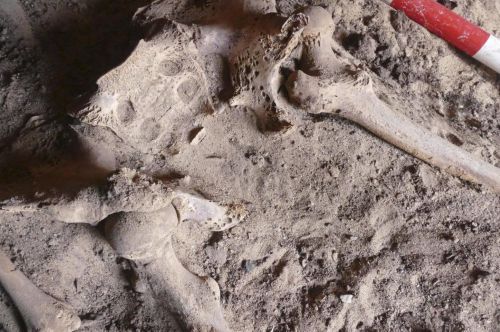
Before ancient cancer can be explained, it has to be found, and that is already a difficult problem. Modern medicine identifies cancer through tissue, cells, imaging, biomarkers, and clinical progression, but ancient bodies rarely survive in ways that preserve all of that evidence. Most cancers begin in soft tissue, and soft tissue usually disappears. Even when the skeleton survives, only some malignancies leave marks on bone, and those marks can be difficult to distinguish from infection, trauma, metabolic disease, or other destructive processes. The archaeological record does not show cancer as ancient people experienced it. It shows the small fraction of disease that death, burial, climate, preservation, excavation, and modern interpretation allow us to see.
This is why paleopathology is both indispensable and frustrating. Ancient bones and mummified remains can prove that cancer-like disease existed long before the modern world, but they cannot give a simple measure of how common it was. A metastatic lesion in bone, a destructive tumor in a skull, or a mass preserved in a mummy can reveal the presence of malignancy with startling immediacy, collapsing the distance between modern diagnosis and ancient suffering. Yet such discoveries are exceptional precisely because most ancient cancers left little recoverable evidence. A person who died of stomach cancer, liver cancer, pancreatic cancer, leukemia, lymphoma, ovarian cancer, or an early breast cancer might leave little or no recognizable trace in the surviving skeleton. Even bone metastases could be missed if remains are fragmentary, poorly preserved, incompletely excavated, or interpreted before modern imaging techniques were available. Low apparent cancer rates in ancient remains may reflect shorter life expectancy and different environmental exposures, but they also reflect the fact that archaeology is better at preserving bones than hidden disease. The historian has to resist a tempting but misleading conclusion: that because ancient cancer appears rarely in the material record, it was necessarily rare in ancient life.
Mummified bodies complicate the picture further. In Egypt and other regions where soft tissue sometimes survives, modern imaging has made it possible to revisit ancient disease with tools unavailable to earlier scholars. Computed tomography, histology, radiography, and molecular techniques have helped identify tumors, metastases, and ambiguous lesions in preserved bodies. But even these methods do not erase uncertainty. A mummy is not a living patient; tissues have dried, shifted, decayed, been treated with resins, or been damaged by ancient embalmers and modern handling. The evidence can be suggestive without being final. Paleopathology works best not as a hunt for dramatic “first cases,” but as a cautious discipline of probability, comparison, and differential diagnosis.
Texts present the opposite problem. Ancient medical writers often described symptoms and appearances in rich detail, but they did so in categories that do not map cleanly onto modern pathology. Egyptian medical texts could speak of swellings, wounds, heat, hardness, and incurability. Greek and Roman authors wrote of karkinos, karkinōma, cancer, ulcers, tumors, and hidden growths. Indian medical traditions classified masses, swellings, and abnormal enlargements through terms such as arbuda and granthi. Chinese medical writings discussed accumulations, obstructions, swellings, toxic sores, and masses in the language of qi, blood, phlegm, heat, cold, and stasis. These texts are precious because they reveal how ancient healers observed disease, but they are not laboratory reports. Some of their “cancers” were probably malignant; some were not.
The Edwin Smith Surgical Papyrus shows why textual evidence matters so much. Its descriptions of breast tumors have often been placed near the beginning of cancer’s written history because they combine observation, touch, prognosis, and therapeutic restraint. The physician examines the condition, notes its physical qualities, and recognizes that some cases offer no effective treatment. That recognition is historically important because it reveals more than defeat. It shows a medical culture capable of sorting bodily conditions by expected outcome, distinguishing between treatable injury and ominous disease, between a wound that might be managed and a growth that exceeded intervention. The papyrus is striking because its language of prognosis does not dissolve the problem into magic or divine will alone. It presents the healer as an observer at the bedside, using the hand, eye, and accumulated experience to determine whether action is possible. Yet the text also reminds us how cautious interpretation must be. The papyrus does not diagnose “breast cancer” in modern terms; it records a set of dangerous bodily signs that modern readers can reasonably place within the history of cancer-like disease. Its importance lies in that tension: it is not modern oncology, but it is unmistakably an early record of medicine confronting a hard, frightening, and probably incurable growth.
The best evidence comes from reading bodies and texts together. Physical remains prove that malignant disease existed in antiquity, even if they preserve it unevenly. Medical writings prove that ancient healers recognized hard masses, ulcerating lesions, recurrent growths, and incurable conditions, even if their categories were not ours. Between the two lies the historical object here: not cancer as a modern oncologist defines it, but cancer as an ancient problem of visible danger, failed healing, recurring flesh, and bodily mystery. Ancient physicians did not need a microscope to know that some growths behaved differently from ordinary wounds. They could see that certain diseases clung, spread, returned, consumed, and killed. Explanation lagged far behind observation, but observation itself was real.
Egypt: Prognosis, Breast Tumors, Bandages, and the Limits of Intervention

Egyptian medicine offers one of the earliest and clearest windows into the ancient problem of cancer-like disease because it preserves not only remedies, but judgment. The most important evidence comes from the Edwin Smith Surgical Papyrus, a text concerned with wounds, injuries, swellings, fractures, and the physician’s ability to classify a case by sight and touch. Its famous breast cases are often treated as among the earliest written references to cancer, though that claim requires caution. The papyrus does not diagnose “breast cancer” in the modern pathological sense, and its categories belong to an Egyptian medical world very different from modern oncology. Yet its descriptions of hard, cool, spreading, or untreatable breast swellings show a medical culture confronting precisely the kind of ominous bodily condition that later physicians would associate with cancer: a mass that could be felt, feared, and assessed, but not reliably cured.
What makes the Edwin Smith Papyrus striking is its language of prognosis. Egyptian medical texts often sort cases into categories of action: a condition the physician will treat, a condition the physician will contend with, and a condition not to be treated. That last category is historically important because it reveals medicine as an art of limits, not merely an art of intervention. The physician was not expected to attack every disease with equal confidence. Some conditions could be dressed, reduced, drained, or managed; others were recognized as beyond the reach of available technique. In the breast tumor cases, the declaration that there is no treatment does not mean that the physician understood malignancy as modern medicine does. It means that Egyptian medicine had developed a practical bedside realism: some bodily changes announced a prognosis so poor that treatment itself could offer little more than false action. This attention to prognosis also complicates the common image of ancient medicine as a blur of magic and guesswork. Egyptian healing certainly included ritual, incantation, divine appeal, and protective language, and those elements should not be separated too neatly from practical medicine. But the Edwin Smith Surgical Papyrus is filled with observation. The healer inspects, palpates, compares, and classifies. Heat, hardness, swelling, discharge, pain, motion, and the relation of one bodily part to another become diagnostic signs. This mattered because the visible and tangible body was the only reliable diagnostic instrument. A physician could not look beneath the skin with imaging or examine tissue under a microscope, but he could feel whether a swelling was movable or fixed, whether it was soft or hard, whether it resembled inflammation or something more threatening.
The treatments available in Egypt reflected that same practical world. Egyptian wound care made frequent use of bandages, fats, oils, honey, plant preparations, resins, minerals, and protective coverings. Honey had real value as a wound dressing because of its preservative and antimicrobial qualities, though Egyptian physicians did not understand those effects in modern biochemical terms. Grease or fat could soften and protect tissue; linen bandages could cover exposed wounds; herbal preparations could soothe, dry, irritate, or protect depending on their ingredients. For ulcerated or surface lesions, such treatments may have offered genuine comfort even when they did not cure the underlying disease. A foul, bleeding, painful sore could be cleaned, covered, and made more bearable. That kind of care mattered in a world where visible disease could be physically agonizing and socially humiliating.
Yet the same evidence also shows why intervention remained limited. A poultice could not stop metastasis. A bandage could not remove a deep malignancy. Honey might protect an ulcerated surface, but it could not reverse the internal process that caused a hard breast mass to grow or return. Egyptian medicine, like other ancient systems, was strongest at the boundary between skin and world: wounds, fractures, abscesses, burns, visible swellings, and injuries that could be touched. Cancer-like disease exposed the weakness of that strength. When the body’s danger appeared as a surface lesion, the physician had tools. When the visible lesion was only the outward sign of a deeper, spreading disorder, those tools became palliative rather than curative.
This does not make Egyptian cancer care meaningless. It places it in the long history of medicine’s struggle with incurability. The most humane reading of the evidence is that Egyptian physicians sometimes knew when they were not curing. Their practice could include observation, comfort, wound management, ritual support, and honest prognosis. That combination may seem modest beside modern oncology, but it was not nothing. For a patient with an ulcerated tumor, even temporary relief from pain, smell, bleeding, or exposure could change the experience of illness. For a family, a physician’s prognosis could help frame expectation. For the healer, the distinction between treatable and untreatable disease preserved professional credibility in the face of bodily catastrophe. Egypt belongs near the beginning of this history not because it produced a lost cure for cancer, but because it recorded the encounter between medicine and its boundary. The breast tumor cases of the Edwin Smith Surgical Papyrus show ancient physicians meeting a disease that could be examined but not mastered. Their remedies occupied the surface of the body; their theories gave illness a place within a wider medical and religious order; their prognoses acknowledged that some conditions lay beyond remedy. In that sense, Egyptian medicine already contains the central theme of ancient cancer treatment as a whole: care was possible, cure was rare, and the most honest physicians sometimes understood the difference.
The Greek “Crab”: Naming Cancer and Explaining It through Humors
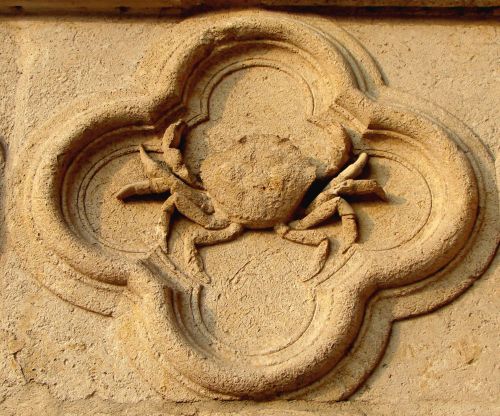
The Greek contribution to the ancient history of cancer was not a cure, but a language. Greek medical writers gave enduring form to the image of the disease as karkinos, the crab, and karkinōma, a crab-like or cancerous growth. The metaphor was powerful because it joined appearance, sensation, and behavior. A hard tumor with swollen vessels spreading outward could seem to grip the body like claws; an ulcerating lesion could cling stubbornly to the flesh; a hidden mass could suggest a creature embedded beneath the skin. The image was not merely decorative. It helped ancient physicians and patients imagine cancer-like disease as something tenacious, invasive, and difficult to dislodge. Even before anyone understood malignant cells, the name captured a clinical impression: some growths did not behave like ordinary swellings.
The Hippocratic Corpus placed such diseases within a naturalistic medical framework. That does not mean there was one simple “Hippocratic theory of cancer,” or even that a single historical Hippocrates personally created the terminology. The Corpus is a collection of texts produced by different authors over time, and its explanations are not always identical. Still, its importance lies in the way it treats dangerous growths as bodily phenomena rather than arbitrary divine punishments. Disease could arise from imbalance, excess, obstruction, season, age, constitution, diet, regimen, environment, and the movement or corruption of bodily fluids. Within that world, cancer-like disease became part of a larger medicine of observation and explanation. It was not yet a disease of cells. It was a disease of the visible and felt body, interpreted through the behavior of humors. That shift mattered because it gave physicians a way to discuss terrifying growths without surrendering them entirely to fate, curse, or divine anger. A tumor might still be ominous, and the gods might still occupy the wider religious imagination of illness, but the medical writer could ask what kind of body produced such a lesion, what season or age made it worse, what regimen might aggravate it, and whether its visible qualities suggested treatment or restraint. The Greek achievement was not that it solved cancer, but that it placed cancer-like disease within an explanatory framework that made clinical judgment possible.
Humoral theory gave Greek physicians a way to explain why some masses were hard, chronic, dark, painful, or recurrent. The four-humor model associated health with balance among blood, phlegm, yellow bile, and black bile, while disease emerged when these substances became excessive, deficient, displaced, thickened, overheated, corrupted, or otherwise wrongly distributed. Cancer was often connected with black bile, the humor most readily associated with darkness, thickness, melancholy, chronicity, and stubborn disease. This association did not function like a modern causal mechanism. It was not a claim about mutation or uncontrolled cellular division. It was a way of saying that certain tumors belonged to a category of deep, cold, hard, difficult, and dangerous disorders, rooted in the internal condition of the body rather than merely in the local swelling that appeared on the surface.
That logic shaped treatment. If a cancer-like lesion was only the visible sign of a humoral disorder, then cutting it away did not necessarily remove the cause. A physician might attempt regimen, diet, purging, evacuations, topical applications, or other methods intended to alter the body’s internal balance before turning to more violent intervention. The famous therapeutic ladder associated with the Hippocratic tradition (what drugs do not cure, the knife may cure; what the knife does not cure, fire may cure; what fire does not cure must be considered incurable) summarized a harsh medical hierarchy. It did not promise that every disease could be conquered by escalation. Rather, it defined the boundary between reasonable treatment and hopeless disease. Cancer-like conditions often occupied that boundary, particularly when they were deep, fixed, ulcerated, recurrent, or hidden from the hand.
Greek medicine also preserved a striking caution about intervention. Some Hippocratic texts warn that concealed cancers should not be treated aggressively, because treatment may hasten death, while leaving them alone may allow the patient to live longer. This observation has sometimes been read as defeatism, but it is better understood as clinical restraint within a limited therapeutic world. Without anesthesia, antisepsis, blood transfusion, imaging, or knowledge of metastasis, surgical attack on a deep or advanced tumor could be catastrophic. A physician who recognized that danger was not simply doing nothing. He was judging that intervention itself might become another form of injury. That judgment also protected the fragile authority of the healer, since a dramatic operation followed by rapid decline could make the physician appear to have caused the death rather than merely failed to prevent it. Restraint had medical, ethical, and professional dimensions. It acknowledged that some diseases were beyond technique, that some visible masses might be connected to invisible processes, and that the patient’s remaining time could be shortened by the very act meant to save them. In that sense, Greek cancer medicine was built around a painful paradox: the more threatening the disease appeared, the less safely it could often be treated.
The Greek “crab” mattered because it joined metaphor, diagnosis, theory, and prognosis. It gave later medicine a word, but it also gave cancer a place in a structure of bodily explanation. The disease could be imagined as a grasping creature, explained through humoral imbalance, approached through regimen and evacuative therapy, attacked by knife or fire when accessible, and finally abandoned as incurable when beyond reach. The result was not modern oncology in embryo, but neither was it mere superstition. Greek physicians recognized that some tumors had a special character: they clung, spread, recurred, ulcerated, and resisted ordinary healing. Their explanations were wrong by modern standards, but their clinical anxiety was justified. The crab endured because the image captured something ancient medicine could see clearly, even when it could not cure what it saw.
Knife: Surgery and the Hope of Removing What Could Be Reached

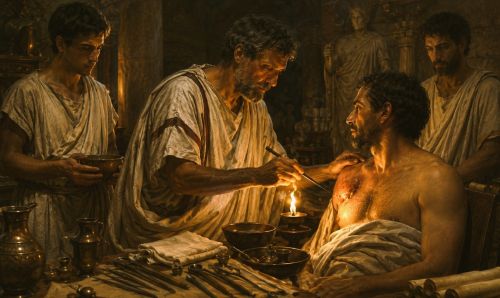
Surgery offered ancient physicians the most direct answer to a cancer-like growth: if the danger appeared as a mass, perhaps the mass could be removed. This was the oldest and most intuitive logic of tumor treatment. A swelling that could be seen, touched, outlined, and separated from surrounding tissue invited the hand and the blade in a way that hidden disease did not. Egyptian, Greek, Roman, and Indian medical traditions all developed surgical responses to accessible growths, especially those on the skin, breast, face, limbs, genitals, or other visible parts of the body. The hope was simple, even when the operation was not: cut away the diseased flesh before it consumed more of the body. In that sense, surgery represented ancient medicine at its most concrete. It did not need a theory of cells to believe that a harmful mass might be removed by force.
Yet the same directness made surgery dangerous. Ancient operations took place without modern anesthesia, antiseptic technique, antibiotics, blood transfusion, controlled ventilation, or reliable methods for managing shock. Pain was not merely an inconvenience; it limited what could be attempted, how long an operation could last, and how still a patient could remain. Hemorrhage could kill quickly. Infection could kill later. Even when a surgeon successfully removed visible tissue, the wound itself became a new medical crisis requiring bandaging, cautery, dressings, and ongoing care. Cancer-like tumors added another problem: the surgeon could not know whether the growth was truly local. A mass that seemed removable might already have seeded disease elsewhere, while an incomplete excision could leave behind tissue that returned more aggressively.
Celsus preserves the Roman surgical dilemma with unusual clarity. In De Medicina, he discusses tumors, ulcers, carcinomatous lesions, and the conditions under which cutting, cautery, or caustic remedies might be attempted. His medicine is not reckless. He distinguishes between lesions that are superficial enough to be treated and those that are too deep, fixed, or dangerous to attack. This distinction is crucial because it shows that ancient surgery was not merely the heroic urge to cut. It was also an art of selection. The surgeon had to ask whether the growth could be separated, whether the surrounding flesh was involved, whether bleeding could be controlled, and whether the patient would survive the intervention. For cancer-like disease, the best surgical candidate was not the most frightening tumor, but the most accessible one.
The breast occupied a particularly important place in this surgical imagination. Breast tumors were visible or palpable, socially alarming, and often discussed in ancient and later medical writing as examples of dangerous hard growths. But they were also anatomically difficult and therapeutically ambiguous. A breast mass might appear localized, but its relation to surrounding tissue, vessels, lymphatic spread, or deeper disease could not be understood in modern terms. Ancient physicians could feel hardness, fixation, heat, ulceration, or pain, but they could not stage the disease. This made breast surgery both tempting and ominous. To cut was to act decisively against a visible enemy; to refrain was to acknowledge that the knife might not reach the true disease. The ancient physician’s caution about hidden or advanced cancers becomes more comprehensible in this setting. Surgery could remove what the hand could grasp, but not necessarily what the disease had become.
Indian surgical literature, such as the Suśruta Saṃhitā, expands this picture by showing how fully some ancient traditions theorized and systematized operative practice. Suśruta’s world included instruments, incisions, excisions, cautery, alkalis, wound care, and classifications of swellings and growths, including categories often compared with tumors. As with Greek and Roman medicine, these categories should not be translated too quickly into modern oncology. Still, the surgical ambition is unmistakable. The body could be opened, cut, drained, scraped, burned, stitched, dressed, and managed through trained technique. Surgery was not a marginal craft but a formal branch of healing. In relation to cancer-like disease, this matters because it shows that ancient surgical treatment was not limited to desperate improvisation. It could be embedded in a disciplined medical culture with rules about instruments, preparation, aftercare, and the dangers of intervention.
The knife embodied both hope and limitation. It gave ancient medicine its clearest chance against surface disease, and in some cases it probably succeeded when the “tumor” was benign, cystic, inflammatory, or truly localized. It could reduce disfigurement, remove painful growths, control ulcerated tissue, or delay recurrence. But for malignant disease, surgery was usually trapped by what could be reached. The visible tumor was not always the whole illness. The ancient surgeon could cut the body open, but not the hidden logic of cancer itself. This is why surgery belongs at the center of ancient cancer treatment without becoming a story of ancient cure. It was the most literal form of medical attack, and often the most rational one, but it remained bound to the surface, the hand, the blade, and the terrible uncertainty of what lay beyond them.
Fire: Cautery, Heat, Burning, and the Ancient Logic of Destruction
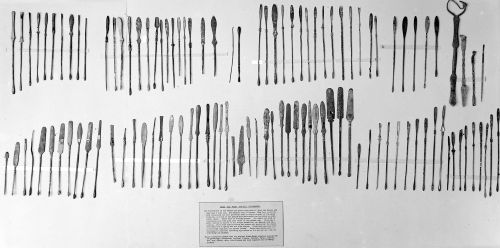
If the knife represented the hope of removing cancer-like disease, fire represented the hope of destroying what could not be cleanly cut away. Cautery belonged to one of the oldest surgical logics in the ancient world: heat could stop bleeding, seal tissue, dry a wound, destroy diseased flesh, and mark the final escalation of treatment when gentler measures failed. In Egyptian, Greek, Roman, and Indian medicine, burning was not a single therapy but a family of practices that included heated metal instruments, hot irons, fire-drilling, thermal applications, and, in some traditions, the use of caustic substances that acted like chemical fire. For visible tumors, ulcers, and malignant-looking sores, cautery offered a grim kind of decisiveness. If the growth could not be soothed, drained, or safely excised, perhaps it could be burned into submission.
The Hippocratic therapeutic ladder gave this logic its most memorable ancient expression: diseases not cured by drugs may be cured by the knife; those not cured by the knife may be cured by fire; and those not cured by fire must be considered incurable. The saying is often quoted because it seems to compress ancient medicine into a brutal sequence of escalation, but its deeper significance is prognostic. Fire was not simply another treatment. It stood near the edge of medicine, where the physician had already admitted that ordinary remedies had failed. The ladder gave both hope and despair. It suggested that the disease might still be localized enough to attack, yet severe enough that only destructive force remained.
For cancer-like disease, cautery made practical sense within the limits of ancient observation. A tumor that bled, ulcerated, smelled, or spread across the surface of the body could be understood as corrupt flesh needing to be dried, sealed, or eradicated. Heat could close vessels after cutting; it could scar over tissue that threatened to reopen; it could reduce some superficial masses or destroy the edge of an ulcer. Ancient physicians did not understand microbes, cell division, or metastasis, but they did understand that certain lesions were wet, foul, unstable, and dangerous. In a medical world that often associated health with balance, proper mixture, and controlled flow, a spreading ulcer could seem like a local rebellion of matter. Fire promised to impose order by force.
Roman surgical writing shows how closely cautery was tied to judgment. Celsus did not treat burning as a casual remedy. Like cutting, it required attention to the kind of lesion, the condition of surrounding tissue, and the risk of provoking worse harm. Fire could be useful when the disease was superficial, when bleeding needed to be checked, or when diseased tissue had to be destroyed after excision. But the same instrument could also magnify suffering, enlarge wounds, produce infection, and exhaust a patient already weakened by illness. The ancient physician had to decide whether cautery would contain disease or merely add trauma to a body already losing its struggle. That decision was difficult with cancer-like conditions, because the visible lesion might be only one manifestation of a deeper process. Indian surgical traditions give cautery an even broader theoretical and technical range. In the Suśruta Saṃhitā, cautery and alkaline treatment appear as important tools for growths, wounds, bleeding, and disorders that resisted other measures. Heat and caustic action could cut without a knife, seal without stitching, and destroy without relying on the uncertain absorption of medicines. This is one reason cautery remained so durable across medical cultures: it produced visible results. Flesh changed color, bleeding stopped, tissue shrank, and the treated area bore the mark of intervention. For patients and practitioners alike, that visible transformation could be persuasive. It made treatment appear active, powerful, and immediate, even when the deeper course of disease remained unchanged.
Fire belonged to the ancient medicine of limits. It could help in specific circumstances, especially when a lesion was superficial, bleeding, infected, ulcerated, or painful. It could support surgery, manage wounds, and provide temporary control over visible disease. But it could not cure systemic malignancy, and it could not distinguish between tissue that merely looked diseased and disease that had already moved beyond reach. Its power was local, sensory, and destructive. That is why cautery became such a fitting emblem of ancient cancer treatment. It showed medicine refusing passivity, escalating from remedy to violence, and trying to master disease through the most elemental force available. Yet it also revealed the central tragedy of the ancient therapeutic imagination: even when the physician brought fire to the flesh, cancer could remain beyond the flame.
Pastes, Poultices, Honey, Arsenic, and the Chemical Attack on Flesh
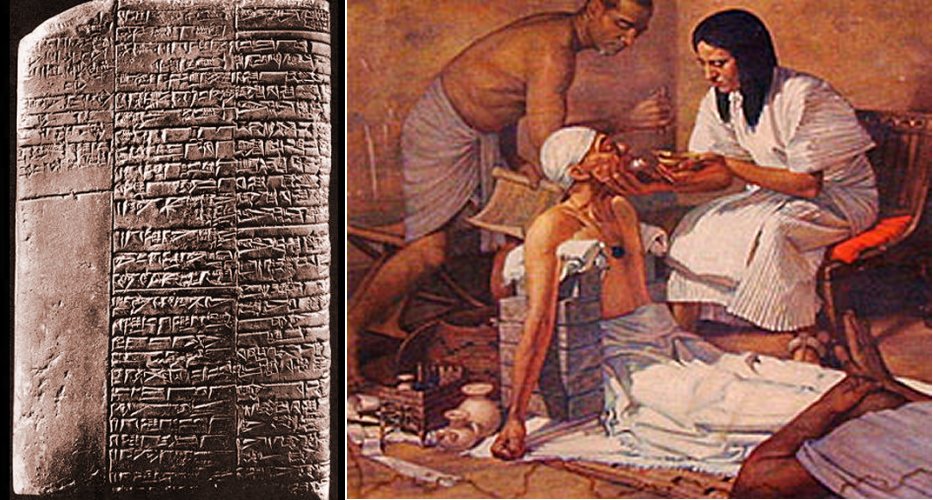
Not every ancient treatment for cancer-like disease depended on the knife or the hot iron. Much of ancient medicine worked through substances applied to the skin: pastes, poultices, plasters, oils, fats, minerals, resins, plant juices, honey, wine, vinegar, and powders. These remedies occupied a broad therapeutic spectrum. Some were protective and soothing, meant to cover a wound, reduce irritation, absorb discharge, or ease pain. Others were drying, drawing, heating, cooling, softening, or dissolving according to the medical theories of their culture. Still others were frankly destructive, intended to corrode diseased tissue in the way a blade or cautery might destroy it more violently. For cancer-like lesions, topical treatment offered an appealing middle ground between passive care and surgical attack.
Egyptian wound care shows the gentler side of this tradition. Medical papyri and later scholarship describe dressings made from linen or lint, honey, grease, oils, and plant ingredients, often applied to wounds and covered with bandages. Honey, grease, and lint are repeatedly noted in discussions of Egyptian wound treatment; modern historians of wound care often emphasize that honey and grease could protect wounds while lint or fiber could absorb discharge. These substances were not cancer cures, but they could make damaged tissue more manageable. A tumor that had broken through the skin, bled, oozed, or attracted flies and smell presented immediate problems apart from the underlying disease. Covering, cleaning, softening, drying, or sealing the surface could reduce suffering even when it did nothing to halt the deeper process. It also preserved a degree of dignity for the patient, since open lesions were not only painful but socially exposing. A bandaged wound was a managed wound, even if the disease beneath remained frightening and uncontrolled. Egyptian topical care reminds us that ancient cancer treatment should not be judged only by whether it cured malignancy. Much of it belonged to the humbler but essential work of making a damaged body bearable, less vulnerable to further injury, and less abandoned to decay. Ancient topical therapy belongs to the history of palliation as much as to the history of attempted cure.
Greek and Roman pharmacology expanded the range of topical intervention. Physicians and drug writers inherited a world of plant, animal, and mineral substances, each assigned qualities and powers according to taste, sensation, visible effect, and theoretical classification. A remedy might be understood as warming, cooling, drying, moistening, attracting, dispersing, softening, hardening, cleansing, or eating away flesh. That last category is important for cancer-like disease. When a lesion was thought to be corrupt, excessive, or abnormal tissue, a physician might try to destroy it chemically rather than remove it surgically. Celsus lists numerous caustic substances, including mineral and metallic preparations such as orpiment, copper compounds, verdigris, lime, antimony sulfide, and other materials capable of biting into flesh. These were not gentle medicines. They were weapons applied to the body.
The appeal of caustic pastes lay in their ability to produce visible action. A poultice that soothed pain might comfort the patient, but a caustic that burned, blackened, dried, or dissolved tissue seemed to prove that the disease was being attacked. This mattered in a therapeutic culture where visible change carried persuasive force. If the abnormal flesh shrank, sloughed away, stopped bleeding, or formed a scar, the treatment could appear successful even if malignant disease remained beneath or beyond the treated surface. Arsenical and mineral caustics belong to this logic. Arsenic-containing substances have a very long history in medicine, though their toxicity always made them dangerous; later cancer therapies and caustic pastes often drew on that same destructive promise. Ancient and later premodern practitioners did not always separate sharply between a drug, a poison, and a corrosive tool. The difference often depended on dose, preparation, placement, and purpose. A substance that could kill if swallowed might be valued when applied locally to devour diseased tissue; a mineral that harmed healthy flesh might be tolerated if it seemed to consume a growth more aggressively than an ordinary dressing could. This gave caustics a frightening therapeutic prestige. They produced pain, odor, discharge, color change, scabbing, and sloughing, all of which could be interpreted as signs that the medicine was doing real work. In ancient and later premodern practice, such materials could blur the line between medicine and poison. Their power was exactly what made them useful and terrifying.
This chemical attack on flesh also reveals the limits of ancient diagnosis. A caustic might destroy a wart, a benign growth, proud flesh, a superficial ulcer edge, or an infected surface. The result could be genuinely beneficial. But if the lesion was malignant, corrosive treatment was usually trapped at the surface. It could burn what it touched, but it could not know where the cancer ended. Too weak a preparation might irritate without destroying; too strong a preparation could eat into healthy tissue, enlarge the wound, worsen pain, and invite infection. The ancient physician faced the same problem with caustics that he faced with surgery and fire: the treatment acted locally, while the disease might not be local at all. A paste could produce a dramatic wound, but not necessarily a cure.
Pastes and poultices occupy an important place in ancient cancer treatment because they show both compassion and aggression. Honey, grease, linen, and soothing herbs belong to the effort to protect the suffering body; caustics, arsenical minerals, and corrosive compounds belong to the effort to attack diseased flesh without a knife. Ancient medicine moved between these impulses constantly. It dressed wounds and created them, soothed pain and inflicted it, covered ulceration and burned it away. For patients with cancer-like disease, this could mean mild help, temporary relief, frightening injury, or the illusion of progress. Yet the logic was understandable. When the disease appeared on the surface of the body, ancient healers reached for substances that could change that surface. The tragedy was that cancer, when truly malignant, was rarely only a surface problem.
Galen and the Systemic Body: Black Bile, Regimen, Purging, and the Problem of Recurrence

Galen inherited the Greek language of the “crab,” but he gave cancer-like disease a larger place within the whole body. For Galen, a tumor was not merely a local accident of flesh. It was a visible sign of internal disorder, shaped by the quality, movement, and accumulation of humors. This mattered because it changed the meaning of treatment. If a hard swelling was only the outward expression of a deeper bodily imbalance, then cutting it away could never be the whole answer. The surgeon might remove what appeared under the hand, but the physician still had to ask why the body produced such a growth in the first place. Galenic cancer medicine turned repeatedly from the lesion to the constitution, from the surface to the system, from the tumor as object to the patient as a humoral body.
Black bile occupied the most important place in this explanation. In Galenic physiology, black bile was associated with thickness, darkness, heaviness, chronicity, and stubborn disease. A cancerous tumor could be understood as the product of melancholic matter collecting in a particular part of the body, forming a hard and dangerous swelling. This did not mean that Galen possessed a unified theory of cancer in the modern sense, nor that every ancient or later Galenic writer explained tumors in exactly the same way. But the association between cancer and black bile gave physicians a persuasive account of why these growths were hard, deep, recurrent, dark, painful, and resistant to ordinary healing. The tumor’s character seemed to match the humor that produced it. It was not a sudden fever or a simple wound. It was the visible deposit of a chronic internal corruption.
This systemic model also explained recurrence. If a cancer-like mass was removed but the black bile that generated it remained in the body, the disease could return. That idea gave Galenic medicine a powerful answer to one of the most frightening clinical facts about cancer: the apparent success of local treatment could be temporary. A wound might heal after excision, cautery, or caustic application, only for a new mass to form or an old lesion to reopen. Modern medicine explains recurrence through residual malignant cells, local invasion, lymphatic spread, metastasis, tumor biology, and treatment failure. Galen explained it through humoral persistence. The language was different, and the biology was wrong, but the clinical observation was meaningful. Cancer-like disease could not always be understood as a simple object to be removed. It behaved like a condition of the whole body. That interpretation also made recurrence less mysterious within ancient medicine. The returning tumor was not necessarily proof that the surgeon had failed to cut boldly enough, though that might sometimes be suspected. It could instead be understood as evidence that the diseased matter had only found a new place to gather, or that the body’s internal condition had continued to manufacture the same danger after the visible growth was gone. In that way, Galenic theory protected the coherence of medicine in the face of repeated therapeutic disappointment. It allowed physicians to explain why a treatment might appear to work locally while failing in the larger course of the illness.
That is why regimen mattered. Galenic therapy did not begin and end with the knife. Diet, exercise, bathing, sleep, sexual activity, evacuations, environment, emotional state, and the ordering of daily life all belonged to medicine. A patient inclined toward melancholic disease might be treated through foods, habits, and practices thought to thin, redirect, moderate, or evacuate dangerous humors. Purging and bloodletting could be used to remove excess or corrupt matter, while diet could be adjusted to avoid producing more of it. To modern readers, such treatment can sound irrelevant to cancer, and in curative terms it usually was. But within Galen’s medical world, regimen was not an afterthought. It was the way medicine acted on the body. If cancer arose from systemic imbalance, then treatment had to address the system, even when the visible tumor drew the eye.
Galenic caution about surgery followed from this same logic. A tumor caused by black bile could not be safely approached as though it were merely a foreign object lodged in the flesh. If the disease was small, superficial, and separable, removal might be possible. But if it was large, fixed, ulcerated, painful, or connected to important vessels and surrounding tissues, the operation could do more harm than good. Even successful cutting might leave the underlying humoral disorder untouched. Worse, disturbing the tumor might inflame the part, produce bleeding, enlarge the wound, or accelerate decline. Galen’s medicine did not reject surgery absolutely, but it subordinated surgery to judgment. The question was not simply whether the physician could cut. It was whether cutting addressed the disease as Galen believed it actually existed: not only in the affected part, but in the humoral condition of the patient. This helped make nonintervention a defensible medical choice rather than merely a confession of helplessness. A physician might decide that the body was too corrupted, the tumor too rooted, or the patient too weakened for the knife to offer benefit. Such restraint had practical consequences. It could spare the patient the immediate agony of an operation, the risk of uncontrolled bleeding, and the likelihood of a wound that would never properly heal. It also reflected a broader Galenic preference for proportionate treatment: the remedy had to fit the nature, stage, location, and strength of both disease and patient. In cancer-like disease, where the visible lesion could conceal a much larger disorder, this proportionality often meant hesitation.
The breast again became an important site for this reasoning. Galenic and later Galenic traditions often treated breast cancer as a classic example of melancholic tumor formation. The breast was visible, palpable, and symbolically charged, but it also seemed vulnerable to deep, hard, painful swellings that could ulcerate and spread. A physician could feel the tumor, observe its vessels, note its hardness, and judge whether it was movable or fixed. Yet the very features that made it recognizable also made it ominous. A hard breast tumor could appear to be rooted in the body, drawing vessels and surrounding tissue into its grip. The crab metaphor, the black bile theory, and the surgical dilemma converged here. The disease seemed local enough to name, but systemic enough to resist cure.
Galen’s importance lies not in having solved cancer, but in having made its failure to be cured intellectually coherent for centuries. His system explained why cancer-like disease was chronic, why it recurred, why local treatment often failed, why diet and evacuation seemed relevant, and why aggressive intervention could be dangerous. That coherence helped Galenic medicine endure long after its biological premises should, from a modern standpoint, have collapsed. It offered physicians a way to preserve order in the face of a disorder they could not master. The cost was that an elegant theory could make ineffective treatment seem rational. The value was that Galenic medicine recognized something crucial: cancer was often not simply a wound, not simply a swelling, and not simply a surgical object. It was a disease of the body’s hidden processes, visible at the surface only after its deeper work had already begun.
India: Arbuda, Granthi, Surgery, Alkalis, and the Surgical Imagination of Suśruta
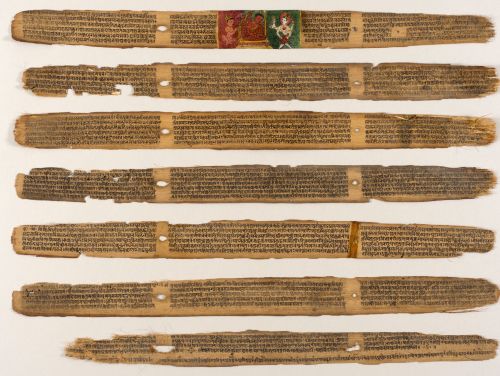
Ancient Indian medicine brings a different but deeply revealing vocabulary to the history of cancer-like disease. Sanskrit medical texts did not diagnose “cancer” in the modern oncological sense, but they did classify abnormal swellings, knots, growths, and masses through terms such as arbuda and granthi. These categories have often been compared to tumors, and sometimes to malignant disease, but they should not be translated too quickly. A granthi might suggest a knot, glandular swelling, cystic mass, or localized enlargement; an arbuda could indicate a larger, firmer, more serious growth. Some examples may have corresponded to cancers, while others likely described benign tumors, inflammatory swellings, abscesses, goiters, lipomas, or other conditions. The value of these terms lies not in their exact equivalence to modern pathology, but in the fact that Indian physicians, like Egyptian, Greek, and Roman physicians, recognized that some bodily masses behaved differently from ordinary wounds or transient swellings.
The Suśruta Saṃhitā is central to this history because it preserves one of the most sophisticated surgical imaginations of the ancient world. Associated with Suśruta, the text presents surgery not as desperate improvisation but as a disciplined field of knowledge involving instruments, incisions, excisions, scraping, probing, drainage, stitching, cautery, alkaline applications, wound care, and training. Its surgical sections describe the body as something that could be acted upon with technique, judgment, and manual skill. That matters for cancer-like disease because visible growths invited exactly this kind of practical attention. A mass could be examined, classified, opened, removed, cauterized, treated with alkali, or declared difficult depending on its location, depth, consistency, pain, mobility, and relation to surrounding tissue. The body was not simply prayed over or balanced through diet; it could also be cut. Just as importantly, the text imagines surgical competence as something learned through discipline rather than inherited by instinct. Instruments had to be known, procedures sequenced, wounds managed, and the surgeon’s hand trained before it touched living flesh. This gives the treatment of tumors and swellings a technical seriousness that is easy to miss if ancient medicine is reduced to charms, herbs, or vague theories of balance. In Suśruta’s world, the healer’s hand mattered because disease sometimes presented itself as a concrete obstruction in the body, something that demanded tactile knowledge as much as theoretical explanation. Cancer-like growths, whether truly malignant or not, belonged to this field of practical confrontation.
Yet Suśruta’s surgical confidence did not mean indiscriminate intervention. The text belongs to an Ayurvedic world in which disease emerged through disturbances of the doṣas, bodily tissues, channels, blood, diet, behavior, season, constitution, and local pathology. A growth was not merely a lump. It could be the result of disturbed vāta, pitta, kapha, blood, flesh, fat, or combinations of bodily processes that produced hardening, swelling, pain, suppuration, or obstruction. This gave Indian medicine a double vision. On the one hand, the visible mass might demand local treatment. On the other, the mass belonged to a larger bodily order that had gone wrong. As in Galenic medicine, this helped explain why removal alone might not guarantee cure. If the underlying imbalance remained, the visible growth could recur, worsen, or be replaced by another disorder.
The therapeutic tools described in Indian surgical literature were varied and often forceful. The knife was one option, but not the only one. Alkalis, or kṣāra, occupied an important place because they could corrode, cut, drain, and destroy tissue chemically. Cautery, or agnikarma, offered another form of destruction through heat. Together with excision, scraping, puncturing, and drainage, these methods created a graduated scale of intervention. Some swellings could be softened or treated with applications; others required incision; still others might be burned or destroyed with alkaline substances when ordinary measures failed. For cancer-like growths, this range of therapies shows the same ancient logic seen elsewhere: if abnormal flesh could not be persuaded back into order, it might have to be removed or consumed. The significance of this graduated approach is that it gave the physician more than a single dramatic choice. Treatment could move from milder applications to invasive procedures, from attempts to resolve a swelling to efforts to destroy it outright. That sequence suggests both confidence and caution. Indian surgical thought recognized that not every growth should be handled in the same way, and that the method had to fit the condition’s appearance, depth, strength, and danger. Alkali and fire were not merely brutal tools; they were part of a reasoned hierarchy of intervention in which the physician selected the form of destruction most suited to the disease. The tragedy, as in other ancient systems, was that this hierarchy could refine the local attack without revealing whether the disease was truly local.
The use of alkalis is important because it shows how ancient Indian medicine blurred the boundary between surgery and pharmacology. A caustic preparation could function like a blade without the same kind of incision. It could eat into tissue, open a lesion, destroy unwanted growth, or help remove what the surgeon could not easily cut away. In that sense, kṣāra belongs beside the caustic pastes and mineral treatments of other ancient medical traditions. Its appeal lay in visible efficacy. The treated flesh changed, softened, sloughed, dried, or opened. But the dangers were equally clear. A caustic could damage healthy tissue, deepen wounds, increase pain, and create complications that then required further management. Like fire and knife, alkali was powerful because it was destructive, and destructive power was always difficult to control.
The Suśruta Saṃhitā also reveals how much ancient surgery depended on aftercare. Cutting or burning a growth was only the beginning. The wound had to be cleaned, dressed, protected, and guided through healing. Oils, ghee, honey, bandages, herbal preparations, diet, and regimen all belonged to the surgical process. This is important because ancient cancer-like treatment was rarely a single act. It was an ongoing negotiation with tissue: open it, remove it, dry it, cauterize it, soothe it, cover it, and watch whether it returned. When the growth was benign or localized, such care could produce meaningful success. When the disease was malignant, aftercare might still reduce suffering, but it could not change the hidden course of systemic illness. The visible wound might heal while the disease continued elsewhere.
Ancient Indian medicine adds a crucial dimension. It shows that premodern cancer care was not limited by a lack of courage or technical imagination. Suśruta’s tradition imagined the physician as a trained operator who could intervene directly in the body with instruments, fire, alkali, and disciplined wound care. Yet even this sophisticated surgical world remained bound by the same fundamental limits found in Egypt, Greece, and Rome. It could treat what could be seen, touched, opened, burned, scraped, or dissolved. It could interpret growths through a systemic theory of bodily imbalance. It could sometimes relieve pain, remove masses, manage wounds, and prolong usefulness. But it could not reliably distinguish malignant from benign disease, nor could it cure a cancer that had already moved beyond the reach of the hand. In India, as elsewhere, the ancient physician’s greatest strength was also the boundary of his art: he could act powerfully on the visible body, while the deepest logic of cancer remained hidden.
China: Masses, Accumulations, Qi, Blood, Phlegm, and the Problem of Calling It “Cancer”
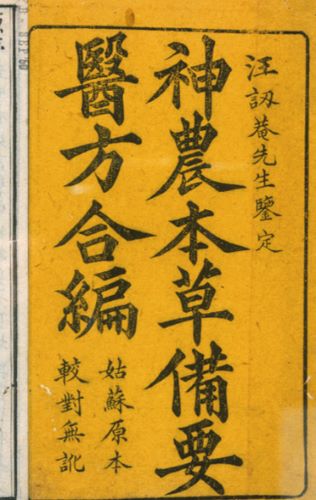
Classical Chinese medicine presents one of the most difficult cases in any history of ancient cancer, not because Chinese physicians ignored tumors, but because their categories resist modern translation. Early and classical Chinese medical texts described swellings, masses, accumulations, obstructions, abscesses, ulcers, toxic sores, abdominal lumps, and conditions in which bodily substances gathered or failed to move properly. These were real clinical concerns, and some of them may have corresponded to malignant disease. But to call them “cancer” too quickly risks forcing a modern biomedical diagnosis onto a system that organized the body in very different terms. Chinese medicine did not begin with cells, organs in the modern anatomical sense, or malignant transformation. It began with patterns of movement and blockage, with qi, blood, fluids, channels, heat, cold, wind, dampness, phlegm, toxicity, deficiency, and stasis.
The most useful way to approach this tradition is to begin with masses rather than cancer. Chinese medical texts used categories such as accumulations and gatherings, often discussed through terms like ji and ju, and later through related discussions of abdominal masses, concretions, swellings, and obstructions. These terms did not necessarily identify a single disease. They described patterns: something had collected, hardened, failed to disperse, or become lodged in the body. A mass might be painful or painless, fixed or movable, hard or soft, hot or cold, superficial or deep. The physician’s task was not to classify it as benign or malignant in the modern sense, but to determine what pattern of bodily disorder had produced it. Was qi constrained? Was blood stagnant? Had phlegm congealed? Was heat turning into toxicity? Was the body too deficient to transform and move its fluids properly? Such questions gave the disease a logic even when its material nature remained obscure. They also made the patient’s whole condition part of the diagnosis. The same lump could mean different things depending on pulse, complexion, appetite, pain, stool, urine, menstrual history, emotional strain, climate, age, and the broader pattern of bodily disharmony. This is one reason the Chinese evidence can be so difficult for historians of cancer: the texts do not isolate a tumor as a self-contained object in the modern pathological sense. They place it within a moving field of signs, substances, and relationships. A mass was not merely “there”; it had formed, gathered, obstructed, hardened, or transformed because something in the body’s ordering had failed.
This pattern-based thinking shaped treatment. A growth or swelling might be approached by moving qi, invigorating blood, softening hardness, resolving phlegm, clearing heat, draining toxicity, dispersing accumulations, or strengthening the body so that it could transform what had become stuck. Herbal formulas, diet, acupuncture, moxibustion, topical applications, and regimen all belonged to this therapeutic world. The aim was often not to cut out a discrete object, but to restore movement and correct the conditions that allowed a mass to form. In that sense, classical Chinese medicine was systemic in a way that parallels, but does not duplicate, Galenic and Ayurvedic medicine. A tumor-like swelling was not merely local tissue. It was the visible or palpable result of disordered circulation, transformation, and balance within the body’s networks.
This does not mean that Chinese medicine was gentle or purely internal. Surface swellings, abscesses, ulcerated sores, and toxic lesions could require topical treatment, drainage, lancing, cautery-like methods, or aggressive external applications. Chinese medical and surgical traditions developed sophisticated approaches to sores and ulcers, especially in later periods, and some of those conditions may have overlapped with cancers of the skin, breast, neck, or other visible tissues. But the ancient and classical evidence must be handled carefully. A foul ulcer was not automatically a malignant tumor. A breast swelling was not automatically breast cancer. A hard abdominal mass was not automatically carcinoma. Infection, inflammation, trauma, cysts, parasites, goiters, benign growths, and reproductive disorders could all produce signs that modern readers might be tempted to gather under the word “cancer.” The historian has to preserve the uncertainty rather than erase it.
The role of phlegm and blood stasis is important, though it should not be flattened into a single ancient cancer theory. In Chinese medicine, phlegm was not simply mucus in the lungs. It could become a broader pathological substance, a product of failed fluid transformation that lodged in different parts of the body and produced nodules, swellings, dizziness, obstruction, or strange disorders. Blood stasis, likewise, described blood that no longer moved properly, producing pain, masses, discoloration, menstrual problems, trauma-related pathology, or chronic obstruction. Together with qi stagnation and toxicity, these ideas gave later physicians a language for explaining hard, stubborn, recurrent, and difficult-to-resolve growths. The resemblance to cancer is tempting because malignancy also appears stubborn, invasive, and recurrent. But the resemblance is interpretive, not identical. Chinese physicians were explaining masses through the behavior of vital substances and pathological patterns, not through uncontrolled cellular proliferation.
The term “Traditional Chinese Medicine” also needs caution. It is familiar to modern readers, but it refers largely to a modern standardized system shaped in the twentieth century from older Chinese medical traditions. The ancient world did not have “TCM” in that institutional sense. It had diverse medical lineages, classical texts, regional practices, materia medica traditions, acupuncture and moxibustion traditions, religious healing, household remedies, and learned medical debate. For my purposes, “classical Chinese medicine” is the better phrase. It allows the discussion to include texts such as the Huangdi Neijing and later developments without implying that ancient Chinese healers practiced a modern state-organized medical system. The same caution applies to substances sometimes discussed in modern cancer research. It is better to speak of turmeric, rhubarb, realgar, animal substances, or materia medica in historical terms than to project modern chemical language such as “curcumin” backward into ancient therapy. That distinction is more than semantic. Modern readers are often tempted to search ancient materia medica for early versions of contemporary anticancer compounds, as though historical herbs were waiting to be translated into laboratory extracts. But ancient physicians did not think in isolated active ingredients. They thought in combinations, qualities, preparations, bodily patterns, and relationships between substances and patients. A mineral, root, animal product, or aromatic substance might be valued because it moved, warmed, cooled, softened, dried, dispersed, detoxified, or supplemented within a particular diagnostic pattern. To call such a remedy an “anticancer drug” risks making the ancient evidence sound more targeted than it was. The better historical question is how Chinese physicians understood stubborn masses and what kinds of bodily change they hoped their remedies would produce.
China deepens my central argument by showing how easily ancient cancer history can be distorted by translation. Classical Chinese physicians recognized masses, swellings, ulcerations, obstructions, and stubborn disorders that sometimes behaved like cancer-like disease. They developed ways to explain and treat them through qi, blood, phlegm, stasis, toxicity, heat, cold, deficiency, and accumulation. These therapies could sometimes ease pain, reduce swelling, drain sores, soften masses, or help patients endure chronic illness. But they did not reliably cure malignant cancer in the modern sense, because the disease’s cellular and metastatic nature remained hidden. The Chinese evidence is not a story of a lost ancient oncology, nor a story of ignorance. It is a story of another sophisticated medical world confronting the same problem seen in Egypt, Greece, Rome, and India: the body produced dangerous masses that could be felt, named, interpreted, and treated, but not fully understood.
Religion, Ritual, and Hope: Temples, Incantations, Amulets, and Divine Healing

When cancer-like disease exceeded the reach of medicine, it did not fall outside the world of healing. Ancient patients lived in cultures where bodily suffering, divine power, ritual protection, household practice, and learned medicine overlapped constantly. A hard tumor, ulcerated sore, breast swelling, or wasting illness could be treated by a physician, dressed by family members, interpreted through humors or bodily substances, and also brought before gods, priests, healers, temples, amulets, prayers, dreams, and incantations. Modern distinctions between “medicine” and “religion” can make this seem like a retreat from rational care into superstition, but that division is too sharp for the ancient world. For many patients, ritual was not the opposite of treatment. It was another form of treatment, especially when ordinary remedies had reached their limit.
Egyptian evidence makes this overlap clear. The same medical culture that produced careful surgical observation also preserved spells, invocations, amulets, and divine appeals. A wound could be bandaged and spoken over; a dangerous swelling could be managed with substances and placed within a sacred order; a patient could seek both practical intervention and supernatural protection. This does not mean that Egyptian medicine was incoherent. It means that healing was understood as a struggle against visible injury, invisible forces, bodily disorder, divine danger, and social fear at once. A cancer-like growth, precisely because it was stubborn and terrifying, invited this wider range of responses. If the physician’s hand could not cure it, words, gods, and protective objects might still help the sufferer endure it.
Greek temple medicine provides another major example. The cult of Asclepius offered healing through pilgrimage, purification, sacrifice, prayer, sleep, dreams, and divine encounter. Patients came to sanctuaries not only with simple complaints but with chronic, disabling, embarrassing, and frightening conditions. Inscriptions from healing shrines often present cures in dramatic form, emphasizing divine power where human skill had failed or proved insufficient. Whether every recorded cure is historically credible is not the point. The sanctuaries reveal a social world in which the incurable or poorly treated patient could still act. A person with a stubborn growth or wasting disease could travel, dedicate offerings, sleep in the sacred precinct, receive a dream, and return with a story of divine attention. The process itself mattered: the journey separated the patient from ordinary helplessness, the ritual purified the sufferer for divine contact, the sleeping chamber created a space where illness could be addressed by a power greater than the physician, and the returned testimony placed private pain within a public archive of healing. Votive offerings, anatomical models, inscriptions, and stories of cure also allowed the sick body to be represented symbolically, not merely endured physically. For someone whose disease had resisted drugs, dressings, cutting, or cautery, the sanctuary offered a different kind of therapeutic logic. It did not ask only what the physician could do to the body; it asked whether the sufferer could be seen, touched, instructed, or restored by the god.
For cancer-like illness, such hope mattered because the disease threatened more than flesh. A visible tumor could disfigure the face, breast, neck, or limb. An ulcer could smell, bleed, leak, and shame the patient. A hidden abdominal mass could bring wasting, pain, weakness, and fear without offering any obvious object to remove. Ritual addressed these experiences in ways technical medicine often could not. It gave suffering a narrative: the god had been angered, petitioned, invited, appeased, or moved to compassion; the illness had a meaning beyond random bodily collapse; the patient remained within a community of care rather than abandoned to decay. Even when ritual did not cure, it could transform the experience of incurability by making the patient visible to divine and human witnesses.
Mesopotamian medicine also shows how diagnosis and ritual could coexist. Healers interpreted symptoms through omens, divine displeasure, demonic attack, impurity, and bodily disorder, while using drugs, bandages, incantations, fumigations, and ritual acts. A swelling, sore, or wasting condition could be placed within a framework that linked the patient’s body to gods, spirits, household danger, and cosmic order. This was not simply a failure to understand physiology. It was a way of making illness legible in a world where suffering demanded explanation and response. For diseases that modern readers might identify as cancer-like, the ritual dimension was powerful because the illness often seemed to move according to its own hidden will. A tumor that grew, returned, or consumed the body could look less like ordinary injury than like an invading force.
Indian and Chinese traditions likewise complicate any neat separation between medicine and religion. In South Asia, Ayurvedic medicine developed technical approaches to surgery, regimen, pharmacology, and bodily theory, but healing also existed within broader religious worlds of mantra, ritual purity, auspicious timing, ascetic power, temple devotion, and karmic interpretation. In China, classical medical reasoning about qi, blood, phlegm, stasis, heat, and toxicity coexisted with talismans, exorcistic rites, ancestral concerns, spirit affliction, Daoist ritual, Buddhist healing, and household practices. These were not always the same practitioners or the same texts, and learned physicians could criticize or distinguish themselves from ritual specialists. Yet patients moved through a plural medical landscape. A mass could be treated with herbs, interpreted as stagnation, protected against with ritual, and prayed over without anyone necessarily feeling that one approach invalidated the others.
The persistence of ritual healing also reminds us that ancient cancer care was shaped by uncertainty. A physician might not know whether a growth would spread, whether surgery would worsen it, whether a caustic would destroy or inflame it, or whether the patient would survive another season. In that uncertainty, ritual offered agency. The patient could make a vow, wear an amulet, seek incubation, consult a temple, recite a formula, offer a sacrifice, or summon protective powers. These acts did not need to be curative in the modern biological sense to be meaningful. They helped patients and families do something when there was little left to do. They also allowed communities to participate in care, turning private bodily fear into shared religious action.
Religion, ritual, and hope belong at the center of ancient cancer treatment, not at its margins. They reveal that ancient healing was larger than the attempt to erase disease. It included explanation, protection, consolation, status, purification, endurance, and preparation for death. This broader field was crucial because cure was so rare. Temples, incantations, amulets, and divine healing did not solve the biological problem of malignancy. But they addressed the human problem created by a disease that could be seen, smelled, touched, feared, and yet not mastered. Ancient patients did not turn to ritual merely because they were ignorant. They turned to it because medicine, then as now, had to answer suffering even when it could not defeat the disease.
Pain, Ulceration, Smell, Shame, and the Social Life of Visible Disease

Cancer-like disease in the ancient world was not only a medical problem. It was also a social event. A hidden illness could remain private for a time, known only through pain, weakness, appetite, fever, or wasting. But when disease appeared on the skin, breast, face, neck, mouth, genitals, or limbs, it entered public life. A visible tumor could change how a person moved through household, marketplace, temple, bath, street, and family gathering. An ulcerated lesion could stain clothing, require constant dressing, and produce smells or discharges that others noticed before the sufferer could explain them. The disease did not merely attack tissue. It altered presence, reputation, intimacy, labor, sexuality, gendered identity, and the patient’s ability to remain socially recognizable.
Pain was the most immediate burden, but ancient sources often leave it partly hidden behind the physician’s description of signs. A tumor might be hard, fixed, hot, cold, dark, swollen, ulcerated, or incurable; beneath those words was the daily experience of a body that hurt. Pain from cancer-like disease could be sharp, dull, burning, dragging, or pressure-like, depending on the location and type of lesion. A breast tumor might make ordinary movement painful. A lesion of the mouth or throat could interfere with eating and speech. An abdominal mass could make sitting, bending, and digestion difficult. A sore on the face or limb could turn touch, washing, clothing, or sleep into sources of distress. Ancient medicine had analgesic substances, sedatives, wine, opium preparations in some contexts, soothing applications, baths, and ritual consolation, but it did not have modern pain control. The sufferer often had to live inside pain rather than expect its reliable suppression.
Ulceration made the disease even more socially and physically difficult. A closed swelling might be frightening, but an open tumor announced the body’s failure in more dramatic form. It could bleed, ooze, crust, crack, attract insects, adhere to dressings, and resist healing. Ancient wound care, with its honey, oils, grease, lint, linen, resins, powders, and poultices, mattered because ulcerated disease required constant management. Even when such treatment did not cure, it could help keep the surface from becoming worse. A dressing could absorb discharge, protect exposed tissue, reduce friction, and create a boundary between diseased flesh and the outside world. That boundary was medically useful, but it was also social. To cover a wound was to make the body more bearable to others and, perhaps, more bearable to the patient.
Smell was one of the most devastating features of visible disease. Ancient medical writers did not always dwell on it, but foul odor was a powerful sign in premodern medicine, associated with corruption, suppuration, decay, and danger. An ulcerated cancer-like lesion could produce a smell that marked the patient as ill even before the wound was seen. In cultures where purity, cleanliness, household order, sexual attractiveness, and ritual participation mattered deeply, smell could become a form of stigma. It could make care more difficult for family members, strain marital and sexual relationships, and force the patient into partial isolation. It also blurred the boundary between the living and the dead. A body that smelled of corruption while still alive confronted everyone around it with mortality in advance.
Shame followed closely behind pain and smell. A disfiguring tumor was not simply an anatomical fact; it could change the patient’s social meaning. A facial lesion might make public appearance difficult. A breast tumor could threaten ideals of femininity, nursing, sexuality, and bodily wholeness. Genital or anal lesions could carry embarrassment, secrecy, or moral suspicion. Skin growths and ulcers could be interpreted through ideas of pollution, divine punishment, imbalance, excess, or personal misfortune. None of these meanings was universal, and ancient societies varied widely in how they understood illness. But visible disease often carried more than clinical significance. It invited explanation, pity, disgust, avoidance, gossip, and sometimes blame. The patient became not only someone who suffered, but someone whose suffering had to be interpreted by others.
This social life of disease also shaped treatment choices. A patient might seek help not only because a tumor threatened life, but because it threatened visibility. The desire to remove, cover, dry, perfume, soften, shrink, or burn away a lesion could be driven by the need to reenter ordinary social space. A caustic paste that damaged tissue might still seem worth trying if it promised to reduce a humiliating growth. A bandage might be valued as much for concealment as for healing. A temple cure might offer not only divine intervention but a public story that transformed shame into sacred struggle. Even the physician’s prognosis had social consequences. To say that a condition was untreatable could prepare a family for decline, but it could also mark the patient as someone whose body had moved beyond ordinary care. Visible cancer-like disease exposes one of the central truths of ancient medicine: care was never only technical. It was also domestic, emotional, ritual, and reputational. The physician might cut, burn, dress, purge, or prescribe, but the patient still had to eat, sleep, smell, be touched, be seen, and be cared for. Family members changed dressings, managed bedding, cleaned discharge, endured odor, and watched the body alter day by day. Religious specialists, neighbors, attendants, and household members might all become part of the illness. Ancient cancer care was a social practice as well as a medical one. It attempted to preserve not only life, but dignity, manageability, and relationship. When cure was impossible, these lesser forms of preservation became profoundly important.
Why Ineffective Treatments Persisted: Occasional Success, Theory, Authority, and Desperation

Ineffective cancer treatments persisted in the ancient world not simply because physicians were ignorant, nor because patients were gullible. They persisted because the boundary between success and failure was often difficult to see. A swelling might shrink after a poultice. An ulcer might dry after a caustic. A mass might disappear after surgery because it had never been malignant in the first place. Pain might ease after a dressing, bath, purge, prayer, sedative, or change in regimen. A patient might live months or years after treatment and attribute survival to the remedy. In a world without histology, controlled trials, tumor staging, or long-term statistical comparison, these partial and ambiguous outcomes could sustain confidence in therapies that rarely cured true malignancy.
Occasional success was persuasive because ancient physicians treated many different conditions under overlapping categories. A “tumor” might be cancer, but it might also be an abscess, cyst, enlarged gland, lipoma, goiter, inflammatory swelling, traumatic lesion, or benign growth. Some of these conditions could genuinely improve with incision, drainage, cautery, topical applications, diet, or time. A painful swelling that was opened and drained might seem to prove the value of surgical intervention; a benign mass removed cleanly might be remembered as a dangerous growth cured by the knife; an ulcer that dried after a corrosive paste might be taken as evidence that the medicine had eaten away disease. Even spontaneous improvement could be folded into the reputation of whatever treatment happened to precede it. When such a case improved, it strengthened the reputation of the treatment and the practitioner. The successful case then became part of medical memory: the swelling was cut and healed; the ulcer was burned and dried; the paste drew out corruption; the god answered; the regimen restored balance. The fact that other, more malignant cases failed did not necessarily disprove the therapy. Those failures could be explained as worse cases, later cases, deeper cases, weaker patients, unfavorable constitutions, or diseases that had already passed beyond remedy. Ancient medicine had no easy way to separate categories that modern pathology would later divide, and that diagnostic uncertainty allowed scattered successes to lend credibility to treatments whose apparent victories often belonged to diseases that were never cancer at all.
Medical theory also gave persistence an intellectual foundation. Egyptian prognosis, Greek humoralism, Galenic black bile, Ayurvedic doṣas, Chinese qi and blood, and ritual explanations all made disease intelligible even when treatment failed. A remedy might not cure because it was applied too late, because the patient’s constitution was too weak, because the humor was too deeply rooted, because the doṣas were too disturbed, because qi and blood had become too obstructed, or because divine forces had not been appeased. These explanations did not always function as excuses. They allowed physicians to think seriously about variation in outcome. Why did one swelling resolve while another hardened? Why did one ulcer dry while another spread? Why did cutting help one patient and hasten death in another? Theory gave order to uneven results.
Authority reinforced that order. Ancient medicine depended heavily on teachers, lineages, texts, family practice, temple traditions, and the prestige of famous names. A therapy attributed to an authoritative school, ancient master, respected physician, temple, or written collection carried weight before it was tested in any modern sense. The authority of Hippocratic writings, Galen, Suśruta, Egyptian medical papyri, Chinese classics, or local healing traditions did not mean every practitioner followed them mechanically, but it did mean that inherited treatments could survive failure. A physician might adapt a remedy, combine it with others, or explain its failure as misapplication rather than abandon it entirely. In manuscript cultures, repetition itself created legitimacy. A treatment copied, taught, and transmitted for generations acquired the appearance of accumulated wisdom. Desperation did the rest. Cancer-like disease often presented itself as a condition of narrowing options. A visible tumor grew. A wound refused to heal. A breast hardened. A sore smelled. A patient wasted. Ordinary remedies failed, and the body became a daily argument against hope. In that setting, even a dangerous treatment could seem rational. A caustic paste might burn healthy flesh, but the tumor was already consuming the body. Surgery might cause bleeding, infection, and agony, but waiting promised decline. Cautery might be terrifying, but it offered action when gentler measures had done nothing. Patients and families did not need to believe with perfect confidence that a remedy would cure. They only needed to believe that doing something was better than surrendering immediately to the disease.
The placebo effect, broadly understood, also has a place here, though it should be used carefully. Ancient remedies could alter expectation, attention, pain, mood, and the patient’s sense of being cared for. A physician’s confidence, a temple ritual, a dramatic cautery, a bitter drug, a fragrant poultice, or an elaborate regimen could produce real changes in suffering even when the underlying disease remained unchanged. This was not imaginary healing. Pain, fear, appetite, sleep, and endurance are part of illness. A treatment that failed to cure cancer could still help a patient live with cancer-like disease for a time. The danger was that symptomatic relief, visible action, and emotional reassurance could be mistaken for control of the disease itself.
Ineffective treatments persisted because they were not always wholly ineffective. They sometimes helped the wrong disease, helped a symptom rather than the cause, helped briefly, helped socially, helped spiritually, or helped the patient endure decline. They also persisted because ancient medical systems had persuasive explanations for failure, because authority preserved inherited practice, and because desperate patients sought hope where certainty was unavailable. This does not make ancient cancer therapy successful in the modern oncological sense. It makes it historically intelligible. The treatments endured because they occupied the space between cure and abandonment, where medicine could still offer action, interpretation, comfort, and occasional visible improvement even when the disease itself remained beyond mastery.
Late Antique and Early Medieval Afterlives: What Ancient Cancer Treatment Passed On
Ancient cancer treatment did not end with the classical world. It passed into late antique, Byzantine, Syriac, Arabic, Persian, and early medieval medical cultures as a body of language, theory, technique, and caution. The disease remained difficult to cure, but it was no longer an unnamed terror. Physicians inherited the crab metaphor, the association with hard and stubborn tumors, the suspicion of black bile, the therapeutic ladder of drugs, knife, and fire, and the warning that some cancers should not be disturbed. This inheritance mattered because it gave later physicians a ready-made framework for recognizing cancer-like disease, even when their remedies remained limited. The old problem persisted: medicine could describe, classify, soothe, cut, cauterize, and theorize, but it still could not reliably cure malignancy.
Byzantine medicine played an important role in preserving and organizing this inheritance. Writers such as Oribasius, Aëtius of Amida, Alexander of Tralles, and Paul of Aegina transmitted large portions of Greek medical thought while adapting it to new institutional, religious, and practical settings. Their works gathered earlier authorities, condensed therapeutic traditions, and helped preserve surgical and pharmacological knowledge that might otherwise have scattered. Cancer-like tumors continued to appear within discussions of swellings, ulcers, hard masses, and diseases caused by melancholic humors. Treatment remained cautious and hierarchical. Superficial lesions might be treated with topical applications, caustics, excision, or cautery; deeper and more dangerous cancers were often approached with restraint. The physician’s task was still to decide whether intervention would help the patient or simply intensify suffering.
Early medieval Arabic-language medicine then became one of the most important vehicles through which ancient cancer theory survived and expanded. Translators, scholars, and physicians working in Syriac, Arabic, and Persian intellectual worlds absorbed Greek medical texts, particularly Hippocratic and Galenic writings, and placed them into a new scholarly environment. This was not passive preservation. Physicians such as al-Rāzī, Ibn Sīnā, and later al-Zahrāwī read, organized, criticized, and elaborated earlier medicine. They inherited the association between cancer and black bile, the distinction between hard tumors and ulcerated disease, the use of regimen and evacuation, and the caution surrounding surgery. They also integrated ancient theory into broader pharmacological and clinical systems, giving cancer-like disease a durable place in learned medicine across the medieval Mediterranean and Islamic worlds. This translation movement mattered because it transformed scattered classical inheritance into an expansive medical archive. Greek ideas about tumors could now be read alongside Persian experience, Syriac scholarship, Arabic clinical writing, and materia medica drawn from several regions. Cancer-like disease became part of a cosmopolitan medical conversation rather than the property of a single ancient school. Later physicians could compare authorities, reconcile contradictions, select remedies, and refine prognosis while still working inside the same basic premodern limits. The disease remained stubborn, but the intellectual apparatus surrounding it became larger and more systematic.
Surgery retained its limited but important role in this afterlife. Al-Zahrāwī’s surgical writings, for example, show the continued importance of instruments, cautery, excision, wound care, and careful selection of cases. His surgical tradition did not transform cancer into a curable disease, but it preserved the ancient insight that some visible lesions might be attacked while others should be left alone. The same logic appeared in discussions of breast tumors and ulcerated cancers: if the lesion was small, accessible, and not too deeply rooted, removal might be considered; if it was advanced, fixed, or connected to vital structures, intervention could be more dangerous than the disease’s natural course. This was not modern oncological staging, but it was clinical discrimination. The surgeon’s confidence remained bounded by anatomy, pain, bleeding, infection, and the fear that disturbing the tumor could hasten death.
Pharmacology also expanded while remaining tied to ancient assumptions. Medieval physicians inherited Greek, Roman, Egyptian, Persian, Indian, and local materia medica traditions, then combined them into increasingly elaborate compendia. Cancer-like lesions might be treated with soothing dressings, drying powders, corrosive substances, plant preparations, minerals, animal products, and compound drugs. Some remedies aimed to relieve pain or manage ulceration; others tried to dissolve, soften, dry, or consume diseased tissue. The old ambiguity remained. A dressing might genuinely ease suffering. A caustic might destroy superficial abnormal tissue. A purge or regimen might seem to address the humoral condition believed to generate the tumor. The growing complexity of pharmacology could make treatment appear more sophisticated, and in some practical ways it was. Physicians had access to wider lists of ingredients, more refined compound preparations, and inherited debates over when to soften, cleanse, dry, cool, heat, or corrode. Yet greater variety did not necessarily mean greater curative power. A more elaborate drug tradition could multiply options without solving the central diagnostic problem: the physician still could not know whether the visible lesion was the whole disease or merely its surface expression. These therapies still operated without knowledge of malignant cells, local invasion, lymphatic spread, or metastasis. The inherited therapeutic world became richer, but not fundamentally curative.
The late antique and early medieval afterlife of ancient cancer treatment shows both continuity and endurance. Later physicians did not simply repeat old formulas out of ignorance. They inherited a difficult clinical problem that no available system could solve, and they preserved the parts of ancient medicine that seemed most useful: prognosis, caution, local intervention, wound management, humoral explanation, and palliation. This continuity explains why ancient cancer treatment mattered for so long. Its theories were biologically wrong, but its practical dilemmas remained painfully real. The physician still had to decide whether to cut or refrain, burn or soothe, purge or strengthen, promise or warn. Ancient medicine passed on not a cure for cancer, but a way of thinking about a disease that exposed the limits of every premodern therapeutic system.
Are We Calling Ancient Tumors “Cancer” Too Easily?
The following video from “History with Kayleigh” addresses how long cancer has been known:
I realize that I may be too willing to gather many ancient swellings, ulcers, tumors, masses, and incurable growths under the shadow of “cancer.” Modern cancer is not defined by appearance alone. It is diagnosed through cellular behavior, tissue pathology, invasion, genetic change, metastasis, and clinical course. Ancient physicians had none of those categories. They saw hardness, ulceration, recurrence, pain, wasting, fixation, discoloration, and death, but they could not distinguish malignant tumors from benign masses, abscesses, cysts, inflammatory swellings, infected wounds, goiters, enlarged glands, traumatic lesions, or chronic ulcers with modern precision. A breast swelling in an Egyptian text, a karkinos in a Greek source, an arbuda in Sanskrit medical writing, or a Chinese accumulation may sometimes point toward cancer-like disease, but none should be automatically translated into carcinoma.
This caution matters because the history of ancient cancer can easily become too neat. There is a temptation to build a continuous story from Egypt to Hippocrates to Galen to Suśruta to Chinese medicine to medieval Islam, as though all these traditions were describing the same disease in different languages. That is partly true, but only partly. They were all confronting bodily masses and dangerous growths, yet they were not necessarily looking at the same conditions, sorting them by the same criteria, or treating them with the same assumptions. A Greek physician who associated a hard tumor with black bile, an Ayurvedic physician who classified a swelling through doṣic disturbance, and a Chinese physician who described an accumulation of qi, blood, or phlegm were not simply offering local names for a shared biomedical object. They were seeing disease through different ontologies of the body. To call all of it “cancer” risks making ancient medicine sound more unified, more modern, and more diagnostically precise than it was.
There is also a danger in overstating the failure of ancient treatment. Some therapies probably did work for some of the conditions ancient writers placed under tumor-like categories. A benign mass could be removed. An abscess could be opened and drained. An ulcer could be cleaned and protected. Cautery could stop bleeding. Honey, oils, lint, and bandages could improve wound care. Caustics could destroy superficial abnormal tissue. Regimen, ritual, and pain relief could help patients endure illness even when they did not cure it. A physician who cut away a nonmalignant growth and saw the patient recover was not imagining success; he had achieved a real therapeutic result, even if modern historians would not call the condition cancer. Likewise, a corrosive paste that dried a chronic ulcer, or a dressing that reduced discharge and odor, could materially improve a patient’s life without touching the deeper question of malignancy. This matters because ancient treatment was judged through visible outcomes: did the swelling shrink, did the wound close, did the pain lessen, did the patient survive, did the surface look cleaner, did the disease return? Those were not foolish criteria in a world without pathology labs. They were the available evidence. If the modern historian assumes that every ancient tumor was malignant cancer, then every successful treatment looks like delusion. But if some of these “tumors” were not cancers at all, then ancient medicine may have achieved more practical success than a cancer-centered reading allows.
This does not overturn my main argument, but it does refine it. The safest historical claim is not that ancient physicians treated cancer as modern oncology defines it. Rather, they treated cancer-like disease: hard, persistent, ulcerating, recurrent, painful, disfiguring, and sometimes fatal growths that overlapped with what modern medicine would call cancer. Their treatments were limited not only because their theories were wrong, but because their categories were broader and their diagnostic tools were blunt. They were often treating a mixed field of bodily phenomena, some malignant, some benign, some infectious, some inflammatory, and some impossible to classify retrospectively. That ambiguity explains both the persistence of ineffective treatments and the occasional appearance of success.
This actually strengthens my final interpretation. Ancient cancer history is not valuable because it offers a clean genealogy of modern oncology. It is valuable because it shows how premodern medicine confronted dangerous growth before it could separate malignancy from the many other things bodies do when they swell, harden, ulcerate, and decay. The ancient physician’s world was one of uncertain surfaces and hidden causes. Some tumors could be cut; some should not be touched. Some ulcers could be dried; others spread. Some masses resolved; others returned. The word “cancer” must be used cautiously, but the caution does not erase the history. It reveals its deepest problem: ancient medicine often recognized the behavior of a deadly disease before it had the conceptual tools to know exactly what that disease was.
Conclusion: Care at the Edge of Cure
Ancient cancer treatment was a medicine of boundaries. Across Egypt, Greece, Rome, India, China, and the late antique and early medieval worlds, physicians could recognize dangerous growths, describe their hardness or ulceration, fear their recurrence, and sometimes predict their hopelessness with striking clarity. They could dress wounds, soothe pain, burn tissue, cut away visible masses, apply caustics, purge the body, regulate diet, invoke gods, and offer ritual protection. What they could not do was reliably cure malignant disease. Cancer, when it was truly cancer in the modern sense, moved beyond the tools available to ancient medicine. It occupied the tragic space between what the hand could touch and what the body secretly carried.
Yet that failure should not be mistaken for indifference. Ancient physicians often cared intensely, even when they could not cure. Their treatments could be brutal, mistaken, or useless against malignancy, but many were directed toward real suffering: pain, bleeding, ulceration, odor, exposure, disfigurement, fear, and social shame. Honey, linen, oils, poultices, cautery, regimen, prayer, and prognosis all belonged to a larger effort to make disease more manageable. Sometimes these measures helped the wrong condition, because a tumor was benign or an abscess rather than cancer. Sometimes they helped only briefly. Sometimes they helped only by giving meaning or comfort. But for patients living with incurable disease, that distinction mattered. Medicine did not have to defeat death to alter the experience of dying.
The history also shows that ancient medicine was often most perceptive where it was least powerful. Egyptian prognosis, the Greek crab, Galenic black bile, Suśruta’s surgical classifications, Chinese accumulations, and medieval cautions about cutting all reveal attempts to explain why some growths were stubborn, recurrent, painful, and dangerous. Their theories were not biologically correct, but their observations were not empty. Ancient healers saw that certain diseases clung to the body, returned after treatment, resisted ordinary healing, and sometimes worsened when attacked. They lacked cellular pathology, but they did grasp a practical truth that remains emotionally recognizable: some illnesses transform treatment from a promise of cure into a negotiation with time, pain, and uncertainty.
Care at the edge of cure is the proper final image for ancient cancer treatment. The ancient world did not possess oncology, but it did possess patients with frightening masses, physicians forced to judge the limits of intervention, families managing wounds and decline, and religious communities trying to make suffering bearable. The result was a medicine of partial actions: cut if reachable, burn if necessary, dress if open, purge if systemic, pray if desperate, and sometimes refrain if treatment would only hasten death. Ancient cancer care was not a lost therapeutic golden age, nor merely a catalogue of failure. It was a long human confrontation with a disease that could be seen before it could be understood, named before it could be cured, and cared for even when it could not be conquered.
Bibliography
Affiliate disclosure: Amazon links on this site are paid links. As an Amazon Associate I earn from qualifying purchases.
- Adamson, P. B. “Human Diseases and Deaths in the Ancient Near East.” Die Welt des Orients 13 (1982), 5-14.
- Aëtius of Amida. The Gynaecology and Obstetrics of the VIth Century A.D. Translated by James V. Ricci. Philadelphia: Blakiston, 1950.
- Al-Razi. The Comprehensive Book on Medicine (Kitab al-Hawi). Qatar National Library, 9553.
- Al-Zahrāwī. On Surgery and Instruments. Translated by M. S. Spink and G. L. Lewis. Berkeley: University of California Press, 1973.
- Aufderheide, Arthur C., and Conrado Rodríguez-Martín. The Cambridge Encyclopedia of Human Paleopathology. Cambridge: Cambridge University Press, 1998.
- Avalos, Hector. Health Care and the Rise of Christianity. Peabody, MA: Hendrickson, 1999.
- Avicenna. The Canon of Medicine (Al-Qanun fi’l-Tibb). Translated by Laleh Bakhtiar. Chicago: Great Books of the Islamic World, 1999.
- Binder, Michaela, Charlotte A. Roberts, Daniel Antoine, and Neal Spencer. “On the Antiquity of Cancer: Evidence for Metastatic Carcinoma in a Young Man from Ancient Nubia.” PLOS ONE 9:3 (2014), e90924.
- Bliquez, Lawrence J. Roman Surgical Instruments and Other Minor Objects in the National Archaeological Museum of Naples. Mainz: Philipp von Zabern, 1994.
- Böck, Barbara. “‘When You Perform the Ritual of ‘Rubbing’: On Medicine and Magic in Ancient Mesopotamia.” Journal of Near Eastern Studies 62:1 (2003), 1-16.
- Breasted, James Henry. The Edwin Smith Surgical Papyrus. 2 vols. Chicago: University of Chicago Press, 1930.
- Celsus. De Medicina. Translated by W. G. Spencer. Cambridge, MA: Harvard University Press, 1935.
- Craik, Elizabeth M. The “Hippocratic” Corpus: Content and Context. London: Routledge, 2015.
- David, A. Rosalie. The Experience of Ancient Egypt. London: Routledge, 2000.
- David, A. Rosalie, and Michael R. Zimmerman. “Cancer: An Old Disease, a New Disease or Something in Between?” Nature Reviews Cancer 10:10 (2010), 728–733.
- Ebbell, Bendix, trans. The Papyrus Ebers: The Greatest Egyptian Medical Document. Copenhagen: Levin & Munksgaard, 1937.
- Galen. Method of Medicine. Edited and translated by Ian Johnston and G. H. R. Horsley. 3 vols. Cambridge, MA: Harvard University Press, 2011.
- —-. On the Natural Faculties. Translated by Arthur John Brock. Cambridge, MA: Harvard University Press, 1916.
- —-. On the Therapeutic Method. Translated by R. J. Hankinson. Oxford: Clarendon Press, 1991.
- Garland, Robert. The Eye of the Beholder: Deformity and Disability in the Graeco-Roman World. London: Bristol Classical Press, 1995.
- Geller, Markham J. Ancient Babylonian Medicine: Theory and Practice. Chichester: Wiley-Blackwell, 2015.
- Ghalioungui, Paul. The House of Life: Per Ankh; Magic and Medical Science in Ancient Egypt. Amsterdam: B. M. Israel, 1973.
- Hankinson, R. J., ed. The Cambridge Companion to Galen. Cambridge: Cambridge University Press, 2008.
- Harper, Donald. Early Chinese Medical Literature: The Mawangdui Medical Manuscripts. London: Kegan Paul International, 1998.
- Hippocrates. Aphorisms. In Hippocrates, vol. 4, translated by W. H. S. Jones. Loeb Classical Library. Cambridge, MA: Harvard University Press, 1931.
- Horden, Peregrine, and Elisabeth Hsu, eds. The Body in Balance: Humoral Medicines in Practice. New York: Berghahn Books, 2013.
- Hsu, Elisabeth. The Transmission of Chinese Medicine. Cambridge: Cambridge University Press, 1999.
- Huangdi neijing suwen. In Huang Di Nei Jing Su Wen: Nature, Knowledge, Imagery in an Ancient Chinese Medical Text. Translated by Paul U. Unschuld and Hermann Tessenow. Berkeley: University of California Press, 2011.
- Jackson, Ralph. Doctors and Diseases in the Roman Empire. Norman: University of Oklahoma Press, 1988.
- Jouanna, Jacques. Hippocrates. Translated by M. B. DeBevoise. Baltimore: Johns Hopkins University Press, 1999.
- King, Helen. Greek and Roman Medicine. London: Bristol Classical Press, 2001.
- —-. Hippocrates’ Woman: Reading the Female Body in Ancient Greece. London: Routledge, 1998.
- Laes, Christian. Disabilities and the Disabled in the Roman World: A Social and Cultural History. Cambridge: Cambridge University Press, 2018.
- LiDonnici, Lynn R. The Epidaurian Miracle Inscriptions: Text, Translation, and Commentary. Atlanta: Scholars Press, 1995.
- Lloyd, G. E. R. Magic, Reason and Experience: Studies in the Origin and Development of Greek Science. Cambridge: Cambridge University Press, 1979.
- Lo, Vivienne, and Michael Stanley-Baker, eds. Routledge Handbook of Chinese Medicine. London: Routledge, 2022.
- Majno, Guido. The Healing Hand: Man and Wound in the Ancient World. Cambridge, MA: Harvard University Press, 1975.
- Mattern, Susan P. The Prince of Medicine: Galen in the Roman Empire. Oxford: Oxford University Press, 2013.
- Meulenbeld, G. Jan. A History of Indian Medical Literature. 5 vols. Groningen: Egbert Forsten, 1999–2002.
- Moerman, Daniel E. Meaning, Medicine, and the “Placebo Effect.” Cambridge: Cambridge University Press, 2002.
- Mukherjee, Siddhartha. The Emperor of All Maladies: A Biography of Cancer. New York: Scribner, 2010.
- Mukhopadhyaya, Girindranath. The Surgical Instruments of the Hindus. 2 vols. Calcutta: Calcutta University Press, 1913.
- Nunn, John F. Ancient Egyptian Medicine. Norman: University of Oklahoma Press, 1996.
- Nutton, Vivian. Ancient Medicine. 2nd ed. London: Routledge, 2012.
- Ortner, Donald J. Identification of Pathological Conditions in Human Skeletal Remains. 2nd ed. San Diego: Academic Press, 2003.
- Papavramidou, Niki, Elizabeth Papavramidis, and Theodoros Demetriou. “Ancient Greek and Greco-Roman Methods in Modern Surgical Treatment of Cancer.” Annals of Surgical Oncology 17:3 (2010), 665–667.
- Parker, Robert. Miasma: Pollution and Purification in Early Greek Religion. Rev. Ed. Oxford: Clarendon Press, 1996.
- Paul, Ngozi P., et al. “Arsenic in Medicine: Past, Present and Future.” Biometals 35 (2022), 949–971.
- Paul of Aegina. The Seven Books of Paulus Aegineta. Translated by Francis Adams. 3 vols. London: Sydenham Society, 1844–1847.
- Pinault, Jody Rubin. Hippocratic Lives and Legends. Leiden: Brill, 1992.
- Pormann, Peter E., and Emilie Savage-Smith. Medieval Islamic Medicine. Washington, DC: Georgetown University Press, 2007.
- Porter, Roy. The Greatest Benefit to Mankind: A Medical History of Humanity. New York: W. W. Norton, 1997.
- Retief, François P., and L. Cilliers. “Breast Cancer in Antiquity.” South African Medical Journal 101:8 (2011), 513–515.
- Ritner, Robert K. “Innovations and Adaptations in Ancient Egyptian Medicine.” Journal of Near Eastern Studies 59:2 (2000), 107-117.
- —-. The Mechanics of Ancient Egyptian Magical Practice. Chicago: Oriental Institute of the University of Chicago, 1997.
- —-. “Medicine.” In The Oxford Encyclopedia of Ancient Egypt, edited by Donald B. Redford. Oxford: Oxford University Press, 2000.
- Roberts, Charlotte, and Keith Manchester. The Archaeology of Disease. 3rd ed. Ithaca, NY: Cornell University Press, 2007.
- Rosenberg, Charles E. “Disease in History: Frames and Framers.” The Milbank Quarterly 67:1 (1989), 1-15.
- Rutkow, Ira M. Surgery: An Illustrated History. St. Louis: Mosby, 1993.
- Scarborough, John. Pharmacy and Drug Lore in Antiquity: Greece, Rome, Byzantium. Farnham: Ashgate, 2010.
- Scheid, Volker. Chinese Medicine in Contemporary China: Plurality and Synthesis. Durham, NC: Duke University Press, 2002.
- Shah, Jayesh B. “The History of Wound Care.” Journal of the American College of Certified Wound Specialists 3:3 (2011), 65–66.
- Shapiro, Arthur K. and Elaine Shapiro. The Powerful Placebo: From Ancient Priest to Modern Physician. Baltimore: Johns Hopkins University Press, 1997.
- Siraisi, Nancy G. Medieval and Early Renaissance Medicine: An Introduction to Knowledge and Practice. Chicago: University of Chicago Press, 1990.
- Sivin, Nathan. Traditional Medicine in Contemporary China. Ann Arbor: Center for Chinese Studies, University of Michigan, 1987.
- Sullivan, Richard. “The Identity and Work of the Ancient Egyptian Surgeon.” Journal of the Royal Society of Medicine 89:8 (1996), 467–473.
- Suśruta. An English Translation of the Sushruta Samhita. Translated by Kaviraj Kunja Lal Bhishagratna. 3 vols. Calcutta: Bhishagratna, 1907–1916.
- Temkin, Owsei. Galenism: Rise and Decline of a Medical Philosophy. Ithaca: Cornell University Press, 1973.
- —-. Hippocrates in a World of Pagans and Christians. Baltimore: Johns Hopkins University Press, 1991.
- Totelin, Laurence M. V. Hippocratic Recipes: Oral and Written Transmission of Pharmacological Knowledge in Fifth- and Fourth-Century Greece. Leiden: Brill, 2008.
- Unschuld, Paul U. Medicine in China: A History of Ideas. Berkeley: University of California Press, 1988.
- —-. Nan-Ching: The Classic of Difficult Issues. Berkeley: University of California Press, 1986.
- van der Eijk, Philip J. Medicine and Philosophy in Classical Antiquity: Doctors and Philosophers on Nature, Soul, Health and Disease. Cambridge: Cambridge University Press, 2010.
- Westendorf, Wolfhart. Handbuch der altägyptischen Medizin. 2 vols. Leiden: Brill, 1999.
- Wujastyk, Dominik. The Roots of Ayurveda: Selections from Sanskrit Medical Writings. 3rd ed. London: Penguin, 2003.
- —-. “The Science of Medicine.” In The Blackwell Companion to Hinduism, edited by Gavin Flood, 393–409. Oxford: Blackwell, 2008.
- Zysk, Kenneth G. Asceticism and Healing in Ancient India: Medicine in the Buddhist Monastery. New York: Oxford University Press, 1991.
- —-. Medicine in the Veda: Religious Healing in the Veda. Delhi: Motilal Banarsidass, 1996.
Originally published by Brewminate, 06.24.2026, under the terms of a Creative Commons Attribution-NonCommercial-NoDerivatives 4.0 International license.
About the Author