Before modern regulation, ancient patients faced a crowded marketplace of doctors, magicians, temple healers, drug sellers, and performers selling certainty where medicine could not always provide it.

By Matthew A. McIntosh
Public Historian
Brewminate
Introduction: The Healer, the Trickster, and the Ancient Medical Marketplace
The ancient sickroom was not a protected clinical space governed by licensing boards, standardized credentials, or professional regulation. It was a crowded marketplace of competing claims. A suffering person in the Greek or Roman world might consult a learned physician trained in a medical tradition, a household healer with practical experience, a midwife, an herbalist, a drug seller, a temple attendant, a dream interpreter, a magician, a wandering wonder-worker, or some bold stranger who had arrived in town promising cures unknown to ordinary doctors. Illness made people vulnerable, but vulnerability alone does not explain the success of ancient medical charlatans. They flourished because medical authority itself was unstable. A healer had to be believed before he could be obeyed, and belief was produced through reputation, rhetoric, visible confidence, social status, dramatic testimonials, religious language, and the patient’s desperate hope that someone, somewhere, possessed the answer.
This did not mean that ancient medicine lacked standards or that all healers were equally suspect. Greek and Roman medical writers repeatedly tried to distinguish serious medicine from deception, ignorance, and theatrical fraud. The Hippocratic author of On the Sacred Disease attacked ritual specialists who treated epilepsy as a uniquely divine affliction, accusing them of hiding their ignorance behind purification, taboo, and religious performance. Celsus presented medicine as an art with competing methods and rational procedures, even while acknowledging deep disagreements among physicians. Galen, perhaps the most combative medical author of antiquity, built much of his authority by exposing rivals as fools, braggarts, or dangerous simplifiers. Pliny the Elder, more suspicious still, warned that physicians could gain fame by experimenting on human lives. These criticisms show that ancient people were not blind to medical fraud. They knew that the sick could be manipulated, that confidence could masquerade as competence, and that technical language could turn suffering into profit.
Yet “charlatan” is a difficult word to use in the ancient world because the boundary between legitimate medicine and quackery was rarely clean. Even highly educated physicians relied on theories modern biomedicine no longer accepts, including humoral balance, speculative physiology, environmental influence, and complex systems of diet, evacuation, and regimen. Many remedies that now seem irrational belonged to coherent ancient explanations of body, climate, season, temperament, and divine order. Magic, religion, and medicine were not separate compartments in ordinary life. A patient might take a drug, change diet, sleep in a healing sanctuary, wear an amulet, offer a sacrifice, and consult a physician without seeing these choices as contradictory. The problem is not that ancient patients lived in a world without reason. It is that reason, ritual, experience, tradition, and performance all competed to define what healing meant.
Medical charlatanry in the ancient Mediterranean was not merely a collection of ridiculous cures or dishonest individuals. It was a structural feature of a world in which suffering was intense, medical knowledge was uncertain, and therapeutic authority had to be performed in public. The trickster-healer thrived wherever proof was difficult, recovery was ambiguous, and hope could be sold as certainty. Some charlatans were itinerant opportunists who vanished before their failures caught up with them. Others were fashionable physicians, magical entrepreneurs, religious wonder-workers, drug sellers, or professional rivals accused of deception by their enemies. To study them is not to sneer at ancient medicine, but to see one of its central tensions: before modern regulation, the patient had to navigate a world where the healer and the trickster often spoke the same language.
Medicine before Licensing: Authority in an Unregulated World
Ancient medicine developed in a world without the institutional safeguards that modern readers often assume are natural to medical practice. There were no state medical boards in the modern sense, no universally required examinations, no protected professional title that prevented an untrained person from presenting himself as a healer, and no centralized authority capable of enforcing a single standard of competence across the Greek cities or the Roman Empire. Some physicians came from respected medical families, some learned through apprenticeship, some attached themselves to philosophical schools, some served armies or wealthy households, and others acquired skill through experience with drugs, wounds, childbirth, or chronic illness. But the title of healer was porous. Authority was made rather than granted, and it depended as much on recognition as on training. A person became a doctor because patients, patrons, households, cities, or rulers accepted him as one.
This openness did not mean that ancient medicine was chaotic in every respect. There were real traditions of learning, debate, observation, and technical writing. Hippocratic authors argued over causes and regimens; Hellenistic physicians studied anatomy and therapeutics; Roman medical writers organized inherited Greek knowledge for elite readers; Galen insisted that the true physician required logic, experience, anatomy, pharmacology, prognosis, and philosophical discipline. Cities sometimes employed public physicians, armies relied on medical practitioners, and elite households might maintain trusted doctors. But these arrangements did not create a uniform credentialing system. A reputable physician might compete for patients against a drug seller, temple healer, magician, midwife, root-cutter, bath attendant, or traveling specialist. The result was not the absence of medical authority, but a multiplicity of authorities, each claiming access to the body through a different kind of knowledge.
Patients had to judge healers in ways that were practical, social, and often improvised. They might ask who had been cured, which patrons supported the doctor, whether the healer came from a famous city or school, whether his speech sounded learned, whether his treatment seemed gentle or decisive, whether his predictions came true, or whether his rivals appeared more dangerous. Reputation functioned as a kind of informal license. So did success stories, public confidence, foreign prestige, and elite endorsement. A physician who had treated a prominent household, traveled from a celebrated medical center, quoted recognized authorities, or displayed command of technical vocabulary could seem more trustworthy than someone whose knowledge was local, domestic, or orally transmitted. Conversely, a healer who appeared too theatrical, too greedy, too foreign, too secretive, or too eager to condemn every rival could provoke suspicion. Patients were not merely evaluating treatment; they were evaluating signs of character. Was the doctor calm or boastful? Did he explain the illness clearly or hide behind mystery? Did he stay with difficult cases or move on quickly? Did his confidence feel like mastery or performance? Medicine was not simply performed at the bedside; it was performed before the household, the city, and the patient’s social circle. A doctor who could explain illness persuasively, predict the course of disease, condemn failed treatments, and offer a clear plan possessed an advantage even before any remedy took effect. The ancient healer’s authority began in the patient’s willingness to trust him.
That structure created opportunities for genuine skill, but also for fraud. An unregulated marketplace allowed competent practitioners to rise through reputation, but it also allowed the persuasive incompetent to mimic the signs of expertise. A charlatan did not need to defeat a licensing board; he needed to defeat a patient’s doubt. He could claim secret knowledge, exotic training, a miraculous drug, divine favor, or a superior method rejected by jealous rivals. If he traveled, failure might not follow him. If the patient recovered naturally, the cure could be claimed as proof. If the patient died, blame could be shifted to fate, delay, improper obedience, divine will, or the hopelessness of the case before treatment began. The instability of medical authority did not create deception by itself, but it gave deception room to breathe. Where credentials were uncertain and outcomes ambiguous, confidence could become a form of currency.
Still, the ancient patient should not be imagined as merely gullible. In a world without modern diagnostics, antibiotics, anesthetics, regulated hospitals, or laboratory medicine, seeking several kinds of help could be rational. A family might call a physician, change a diet, purchase a drug, visit a sanctuary, use an amulet, and consult an experienced older woman because each response addressed a different dimension of illness: bodily pain, fear, divine anxiety, social pressure, and hope. The problem was that this pluralism made discernment difficult. Ancient medicine before licensing was not a simple battle between science and superstition. It was a crowded field in which knowledge, performance, tradition, religion, and salesmanship all competed for authority over the suffering body. The charlatan was dangerous precisely because he understood that healing in his world began not with proof but with persuasion.
The Wandering Doctor: Itinerancy, Opportunity, and Suspicion
The wandering doctor was one of the most ambiguous figures in ancient medicine. He could be a bearer of useful knowledge, a trained practitioner moving where his skill was needed, or an opportunist who arrived with grand promises and departed before disappointment hardened into accusation. In the Greek world, mobility was not inherently disreputable. Physicians traveled between cities, sought patronage, responded to epidemics, served armies, and built reputations across political boundaries. A healer who had learned in Cos, Cnidus, Alexandria, or another place associated with medical learning could turn geography into authority. Distance itself became part of the sales pitch: the stranger might possess knowledge unavailable to local practitioners, remedies unknown to the household, or methods refined in more sophisticated centers of healing.
That same mobility made suspicion unavoidable. A local healer lived among the consequences of his successes and failures, but an itinerant practitioner could escape the memory of failed treatments. If a patient recovered, the story might travel ahead of him; if a patient died, the doctor could blame the lateness of the consultation, the severity of the disease, the patient’s disobedience, or the incompetence of previous healers. Then he could move on. Ancient medicine depended heavily on reputation, but reputation was easier to manufacture when a practitioner controlled the stories told about his own past. The wandering doctor could arrive already wrapped in rumor: he had cured a prominent man in another city, saved a woman whom others had abandoned, treated soldiers after battle, learned rare drugs abroad, or defeated a disease that ordinary doctors feared. Whether such claims were true was often difficult to know. Communities had memory, but the traveling healer often arrived from beyond the reach of that memory, carrying only the version of himself he wished to sell. His failures might be scattered across roads, ports, garrisons, estates, and temporary lodgings, while his successes could be compressed into a polished narrative of mastery. This asymmetry was crucial. A patient did not need to believe that every story was true; he needed only enough uncertainty to wonder whether refusing the stranger might mean refusing the one cure that could work. The itinerant doctor exploited that narrow space between doubt and hope.
Public space made the itinerant healer particularly visible. A doctor seeking patients did not merely wait in a fixed office; he had to announce himself through speech, dress, instruments, patrons, assistants, and performance. The agora, the street, the bath, the sanctuary, the house of a wealthy patron, and the festival crowd could all become places where medical authority was displayed. The physician who could speak confidently about symptoms, denounce local treatments, explain the hidden causes of disease, or predict a patient’s future course had an advantage over rivals who appeared uncertain. Even serious doctors had to persuade, but the itinerant quack made persuasion the main substance of the cure. He turned arrival into spectacle. The unfamiliar accent, the foreign cloak, the case of instruments, the rare drug, the bold diagnosis, and the promise of a new method all helped transform a stranger into an expert before evidence had been tested.
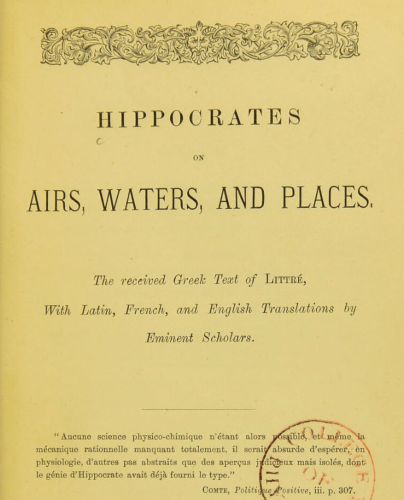
The Hippocratic tradition itself preserves traces of this mobile world. Texts such as Airs, Waters, Places imagine the physician as someone who enters unfamiliar communities and must learn how climate, water, winds, seasons, diet, and local habits shape disease. This is not the voice of a mere peddler, but of a practitioner whose medicine depends on observation across regions. The good traveling doctor studies place before treating bodies. He must understand that one city’s illnesses are not another’s, that environment and custom matter, and that treatment requires careful attention to local conditions. Yet the very existence of such advice suggests the danger of its opposite: the doctor who arrives with a universal formula, ignores local circumstances, and applies the same remedy everywhere because simplicity is easier to sell than judgment.
Itinerancy also heightened competition among healers. A traveling practitioner entered communities where other forms of care already existed: family remedies, midwives, temple healing, local drug sellers, experienced elders, and established physicians. To gain patients quickly, he often had to discredit someone. He might claim that previous treatments had driven the disease deeper into the body, that local doctors were ignorant, that old regimens were harmful, or that only his method could succeed. This strategy appears repeatedly in ancient medical polemic. Medical authors complained about rivals who won patients through bravado rather than knowledge, promising quick cures, flattering the sick, or condemning all competitors in order to appear uniquely competent. The wandering doctor’s danger lay not only in movement, but in the rhetoric of rupture: he could make distrust of ordinary medicine the foundation of his own authority. That rhetoric was powerful because illness already produced dissatisfaction. If a family had watched a fever linger, a wound worsen, a pregnancy become dangerous, or a chronic pain resist treatment, the stranger did not need to create doubt from nothing. He only needed to organize existing frustration into a story: the old healers had failed because they were timid, outdated, jealous, or blind to the real cause. In that sense, the itinerant quack often sold more than a remedy. He sold an explanation for disappointment. By transforming prior failure into evidence of his own superiority, he made himself appear necessary before he had done anything at all.
The Roman world inherited and intensified these suspicions. In a vast empire where Greek-speaking physicians, freedmen, slaves, military doctors, local healers, and fashionable specialists moved through cities and households, mobility was tied to both opportunity and anxiety. Elite Romans might value a Greek doctor’s learning while fearing his ambition, greed, or foreignness. A physician who entered the household gained access to intimate spaces, bodies, secrets, women, children, slaves, and inheritance anxieties. The stranger’s medical knowledge could seem useful precisely because it was specialized, but that specialization made him difficult to judge. Pliny the Elder’s hostility toward physicians depends on this fear: the patient entrusts life to someone whose skill cannot easily be verified and whose failures may be hidden by technical explanation. The traveling doctor sharpened that fear because he seemed answerable to no stable community.
The figure of the wandering doctor reveals one of the central paradoxes of ancient healing. Mobility spread medical knowledge, carried techniques across regions, and allowed skilled practitioners to find patients beyond their birthplace. Without itinerant physicians, ancient medicine would have been far poorer, more local, and less intellectually connected. But the same mobility allowed imposture to flourish. The traveling doctor could be a transmitter of learning or a merchant of illusion, and patients often had to decide which he was before treatment could prove anything. In an unregulated medical marketplace, movement itself became both credential and warning. The healer from elsewhere might bring salvation, but he might also bring only a performance polished by the road.
Hippocratic Medicine and the Attack on Purifiers, Magicians, and “Sacred” Disease
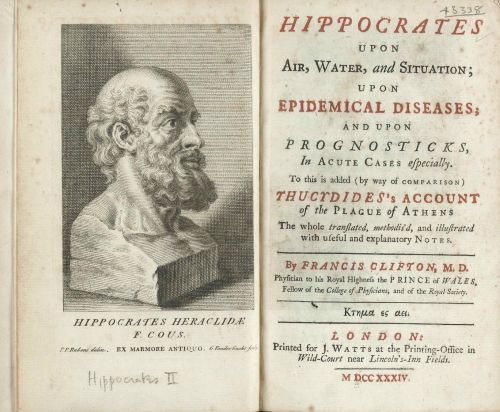
One of the sharpest ancient attacks on medical charlatanry appears in the Hippocratic treatise On the Sacred Disease, a work that takes epilepsy as its central example but uses it to make a much larger argument about knowledge, fear, and fraud. The disease was “sacred” not because the author accepted its special divine status, but because other healers had explained it that way. Convulsions, loss of consciousness, strange cries, foaming, collapse, and recovery could seem terrifyingly supernatural. To families who watched a sufferer fall without warning and return altered, the language of divine seizure or demonic attack offered an explanation that ordinary observation could not easily provide. The Hippocratic author understood the emotional force of that explanation, but rejected it with unusual aggression. For him, calling the disease sacred was not piety. It was a professional strategy used by ritual specialists who exploited terror while avoiding accountability.
The targets of the treatise are not simply ignorant villagers or anxious families. They are purifiers, magicians, beggar-priests, and ritual experts who claimed to cure the disease through taboos, sacrifices, incantations, purifications, and restrictions on food, clothing, bathing, and behavior. The author accuses them of hiding behind divine language because they do not understand the body. If the patient recovers, they can credit the gods and their own ritual skill. If the patient dies, they can blame divine will, impurity, or the patient’s failure to obey sacred restrictions. This is one of the clearest ancient descriptions of the charlatan’s escape route: a healer can promise power over disease while placing failure beyond examination. The accusation is not merely that these practitioners used religion, but that they used religion to make their claims unfalsifiable.
The treatise’s counterargument is bold: epilepsy is no more divine than any other illness, because all diseases have natural causes. The author locates the disorder in the body, especially in the brain, and treats it as part of a broader physical system shaped by moisture, phlegm, air, inheritance, development, and bodily constitution. This is not modern neurology, but it is a decisive move away from wonder-working as medical explanation. The point is not simply to replace the gods with nature in a modern secular sense. Rather, the author insists that divine order is not proved by mystery. If the gods are involved in the world, then they operate through intelligible regularities, not arbitrary spectacle. A true healer should seek causes that can be reasoned about, compared, predicted, and treated, rather than invoking divine exception whenever knowledge fails. That claim mattered because it shifted the question from “which supernatural power has seized this person?” to “what pattern in the body produces these symptoms?” Once illness could be placed within a repeatable natural order, the healer’s authority no longer depended on privileged access to hidden divine moods. It depended on observation, analogy, prognosis, and explanation. The Hippocratic author’s physiology was limited, but his intellectual move was powerful: he made the frightening body less available to manipulation by insisting that even the most spectacular symptoms belonged to nature.
This argument helped define a professional identity for rational medicine. The Hippocratic physician claims authority by refusing theatrical mystery. He does not merely offer a competing cure; he offers a competing moral posture. The fraudulent healer dramatizes illness, multiplies prohibitions, and presents himself as mediator between the frightened household and invisible powers. The Hippocratic healer, by contrast, presents himself as disciplined, observant, and willing to explain. He asks the patient and family to trust a method rather than a spectacle. That distinction mattered because the sickroom was already full of voices. A convulsive disease could attract relatives, neighbors, priests, magicians, exorcistic interpretations, dietary advice, and inherited remedies. The Hippocratic physician had to do more than treat the body. He had to displace rival explanations of suffering.
Yet the treatise should not be read as a simple triumph of science over superstition. Hippocratic medicine itself remained speculative, and its explanations often rested on theories of fluids, balance, environment, and bodily channels that modern medicine no longer accepts. Nor did Greek culture draw a rigid boundary between medicine, religion, and ritual in everyday practice. Purification could be a serious religious concern; pollution, divine anger, and ritual disorder were meaningful categories in Greek life. The importance of On the Sacred Disease lies not in proving that one side was wholly rational and the other wholly fraudulent, but in showing how intensely ancient healers fought over the right to interpret illness. The author’s attack reveals a medical marketplace in which explanation itself was therapeutic power. Whoever named the cause could direct the cure. That is why the polemic is so fierce: the issue is not only whether epilepsy should be treated with ritual or regimen, but who gets to speak for the body when the body becomes strange. The Hippocratic writer is trying to remove one of the charlatan’s strongest tools, the ability to make fear sacred and then sell himself as the only person able to manage it. But his own argument is also a bid for authority, a claim that the physician’s natural explanation should replace the purifier’s sacred one. The text exposes both the danger of fraudulent wonder-working and the competitive process by which rational medicine asserted its own legitimacy.
For the history of charlatanry, this matters enormously. The Hippocratic attack identifies a recurring pattern: the charlatan thrives where symptoms are frightening, causes are hidden, and sufferers are desperate for meaning. A disease that looked like possession or divine seizure gave ritual entrepreneurs a powerful opportunity to sell control over the unseen. The Hippocratic response did not eliminate such healers, and it did not create a regulated profession capable of excluding them. But it did give ancient medicine one of its most durable anti-charlatan arguments: beware the practitioner who turns ignorance into mystery, mystery into authority, and authority into profit. In that sense, On the Sacred Disease is not only a medical treatise. It is an early manifesto against the exploitation of fear.
The Healer as Performer: Rhetoric, Prognosis, and Bedside Theater

Ancient healing depended on more than remedies. It also depended on persuasion. A physician entered the sickroom at a moment of fear, confusion, family argument, and uncertain outcome, and before any drug, diet, bath, incision, or regimen could prove effective, he had to make himself believable. This gave ancient medicine a theatrical quality that was not merely decorative. The doctor’s speech, posture, timing, composure, clothing, instruments, and confidence all helped construct authority. He had to translate hidden bodily processes into language that patients and families could accept. He had to make suffering legible. In a world without laboratory tests or imaging, the persuasive explanation of symptoms could become almost as important as the treatment itself. The healer who sounded as though he understood the invisible body gained power over the visible one.
Prognosis was one of the most important forms of this performance. The ability to predict the course of illness gave the physician an aura of mastery, especially when treatment options were limited. Hippocratic medicine placed great weight on reading signs: the color of the face, the temperature of the body, the rhythm of breathing, the character of sleep, the appearance of urine, the timing of fever, the nature of pain, the patient’s posture, and the sequence by which symptoms appeared or receded. Prognosis did practical work, but it also did social work. If the doctor could tell a family what would happen before it happened, he seemed to possess knowledge deeper than ordinary observation. If the patient recovered, the prediction confirmed his art. If the patient died after a grave prognosis, the doctor might appear truthful rather than ineffective. Prognosis allowed the serious physician to manage expectations, but it also gave the theatrical healer a powerful instrument: prediction could become a staged revelation.
The boundary between legitimate confidence and manipulative display was delicate. A good physician needed to speak with authority, but the charlatan could imitate authority without possessing skill. He could name obscure causes, dramatize danger, condemn previous remedies, forecast disaster if his advice was ignored, and then present his own treatment as the narrow path between life and death. The more anxious the household, the more powerful this performance became. Illness created an audience as well as a patient. Relatives watched, servants carried news, neighbors repeated judgments, and rivals waited for failure. The bedside could become a small theater in which the healer displayed mastery not only over disease but over uncertainty itself. The charlatan’s genius lay in understanding that people often judge competence before results are available. He did not need to cure immediately. He needed to appear like the one person who could. That appearance could be built from very small gestures: the confident pause before speaking, the grave expression after touching the pulse or observing the face, the sudden question that seemed to reveal hidden knowledge, the careful use of specialized vocabulary, the dismissal of a household remedy as dangerous, the promise that a crisis would come on a particular day. These gestures made the healer seem to occupy a higher interpretive position than everyone else in the room. He knew what the symptoms meant; others merely feared them. For a frightened family, that difference could feel like salvation. The danger was that the same performance could be produced by genuine judgment or by practiced deceit, and the patient often had to decide before time could expose the difference.
Galen’s career shows how closely ancient medicine could be joined to rhetoric and public self-presentation, even at the highest levels of learning. He was not a mere performer in the cheap sense; he was an extraordinarily learned physician who combined anatomy, pharmacology, logic, philosophical training, and clinical experience. Yet he also understood that medical authority had to be demonstrated. His writings repeatedly present scenes of diagnostic triumph, public dispute, intellectual combat, and successful prediction. He exposed rivals, corrected errors, interpreted signs others had missed, and framed himself as the physician able to unite reason and experience against ignorance. He used some of the same tools available to lesser healers: narrative, contrast, memory, spectacle, and the humiliation of opponents. Galen’s difference was that he claimed performance should reveal real knowledge, not substitute for it. But his career makes clear that, in antiquity, even serious medicine had to win an audience.
This relationship between rhetoric and healing also reflected the wider culture of the Greek and Roman elite. Public speech was a central form of power. Orators, philosophers, sophists, teachers, advocates, and physicians all operated in worlds where reputation was made through verbal command and embodied presence. A physician who could argue well appeared disciplined, educated, and masculine in the cultural sense prized by elite society. A physician who faltered could look weak, confused, or servile. The sickroom was not a law court or lecture hall, but it borrowed their expectations. The doctor had to diagnose the body and persuade the listeners. He had to show that his interpretation of disease was superior to the patient’s fears, the family’s suspicions, the rival’s prescription, the magician’s charm, or the priest’s ritual explanation. In elite Roman culture, self-command and verbal mastery were not neutral accomplishments; they signaled character. A healer who spoke with balance, memory, and force could seem morally as well as intellectually superior, while a healer who appeared flustered risked losing authority even if his treatment was sound. This helps explain why medical disputes could become performances of status as much as debates over therapy. To defeat a rival diagnosis was not only to choose a different remedy, but to expose another man’s ignorance before witnesses. Medical performance was not accidental to ancient healing. It was one of the ways healing became socially real.
The danger, of course, was that performance could detach from truth. The same arts that allowed a skilled physician to calm fear and organize care could allow a charlatan to dominate a room with empty certainty. A solemn tone could hide ignorance; technical vocabulary could turn confusion into prestige; a dramatic prognosis could protect the healer from blame; a successful natural recovery could be claimed as proof of a remedy’s power. Ancient critics of medical imposture understood this problem well. They did not condemn persuasion itself, because medicine could not function without it. They condemned persuasion without responsibility. The healer as performer became a charlatan when bedside theater replaced observation, when rhetoric became a cure in itself, and when the patient’s trust was treated as something to be conquered rather than earned.
Rome’s Fear of Greek Doctors: Cato, Pliny, and the Foreign Expert

Roman suspicion of medical charlatans took a distinctive form because medicine in Rome was never only a question of healing. It was also a question of culture, identity, household authority, and foreign influence. Greek medicine entered Roman elite life with enormous prestige, but also with the unease that often accompanied Greek expertise in Roman moral imagination. Greek doctors could be admired as learned, technically skilled, and philosophically sophisticated; they could also be mocked as arrogant, greedy, theatrical, and dangerously clever. The Roman patient who invited a Greek physician into the household was not simply choosing a medical treatment. He was admitting a foreign expert into intimate space, giving him authority over bodies, diet, pain, sleep, sexuality, reproduction, servants, women, children, and the fragile boundary between life and death.
Cato the Elder became the emblem of this suspicion. His hostility to Greek medicine belonged to a broader distrust of Greek luxury and intellectual refinement, which he associated with moral softness and the erosion of older Roman discipline. In the tradition attached to him, Greek doctors were not merely mistaken practitioners; they were a danger to Roman bodies and Roman virtue. Cato preferred household medicine, practical remedies, cabbage cures, agricultural discipline, and the authority of the paterfamilias over the imported claims of professional physicians. This did not make Roman domestic medicine scientifically superior, but it did make it morally legible. A household remedy could be imagined as plain, ancestral, frugal, and honest, while the Greek doctor appeared as a paid outsider whose knowledge could not be easily checked. Cato’s anti-medical rhetoric reveals a social fear as much as a medical one: the fear that professional expertise might displace traditional household authority.
Pliny the Elder inherited and amplified that anxiety. His Natural History is full of medical information, but it is also one of antiquity’s great monuments of suspicion toward physicians. Pliny complains that doctors gain experience through danger to others, that they change methods, chase novelty, profit from sickness, and win fame at the expense of human lives. The force of his attack lies in the imbalance between patient and practitioner. The sick person must trust someone whose claims are difficult to verify. If the doctor succeeds, he receives glory; if he fails, the dead cannot testify and the living may not understand what went wrong. For Pliny, medicine becomes morally outrageous because it allows experimentation without accountability. The physician’s learning, far from reassuring him, intensifies the danger: specialized knowledge can become a screen behind which greed and ambition operate. His suspicion is revealing because he was not hostile to remedies as such. On the contrary, he collected an enormous range of botanical, mineral, animal, and traditional cures, many of them strange by modern standards. What angered him was not healing knowledge in itself, but the professionalization of healing into a paid art controlled by men who could turn obscurity into power. Pliny’s ideal remedy often seems to belong to nature, tradition, or common memory, while the physician’s remedy belongs to fashion, theory, and profit. This contrast allowed him to present the doctor as a figure who had inserted himself between human beings and the natural world, charging fees for knowledge that was uncertain, dangerous, or morally corrupted by ambition. His critique could be exaggerated and unfair, but it captured a genuine anxiety about expert power: the more technical medicine became, the harder it was for ordinary patients to know whether they were being healed, experimented on, or deceived.
This Roman distrust was sharpened by stories about medical novelty. Pliny’s account of Archagathus, often remembered as an early Greek physician at Rome, is revealing not because it offers a neutral institutional history, but because it dramatizes Roman ambivalence. At first, the foreign doctor is welcomed for his skill; then his cutting and cauterizing earn him the hated reputation of a butcher. The story turns surgery into a moral parable. Greek expertise arrives as promise, then becomes violence. Whether or not the anecdote preserves events in a simple factual way, it captures a Roman fear that professional medicine could disguise cruelty as technique. The physician who cuts, burns, purges, bleeds, or experiments may present himself as rational, but to the sufferer and the watching household he may look like a licensed tormentor without a license.
Roman hostility to Greek doctors was never simple rejection. Elite Romans continued to employ them, praise them, reward them, and depend on them. Emperors, aristocratic households, armies, cities, and wealthy patrons all used physicians. Greek medical theory became deeply embedded in Roman intellectual life, and Latin medical writing itself drew heavily on Greek traditions. Celsus, writing in Latin, did not dismiss Greek medicine wholesale; he organized, translated, and assessed it for Roman readers. The result was a culture of dependence mixed with resentment. Romans feared the foreign doctor because they needed him. His expertise was valuable precisely because it exceeded ordinary household knowledge, but that same excess made him socially unsettling. The doctor could not be ignored, but neither could he be fully trusted. The charge of charlatanry often carried cultural meanings beyond fraud itself. A Greek physician might be denounced not only because he deceived patients, but because he represented a world of paid expertise, verbal polish, theoretical speculation, and professional self-display that traditional Roman moralists found suspect. This matters because accusations of quackery are never neutral. They can expose genuine exploitation, but they can also defend older hierarchies. Cato’s suspicion protected the authority of the Roman household; Pliny’s anger defended a moral vision in which nature, tradition, and experience were safer than professional ambition. Yet their criticisms also identified a real vulnerability. In a medical marketplace without modern regulation, a fluent outsider with technical vocabulary and social confidence could indeed transform ignorance into authority. Roman anti-Greek rhetoric exaggerated the danger, but it did not invent the problem.
The Roman fear of Greek doctors reveals a central feature of ancient charlatanry: the expert was both necessary and frightening. The healer from elsewhere might possess knowledge that saved life, but he might also use foreignness, theory, novelty, and professional confidence to overwhelm the patient’s judgment. Roman critics responded by idealizing older household medicine and attacking the physician as greedy performer, dangerous experimenter, and cultural intruder. Their rhetoric could be xenophobic, nostalgic, and unfair, but it also preserved a serious ethical question. When suffering forces people to trust knowledge they cannot independently evaluate, how can they distinguish expertise from exploitation? In Rome, the Greek doctor stood at the center of that question, admired as a master of healing and feared as the charlatan’s most sophisticated form.
Celebrity Physicians and Therapeutic Fads: Asclepiades, Charmis, Thessalus, and the Promise of Simplicity
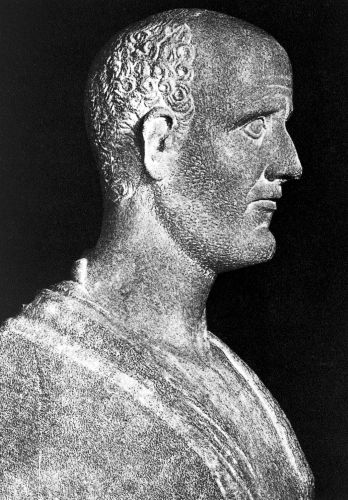
Medical celebrity was not a modern invention. In the ancient world, a physician could become famous not merely by curing patients, but by offering a dramatic alternative to everything that came before him. The successful medical reformer often spoke as a liberator: older doctors were confused, cruel, overcomplicated, or trapped by obsolete theory; the new method was clearer, gentler, faster, and more humane. That message had enormous appeal in a marketplace where patients feared both disease and treatment. Harsh purges, bloodletting, cautery, surgery, and restrictive regimens could seem nearly as frightening as illness itself. A doctor who promised simplicity could appear not as a charlatan, but as a rescuer from medical excess. The danger was that simplicity could become a brand, and the branded cure could blur the line between reform and fad.
Asclepiades of Bithynia, active in Rome in the late Republic, became one of the most famous examples of this pattern. He rejected much of older humoral medicine and explained the body through a theory of particles, pores, and movement. Whatever the technical details of his lost writings, later sources remembered him above all for a comparatively gentle therapeutic style: diet, wine, massage, bathing, walking, passive exercise, and attention to bodily motion. His reputation rested partly on the promise that medicine need not torment the patient to heal him. This was a powerful public message. Against physicians who cut, burned, starved, purged, or drenched patients in unpleasant drugs, Asclepiades offered a medicine that seemed urbane, rational, and pleasant. It is not hard to see why Roman patients found him attractive. A method that made the sick feel cared for rather than assaulted could look like both compassion and genius. Yet Asclepiades also shows why medical celebrity is difficult to classify. He was not simply a quack. His criticism of brutal treatment could be reasonable, and some of his methods may have helped patients by reducing harm, encouraging rest, improving morale, or supporting recovery during illnesses that resolved naturally. A less aggressive medicine could be better medicine even when its theory was wrong. But his fame also depended on the rhetoric of sweeping correction. He became memorable because he seemed to stand against the medical past, promising a cleaner and more confident system. That public posture made him vulnerable to later suspicion. Was he a serious reformer, a fashionable simplifier, or both? Ancient medical culture often made those categories overlap. The same qualities that made a physician humane and innovative could also make him marketable in ways that encouraged exaggeration.
Charmis of Massilia represents a more obviously faddish figure, at least in Pliny’s hostile telling. Pliny describes him as a physician who attacked previous doctors and won Roman attention by recommending cold baths, even in winter. The appeal of such a therapy lay partly in its boldness. A freezing bath was visible, memorable, and easy to understand. Unlike elaborate theory or hidden pharmacology, it gave the patient and audience a dramatic act: the body shocked by cold, the old regimen overturned, the new physician vindicated by his daring. Charmis’ method, as Pliny presents it, was not merely a treatment but a performance of therapeutic courage. The patient who endured it participated in the spectacle. The doctor who prescribed it appeared decisive, modern, and contemptuous of timid predecessors.
Pliny’s account must be handled carefully, because his hostility to physicians often turns medical history into moral theater. Charmis may not have been as absurd as Pliny makes him appear, and hydrotherapy in various forms was hardly irrational within ancient medicine. Bathing, temperature, regimen, and bodily hardening all had recognized therapeutic and moral meanings. The problem was not necessarily cold water itself. The problem was the transformation of one striking practice into a fashionable cure and a badge of medical superiority. When a therapy becomes famous because it is dramatic, simple, and oppositional, it can spread faster than evidence can discipline it. Patients may not ask whether the treatment is suitable to this body, this disease, this season, or this constitution. They may ask whether it belongs to the newest and boldest method. Charmis, whether fairly represented or not, became useful to Pliny because he embodied the Roman nightmare of the celebrity doctor: the man who wins fame by condemning all before him and making novelty itself look like truth.
Thessalus of Tralles, active in the early imperial period, sharpened the problem still further. Associated with the Methodist tradition, he was remembered by Galen as arrogant, theatrical, and dangerously superficial. Methodism promised a simplified approach to disease based not on deep causal inquiry or elaborate anatomical theory, but on general bodily states and corresponding treatments. To its defenders, this could appear practical and efficient. To Galen, it was intellectual laziness disguised as method. Thessalus was said to have claimed that medicine could be learned quickly, a claim that horrified physicians who believed the art required long discipline, philosophical training, anatomical knowledge, and experience. In Galen’s polemical world, Thessalus became almost the perfect anti-physician: a man who reduced medicine to a teachable trick and sold speed where true medicine demanded depth.
But here again, the interpretive problem is not simple. Galen was a brilliant physician, but also a ferocious rival whose portraits of competitors are never neutral. Methodism’s appeal may have rested partly on genuine dissatisfaction with the complexity and disagreement of older medical schools. Patients and students could reasonably wonder why medicine required so much theory if doctors still disputed causes and outcomes remained uncertain. A method that promised clarity, speed, and practical rules answered a real need. Thessalus’ danger, as Galen presents it, was that he converted that need into professional theater. The promise of simplicity became a weapon against expertise itself. If medicine could be learned quickly, then the long-trained physician became unnecessary; if deep causes did not matter, then confident classification could replace careful investigation. Thessalus’ alleged arrogance was not just personal vanity. It represented a recurring temptation in medical culture: to make complexity look like fraud and simplification look like honesty.
These celebrity physicians reveal why therapeutic fads thrive. They usually do not begin as pure nonsense. They attach themselves to genuine frustrations: treatments are painful, doctors disagree, theory is obscure, patients feel ignored, and old methods fail. The successful fad offers relief not only from disease, but from the burden of medical uncertainty. It says: the answer is simpler than they told you. It may be movement, wine, massage, cold water, a general method, a new classification, a rejected ancient truth, or a bold reversal of ordinary practice. Such claims are emotionally powerful because they make suffering feel newly intelligible. The patient no longer faces a maze of competing explanations. He faces one clear path, made visible by a confident healer.
The ancient medical marketplace rewarded that confidence. Asclepiades, Charmis, and Thessalus were not identical figures, and they should not be flattened into the same category of fraud. Asclepiades may be better understood as an influential reformer whose gentler medicine met real patient needs; Charmis survives chiefly through hostile caricature; Thessalus is filtered through Galen’s professional rage. Yet together they show how easily reform, celebrity, and charlatanry could converge. The physician who condemned older medicine might be correcting real abuses, but he might also be building a brand. The simple cure might be humane, but it might also be simplistic. The new method might clarify treatment, but it might also turn intellectual discipline into a sales obstacle. In the ancient world, as in later medical history, the most successful therapeutic fads did not merely promise healing. They promised liberation from all the doctors who had failed before.
Magical Healers, Amulets, Incantations, and the Sale of Protection

Magical healing occupied one of the most crowded and contested zones of ancient medicine. The sick did not always choose between a physician and a magician as if they were choosing between two clearly separated systems. They might consult both, or move between them depending on the illness, the cost, the urgency, the household’s beliefs, and the failure of previous treatments. A fever, a snakebite, infertility, nightmares, epilepsy, wasting illness, impotence, childbirth danger, or sudden pain might be understood as a bodily disorder, a divine sign, an attack by hostile forces, the work of envy, the evil eye, pollution, or some combination of these. Magical healers flourished because they promised access to causes that ordinary sight could not confirm. Where the physician claimed to interpret the hidden body, the magician claimed to interpret hidden powers.
Amulets were among the most visible forms of this therapeutic promise. They could be worn on the body, hung around the neck, tied to limbs, placed near beds, carried in pouches, inscribed on metal, carved into stones, written on papyrus, or combined with spoken formulas. Some invoked gods, angels, demons, cosmic names, voces magicae, biblical or Egyptian figures in later periods, astrological forces, or mysterious sequences of letters whose power depended precisely on their strangeness. Others used images: serpents, womb symbols, divine riders, protective eyes, or figures trampling harmful beings. The object mattered because it made protection portable. A drug had to be swallowed, a regimen had to be followed, and a physician had to be present or remembered; an amulet stayed with the sufferer. It turned healing into something worn, touched, and possessed. This physical intimacy gave the amulet a power that was different from advice or diagnosis. It rested against the skin, accompanied the patient into sleep, travel, childbirth, danger, and public life, and became part of the sufferer’s ordinary movements. Its authority did not require constant explanation because its presence was itself the explanation: protection had been attached to the body. For families frightened by recurrent seizures, infant illness, difficult pregnancies, or unexplained wasting, that mattered. The amulet made invisible struggle visible. It showed that the household had acted, that danger had been named, and that some counterforce had been secured.
The appeal of such objects should not be dismissed as mere gullibility. Ancient life was full of dangers that seemed sudden, invisible, and poorly controlled. Children died quickly, childbirth was perilous, infections could turn fatal, bites and stings were frightening, and chronic illnesses could appear to resist every ordinary remedy. An amulet offered more than a cure. It offered continuity of protection in a world where danger did not wait for a physician’s visit. It reassured the wearer and the household that some force was being actively opposed. That reassurance itself could matter deeply, particularly in conditions shaped by fear, pain, sleeplessness, anxiety, or expectation. Magical healing worked socially and emotionally even when its causal claims were unprovable. It gave the sufferer something to do, something to hold, and something to believe was standing between the body and harm. In that sense, the amulet answered a need that formal medicine could not always satisfy. A physician might explain a disease but leave the family terrified between visits; a regimen might promise gradual improvement, but offer little comfort during the long hours of waiting; a drug might be swallowed and gone, while fear remained. The charm endured. Its material presence helped convert helplessness into vigilance. This is one reason magical healing could coexist with learned medicine rather than simply replace it. The patient who wore an amulet was not necessarily rejecting treatment. He or she might be adding another layer of defense to a world in which no single protection felt sufficient.
Incantations operated in a similar way, but through speech rather than object. Words could command, bind, repel, soothe, invoke, reveal, or transform. In the Greek Magical Papyri and related traditions, spoken formulas often accompanied gestures, ingredients, timing, ritual purity, written signs, and appeals to powerful names. The spoken charm was not simply “nonsense” in its own cultural setting. It assumed that language could act upon the world when properly arranged, authorized, and performed. This made the magical healer a specialist in charged speech. Like the physician, he interpreted suffering; unlike the physician, he claimed that the right words could compel forces beyond ordinary human persuasion. That claim could be comforting, but it also created an obvious opening for exploitation. A healer who sold secret names, rare formulas, or guaranteed protection could make ignorance itself profitable.
The commercial danger lay in the promise of certainty. A charm against snakebite, a stone against fever, an amulet for childbirth, or an incantation against possession might be offered not as one possible aid among many, but as a reliable command over danger. The more mysterious the formula, the harder it was to challenge. If the patient improved, the charm had worked. If the patient declined, the ritual might have been performed incorrectly, the sufferer might have violated a taboo, a stronger hostile force might have intervened, or another specialist might be required. As with the purifiers attacked in On the Sacred Disease, magical healing could create a construct in which success confirmed the practitioner and failure escaped him. The charlatan’s art was not necessarily inventing belief from nothing; it was turning belief into a transaction protected from ordinary accountability.
Yet the relationship between magic and medicine was not simply hostile. Medical recipes sometimes included ritual instructions, timing, prayers, or symbolic actions. Physicians could recommend substances that also appeared in magical contexts, and magical texts could preserve practical knowledge about plants, minerals, animal products, and bodily symptoms. The same patient might accept a physician’s diet and a protective amulet without feeling inconsistent. Ancient categories of cause were layered, not mutually exclusive. A womb amulet, a childbirth prayer, a midwife’s practical skill, and a physician’s regimen could all belong to the same therapeutic world. This overlap complicates any easy story in which rational medicine fought magic from the outside. More often, medicine and magic touched at the edges of uncertainty: where causes were obscure, pain was intense, and ordinary treatment failed. The overlap also warns against trusting elite polemic too quickly. A learned physician might denounce a charm as superstition while prescribing a remedy whose mechanism was no more demonstrable by modern standards; a household might value a spoken formula not because it replaced practical care, but because it organized fear at a moment when practical care seemed fragile. Ancient healing operated through layers of explanation, and those layers could be simultaneously intellectual, ritual, emotional, and social. The charlatan entered this overlap not as an outsider to medicine, but as someone who understood how easily uncertainty could be translated into authority.
For that reason, magical healers are essential to the history of ancient charlatanry, but they must be handled carefully. Not every person who made an amulet or spoke an incantation was a fraud, and not every patient who used one had abandoned reason. The sharper issue is how protection was sold. Magical healing became charlatanry when it exploited fear by promising control it could not demonstrate, when secrecy replaced explanation, when spectacle replaced care, and when the sufferer’s desperation became the practitioner’s market. The amulet, the charm, and the whispered formula reveal the deep emotional economy of ancient healing. Patients did not seek only treatment for the body. They sought defense against uncertainty itself, and wherever uncertainty could be named, packaged, and sold, the trickster-healer found his place.
Temples, Dreams, and Divine Cure: Asclepius between Therapy and Wonder-Working

The cult of Asclepius occupied a place in ancient healing that cannot be reduced either to medicine or to fraud. His sanctuaries were among the most important healing institutions of the Greek and Roman world, attracting sufferers who came with blindness, lameness, infertility, wounds, paralysis, chronic pain, digestive trouble, mental distress, and illnesses that ordinary treatment had failed to resolve. These visitors did not necessarily think they were abandoning medicine when they turned to the god. They were entering another therapeutic setting, one where divine presence, ritual preparation, sleep, dream, narrative, offering, and public memory formed a recognizable path toward cure. The sanctuary promised something physicians could not always provide: not only treatment, but meaning. The sufferer did not merely ask what was wrong with the body. He or she asked whether divine help could still be reached.
The central ritual was incubation, the practice of sleeping in the sanctuary in expectation of a healing dream or divine visitation. Before sleep, the patient might undergo purification, sacrifice, prayer, bathing, fasting, or other forms of preparation. The dream itself could take different forms. Asclepius might appear and touch the afflicted part, perform a symbolic surgery, prescribe a treatment, give instructions, or enact the cure directly. Sometimes the dream was the therapy; sometimes it authorized a practical regimen to be followed after waking. This made temple healing both spectacular and disciplined. It was not merely a random hope for miracle, but a structured process through which the patient entered sacred space, submitted to ritual order, and awaited an encounter that could transform suffering into divine communication.
The miracle inscriptions from Epidaurus show how powerful this system could be. They record cures in which the blind see, the lame walk, tumors vanish, pregnancies occur, wounds close, and impossible conditions are reversed by the god’s intervention. These accounts were not private diary entries. They were public testimonials, displayed in a sacred environment where new sufferers could read or hear what Asclepius had done for others. The inscription itself became part of the therapy. It created expectation, reinforced the god’s reputation, and turned individual recovery into collective proof. A modern reader may see propaganda or advertisement; an ancient pilgrim might see a sacred archive of hope. The boundary between testimony and marketing is precisely what makes these inscriptions so important for the history of charlatanry. They show that ancient healing institutions understood the persuasive power of narrated success.
Yet Asclepian healing should not be dismissed as mere wonder-working. Sanctuaries could offer rest, diet, bathing, ritual calm, social recognition, and removal from the ordinary pressures of household life. The patient who traveled to a healing shrine entered a therapeutic environment long before the dream occurred. Fear was organized into ritual; isolation was replaced by community; suffering was placed under the protection of a benevolent god. Some dream prescriptions may have directed patients toward practical treatments, changes in regimen, or bodily care that overlapped with medical advice. Even when the cure itself was imagined as divine, the sanctuary worked through human mechanisms as well: expectation, sleep, relief, attentiveness, social support, and the emotional force of being seen by a power greater than the household or physician. The sanctuary did not need to be fraudulent to be persuasive. It could be both religiously sincere and therapeutically meaningful.
Aelius Aristides, the second-century orator and chronic sufferer, offers one of the richest examples of divine healing as a way of life. In his Sacred Tales, illness becomes a long relationship with Asclepius, mediated through dreams, commands, journeys, bathing, diet, sacrifices, and repeated acts of obedience. Aristides did not present the god as a simple dispenser of instant miracles. His healing was ongoing, demanding, interpretive, and deeply personal. The dreams gave structure to his suffering and allowed him to understand chronic illness as divine attention rather than meaningless bodily failure. To modern eyes, his account can look obsessive, but historically it shows how temple healing could provide a coherent framework for living with pain. It transformed the patient from a passive victim of symptoms into a participant in a sacred therapeutic drama.
The danger lay in the same mechanisms that gave temple healing its force. Public testimonials could encourage hope, but they could also select successes and hide failures. Dream interpretation could console, but it could also place responsibility on the sufferer for misunderstanding or disobedience. Sacred authority could dignify suffering, but it could also make questioning difficult. If a cure occurred, the god and sanctuary gained glory; if no cure occurred, the patient might assume that the ritual had been flawed, the command misunderstood, the offering insufficient, or the divine timing not yet fulfilled. This does not mean that Asclepian sanctuaries were simply charlatan enterprises. It means that divine healing, like magical healing and itinerant medicine, operated in a space where accountability was difficult. The same testimonial culture that comforted the sick could also protect the institution from ordinary failure. The sanctuary’s public memory was built around recovery, not disappointment, and this mattered because reputation was cumulative. Each inscribed cure made the next sufferer more willing to hope, while the uncured could disappear from the record or be absorbed into explanations that preserved the god’s power. In that sense, temple healing shared a structural problem with the medical marketplace more broadly: success was visible, narratable, and reusable, while failure was often private, ambiguous, and easy to reinterpret. The miracle inscription, like the charlatan’s boast, did not merely report healing. It taught future patients how to expect it.
Asclepius stands at the center of the larger problem here: ancient healing was not divided neatly between rational medicine and fraudulent superstition. Temple healing offered genuine forms of care, meaning, and consolation, but it also used spectacle, inscription, dream, and miracle to build authority. Its power came from its ability to make suffering narratable. A patient entered the sanctuary with pain and uncertainty; the sanctuary answered with ritual sequence, sacred sleep, divine story, and public memory. The charlatan’s shadow appears whenever such a system converts hope into unquestionable certainty, but the sanctuary’s importance cannot be explained by deception alone. Asclepian healing endured because it met needs that ordinary medicine often could not: the need to be heard, to be protected, to be given a story, and to believe that the body’s crisis had reached the attention of a god.
Drugs, Exotic Ingredients, Antidotes, and the Theater of the Remedy
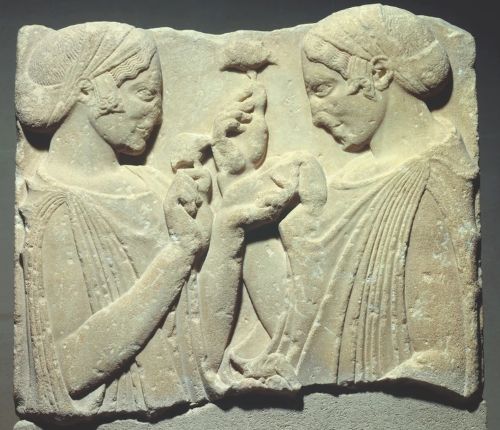
Drugs occupied a powerful place in ancient healing because they seemed to concentrate medical knowledge into visible, touchable form. A regimen required ongoing discipline; prognosis required trust in the physician’s interpretation; temple healing required ritual submission; but a drug could be held in the hand, smelled, tasted, swallowed, applied, mixed, stored, purchased, and displayed. It gave the patient something concrete at the moment when illness made the body feel unpredictable. Ancient pharmacology was not simply a world of superstition. Greek and Roman writers recorded extensive knowledge of plants, minerals, animal substances, preparation methods, dosages, and effects. Dioscorides’ De Materia Medica became one of the great monuments of ancient drug lore precisely because it attempted to organize useful substances into a practical body of knowledge. Yet the same material richness that made pharmacology serious also made it vulnerable to theatrical exaggeration. The remedy could become a performance in a jar.
Exotic ingredients intensified that performance. A substance from Arabia, India, Egypt, Pontus, Ethiopia, Crete, or some distant mountain region could appear more potent because distance itself suggested rarity. The ancient Mediterranean economy moved spices, resins, minerals, perfumes, dyes, animals, and medicinal substances across long trade routes, and geography became part of pharmacological imagination. A local herb might help, but a rare resin from the edge of the known world seemed to carry the authority of difficulty. Its price, scent, color, and unfamiliar name all helped create a sense of power. The patient did not merely buy an ingredient; he bought a story of origin. In a medical marketplace shaped by reputation, foreignness could function like a credential. The healer who possessed rare drugs appeared to possess access: access to distant lands, hidden traditions, costly networks, and knowledge unavailable to ordinary households.
Compound remedies carried a similar aura. A medicine made from one common plant might be judged by experience; a medicine made from dozens of ingredients could overwhelm judgment. The more complex the recipe, the more the healer seemed to command a hidden order of correspondences, balances, and powers. Such mixtures could be genuinely learned, the result of accumulated pharmacological tradition, but they could also become almost impossible for patients to evaluate. Complexity protected authority. A patient who did not improve could be told that an ingredient had been adulterated, the mixture improperly compounded, the timing wrong, the dosage insufficient, or the case unusually resistant. The remedy’s very intricacy made failure difficult to assign. The charlatan did not need to invent the fascination with complex drugs; he only needed to exploit it by turning opacity into prestige. A long recipe could imply centuries of refinement, secret transmission, or mastery over substances whose powers ordinary people could not understand. It could also shift attention away from the patient’s body and toward the healer’s possession of rare knowledge. The more ingredients a remedy contained, the more difficult it became to ask a simple question: what, exactly, is supposed to be doing the curing? In that uncertainty, the compound drug became both medicine and shield. It protected the practitioner from easy scrutiny while surrounding the patient with the impression that many forces had been gathered into one concentrated act of healing.
Antidotes reveal this drama with particular clarity. Ancient fear of poison was medical, political, and imaginative at once. Poison belonged to the world of the court, the banquet, the rival, the jealous household, the assassin, and the unseen enemy. The idea of a universal or near-universal antidote had enormous appeal. Mithridates VI of Pontus became associated with the search for protection against poisoning, and later traditions around mithridatium and theriac transformed antidotal medicine into one of antiquity’s most famous pharmacological enterprises. These mixtures were not minor household cures. They belonged to a world of kings, physicians, secrecy, animal testing, rare ingredients, and elaborate preparation. Their authority came not only from what they contained, but from the political and legendary atmosphere surrounding them. To possess such an antidote was to imagine oneself defended against invisible treachery.
Theriac, notably in its later Roman and imperial forms, shows how a remedy could become ceremony. It was not simply mixed; it was compounded according to rules, ingredients, sequence, timing, and professional supervision. Its preparation could become public, official, and prestigious, involving physicians, authorities, and witnesses. This public dimension mattered. A famous compound drug needed trust because most people could not verify its ingredients or its purity. Ceremony helped solve that problem by transforming preparation into spectacle. The more elaborate the process, the more legitimate the final product seemed. But this also created opportunities for counterfeit, adulteration, and inflated claims. A celebrated antidote could become a brand before brands existed, and wherever a brand promised rare protection, imitators and opportunists followed. The theater of the remedy was not only in the selling; it could begin at the moment of manufacture.
Animal and mineral ingredients added another layer of fascination. Ancient remedies might use flesh, fat, blood, bile, bones, shells, stones, metals, earths, and substances associated with particular creatures or places. Some of these materials had practical effects; others belonged to symbolic or analogical reasoning. A substance might be valued because of its heat, coldness, dryness, moisture, color, smell, habitat, rarity, or association with a resilient animal. Modern readers can easily laugh at such recipes, but that would miss the point. Ancient pharmacology often worked through a dense logic of qualities, correspondences, and observed effects. The danger came when that logic was turned into a sales strategy. A healer could make a remedy seem powerful by multiplying marvels: the rare beast, the costly stone, the secret plant, the foreign resin, the ancient recipe, the royal name. Each element added another layer of authority, even if the actual therapeutic value remained uncertain. This was effective because material strangeness could stand in for proof. A powder made from ordinary roots might seem too humble to defeat a terrifying illness, but a preparation containing substances from animals, metals, distant lands, and guarded recipes felt equal to the scale of fear. The remedy’s weirdness became part of its persuasion. It suggested that extraordinary suffering required extraordinary matter. In that sense, exotic and animal ingredients did not merely belong to pharmacology; they belonged to narrative. They allowed the healer to tell a story in which the natural world had hidden powers waiting to be unlocked by the person who knew where to look, what to combine, and how to sell the result.
The theater of the remedy mattered because drugs appeared to shorten the distance between suffering and cure. The patient did not have to understand the whole theory; he had only to trust the one who possessed the mixture. That trust could be deserved. Ancient pharmacology preserved real empirical knowledge, and many healers knew how to prepare substances that soothed pain, aided digestion, induced sleep, reduced inflammation, purged the bowels, or treated wounds. But the drug seller and the charlatan thrived at the point where material medicine met imagination. The more desperate the patient, the more persuasive the rare bottle, bitter powder, sealed packet, costly resin, or famous antidote became. Ancient drugs were never merely chemical substances. They were objects of hope, fear, trade, memory, and performance. In the hands of a skilled healer, they could be tools of care. In the hands of a trickster, they became props in the oldest medical drama of all: the promise that the cure had already been found, if only the sufferer could afford it.
Women, Slaves, Midwives, and the Social Politics of “Quackery”
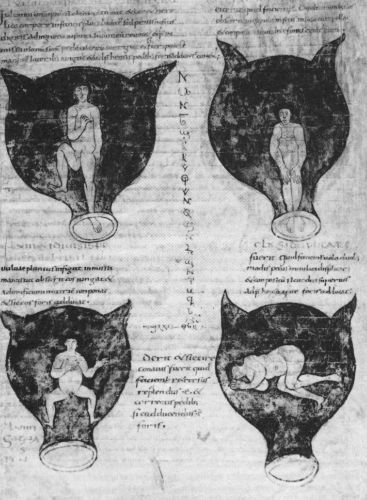
Accusations of quackery in the ancient world were never purely medical. They were also social judgments about who had the right to heal, whose knowledge counted as technical, and whose authority could be dismissed as ignorance, superstition, or meddling. The surviving literary record was largely produced by elite men, many of whom wrote from within learned Greek or Roman medical traditions. That matters because the people most likely to be accused of dangerous or inferior healing were often those who stood outside that world: women, midwives, slaves, freedpeople, nurses, old household experts, root-cutters, drug sellers, and ritual specialists. Some surely did exploit the sick. But others possessed practical knowledge learned through repeated contact with childbirth, wounds, fevers, infant care, domestic remedies, and the daily management of bodies. To call them “quacks” too easily is to risk accepting elite professional polemic as neutral truth.
Women’s healing knowledge was vulnerable to this tension. Ancient medical writers frequently described the female body as unstable, secretive, porous, moist, reproductive, and difficult to interpret, and that description helped justify male medical authority over women’s illnesses. Yet much of women’s health care occurred in spaces where men might not be the first or most trusted observers. Menstruation, pregnancy, childbirth, miscarriage, lactation, infertility, contraception, abortion, sexual pain, and postpartum illness all produced forms of knowledge that circulated through mothers, midwives, nurses, female relatives, enslaved attendants, and household tradition. Elite medical texts could classify and theorize these matters, but they did not create women’s practical experience. The tension was obvious: male physicians claimed learned authority over female bodies, while women often retained intimate authority over the bodily events that male authors described from outside. This made women’s healing knowledge both indispensable and suspect. It was indispensable because households relied on it before, during, and after formal consultation; it was suspect because it often operated in private rooms, through oral transmission, and around matters of sex and reproduction that male authorities associated with secrecy and disorder. A woman who knew which herbs eased menstrual pain, which postures helped labor, how to recognize a dangerous delivery, or how to calm an infant’s fever might be valued in practice while remaining invisible in learned medical reputation. Her knowledge could save lives without becoming “medicine” in the formal literary sense. That invisibility made it easy for elite writers to treat female healing as derivative when useful and dangerous when uncontrolled.
The midwife stood at the center of that contested world. Soranus’ Gynecology presents the ideal midwife as literate, sober, discreet, experienced, free from superstition, physically capable, and morally disciplined. This portrait is revealing because it both recognizes midwifery as skilled work and tries to regulate it through elite medical expectations. The good midwife is not merely an old woman with experience; she is a practitioner whose knowledge should be ordered, rational, and subordinate to a broader medical framework. The bad midwife, by implication, is ignorant, greedy, careless, superstitious, or too ready to use charms and dangerous drugs. Such distinctions may preserve real concern for mothers and infants, but they also show a professional struggle over authority. The midwife’s expertise was indispensable, yet it needed to be defined in terms acceptable to learned medicine.
Reproductive medicine made accusations of quackery charged because it involved secrecy, money, sexuality, lineage, inheritance, and moral danger. Remedies for fertility, contraception, abortion, difficult labor, retained afterbirth, menstrual obstruction, or breast milk problems could be framed as necessary care, illicit interference, magical manipulation, or poison. The same drug knowledge that made a woman useful in childbirth could make her suspect as a seller of abortifacients or love potions. Ancient literature often imagined women’s pharmacological knowledge as morally ambiguous: healing could slide into seduction, domestic care into secrecy, remedy into venenum. This suspicion did not mean women’s remedies were imaginary or worthless. It means that female therapeutic knowledge occupied a dangerous interpretive space. When it succeeded, it might be absorbed into household wisdom or medical recipe; when it frightened male authorities, it could be recast as witchcraft, deception, or criminal poisoning.
Slaves and freedpeople add another layer to the politics of medical authority. Many Roman households included enslaved caregivers, nurses, attendants, and sometimes trained slave physicians. A slave doctor could possess real skill and treat members of the household, other slaves, or clients of the master, yet his status complicated the meaning of expertise. Enslaved healers were close to bodies, wounds, children, food, baths, beds, and medicines, but they lacked the honor normally associated with free professional authority. Their knowledge could be trusted in practice while devalued in status. Freed physicians, too, could rise through skill and patronage, but remained socially vulnerable to charges of greed, servility, and self-promotion. “Quackery” could become a language through which elite society expressed discomfort with dependence on people it considered socially inferior. This dependence was intimate and unavoidable. The enslaved nurse might know a child’s constitution better than a visiting physician; the household attendant might observe appetite, sleep, bowel movements, wounds, and fever patterns more consistently than the master; the slave trained in medicine might carry out treatments, prepare drugs, apply dressings, or manage convalescence. Yet the social order could not easily admit that such people possessed authoritative knowledge. Their skill served the household, but it did not necessarily grant them honor. That contradiction made them vulnerable. If treatment worked, the master’s household benefited; if treatment failed, the healer’s servile or freed status could make blame easier. The accusation of incompetence or quackery could reinforce hierarchy as much as protect patients.
Domestic medicine was similarly ambiguous. Households preserved recipes, habits, and remedies long before or alongside formal medical consultation. A mother might know how to soothe a feverish child; a nurse might recognize the signs of decline; an old servant might know which poultice calmed a swelling; a rural healer might understand local plants better than an urban physician. Learned authors could dismiss such knowledge as rustic, female, servile, or superstitious, but they also borrowed from it. Ancient pharmacology depended heavily on recipe transmission, and recipes often traveled through oral practice, household memory, and non-elite hands before entering written collections. The boundary between learned medicine and domestic remedy was porous. The medical text could dignify a remedy by writing it down, but the remedy’s life may have begun in kitchens, gardens, sickrooms, slave quarters, and birthing spaces rather than in philosophical debate.
The social politics of quackery complicates my central category. Ancient charlatans existed, and marginal status did not make a healer honest. A midwife could be incompetent, a drug seller fraudulent, a slave physician dangerous, a ritual specialist exploitative, and a household remedy harmful. But elite accusations must be read critically. Sometimes “quack” meant a deceiver who sold false certainty to the vulnerable. At other times, it meant a healer whose knowledge was practical rather than literary, female rather than male, enslaved rather than free, domestic rather than public, oral rather than textual, or religious rather than philosophical. The ancient medical marketplace did not merely test remedies. It sorted people. To study charlatanry honestly, we have to ask not only whether a cure worked, but who had enough status to call another healer a fraud.
Medical Sects and Professional Accusations: Dogmatists, Empiricists, Methodists, and the Battle over Truth

The ancient medical marketplace was not divided simply between trained physicians and obvious frauds. Some of the fiercest accusations of ignorance, danger, and deception came from within learned medicine itself. Physicians argued not only over treatments, but over what kind of knowledge medicine required. Did the doctor need to understand hidden causes inside the body, or was it enough to rely on accumulated experience? Should anatomy and theory guide treatment, or did speculation lead physicians away from what could actually be observed? Could medicine be simplified into a practical method, or did such simplification betray the difficulty of the art? These were not minor academic disagreements. They shaped reputations, attracted students, influenced patients, and gave rival physicians the language with which to accuse one another of quackery.
The Dogmatists, as later writers described them, represented the claim that medicine must investigate hidden causes. The physician should not merely observe symptoms and memorize remedies; he should reason about the internal workings of the body, the nature of disease, the effects of environment, the movement of fluids, the structure of organs, and the causes beneath visible signs. This approach made medicine intellectually ambitious. It connected the physician to philosophy, logic, anatomy, and natural science. But it also made Dogmatic medicine vulnerable to attack. If doctors built elaborate explanations about invisible processes, how could patients know whether those explanations were true? A theory might sound impressive, but impressive theory could also become a screen for speculation. To critics, the Dogmatist risked becoming a man who treated not the suffering body before him, but an imagined body constructed out of argument.
The Empiricists answered that danger by grounding medicine in experience. Their authority rested on observation, memory, and the comparison of cases. A physician did not need to know the hidden essence of disease if he knew what had helped similar patients before. The Empiricist tradition emphasized experience, recorded cases, and the practical use of therapies known through repeated trial. This was not anti-intellectual stupidity, as hostile opponents sometimes implied. It was a serious epistemological position: medicine should rely on what can be observed and remembered rather than on speculative causes that no one can see. In a world full of confident healers making grand claims, the Empiricist suspicion of theory had obvious appeal. It could protect patients from physicians who turned clever explanation into false certainty. Yet Empiricism had its own vulnerability. If medicine depends on past cases, then everything depends on which cases are remembered, how they are interpreted, and whether the present illness truly resembles the old one. Experience can discipline theory, but experience can also be narrow, misread, or selectively invoked. A charlatan could claim experience just as easily as a Dogmatist could claim theory. He could say that he had seen this disease many times, that his remedy had never failed, that distant patients had recovered under his care, or that ordinary physicians lacked the practical knowledge he possessed. Without careful standards of comparison, “experience” could become anecdote. The Empiricist critique exposed the danger of speculative medicine, but it did not eliminate the deeper problem of trust. Patients still had to ask whether the healer’s memory was disciplined knowledge or merely a collection of useful stories.
The Methodists offered another solution: simplify medicine. Associated with figures such as Themison of Laodicea and later Thessalus of Tralles, Methodism classified diseases according to broad common states and corresponding therapeutic indications. To its defenders, this approach cut through excessive theoretical disagreement and made medicine more direct, teachable, and useful. The doctor did not need endless speculation about hidden causes or vast collections of remembered cases. He needed to recognize the general condition of the body and apply the appropriate method. In a competitive marketplace, this was a powerful claim. It promised order without obscurity, practical action without scholarly burden, and perhaps even speed in training. For patients weary of disagreement among doctors, such clarity could feel like liberation.
To opponents, Methodism looked dangerously close to professionalized superficiality. Galen attacked Methodists with particular venom, portraying them as lazy, arrogant, and ignorant men who reduced the art of medicine to a few crude rules. His hostility toward Thessalus is revealing. Thessalus became, in Galen’s polemical imagination, the physician who promised medicine without discipline, authority without learning, and confidence without depth. The accusation was not simply that Methodists were wrong, but that they had made medical inadequacy marketable. By claiming that medicine could be learned quickly and practiced through simplified categories, they seemed to dissolve the distinction between the deeply trained physician and the bold impostor. For Galen, this was not merely an intellectual error. It was a threat to the moral seriousness of medicine itself. Celsus provides a useful counterweight because he presents the sectarian divisions of medicine with a more measured tone than Galen’s attacks. He explains the competing claims of Dogmatists, Empiricists, and Methodists in ways that show why each position could appear persuasive. The Dogmatist wanted causes; the Empiricist wanted reliable experience; the Methodist wanted practical general rules. Each could accuse the others of endangering patients. The Dogmatist could call the Empiricist blind and unphilosophical. The Empiricist could call the Dogmatist speculative and arrogant. The critic of Methodism could call its simplicity reckless. The Methodist could answer that the older schools buried treatment beneath useless complexity. In this world, “quackery” was not only a label applied to street healers and magicians. It was a weapon used by professionals fighting over the definition of medical truth.
This professional combat matters because it reveals that ancient medicine had no single agreed standard by which every claim could be judged. Learned physicians did not merely compete against popular healers; they competed against one another for epistemological authority. The same patient might hear one doctor insist on hidden causes, another on experience, another on method, another on regimen, another on drugs, and another on divine aid. Such disagreement did not mean all doctors were charlatans. It means that the ancient medical world was intellectually alive but institutionally unstable. Rival schools sharpened medical reasoning, preserved debate, and exposed dangerous overconfidence. Yet they also created openings for self-promotion. A physician could win followers by presenting his sect as the only honest path through confusion.
The battle among Dogmatists, Empiricists, and Methodists complicates the history of ancient charlatanry. Fraud did not exist only at the margins of medicine; the fear of fraud haunted medicine’s learned center. Every school developed a critique of false knowledge: empty theory, blind routine, shallow simplification, theatrical novelty, arrogant rivalry. These critiques were often unfair, but they were not meaningless. They show physicians struggling to protect medicine from its own temptations. The charlatan was the figure each sect saw in the other: the man who mistook words for knowledge, anecdotes for proof, method for wisdom, or confidence for truth. In that sense, ancient medical sectarianism did not merely divide physicians. It exposed the central question behind the whole medical marketplace: when bodies are suffering and certainty is scarce, what kind of knowledge deserves trust?
Patients, Desperation, and the Ancient Logic of Trying Anything

The medical marketplace of the ancient world cannot be understood only from the perspective of healers. It must also be seen from the patient’s side, where illness was not an abstract problem in medical theory but a crisis of pain, fear, money, family, reputation, and survival. A sick person did not enter the marketplace as a detached evaluator of competing claims. He or she entered it under pressure. Fever might rise suddenly; a wound might darken; a child might weaken; a pregnancy might become dangerous; paralysis, seizures, infertility, madness, or chronic pain might resist every remedy already tried. The question was rarely, “Which system of medicine is philosophically superior?” It was, “What has not yet been attempted?” Desperation widened the range of plausible cures because the cost of doing nothing seemed unbearable.
This is why ancient therapeutic pluralism often made practical sense. A family might summon a physician, buy a drug, change the patient’s diet, visit a sanctuary, sacrifice to a god, consult a midwife, use an amulet, repeat an incantation, and ask neighbors for remembered remedies. Modern readers may see contradiction in that mixture, but the ancient patient did not necessarily experience it that way. Different therapies answered different dimensions of illness. The physician addressed bodily signs; the drug acted materially; the sanctuary offered divine attention; the amulet promised continuing protection; the household remedy drew on inherited memory; the ritual act calmed fear that the illness had a moral or supernatural cause. Where modern medicine often seeks a single correct explanation, ancient healing allowed layered responses. A disease could be physical, environmental, hereditary, divine, social, and emotional all at once. This layering was not simply confusion; it was a strategy for living with uncertainty. If one approach failed, another might still speak to some part of the crisis. A father might trust the physician’s regimen while a mother tied a protective charm to the child’s body; a sufferer might follow dietary instructions during the day and pray for a healing dream at night; a household might purchase a drug while also wondering whether envy, pollution, or divine displeasure had opened the way to illness. These actions belonged to a world in which the body was never wholly separated from household, gods, environment, memory, and social danger. Trying many things at once could feel not reckless, but comprehensive.
That layered approach was reasonable because outcomes were so uncertain. Many illnesses improved or worsened according to cycles no healer fully controlled. Fevers broke, pains returned, wounds healed slowly, chronic conditions fluctuated, and some patients recovered despite ineffective treatment. Other patients died even after careful care. This ambiguity made it difficult to assign success and failure. If improvement followed a drug, the drug might receive credit; if it followed a dream, the god might receive credit; if it followed a change in diet, regimen might receive credit; if it followed an amulet, the amulet might seem proven. The human mind naturally seeks sequence and cause, and ancient patients were no different. When suffering eased, the last or most memorable intervention could look like the decisive one. Charlatans did not invent this logic. They benefited from it.
Desperation also changed the ethics of risk. A treatment that seemed excessive for a mild illness might appear justified when the patient was already thought to be near death. Harsh purges, dangerous drugs, cold baths, bloodletting, cautery, surgery, bizarre compounds, ritual prohibitions, or costly vows could become acceptable when ordinary care had failed. This created an opening for bold practitioners. The charlatan’s most receptive audience was not always the ignorant crowd, but the exhausted household that had already watched reputable medicine disappoint them. At that point, novelty itself could become persuasive. The family might think that if the ordinary path had failed, perhaps the extraordinary one deserved a chance. The more hopeless the case appeared, the easier it was for a healer to present danger as courage, cost as seriousness, and improbability as the very sign that his method reached beyond ordinary medicine. Such choices were intensified by the social nature of illness. A family had to be seen doing something. Relatives, neighbors, patrons, and servants might all judge whether enough had been attempted, whether the household had delayed too long, whether the wrong healer had been trusted, or whether a more expensive or daring treatment should have been tried. In that atmosphere, inaction could look like abandonment. The dramatic cure, however unlikely, gave the household a way to resist helplessness. It allowed them to say that they had not surrendered the patient to fate. This moral pressure made desperate experimentation easier to justify and easier for opportunists to exploit.
Patients also shaped the behavior of healers. Ancient doctors knew that the sick and their families expected confidence, attention, and signs of action. A physician who offered only cautious uncertainty might be more honest, but he risked losing the patient to someone more decisive. This pressure affected serious practitioners as well as frauds. The healer had to balance prudence with performance: too little action looked like incompetence; too much action could harm the patient; too much honesty could frighten the household; too much confidence could become deception. In that environment, the patient’s desire for hope became part of the medical economy. The healer possessed a powerful advantage when he could offer a clear narrative: here is the cause, here is the turning point, here is the remedy, here is what will happen next. Even when that narrative was wrong, it could feel emotionally superior to uncertainty.
The ancient logic of trying anything helps explain why charlatans persisted without treating patients as fools. The sick were often making decisions under conditions of fear, incomplete knowledge, limited options, and intense social pressure. Their choices were not simply irrational; they were human responses to suffering in a world where medicine could not reliably separate the curable from the incurable or the useful remedy from the lucky coincidence. Charlatans thrived because they understood the patient’s predicament. They sold certainty where there was none, urgency where caution was needed, and meaning where pain felt meaningless. But their success also reveals something larger about ancient medicine itself: healing was never only a technical act. It was a negotiation between body and belief, evidence and hope, fear and action. The patient who tried everything was not necessarily abandoning reason. He was living in a world where reason itself had to compete with the desperate need for relief.
Fraud, Harm, and Moral Condemnation: What Ancient Critics Thought Was at Stake
Ancient critics did not condemn bad healers merely because they were mistaken. Error was one thing; exploitation was another. A physician might misunderstand a disease, choose the wrong regimen, or follow a theory that later proved false, but the charlatan seemed morally worse because he turned suffering into opportunity. Greek and Roman writers repeatedly attacked healers who sought fame, fees, novelty, or victory over rivals while pretending to serve the patient. What made such figures dangerous was not only that they failed to cure, but that they corrupted the trust on which all healing depended. Medicine required the sick person to submit: to reveal symptoms, obey instructions, swallow drugs, endure pain, expose the body, and accept the healer’s interpretation of invisible processes. Fraud violated that submission at its most vulnerable point.
Pliny the Elder’s anger toward physicians shows how strongly ancient critics associated medical failure with moral danger. He was not simply annoyed that doctors disagreed. He feared that they experimented on human beings while presenting ambition as expertise. In his account, medicine became a profession in which practitioners gained knowledge through the suffering of others, altered methods without accountability, and claimed honor even when patients bore the cost of their mistakes. His language is often excessive, but the ethical anxiety is clear. The patient cannot easily judge whether a dangerous treatment is necessary, whether a new method is innovation or vanity, or whether the doctor’s confidence reflects knowledge or self-promotion. For Pliny, this imbalance made the physician almost uniquely threatening. The healer could injure under the appearance of helping, and that made medical fraud more intimate than ordinary deception. It also made medical fame morally suspicious. A victorious general, an orator, or a magistrate won public honor through visible acts that others could judge, but the physician’s arena was often private, technical, and obscure. The patient’s body became the site on which reputation was built, while the patient himself might not survive to dispute the story told afterward. Pliny’s critique is not only anti-medical prejudice, though it often takes that form. It is also a protest against a profession that seemed to convert the vulnerability of the sick into the career capital of the healer.
Galen’s condemnations of rival practitioners were different in tone but similar in moral structure. He attacked those he saw as ignorant, lazy, theatrical, greedy, or indifferent to truth. His polemics against Methodists, incompetent anatomists, careless drug compounders, and boastful rivals were not only intellectual disputes; they were accusations of ethical failure. For Galen, the true physician had to be trained in logic, anatomy, prognosis, pharmacology, experience, and philosophy because the patient’s life depended on disciplined judgment. A doctor who skipped that discipline but still claimed authority was not merely undereducated. He was dangerous. Galen’s attacks are often self-serving, since discrediting rivals helped construct his own authority, but they also reveal an ancient ideal of medical seriousness: the healer’s confidence must be earned by labor, study, and accountability to nature, not manufactured through rhetoric. This is why Galen’s anger so often circles back to education and method. He did not think bad medicine was only a matter of incorrect recipes or failed treatments. It was a disorder of character. The false physician wanted the rewards of expertise without submitting to the discipline that expertise required. He wanted applause without anatomy, reputation without reasoning, and patients without responsibility. Galen’s own self-presentation could be theatrical, even aggressive, but his moral claim was clear: performance was tolerable only when it displayed real knowledge. When it replaced knowledge, it became a form of violence.
The harms ancient critics feared were multiple. There was financial harm, as desperate families paid for useless drugs, costly visits, elaborate rituals, or fashionable treatments. There was bodily harm, when purges, bleeding, cautery, surgery, cold baths, toxic ingredients, or badly prepared compounds worsened the patient’s condition. There was temporal harm, when a false healer delayed more useful care until the illness passed beyond help. There was emotional harm, as patients were given certainty where none existed, blamed for failed cures, or frightened into obedience by exaggerated diagnoses. There was also communal harm, because medical imposture damaged the reputation of healing itself. If every physician could be suspected of greed or theatricality, then even serious medicine suffered. The charlatan did not merely exploit individual patients. He polluted the social trust that allowed any healer to enter the sickroom with authority.
Ancient moral condemnation also turned on the problem of spectacle. Critics repeatedly distrusted healers who seemed too eager to be seen, praised, followed, or paid. The physician who advertised novelty, condemned all predecessors, promised rapid cures, surrounded remedies with mystery, or turned treatment into public drama appeared to place his own reputation above the patient’s welfare. This was why theatricality mattered so much in ancient attacks on quackery. Performance itself was unavoidable in medicine, but performance without restraint became suspect. A solemn prognosis could calm a household, but it could also manipulate fear. A rare drug could be useful, but it could also become a prop. A public cure could inspire hope, but it could also function as advertisement. The moral question was whether the healer’s display served the patient or whether the patient served the healer’s display. Ancient critics understood that medicine needed signs of competence, but they feared the moment when signs became substitutes. The confident gesture, the dramatic diagnosis, the exotic remedy, the contemptuous dismissal of rivals, and the staged recovery could all be used to make the healer visible while the patient’s actual condition remained secondary. In that sense, spectacle was not condemned because it was artificial. It was condemned because it could reorder the sickroom around the healer’s glory rather than the sufferer’s need.
What ancient critics thought was at stake was the moral identity of medicine itself. Was healing an art ordered toward the vulnerable body, or a marketplace in which clever people learned how to profit from pain? The answer was never secure. Serious physicians, temple healers, drug sellers, midwives, ritual specialists, and itinerant practitioners all occupied a world where success was uncertain and authority had to be performed. That uncertainty made condemnation both necessary and unstable. Ancient critics sometimes identified real fraud, but they also used the language of fraud to attack rivals, foreigners, women, sectarian opponents, and socially marginal healers. Still, their harshest warnings preserve a durable insight: medical charlatanry is not only false treatment. It is the betrayal of trust under the sign of care.
Why Charlatans Persisted: Reputation, Testimonials, Placebo, and the Marketplace of Hope
Medical charlatans persisted in the ancient world because healing was never judged under perfect conditions. Patients did not wait for controlled evidence, long-term outcomes, or neutral comparison before deciding whom to trust. They judged in pain, fear, urgency, and hope. A healer did not need to prove that his method worked reliably; he needed to create enough confidence for the next patient, the next household, or the next crowd. In a world where diseases often fluctuated naturally and recovery could follow almost any intervention by coincidence, apparent success had enormous persuasive force. A single visible cure could outweigh many invisible failures. The charlatan survived because medicine took place in a marketplace where stories traveled faster than scrutiny.
Reputation was the closest thing many healers had to a credential. A doctor, drug seller, temple attendant, magician, or wandering specialist became believable through what others said about him. He had cured a fever in another town; he had saved a child whom physicians had abandoned; he had interpreted a dream correctly; he possessed a rare antidote; he had served an aristocratic household; he had studied with a famous master; he had treated soldiers, athletes, women in childbirth, or incurable sufferers. Such claims could be true, exaggerated, invented, or impossible to verify. But they mattered because reputation organized uncertainty. The patient could not inspect the healer’s knowledge directly, so social testimony stood in its place. Ancient medicine relied on trust built by memory, rumor, patronage, and repeated performance, and this made reputation both necessary and dangerous.
Testimonials were powerful because they turned private recovery into public evidence. The miracle inscriptions at healing sanctuaries, the stories preserved around famous physicians, the boasts of itinerant healers, and the recommendations passed through households all worked by the same basic logic: someone like you suffered, sought help, and was restored. Testimony gave hope a narrative shape. It did not merely say that a cure was possible; it showed the sufferer how to imagine his or her own recovery. This was not unique to fraudulent healing. Serious physicians also benefited from remembered successes, and patients reasonably valued reports from those they trusted. But testimonials distort because they preserve the dramatic case more easily than the ordinary failure. The healed speak, the dead fall silent, and the disappointed often disappear into the background. The testimonial is not a simple record of effectiveness, but a social artifact shaped by memory, selection, gratitude, shame, and institutional interest. A family whose child recovered might repeat the healer’s name for years; a family whose child died might retreat into grief, blame fate, or avoid publicizing a humiliating mistake. A sanctuary could inscribe the cures that magnified the god while leaving unresolved suffering unrecorded. A wandering healer could carry a few portable success stories from town to town while the failures remained scattered behind him. Ancient testimonials created a powerful imbalance: recovery became narratable, portable, and profitable, while failure often remained private, ambiguous, or socially unusable. The marketplace of hope was built from selected memory.
The ambiguity of illness made such selection even more persuasive. Many ancient diseases resolved on their own, changed course, or temporarily improved regardless of treatment. A fever might break after a charm, a purge, a sacrifice, a bath, a drug, or a dietary change. A chronic pain might fade for reasons no one understood. A frightened patient might feel calmer after a ritual, sleep better after reassurance, or experience real relief after being told that protection had been secured. These changes could be meaningful without proving the healer’s theory. The ancient world did not possess modern tools for distinguishing natural recovery, placebo response, symptomatic relief, misdiagnosis, regression to the mean, and genuine therapeutic effect. The result was a vast gray zone in which nearly every form of healing could occasionally appear vindicated. Charlatans flourished in that gray zone, claiming causation wherever sequence favored them. Timing was everything. If the body improved after the healer arrived, the healer could become the cause in the story, even if the illness had already reached its turning point. If a drug produced a strong sensation (sweating, vomiting, purging, warmth, sleep, numbness, or pain) the patient might interpret the sensation as evidence that something powerful was happening. If a ritual made fear bearable, the emotional shift could feel like the beginning of cure. Ancient patients were not wrong to notice improvement, relief, or change; the difficulty was knowing what had produced it. In that uncertainty, sequence became evidence, intensity became proof, and memorable intervention became cause.
Expectation itself could become part of the cure. A confident healer, a solemn ritual, a famous sanctuary, a costly drug, a rare ingredient, a dramatic prognosis, or an authoritative touch could alter how suffering was experienced. This does not mean that patients imagined everything or that ancient healing was “only placebo.” Pain, fear, sleep, appetite, mood, and bodily distress are deeply responsive to attention, confidence, and context. A patient who believed that the god had spoken, that the antidote was royal, that the amulet was protective, or that the physician had correctly predicted the crisis might experience genuine relief. This effect could support real care, but it could also conceal fraud. The charlatan did not have to cure the underlying disease if he could produce enough sensation, calm, temporary improvement, or dramatic meaning to be remembered as effective.
Economic incentives reinforced the pattern. Healing was not only a moral vocation; it was a livelihood, a route to patronage, and sometimes a path to fame. A healer who cultivated testimonials, advertised rare remedies, performed confidence, and attacked rivals could attract patients more quickly than one who spoke cautiously. The marketplace rewarded certainty, novelty, and memorable success. It also punished humility. A practitioner who admitted uncertainty might be more honest, but he risked losing desperate families to someone who promised more. This pressure affected legitimate doctors as well as frauds. Even serious medicine had to compete for attention in a world crowded with sanctuaries, remedies, charms, baths, specialists, sects, and household advice. Charlatans persisted because they understood the commercial grammar of hope: give suffering a cause, give fear an enemy, give the patient an action, and give the household a story to repeat.
Ancient charlatans endured because they occupied the space between uncertainty and longing. They were not anomalies outside the medical world, but recurring figures produced by its conditions: weak regulation, unstable authority, competing systems of explanation, ambiguous outcomes, and the human need to believe that relief is still possible. Reputation made them visible, testimonials made them credible, placebo-like effects made some failures feel like partial successes, and desperation gave their promises urgency. Their persistence does not prove that ancient patients were foolish. It proves that hope is one of medicine’s most powerful forces, and that wherever hope becomes marketable, someone will learn how to sell it.
Are We Calling Ancient Healers Charlatans Too Easily?
The following video from “Professor Dave Explains” covers early pharmaceutical practices.
It may rightfully be countered here that “charlatan” may be too modern, too moralizing, and too blunt a category for the ancient world. Many practices that now look like quackery belonged to coherent structures of ancient thought. Amulets, purifications, dream cures, humoral regimens, compound drugs, astrological timing, divine healing, and ritual restrictions were not necessarily cynical tricks. They often made sense within cultures that did not divide body, soul, household, cosmos, and gods as sharply as modern biomedicine tends to do. A patient who wore a protective charm while following a physician’s diet was not necessarily confused. A sufferer who slept in an Asclepian sanctuary after ordinary treatment failed was not necessarily irrational. A midwife who combined practical skill with prayers or inherited formulas was not automatically a fraud. To call all such healing “charlatanry” would flatten ancient experience into modern condescension.
There is also a serious problem with the sources. Much of what survives was written by elite male authors, trained physicians, philosophical polemicists, encyclopedists, or moral critics who had their own reasons to attack rivals. The Hippocratic author of On the Sacred Disease denounced purifiers and magicians to defend a naturalistic medical authority. Pliny the Elder attacked physicians from within a Roman moral vision suspicious of Greek professional expertise. Galen built his reputation partly by humiliating competitors, especially those he considered lazy, theatrical, or intellectually shallow. Soranus’ portrait of the ideal midwife recognized women’s skill but also subjected it to learned male standards. These sources are indispensable, but they are not neutral police reports. They tell us what certain writers wanted readers to fear, reject, or admire. Some ancient “quacks” may have been exploiters; others may have been rivals, foreigners, women, slaves, freedpeople, ritual specialists, or practical healers whose authority threatened someone else’s claim to define legitimate medicine.
The counterpoint is strongest when we remember that ancient learned medicine itself often rested on theories modern readers would reject. If humoral imbalance, invisible pores, bodily qualities, environmental airs, and speculative internal processes could count as serious medicine, then modern scientific correctness cannot be the standard by which we identify ancient charlatanry. A treatment was not fraudulent simply because it failed a test that ancient people had no way to imagine. Nor was a healer dishonest merely because he worked with religious or magical assumptions. The more useful distinction is ethical and social rather than strictly scientific. Did the healer claim certainty where uncertainty was obvious? Did he make failure impossible to question? Did he exploit fear, secrecy, or spectacle for gain? Did he sell universal cures, hide behind divine mystery, invent credentials, vilify all rivals, or abandon accountability once paid? Those questions get closer to ancient charlatanry than the simple question of whether a remedy worked by modern standards.
This complication does not weaken my main argument; it makes it sharper. The ancient medical marketplace did produce fraud, but fraud existed inside a broad therapeutic world where many forms of healing could be meaningful without being modern. Temple healing could comfort and organize suffering. Amulets could offer psychological and social reassurance. Household medicine could preserve valuable practical knowledge. Sectarian disagreement could reflect serious intellectual struggle rather than mere self-promotion. Even celebrity physicians who marketed simple methods might sometimes have answered real patient frustration with gentler care. The danger appears when these practices move from care into exploitation: when hope becomes a commodity insulated from scrutiny, when reputation replaces responsibility, when ritual or theory is used to evade failure, and when the patient’s vulnerability becomes the healer’s opportunity.
So the final interpretation must be careful. Ancient charlatanry was not the opposite of ancient medicine, religion, magic, or domestic care. It was a recurring possibility within all of them. The same conditions that made healing meaningful also made it exploitable: uncertainty, pain, trust, testimony, performance, and the longing for relief. The healer and the trickster were not always easily separable because both operated in a world where authority had to be performed before it could be proven. That is precisely why ancient writers worried so much about false healers and why modern historians must read those worries critically. We should not call ancient healers charlatans merely because they were not modern doctors. But we should also not ignore the ancient evidence that some practitioners knowingly turned fear into profit. The challenge is to see both truths at once.
Conclusion: The Ancient Cure and the Performance of Trust
The ancient medical marketplace was crowded because illness created more questions than any single healer could answer. A sufferer might turn to a physician, a drug seller, a temple, a dream, a charm, a midwife, a household remedy, a traveling specialist, or a fashionable medical reformer, not because ancient people lacked intelligence, but because sickness made certainty rare and relief urgent. The world of Greek and Roman healing had serious physicians, careful observers, skilled midwives, learned pharmacologists, and institutions of genuine consolation. It also had opportunists who understood that a frightened patient could be persuaded before he could be cured. The ancient charlatan emerged from that tension. He did not need to invent suffering, hope, ritual, reputation, or medical uncertainty. He needed only to arrange them into a convincing performance.
This is why trust stands at the center of the story. Ancient medicine could not function without it. Patients had to trust explanations they could not verify, remedies they could not fully understand, and prognoses whose truth would only become clear with time. A healer’s authority depended on words, gestures, memory, patronage, visible confidence, testimonials, and the ability to make the invisible body seem intelligible. Those tools were not inherently fraudulent. A good physician also needed to calm fear, interpret symptoms, organize care, and persuade the household to act with discipline. But the same tools could be corrupted. Rhetoric could replace knowledge; secrecy could replace explanation; novelty could replace judgment; testimony could replace evidence; spectacle could replace care. The charlatan was dangerous because he mimicked the outer signs of healing while hollowing out its ethical center.
Ancient critics recognized this danger, even when their own accusations were biased, elitist, xenophobic, or professionally self-serving. The Hippocratic attack on purifiers, Pliny’s rage against Greek doctors, Galen’s assaults on rival sects, and elite suspicion of marginal healers all have to be read critically. Yet beneath their polemic lies a durable anxiety: medicine gives one person power over another at a moment of weakness. That power can be used to serve the patient, or it can be used to build fame, profit, authority, and control. The lack of licensing did not mean ancient medicine lacked standards; it meant those standards had to be argued, performed, defended, and believed in a world where no institution could finally settle the matter. The healer and the trickster often stood close together because both knew how to speak the language of cure.
The history of medical charlatans in the ancient world is not a story about foolish patients and clever frauds alone. It is a story about the permanent vulnerability of healing wherever suffering outruns knowledge. Ancient patients wanted what patients have always wanted: relief, explanation, protection, and hope. Sometimes they found real care. Sometimes they found theatrical certainty sold as salvation. The ancient cure was never only a substance, ritual, diagnosis, or method. It was also a relationship of trust, and trust had to be made visible before the remedy could be believed. That is why charlatans persisted, and why ancient medicine’s struggle against them remains recognizable. Wherever illness creates fear and authority can be performed more easily than proven, someone will learn to sell the cure.
Bibliography
Affiliate disclosure: Amazon links on this site are paid links. As an Amazon Associate I earn from qualifying purchases.
- Aelius Aristides. The Sacred Tales. Translated by Charles A. Behr. Amsterdam: Hakkert, 1968.
- Betz, Hans Dieter, ed. The Greek Magical Papyri in Translation, Including the Demotic Spells. 2nd ed. Chicago: University of Chicago Press, 1996.
- Cato the Elder. On Agriculture. In Cato and Varro: On Agriculture, translated by W. D. Hooper and Harrison Boyd Ash. Cambridge, MA: Harvard University Press, 1934.
- Celsus. De Medicina. Translated by W. G. Spencer. Cambridge, MA: Harvard University Press, 1935.
- Cilliers, Louise. “Public Health in Roman Legislation.” Acta Classica 36 (1993), 1-10.
- Collins, Derek. “The Trial of Theoris of Lemnos: A 4th Century Witch or Folk Healer?” Western Folklore 59:3/4 (2000), 251-278.
- Dickie, Matthew W. Magic and Magicians in the Greco-Roman World. London: Routledge, 2001.
- Dioscorides. De Materia Medica. Translated by Lily Y. Beck. Hildesheim: Olms-Weidmann, 2005.
- Edelstein, Emma J., and Ludwig Edelstein. Asclepius: Collection and Interpretation of the Testimonies. Baltimore: Johns Hopkins University Press, 1945.
- Edmonds, Radcliffe G. III. “Extra‐Ordinary People: Mystai and Magoi, Magicians and Orphics in the Derveni Papyrus.” Classical Philology 103:1 (2008), 16-39.
- Faraone, Christopher A. Transformation of Greek Amulets in Roman Imperial Times. Philadelphia: University of Pennsylvania Press, 2018.
- Flemming, Rebecca. Medicine and the Making of Roman Women: Gender, Nature, and Authority from Celsus to Galen. Oxford: Oxford University Press, 2000.
- Galen. Method of Medicine. Edited and translated by Ian Johnston and G. H. R. Horsley. 3 vols. Cambridge, MA: Harvard University Press, 2011.
- —-. On Prognosis. In Galen: Selected Works, translated by P. N. Singer, 63–119. Oxford: Oxford University Press, 1997.
- —-. On the Properties of Foodstuffs. Translated by Owen Powell. Cambridge: Cambridge University Press, 2003.
- —-. On the Sects for Beginners. In Three Treatises on the Nature of Science, translated by Richard Walzer and Michael Frede, 1–48. Indianapolis: Hackett, 1985.
- Gleason, Maud W. Making Men: Sophists and Self-Presentation in Ancient Rome. Princeton: Princeton University Press, 1995.
- Gourevitch, Danielle. “The Paths of Knowledge: Medicine in the Roman World.” In Western Medical Thought from Antiquity to the Middle Ages, edited by Mirko D. Grmek, translated by Antony Shugaar, 104–138. Cambridge, MA: Harvard University Press, 1998.
- Graf, Fritz. Magic in the Ancient World. Cambridge, MA: Harvard University Press, 1997.
- Hankinson, R. J., ed. The Cambridge Companion to Galen. Cambridge: Cambridge University Press, 2008.
- Hippocrates. Airs, Waters, Places. Translated by W. H. S. Jones. Cambridge, MA: Harvard University Press (Loeb Classical Library), 1923.
- —-. Epidemics I and III. In Hippocrates, vol. 1, translated by W. H. S. Jones. Cambridge, MA: Harvard University Press, 1923.
- —-. Prognostic. In Hippocrates, vol. 2, translated by W. H. S. Jones. Cambridge, MA: Harvard University Press, 1923.
- —-. On the Sacred Disease. Translated by W. H. S. Jones. Cambridge, MA: Harvard University Press (Loeb Classical Library), 1923.
- Jackson, Ralph. Doctors and Diseases in the Roman Empire. Norman: University of Oklahoma Press, 1988.
- Jouanna, Jacques. Hippocrates. Translated by M. B. DeBevoise. Baltimore: Johns Hopkins University Press, 1999.
- King, Helen. Hippocrates’ Woman: Reading the Female Body in Ancient Greece. London: Routledge, 1998.
- Kotansky, Roy. Greek Magical Amulets: The Inscribed Gold, Silver, Copper, and Bronze Lamellae. Part 1, Published Texts of Known Provenance. Opladen: Westdeutscher Verlag, 1994.
- LiDonnici, Lynn R. The Epidaurian Miracle Inscriptions: Text, Translation, and Commentary. Atlanta: Scholars Press, 1995.
- Lloyd, G. E. R. Magic, Reason and Experience: Studies in the Origin and Development of Greek Science. Cambridge: Cambridge University Press, 1979.
- Mattern, Susan P. Galen and the Rhetoric of Healing. Baltimore: Johns Hopkins University Press, 2008.
- —-. The Prince of Medicine: Galen in the Roman Empire. Oxford: Oxford University Press, 2013.
- Nutton, Vivian. Ancient Medicine. 2nd ed. London: Routledge, 2012.
- Nutton, Vivian. “Healers in the Medical Market Place: Towards a Social History of Graeco-Roman Medicine.” In Medicine in Society: Historical Essays, edited by Andrew Wear, 15–58. Cambridge: Cambridge University Press, 1992.
- Parker, Robert. Miasma: Pollution and Purification in Early Greek Religion. Oxford: Clarendon Press, 1983.
- Petsalis-Diomidis, Alexia. Truly Beyond Wonders: Aelius Aristides and the Cult of Asklepios. Oxford: Oxford University Press, 2010.
- Pliny the Elder. Natural History. Translated by H. Rackham et al. Cambridge, MA: Harvard University Press, 1938–1962.
- Pormann, Peter E., ed. The Cambridge Companion to Hippocrates. Cambridge: Cambridge University Press, 2018.
- Renberg, Gil H. Where Dreams May Come: Incubation Sanctuaries in the Greco-Roman World. 2 vols. Leiden: Brill, 2017.
- Riddle, John M. Dioscorides on Pharmacy and Medicine. Austin: University of Texas Press, 1985.
- Scarborough, John. Roman Medicine. Ithaca, NY: Cornell University Press, 1969.
- Soranus. Gynecology. Translated by Owsei Temkin. Baltimore: Johns Hopkins University Press, 1956.
- Tecusan, Manuela. The Fragments of the Methodists: Methodism outside Soranus. Leiden: Brill, 2004.
- Temkin, Owsei. The Falling Sickness: A History of Epilepsy from the Greeks to the Beginnings of Modern Neurology. Baltimore: Johns Hopkins University Press, 1971.
- —-. Galenism: Rise and Decline of a Medical Philosophy. Ithaca: Cornell University Press, 1973.
- Totelin, Laurence M. V. Hippocratic Recipes: Oral and Written Transmission of Pharmacological Knowledge in Fifth- and Fourth-Century Greece. Leiden: Brill, 2008.
- Vallance, J. T. The Lost Theory of Asclepiades of Bithynia. Oxford: Clarendon Press, 1990.
- Versnel, H. S. “Some Reflections on the Relationship Magic-Religion.” Numen 38:2 (1991), 177-197.
- Von Staden, Heinrich. “Hairesis and Heresy: The Case of the Hairesis Iatrikai.” In Jewish and Christian Self-Definition, Volume 3: Self-Definition in the Graeco-Roman World, edited by Ben F. Meyer and E. P. Sanders, 76–100. Philadelphia: Fortress Press, 1982.
- —-. “Staging the Past, Staging Oneself: Galen on Hellenistic Exegetical Traditions.” In Ancient Histories of Medicine: Essays in Medical Doxography and Historiography in Classical Antiquity, edited by Philip J. van der Eijk, 132–156. Leiden: Brill, 1999.
- —-. “Women and Dirt.” Helios 19:1-2 (1992), 7–30.
- Watson, Gilbert. Theriac and Mithridatium: A Study in Therapeutics. London: Wellcome Historical Medical Library, 1966.
- Wickkiser, Bronwen L. Asklepios, Medicine, and the Politics of Healing in Fifth-Century Greece: Between Craft and Cult. Baltimore: Johns Hopkins University Press, 2008.
Originally published by Brewminate, 06.23.2026, under the terms of a Creative Commons Attribution-NonCommercial-NoDerivatives 4.0 International license.
About the Author