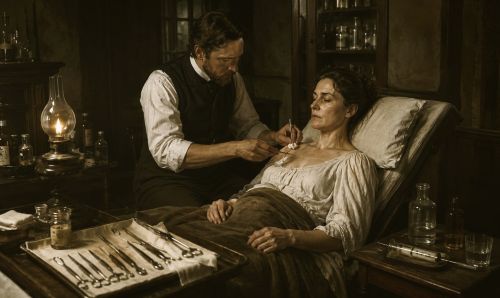
Victorian cancer treatment mixed ambition with agony: radical surgery, caustic pastes, opiates, nursing, and desperate cures at the edge of modern oncology.

By Matthew A. McIntosh
Public Historian
Brewminate
Introduction: The Cure That Cut, Burned, and Comforted
Cancer occupied a terrible place in Victorian medicine because it seemed to belong to two worlds at once. It was ancient in its dread, recognizable in the language of “eating” or “consuming” growths, yet increasingly modern in the ways physicians tried to classify, localize, and attack it. By the nineteenth century, doctors and surgeons could often identify visible cancers with grim confidence, particularly those of the breast, skin, lip, jaw, uterus, and other accessible sites. But recognition was not mastery. Many patients reached medical attention only after a tumor had hardened, ulcerated, bled, discharged, or announced itself through pain and smell. Internal cancers were even more elusive, often suspected only after wasting, obstruction, hemorrhage, or death. The Victorian doctor confronted cancer as both a diagnosis and a failure of timing: by the moment the disease could be named with certainty, it was often already beyond cure.
The treatments that followed could be brutal. Surgeons cut away tumors with knives, scissors, saws, and ligatures; amputated diseased limbs; removed breasts; scraped or cauterized suspicious growths; and, by the late nineteenth century, pursued increasingly extensive operations in the hope of removing not only the visible mass but the hidden pathways of recurrence. Others burned cancer chemically, applying caustic pastes made from zinc chloride, arsenic, potash, acids, or botanical compounds that promised to destroy malignant tissue without the drama of the operating theater. These treatments were not all identical, and they did not all belong to the same medical category. Some were orthodox surgical practice, some were experimental, some hovered between regular and irregular medicine, and some were frankly commercial. Yet they shared a common assumption: cancer was something that had to be driven out of the body by force, whether by cutting, burning, corroding, or causing diseased flesh to slough away.
The paradox of the Victorian era is that this violence became more ambitious as medicine became more “advanced.” Anesthesia softened the immediate terror of the operation, but it also allowed surgeons to operate longer and more deeply. Antiseptic practice reduced some of the dangers of infection, but it also made more invasive surgery seem plausible. Pathology and microscopy gave cancer a more precise biological identity, but they also encouraged the belief that if the malignant tissue could be found and removed completely enough, cure might follow. The result was not simple savagery, nor simple progress. It was a medicine caught between partial knowledge and expanding power. Victorian doctors had enough science to reject resignation, enough technique to intervene aggressively, and not yet enough understanding to know when aggression merely mutilated a body already overtaken by disease.
Yet cancer care in the Victorian world was not only a story of knives and caustics. It was also a story of comfort, desperation, domestic nursing, opiates, patent medicines, family labor, and the search for hope when cure failed. Morphine, laudanum, alcohol, sedatives, dressings, poultices, and careful nursing could matter as much as surgery, especially for patients whose cancers were advanced or inoperable. The fear of cancer fed a lucrative marketplace of advertised cures, secret formulas, botanical remedies, and painless alternatives to the surgeon’s knife. Victorian cancer treatment was brutal not because Victorians were indifferent to suffering, but because they stood at the edge of modern oncology without possessing modern oncology itself. They could diagnose some cancers, remove some tumors, reduce some pain, and occasionally prolong life. But they could not yet reliably distinguish local disease from systemic spread, cure from temporary control, or heroic treatment from harm.
Cancer Before Modern Oncology: A Disease Known by Sight, Touch, Smell, and Fear

Before cancer became the object of oncology, imaging, laboratory testing, staging systems, and molecular classification, it was first a disease of the senses. Victorian physicians did not approach cancer with X-rays, CT scans, tumor markers, immunohistochemistry, or biopsies interpreted through the full machinery of modern pathology. They approached it through inspection, palpation, patient testimony, bodily change, and the accumulated experience of what malignant disease seemed to do over time. A hard lump in the breast, an ulcer that refused to heal, a lip sore that thickened and spread, a mass in the jaw, a foul uterine discharge, a bleeding rectal obstruction, or a visible growth on the skin could all bring cancer into view. Medical judgment depended on what could be seen under lamplight, touched through the skin, smelled in the sickroom, described by the patient, or confirmed after death. This made cancer at once obvious and elusive. A visible tumor could seem unmistakable, notably when it grew, hardened, ulcerated, or returned after removal, but the deeper behavior of the disease remained beyond clinical reach. Was the growth still local? Had it already seeded distant organs? Was the pain a sign of invasion, inflammation, pressure, or something else entirely? Victorian doctors could ask these questions, and many asked them with seriousness, but they lacked the diagnostic instruments that would later make such questions answerable before the body was opened. The disease became most recognizable when it had already advanced far enough to distort the body. Victorian cancer was known with terrible clarity at the surface and with deep uncertainty beneath it.
The clinical signs that made cancer legible were often late signs. A tumor might be described as hard, irregular, fixed, lancinating, ulcerated, or attached to surrounding tissues. Surgeons learned to distinguish suspicious growths from cysts, abscesses, benign tumors, inflammatory swellings, and the many other lumps and lesions that filled nineteenth-century surgical practice. Yet the distinction was rarely easy. Pain could be absent in early disease and overwhelming in late disease. Ulceration could suggest malignancy, but chronic wounds, syphilitic lesions, scrofulous disease, and traumatic injuries could also produce frightening surfaces. Hardness and fixation mattered, but neither gave certainty in every case. The experienced hand of the surgeon was central to diagnosis, but it was also a vulnerable instrument: it could feel a mass, judge its mobility, compare textures, and sense danger, but it could not see microscopic invasion or distant spread.
This is why accessible cancers dominated Victorian cancer treatment. Breast cancer, skin cancer, cancers of the lip and face, cancers of the tongue and jaw, and some uterine or rectal cancers entered medical records because they could be seen, touched, cut, cauterized, dressed, or examined directly. Internal cancers were far more elusive. Cancer of the stomach might be inferred from wasting, vomiting, pain, bleeding, or inability to eat. Cancer of the liver, pancreas, ovary, or bowel might be suspected from swelling, obstruction, jaundice, cachexia, or autopsy findings. But suspicion was not the same as operative certainty. Without modern imaging, many internal cancers remained hidden until they had produced a crisis. Even when a physician suspected cancer, treatment might be limited to pain relief, diet, purgatives, tonics, opiates, or watchful resignation. The cancers most often treated aggressively were not necessarily the most common or biologically distinct; they were the ones that nineteenth-century hands and eyes could reach.
The smell of cancer also mattered in ways modern clinical language can obscure. Advanced cancers, especially ulcerating breast tumors, facial cancers, and gynecological malignancies, could produce discharge, bleeding, necrotic tissue, and odor. These were not merely symptoms. They shaped the social life of the disease. A cancer that smelled announced itself within the household. It turned the sickroom into a site of constant management, requiring dressings, washing, ventilation, poultices, perfumes, antiseptic solutions, and emotional endurance from family members or nurses. The odor of decay could blur the boundary between the living body and the corpse, making cancer feel like a death already underway. Smell carried meanings that were medical, emotional, and spiritual all at once. It suggested corruption, infection, uncleanness, and helplessness, even when the patient remained conscious, socially present, and in need of tenderness. The body became difficult to conceal. A woman with an ulcerating breast tumor or uterine discharge might suffer not only pain but humiliation, dependency, and fear of becoming repulsive to those around her. The sensory reality of cancer helped make it one of the most dreaded diseases of the century: it seemed to expose the body’s corruption before death had actually arrived.
Touch could also be morally and socially complicated. Many cancers occurred in parts of the body shaped by modesty, sexuality, and gendered silence. Breast and uterine cancers were difficult because diagnosis required women to report intimate symptoms, submit to examination, and enter a medical world still overwhelmingly governed by male authority. A breast lump might be hidden for months or years out of embarrassment, fear of surgery, distrust of doctors, family obligation, or hope that it would disappear. Uterine symptoms could be even harder to disclose when bleeding, discharge, pelvic pain, or sexual and reproductive organs were involved. The very act of examination could feel like a violation of privacy, respectability, or feminine self-command, particularly when the available treatments were themselves frightening. A woman who suspected cancer might have to weigh not only the disease but the consequences of naming it: exposure to a male practitioner, possible hospitalization, loss of bodily integrity, disfigurement, gossip, marital strain, or the terrifying prospect of becoming an invalid within her own household. Victorian medicine often treated delay as patient ignorance, but delay could also be a rational response to the social cost of examination and the terrifying reputation of cancer surgery. By the time many women appeared before surgeons, the disease had crossed the boundary between private fear and public emergency.
Fear was not an accidental companion to Victorian cancer; it was part of the disease’s medical identity. Cancer seemed stealthy, painful, hereditary, recurrent, and treacherous. It could be cut out and return. It could shrink or slough away and then reappear at the edge of the scar. It could remain local long enough to invite surgical hope and yet prove, months or years later, that the operation had only removed what was visible. This uncertainty made cancer different from many acute diseases. Cholera, typhus, smallpox, or scarlet fever might kill swiftly and collectively, but cancer often appeared as a private, lingering siege. It gave patients and families time to imagine the worst. It also gave practitioners time to try one intervention after another: surgery, caustics, opiates, tonics, diet, poultices, patent medicines, consultations, and finally comfort. Cancer was feared not only because it killed, but because it seemed to make dying slow, visible, and resistant to promise.
To understand cancer before modern oncology is to understand a medicine built around surfaces and suspicions. Victorian doctors were not blind to cancer. They observed it carefully, classified it increasingly, debated its nature, and developed more elaborate strategies for attacking it. But their knowledge was unevenly distributed across the body. They knew the ulcer better than the metastasis, the palpable lump better than the microscopic margin, the recurrent scar better than the circulating cell. Cancer entered treatment through sight, touch, smell, and fear because those were the instruments available before modern diagnostic methodologies transformed hidden disease into visible data. The brutality of Victorian treatment began here: in the terrible gap between what could be sensed and what could be known.
The New Science of the Tumor: Pathology, Microscopy, and the Problem of Spread
The nineteenth century did not simply inherit an old fear of cancer; it also transformed cancer into an object of scientific investigation. Earlier medicine had often understood malignant disease through broad constitutional language, humoral imbalance, bodily corruption, hereditary taint, or the mysterious tendency of certain growths to consume surrounding tissue. Victorian medicine did not abandon all of these ideas at once, and popular understandings of cancer remained saturated with older language of poison, contamination, and hidden decay. But in hospitals, medical schools, dissecting rooms, and pathological museums, cancer increasingly became a material thing to be collected, cut, preserved, compared, and examined. The tumor was no longer only a frightening lump in the living body. It became a specimen, a teaching object, a microscopic field, and a problem in classification.
Pathological anatomy had already encouraged doctors to connect symptoms in life with lesions found after death. Cancer benefited from this shift because it was often visible in the opened body: a hard mass, an infiltrated organ, an ulcerated surface, a cluster of nodules, a liver studded with secondary growths, or a scarred field of recurrence. Autopsy allowed physicians to see what clinical examination had only suggested. A woman who had died with a breast tumor might also have deposits in the liver, lungs, bones, or lymph nodes. A patient who had wasted away with stomach pain might reveal an obstructing gastric cancer that had been impossible to diagnose with certainty while alive. Pathology made cancer less abstract by showing where it traveled, how it destroyed organs, and how far visible disease could differ from the surgeon’s original target. It also changed medical memory. Instead of relying only on the recollection of symptoms, the reputation of a practitioner, or the story told by a patient’s decline, physicians could preserve and display the diseased part itself. The dead body became a kind of archive, and the tumor became evidence. This mattered because cancer so often deceived the living observer. A growth that seemed limited during life might prove, at autopsy, to have seeded distant organs; a swelling that seemed inflammatory might reveal malignant infiltration; a patient thought to be dying of vague wasting might show a hidden internal cancer that had never presented itself as a clear surgical target. The postmortem room widened the meaning of cancer. It showed that the disease was not only a lump to be removed, but a process that could move through the body silently, leaving clues that became fully legible only after death.
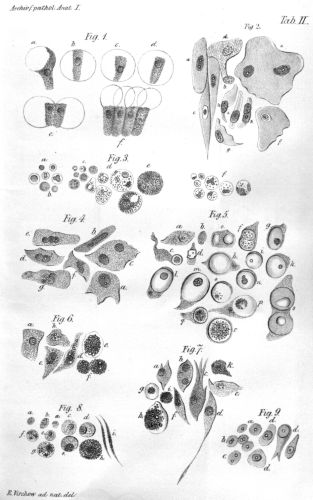
Microscopy deepened this transformation. The microscope did not immediately solve cancer, but it changed the kind of questions doctors could ask. Instead of treating tumors only as gross masses with particular textures, colors, and patterns of invasion, physicians could examine their cellular structure. They could compare cancerous tissue with normal tissue, distinguish some malignant from benign growths, and describe the strange abundance of cells that seemed to define cancer’s identity. The rise of microscopic pathology did not produce a single, stable cancer theory overnight. There were debates over whether cancers arose from cells, blastema, connective tissue, epithelial structures, inflammatory processes, or other origins. Yet the direction was clear: cancer was becoming a disease whose truth lay not only in what the hand felt or the eye saw, but in what the trained observer could identify beneath the lens.
Rudolf Virchow’s cellular pathology gave this shift one of its most influential forms. By insisting that disease should be understood through changes in cells, Virchow helped move nineteenth-century medicine away from older theories of generalized imbalance and toward a more localized, tissue-based understanding of pathology. Cancer was not merely a mysterious bodily curse. It was a cellular process, a disorder of growth, a disease that could be studied in its structure and development. This mattered enormously for treatment. If cancer was rooted in diseased tissue, then removing diseased tissue seemed rational. If recurrence appeared after surgery, it could be interpreted as evidence that diseased cells had been left behind. Cellular pathology sharpened both diagnosis and surgical ambition.
But the new science contained a dangerous temptation: it made cancer appear more local than it often was. The more doctors learned to identify tumor tissue, the more plausible it became to imagine cure as complete removal. A cancer visible in the breast, lip, skin, tongue, or uterus could be treated as a local enemy that had to be cut out, burned away, or destroyed before it reached neighboring structures. This was not foolish. Many cancers do begin locally, and local control could relieve suffering, prevent ulceration, reduce bleeding, remove foul-smelling tissue, or prolong life. A surgeon who excised a tumor was not merely acting from crude mechanical instinct; he was often responding to the best visible evidence available. If the disease seemed to be concentrated in one place, then attacking that place appeared logical. Yet nineteenth-century medicine had only a limited grasp of microscopic extension, lymphatic spread, bloodstream dissemination, and the biological differences among cancers. The tumor that appeared local to the surgeon might already have passed beyond local treatment. Worse, recurrence could be interpreted in more than one way. It might mean that surgery had been attempted too late, that the first operation had been too conservative, that malignant tissue had been missed, or that cancer was not truly local at all. Without modern staging, long-term survival statistics, or an effective theory of systemic disease, the most emotionally and professionally satisfying answer was often to cut wider next time. The visible mass was only the part of the disease that medicine could confidently name.
The lymphatic system became important in this emerging logic. Surgeons noticed that cancers, particularly of the breast, often involved nearby glands. Enlarged axillary nodes seemed to mark a pathway of invasion, and their removal became increasingly central to the attempt at cure. This helped create the surgical reasoning that culminated in late-century radical operations: if cancer spread outward from the primary tumor into adjacent tissues and lymph nodes, then the surgeon must remove not only the tumor but the surrounding anatomical field. In breast cancer, the armpit became almost as important as the breast itself, because swollen glands appeared to reveal the route by which malignancy escaped its first site. This anatomical imagination gave surgery a new map. Cancer was no longer only a mass; it was a territory, a chain of tissues, a regional field that could be cleared by disciplined extirpation. The problem was that this model was only partly true. Lymphatic spread could indeed signal regional progression, but it did not mean that the disease remained neatly confined to a predictable chain of tissues. Enlarged glands could be obvious, but microscopic disease could be invisible. Some patients with apparently local disease later developed distant recurrence; others with alarming local findings might live longer than expected. Victorian doctors could identify enlarged glands, but they could not reliably know when invisible dissemination had already occurred. The lymphatic model strengthened the case for radical surgery while also concealing its limits. It gave surgeons a reason to remove more tissue, but not a reliable way to know whether more tissue would change the final course of the disease.
Pathological museums and hospital collections reinforced this medical imagination. Specimens of tumors, ulcerated organs, diseased bones, and infiltrated glands allowed students and practitioners to study cancer as a visual and comparative science. These collections were pedagogically powerful. They trained doctors to recognize patterns, to distinguish varieties of disease, and to link clinical histories with anatomical outcomes. Yet they also tended to privilege the dramatic end-stage specimen. The preserved cancer was often the cancer that had already destroyed, invaded, or killed. Pathology revealed cancer’s violence while also fixing it in forms that were already advanced. The museum jar taught the seriousness of malignant disease, but it could not easily teach the early moment when intervention might have mattered most.
The result was a Victorian cancer science that was both impressive and incomplete. Pathology and microscopy gave doctors new authority over cancer’s appearance, structure, and classification. They made tumors legible in ways earlier medicine had not achieved. They helped justify surgery as more than desperate cutting; it could now be presented as an anatomically and biologically reasoned intervention. Yet the same science also exposed medicine’s limits. Doctors could see cells but not genes, tissues but not molecular behavior, enlarged glands but not the full course of metastatic disease. They could classify cancer more precisely than their predecessors, but they still struggled to predict which tumors would recur, which operations would fail, and which patients had already crossed the invisible boundary between local disease and systemic spread. Victorian cancer treatment became brutal in part because the new science of the tumor taught doctors where to look, but not yet how far cancer had gone.
Surgery Before Safety: Early Victorian Operations, Speed, Shock, and Infection
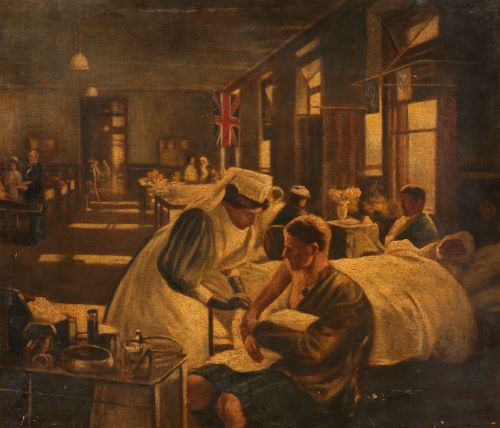
Before Victorian surgery became associated with anesthesia, antisepsis, hospital operating theaters, and increasingly technical procedures, it remained an ordeal governed by speed, endurance, blood loss, shock, and the ever-present possibility of infection. Cancer surgery in the early nineteenth century belonged to this older surgical world. A tumor might be cut out quickly, a breast removed, a limb amputated, or a diseased mass tied off with ligatures, but the operation took place under conditions that made every intervention dangerous before the surgeon even considered whether the cancer itself could be cured. Surgery was not yet a clean contest between operator and tumor. It was a violent encounter among knife, patient, pain, blood, air, instruments, assistants, and the uncertain aftermath of the wound. For cancer patients, this meant that the decision to operate could be nearly as frightening as the disease. The surgeon might remove the visible malignancy, but the patient still had to survive the operation.
Pain shaped every part of early Victorian surgery. Before the introduction of ether and chloroform anesthesia in the 1840s, major operations depended on physical restraint, alcohol or opiates of limited usefulness, the patient’s stamina, and the surgeon’s speed. The ideal operator was decisive, strong-handed, and fast, not because speed was elegant but because prolonged cutting could become unbearable. Cancer operations were difficult because they often required work through diseased, adherent, inflamed, or vascular tissue. A small superficial lesion might be excised with relative speed, but a breast tumor fixed to surrounding structures, a cancer of the jaw, or an amputation for malignant disease could become a terrifying race against agony and collapse. The patient’s cries were not incidental background. They were part of the operation’s practical reality, affecting the surgeon, assistants, observers, and family members who knew what treatment required.
The need for speed also limited surgical ambition. A pre-anesthetic surgeon could not calmly explore tissue planes, remove wide margins, dissect lymph nodes, or pursue extensive anatomical fields in the way later surgeons would attempt. There were exceptions, and some operators were remarkably bold, but pain placed a ceiling on what could be done to a conscious body. This mattered for cancer. If a malignant tumor had spread into surrounding tissues, the very thoroughness that might seem necessary for cure could be impossible to achieve humanely or safely. The surgeon often had to choose between doing enough to remove the visible mass and stopping before the operation became unsurvivable. Early Victorian cancer surgery tended to be more limited not because surgeons lacked courage, but because the living, suffering patient imposed limits on the knife.
Shock was another danger, and it was not merely a vague word for distress. Major surgery could produce collapse through pain, blood loss, exposure, fear, and physiological trauma. A patient might survive the immediate cutting only to sink afterward into coldness, weakness, delirium, exhaustion, or death. Cancer patients were often already debilitated by chronic pain, bleeding, poor nutrition, infection, or wasting, making them poor candidates for the violent demands of surgery. The body brought to the operating table was not an abstract anatomical subject but a vulnerable organism already compromised by disease. Surgeons understood this in practical terms even when they lacked modern physiology. They worried about whether the patient could “bear” the operation, whether the pulse was too weak, whether the constitution was too broken, whether intervention would hasten the death it was meant to prevent. These judgments were subjective, but they were not careless. They reflected the grim arithmetic of a period in which surgery could rescue, mutilate, or kill in a single morning.
Then came the wound. Even when an operation was technically successful, the open surgical site remained a second battlefield. Hemorrhage, suppuration, erysipelas, gangrene, septicemia, pyemia, and hospital-acquired infection could turn a clean-looking incision into a fatal disaster. The pre-antiseptic hospital was not simply a place of healing; it could also be a place where wounds became poisoned. Surgeons might wash their hands or instruments by personal habit, but they did not yet possess a universally accepted germ theory or antiseptic system that made infection a central enemy of operative practice. Pus was often expected, and in some older surgical traditions “laudable pus” could even be interpreted as part of the ordinary course of healing rather than as a warning sign of microbial danger. Inflammation, fever, swelling, and discharge might be managed with dressings, drainage, poultices, wine, opiates, or repeated inspection, but the deeper causes of wound sepsis remained poorly controlled. Bad smells, stained linens, contaminated sponges, reused instruments, crowded wards, unwashed coats, and the movement of surgeons and students from one patient to another formed part of the ordinary surgical landscape. An operation that looked successful on the table could become disastrous days later, when the patient developed rigors, delirium, spreading redness, foul discharge, or the signs of systemic infection. For cancer operations, this meant that a patient might die not from cancer’s recurrence but from the wound created in the attempt to remove it. The tragedy was sharp because the operation had often been undertaken as a last serious hope: the diseased tissue was gone, the surgeon’s work appeared complete, and yet the body could still be overtaken by the invisible danger introduced or unleashed by surgery itself.
Hospitals intensified both surgical possibility and surgical risk. They brought together skilled practitioners, students, instruments, operating spaces, and pathological observation, making them crucial to the development of cancer surgery. But they also concentrated the poor, the severely ill, the wounded, and the infected. A private patient treated at home might avoid some hospital dangers but lack access to the same surgical resources; a hospital patient might receive expert intervention while also being exposed to dangerous ward conditions. This class dimension mattered. The poor and socially vulnerable often entered hospitals later, sicker, and with fewer choices, while wealthier patients could seek consultations, delay, refuse, or arrange care under more controlled domestic circumstances. Cancer surgery was not only a medical decision. It was also shaped by money, access, reputation, geography, and the patient’s position within Victorian society.
The early Victorian operating world helps explain why later surgical “progress” could feel both merciful and ominous. Anesthesia would make the operating table less immediately cruel, and antisepsis would make the surgical wound less predictably dangerous. But before those changes fully took hold, cancer surgery was governed by a hard realism: if the disease could not be reached, it could not be cut out; if it could be cut out, the patient still had to endure the cutting; if the patient endured the cutting, the wound still had to heal; and if the wound healed, the cancer might still return. This was the brutal foundation on which later Victorian cancer treatment was built. The knife was already central, but it had not yet gained the technical freedom that would make radical cancer surgery possible. Early Victorian surgery was terrible not because it was reckless alone, but because it was constrained by pain, shock, infection, and uncertainty at every step.
Antisepsis and the New Surgical Ambition
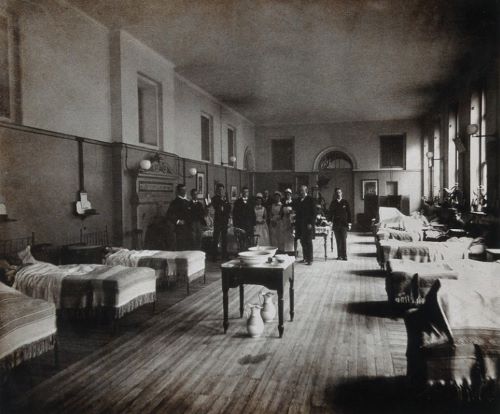
Antisepsis changed the meaning of surgical courage. Before antiseptic practice gained influence, the surgeon’s daring was measured partly by the ability to cut quickly, control bleeding, and finish before pain and shock overwhelmed the patient. After anesthesia had made longer operations possible, infection remained the great enemy that limited what surgeons could safely attempt. Joseph Lister’s antiseptic system, developed in the 1860s and associated with carbolic acid, did not instantly transform all operating rooms into modern sterile spaces. Adoption was uneven, debate was vigorous, and many practitioners modified or resisted Listerian methods. Yet the principle was revolutionary: the wound was no longer merely an injury to be dressed and watched, but a vulnerable site that had to be protected from contamination. This altered not only outcomes, but imagination. If infection could be reduced, then operations once considered too dangerous became newly thinkable.
For cancer surgery, that shift was enormous. Malignant disease often demanded large wounds, deep dissection, and the removal of tissue that was already inflamed, ulcerated, adherent, or weakened. The surgeon could not simply snip away a neat abnormality and close the skin. Cancer often blurred boundaries. It crept into adjacent structures, fixed itself to surrounding tissue, and returned at the edges of previous operations. Under pre-antiseptic conditions, the larger the operation, the larger the danger: more exposed tissue, more blood, more dead space, more handling, more opportunity for suppuration, erysipelas, pyemia, septicemia, and gangrene. Antisepsis did not make cancer surgery safe in the modern sense, but it helped make extensive cancer surgery less automatically suicidal. The result was a new willingness to pursue the disease beyond the obvious lump.
This is one of the central ironies of Victorian medical progress: antisepsis made surgery more humane by reducing some risks, but it also made surgery more aggressive by removing old restraints. When surgeons believed they could prevent or control wound infection, they could operate longer, dissect more carefully, and remove more tissue. A breast operation could expand beyond the breast. A tumor of the jaw, tongue, or skin could invite wider excision. Lymph nodes, surrounding fascia, muscle, and neighboring structures could become part of the surgical target. The operation became less a quick assault on a visible mass and more a planned campaign against a regional field of disease. This change altered the surgeon’s sense of responsibility. If recurrence followed a limited operation, it became easier to argue that the original procedure had not gone far enough. If the patient could now survive a larger wound, then restraint itself might appear dangerous, even negligent. Antisepsis encouraged a new moral and technical calculus: more tissue removed today might mean less recurrence tomorrow. That logic was powerful because it transformed mutilation into prevention and aggressiveness into prudence. Antisepsis helped create the technical conditions for radical cancer surgery. It did not cause surgical radicalism by itself, but it gave radicalism a safer platform from which to grow.
The change was also professional and institutional. Antiseptic surgery required discipline, training, instruments, dressings, solutions, assistants, and a new kind of attention to the environment of the operation. It strengthened the authority of hospital surgery and the surgeon who claimed mastery not only over anatomy, but over the invisible dangers of the wound. Cancer treatment benefited from this professional confidence. A surgeon could now present an operation not merely as a desperate cutting away of diseased flesh, but as a controlled, scientific intervention grounded in pathology, anatomy, and antiseptic method. The operating room became a place where modern medicine staged its seriousness: ordered instruments, managed pain, protected wounds, recorded cases, and specimens sent for examination. Yet the patient’s body still bore the consequences of that confidence. The more orderly the procedure became, the more extensive it could become.
This did not mean antisepsis solved the problem of cancer. It solved, or partly solved, a problem around cancer: the problem of surgical infection. The disease itself remained biologically elusive. A wound might heal cleanly while cancer cells remained beyond the field of removal. A patient might survive an operation that would once have killed her, only to suffer recurrence months later. A more ambitious procedure might reduce local return while doing little for distant spread. Antisepsis strengthened the hand of the surgeon without giving the surgeon full knowledge of the enemy. It helped transform operative mortality, but not necessarily long-term cancer survival in the way later generations hoped. This distinction matters because it explains why Victorian surgery could look increasingly successful in the immediate postoperative period while still failing many cancer patients in the larger course of disease.
The new surgical ambition born from antisepsis was both achievement and trap. It represented real progress: fewer infected wounds, greater operative precision, longer procedures under better conditions, and a growing sense that cancer could be attacked with rational technique rather than resignation. But it also intensified the central Victorian dilemma. Medicine had learned how to make the operation more survivable before it had learned how to know whether the operation was enough. The cleaner wound encouraged the wider cut. The safer hospital encouraged the bolder surgeon. The reduced risk of infection made it easier to believe that more extensive removal might finally master recurrence. This was consequential for cancer because recurrence was so often interpreted locally. If disease returned near a scar, in nearby glands, or along the edge of a previous excision, the lesson seemed obvious: next time, remove more. Yet cancer did not always obey the map surgeons drew for it. It could return locally, spread regionally, or appear distantly in ways that mocked the confidence of even the most careful operation. Antisepsis made surgeons better able to act on their theories, but it did not guarantee that those theories were adequate. It narrowed one kind of uncertainty while enlarging another. The patient might survive the cut, heal the wound, and still discover that the disease had already escaped the reach of the knife. Antisepsis did not make cancer treatment gentle. It made it more technically possible, more institutionally confident, and often more radically invasive.
Extirpation: Amputation, Excision, Ligature, and the Logic of Cutting Cancer Out
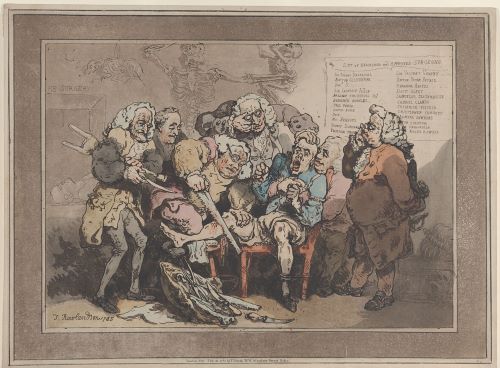
If cancer appeared to be a disease lodged in tissue, then the most direct answer was to remove the tissue. This was the logic of extirpation: the tumor had to be taken away from the body before it could enlarge, ulcerate, poison the surrounding parts, involve the glands, or return with greater violence. Victorian surgeons used the language of removal with a seriousness that reflected both their confidence and their anxiety. They excised tumors, amputated diseased limbs, removed breasts, cut away lips, tongues, jaws, and skin lesions, and tied off suspicious growths with ligatures when cutting seemed impractical or dangerous. These procedures were not all equally common, and they varied enormously by site, patient condition, and surgical setting. But they shared a common belief that cancer, when accessible, demanded physical separation from the living body. The diseased part had to be cut out, cut off, or made to die.
This was not a crude idea in its own historical context. Surgery offered something other treatments could not: visible action upon visible disease. A medicine taken by mouth might strengthen the constitution, soothe pain, purge the body, or satisfy hope, but it could not demonstrate its success in the same immediate way as an operation. A tumor that had been removed was gone from sight. A breast that had become hardened, painful, or ulcerated could be taken away. A limb invaded by malignant disease could be sacrificed to preserve the patient. A cancerous lip or tongue might be partly excised in an attempt to stop local destruction. The knife gave both surgeon and patient a material result, and in a disease so defined by uncertainty, that result mattered. Extirpation was terrifying, but it was also concrete.
Amputation was among the starkest expressions of this logic. When malignant disease affected a limb, bone, joint, or soft tissue in a way that seemed beyond local excision, removal of the entire part could appear to be the only rational chance. The operation was drastic, but Victorian surgeons were accustomed to thinking of amputation as a life-saving exchange: a limb for a life. In cancer, the bargain was less reliable than in traumatic injury. A crushed leg, shattered by accident or war, might be amputated to remove an immediate source of hemorrhage, gangrene, or overwhelming infection; a cancerous limb posed a slower and more uncertain threat. The diseased part might be removed cleanly, yet the underlying malignancy could already have migrated elsewhere. This made cancer amputation psychologically and medically different from amputation after injury. The surgeon could perform the same kind of operation, but the meaning of success was far less secure. Still, amputation could relieve intolerable pain, bleeding, ulceration, or foul discharge, and it could prevent a local tumor from consuming the limb further. It might also restore a measure of social and domestic order when a diseased limb had become a source of constant dressing, smell, immobility, and distress. For the patient, the question was rarely abstract. It was not simply whether amputation cured cancer in the modern statistical sense, but whether the diseased part had become so painful, useless, offensive, or dangerous that losing it seemed preferable to keeping it.
Excision was more varied and more common because many cancers appeared as localized masses. A surgeon might remove a breast tumor, a suspicious skin lesion, a cancer of the lip, or a mass in the soft tissues with the aim of taking not only the visible growth but some surrounding healthy tissue. The difficulty lay in deciding how much was enough. Cut too little, and recurrence might follow at the edge of the wound. Cut too much, and the operation became more dangerous, disfiguring, and disabling. Victorian surgeons did not yet possess modern frozen sections, standardized margins, imaging, or oncological staging, so they judged by sight, touch, anatomical knowledge, and experience. A hard edge, a fixed base, an enlarged gland, a puckered skin surface, or adherence to deeper structures might persuade the surgeon to extend the operation. But the boundary between caution and mutilation was unstable. The surgeon’s hand had to decide where the cancer ended, even though cancer did not always respect visible boundaries.
Ligature offered another method of destroying or removing diseased tissue. Instead of slicing through a growth all at once, the surgeon might tie off its blood supply or constrict a part until it withered, separated, or could be removed with less bleeding. Ligatures had long been part of surgical practice, especially where hemorrhage was feared, and they could be used in operations involving tumors, vascular structures, pedunculated growths, or parts difficult to cut safely. In cancer treatment, ligature belonged to the same broader family of controlled violence as the knife and caustic. It attempted to kill the diseased part by strangulation rather than immediate excision. Such methods could seem attractive when cutting was too bloody, when anesthesia was unavailable or risky, or when the tumor’s location made a clean operation difficult. They also suited a surgical culture still deeply concerned with hemorrhage, for bleeding could kill immediately while cancer often killed slowly. A ligature seemed to offer a way to domesticate surgical danger: the surgeon could act decisively while avoiding, or at least postponing, the sudden rush of blood that accompanied an incision. Yet this apparent control came at a price. The patient might endure days of constriction, inflammation, discharge, and the gradual death of tissue. What looked like a measured technique could feel, in the body, like a prolonged operation. Tissue death, sloughing, infection, bleeding, and incomplete removal remained constant dangers. The ligature promised control, but the body often answered with inflammation, suppuration, and the unpredictable behavior of malignant disease.
Breast cancer became one of the most important arenas for these debates because it was accessible, common in surgical literature, and emotionally charged. Earlier operations might remove only the tumor or the breast itself, but recurrence pushed surgeons toward wider procedures. If cancer returned in the scar, the remaining breast tissue, the skin, or the axillary glands, then the lesson seemed to be that local removal had been insufficient. This reasoning encouraged a movement from limited excision toward more complete removal of the breast and, eventually, toward operations that included surrounding tissues and lymph nodes. The breast was not treated merely as an organ but as a region of possible spread. Victorian surgeons stood at a transitional point. They inherited older operations of removal and developed the logic that would culminate in late-century radical surgery. The more cancer seemed to recur locally, the more the operation expanded anatomically.
Yet extirpation always carried a tragic uncertainty. The removed tumor could be displayed, preserved, described, and examined; the wound could heal; the surgeon could record the operation as successful. But none of this guaranteed cure. Cancer might already have moved beyond the reach of the knife before the first incision was made. It might reappear in nearby glands, return in the scar, or emerge months later in internal organs no surgeon had suspected. This did not make extirpation meaningless. It could relieve suffering, remove offensive disease, delay recurrence, and sometimes produce genuine survival. But it explains why Victorian cancer surgery became caught in a cycle of escalation. Failure did not necessarily disprove the surgical logic; it could be read as evidence that the operation had been too late, too narrow, or too hesitant. Extirpation was both a treatment and a way of thinking. It taught surgeons to imagine cancer as an enemy to be pursued through anatomy, and it prepared the ground for the radical operations that would define the next stage of surgical ambition.
The Halsted Radical Mastectomy: Scientific Confidence and Surgical Mutilation
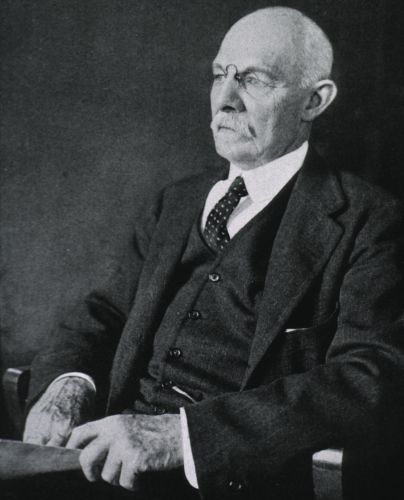
The Halsted radical mastectomy became one of the most powerful symbols of late nineteenth-century cancer surgery because it joined modern scientific confidence to extraordinary bodily sacrifice. Developed and reported by William Stewart Halsted at Johns Hopkins in the 1890s, the operation treated breast cancer not as a lump to be shelled out, nor even as a breast to be removed, but as a regional disease requiring a broad anatomical assault. The breast, overlying skin when necessary, pectoral muscles, fascia, and axillary lymph nodes could all become part of the operative field. In Halsted’s logic, cancer advanced by local and lymphatic extension; cure required removal of the primary tumor and the surrounding routes through which recurrence appeared to travel. This was not random mutilation. It was systematic, disciplined, and grounded in the pathological assumptions of its time. That was precisely what made it so consequential. It transformed the old act of breast removal into a modern surgical doctrine.
Halsted’s method reflected the late Victorian convergence of anesthesia, antisepsis, pathology, hospital surgery, and case reporting. Earlier surgeons had removed breasts, tumors, and enlarged glands, but Halsted brought these practices into a more coherent radical program. The operation was not simply larger; it was conceptually different. Instead of responding to visible disease alone, it anticipated hidden disease in nearby tissues. Instead of treating recurrence as an unfortunate possibility, it treated recurrence as evidence that previous operations had failed to remove the full anatomical field of danger. This logic was reinforced by surgical experience: cancer often did return in scars, skin, remaining breast tissue, or axillary glands. To the late nineteenth-century surgeon, wider removal could appear not excessive but necessary. The body had to be opened according to the presumed path of cancer’s spread, and the surgeon had to remove what the eye could see along with what experience taught him to suspect. Halsted’s operation also belonged to a new culture of surgical measurement. Cases were reported, outcomes compared, recurrences counted, and operative technique refined in the setting of elite hospital medicine. That gave radical mastectomy an authority older forms of breast surgery had not possessed in quite the same way. It could be presented not merely as a bold intervention by a gifted operator, but as a reproducible method grounded in anatomy, pathology, and institutional evidence. Yet this evidence had limits. Local recurrence was easier to see and count than distant microscopic spread, and the absence of visible return near the scar could be mistaken for deeper victory over the disease. The method gained prestige at exactly the point where Victorian surgery could most powerfully document what it had removed, while still struggling to know what cancer had already done beyond the operative field.
The human cost was immense. Radical mastectomy could leave women disfigured, weakened, scarred, and physically altered in ways that reached far beyond the loss of the breast itself. Removal of the pectoral muscles changed the chest wall and could impair arm movement. Axillary dissection risked swelling, stiffness, nerve injury, chronic discomfort, and functional limitation. The operation also struck at a part of the body deeply entangled with femininity, sexuality, maternity, marriage, and self-image. In an era when women’s bodies were already governed by modesty, male medical authority, and social expectation, breast cancer surgery required a painful surrender of privacy and bodily wholeness. The patient might survive the operation and heal the wound, but survival did not restore the body she had possessed before the diagnosis. Radical surgery promised life, but it often purchased that promise through permanent visible loss.
Yet it would be too simple to treat the Halsted operation only as surgical violence. For some patients, radical mastectomy offered what earlier treatment often could not: better local control. An ulcerating breast cancer could bleed, smell, infect, and destroy the chest wall; recurrent disease could be agonizing and socially devastating. If a more extensive operation reduced the chance of local recurrence, that mattered, even when it did not guarantee cure. Halsted’s reports and the enthusiasm of later surgeons rested on this distinction between the immediate surgical field and the larger mystery of survival. The operation appeared successful when wounds healed and local disease did not promptly return. Its limitations became clearer only with the passing of time as physicians came to understand that breast cancer was not always a stepwise local disease waiting to be conquered by wider excision. Some tumors had already spread before the breast was removed; others behaved less aggressively than radical doctrine assumed. The operation’s tragedy lay in the fact that its reasoning was sometimes useful, sometimes inadequate, and often impossible to judge in advance.
The Halsted radical mastectomy crystallized the central dilemma of Victorian cancer treatment. It was modern, scientific, antiseptic, anatomical, and brutally invasive all at once. It showed how medical progress could expand the scale of suffering even while trying sincerely to prevent a worse death. The operation did not arise from ignorance alone, but from partial knowledge sharpened into surgical certainty. Halsted and his followers believed they were meeting cancer on its own ground, pursuing it through the tissues before it could return. But the cancer they imagined was more orderly than the cancer many patients actually had. Radical mastectomy became the emblem of an era in which surgeons had learned to operate with unprecedented discipline, but not yet to know when discipline had become excess. It also exposed the ethical ambiguity of progress before precision. The operation could look like courage from the surgeon’s side and devastation from the patient’s. It could be defended as rational because recurrence was so feared, and criticized because the price of preventing recurrence was sometimes paid without securing survival. Later generations would move toward less disfiguring operations not because Halsted’s world had been unserious, but because the biological understanding of breast cancer changed. The very extremity of the radical mastectomy forced medicine to confront a question Victorian surgery could not fully answer: when does doing more to the body actually do more against the disease? It was a cure shaped like a wound: rational in theory, devastating in practice, and haunted by the possibility that the disease had already escaped before the knife began.
Burning the Tumor: Caustics, Escharotics, Zinc Chloride, and Chemical Surgery
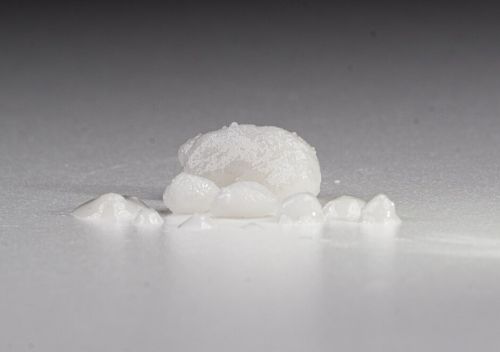
Not every Victorian cancer treatment began with the knife. Some began with the promise that cancer could be destroyed by chemical force, eaten away from the body through substances strong enough to kill diseased tissue and cause it to slough off. These treatments were often called caustic or escharotic remedies, from the eschar, or dead tissue, produced when a corrosive agent burned, blackened, or destroyed the surface to which it was applied. To modern eyes, such treatment can look indistinguishable from torture or quackery, and it was frequently both cruel and exploitative. Yet caustic cancer therapy occupied a more complicated place in nineteenth-century medicine. It belonged partly to regular surgical practice, partly to experimental therapeutics, partly to entrepreneurial “cancer cure” culture, and partly to the desperate search for alternatives to the operating table. Chemical destruction seemed to offer a different route to the same goal as surgery: remove the cancer by making it die.
Zinc chloride became one of the most important agents in this world of chemical surgery. Associated with the French physician Jean-Baptiste Canquoin and later with practitioners such as J. Weldon Fell, zinc chloride pastes were applied to tumors in the hope of destroying malignant tissue layer by layer. The paste could be mixed with flour, starch, or other materials to control its consistency and depth of action. In theory, this made it possible to attack a tumor without immediate excision, allowing the cancerous mass to necrose and separate from the body. Advocates sometimes presented this method as more precise, less bloody, or less terrifying than surgery. Some claimed that caustics could reach malignant tissue better than the knife, or that they stimulated the body to cast off the diseased part. The language surrounding zinc chloride often tried to make corrosion sound disciplined rather than savage: it was not merely burning, but a managed chemical operation. This distinction mattered because it helped caustic treatment borrow the authority of surgery while avoiding some of surgery’s most frightening associations. A patient might imagine the paste doing slowly and selectively what the surgeon’s knife would do suddenly and violently. That selectivity was difficult to practically guarantee. The same chemical power that made zinc chloride attractive also made it dangerous, because its action depended on concentration, duration, tissue condition, operator judgment, and the uncertain depth of the disease. Such claims were attractive in a period when many patients feared operation, when anesthesia was still unevenly trusted, and when surgical recurrence seemed to show that cutting alone often failed.
The experience for patients could be excruciating. Caustics did not politely distinguish cancer from healthy tissue. They burned, inflamed, ulcerated, and destroyed. Treatment might require repeated applications, prolonged dressing, foul discharge, and days or weeks of pain as tissue died and separated. A patient who chose caustic treatment to avoid the shock of surgery could find herself enduring a slower ordeal instead, one in which the operation was stretched across time. The tumor did not vanish cleanly; it softened, blackened, suppurated, and sloughed. The surrounding skin might be damaged, bleeding might occur, infection could follow, and incomplete destruction could leave malignant tissue behind. Chemical surgery replaced one kind of violence with another. The knife offered a single dramatic event; the caustic offered a prolonged process of burning, waiting, dressing, smelling, and hoping.
The appeal of escharotic treatment rested partly on the visual drama of success. A tumor that blackened, loosened, and fell away seemed to prove that the remedy had acted directly upon the cancer. Patients and practitioners could see something happening. In a disease defined by hidden spread and uncertain prognosis, this visible action carried enormous persuasive power. The sloughed mass could be displayed as evidence, much as a surgically removed tumor could be preserved in a jar. A caustic treatment created its own proof before the patient’s eyes: the diseased flesh changed color, separated, and sometimes left behind a wound that looked less monstrous than the tumor it replaced. That sequence could be interpreted as victory, especially when pain, smell, bleeding, or bulk temporarily improved. Family members, attendants, and practitioners could all witness the drama and repeat the story afterward as testimony. Escharotics generated a kind of therapeutic theater. The treatment made cancer visible as an enemy being conquered, even when the deeper biological course of the disease remained untouched. But the visible removal of diseased tissue was not the same as cure. A caustic might destroy a surface lesion while leaving deeper invasion untouched. It might remove the ulcerated portion of a breast cancer while malignant disease remained in the skin, glands, muscle, or internal organs. It might create a wound that looked cleaner for a time, only for cancer to return at the margins. The same sensory evidence that made caustics convincing could be misleading. The eye saw destruction and imagined eradication.
Caustic therapy also blurred the boundary between orthodox medicine and the medical marketplace. Some reputable surgeons used or discussed caustics as adjuncts or alternatives in selected cases, particularly for superficial cancers, inoperable lesions, or patients unwilling to submit to cutting. Escharotic cancer cures became a favorite terrain of irregular practitioners and commercial healers. Secret pastes, botanical compounds, arsenical preparations, and “painless” cancer remedies circulated through advertisements, testimonials, pamphlets, and private practice. Fell’s treatment, which combined zinc chloride with bloodroot and other materials, gained attention precisely because it seemed to offer a distinctive method outside ordinary surgical removal while still appealing to chemical and pathological reasoning. This mixture of science, secrecy, commerce, and hope was characteristic of Victorian cancer culture. The patient confronted not one medical system but many overlapping promises, each claiming to remove the thing that terrified everyone.
The history of caustics reveals a central truth about Victorian cancer treatment: brutality did not always look like surgery. A treatment could reject the knife and still be destructive, painful, and disfiguring. Chemical cancer therapy promised selectivity before medicine truly possessed it. It imagined that malignant tissue could be identified and killed by corrosive action, yet it lacked the biological precision to make that promise reliable. Still, the persistence of caustics should not be explained only by credulity. Patients accepted them because surgery was frightening, recurrence was common, pain was already present, and doing nothing felt like surrender. Practitioners used them because some tumors did slough, some wounds improved, some symptoms lessened, and some cases could be narrated as success. Caustics survived in the space between visible effect and uncertain cure. They burned the tumor, but they also exposed the deeper Victorian problem: destroying what could be seen did not mean mastering what cancer had become.
Women, Modesty, and Hidden Cancers: Breast, Uterine, and Gynecological Disease

Cancer in the Victorian era was never only a biological event. It was also shaped by gender, modesty, family duty, sexual propriety, and the social meaning of the body. This was true for breast, uterine, cervical, ovarian, and other gynecological cancers, where symptoms emerged in parts of the body governed by silence and embarrassment. A lump in the breast, irregular bleeding, pelvic pain, discharge, ulceration, or pain during intercourse might be medically significant, but it was not always easy to speak of such symptoms openly. Women often had to translate private bodily fear into language acceptable to husbands, relatives, and physicians, many of whom were men. The cancer might begin as a hidden suspicion, felt by the patient long before it became a medical fact. The first barrier to treatment was not always the tumor itself, but the social difficulty of naming it.
Breast cancer occupied a particularly charged place in Victorian medicine because the breast was both accessible and intimate. Unlike internal cancers, a breast lump could often be felt early by the woman herself. But discovery did not guarantee disclosure. The breast was associated with femininity, motherhood, sexuality, respectability, and marital identity, and examination by a male physician could feel humiliating or frightening. A woman might conceal a lump because it was painless, because she hoped it was benign, because she feared disfigurement, or because the reputation of breast surgery was terrifying. She might also delay because the first discovery of a breast lump placed her between two terrors: the fear that the swelling was cancer and the fear that confirming it would lead immediately to mutilating treatment. Victorian surgical language could make removal sound rational and necessary, but for the patient the prospect of operation carried consequences that were physical, emotional, sexual, and social. A breast operation might change how she dressed, moved, appeared to a husband, occupied her household role, or understood her own body. Even before surgery, the anticipation of exposure and judgment could be severe. The physician’s hand, the consulting room, the possibility of students or assistants, and the language of “diseased” female tissue all made diagnosis a moment of vulnerability. Removal of the breast was not merely the loss of diseased tissue. It altered the visible body, threatened ideals of womanhood, and could carry emotional consequences far beyond the surgical wound. Victorian surgical texts often discussed the breast as an anatomical and pathological site, but for patients it was also a deeply personal part of embodied life.
Uterine and cervical cancers were even more entangled with the politics of modesty. Their symptoms were often intimate, messy, and morally burdened: irregular bleeding, offensive discharge, pelvic pain, wasting, and changes in sexual or reproductive function. To report such symptoms required women to cross a boundary of decorum, particularly in a culture that often framed respectable femininity through restraint, purity, and silence about sexual organs. The pelvic examination itself could be controversial, and the speculum became one of the most symbolically charged instruments in nineteenth-century gynecology. Some physicians defended it as necessary for diagnosis; critics worried that it violated modesty, encouraged indecency, or exposed women to unnecessary humiliation. For cancer patients, this debate had practical consequences. A disease that required inspection might remain undiagnosed because inspection itself was socially difficult.
The problem was intensified by the structure of Victorian medical authority. Gynecology developed as a specialized field during the nineteenth century, but it did so within a strongly male professional culture. Male physicians claimed expertise over female reproductive bodies, often presenting themselves as rescuers of women from diseases that women themselves could not properly understand or describe. Women’s own testimony about pain, bleeding, discharge, or bodily change could be minimized, moralized, or filtered through assumptions about nerves, hysteria, menstruation, childbirth, sexuality, or marital life. This did not mean physicians were uniformly indifferent; many were attentive, skilled, and genuinely concerned. But the clinical encounter was unequal. The woman brought symptoms from the most private regions of her body into a setting where diagnosis required exposure and treatment might require cutting, cautery, caustics, pessaries, scraping, or major surgery. The very professionalization of gynecology could deepen this imbalance. As male specialists claimed technical authority over uterine and ovarian disease, women’s bodies became sites of both medical rescue and medical control. Instruments, case histories, hospital wards, and surgical demonstrations turned private suffering into professional knowledge. For cancer, this mattered because the diagnosis often depended on procedures that were not only physically uncomfortable but socially charged. A woman might have to permit examination of organs associated with menstruation, childbirth, marital sex, and fertility by a practitioner whose authority was reinforced by class, gender, education, and institutional status. Even when treatment was compassionate, the route to care could feel like surrender. The patient’s story had to be translated into a doctor’s categories, and her body had to become visible in ways Victorian respectability often taught her to resist. The path from suspicion to treatment passed through social vulnerability.
Delay should not be dismissed simply as ignorance. Victorian medical writers often complained that women waited too long before seeking help, especially in breast and uterine cancer. There was truth in the observation: many cancers reached surgeons only after ulceration, fixation, bleeding, discharge, or severe pain had developed. But delay had causes. Women might fear the diagnosis, the examination, the operation, the hospital, the loss of sexual or reproductive identity, the cost of treatment, or the burden their illness would place on the household. Married women might need a husband’s support or permission in practical terms, even if not always legally. Poor women might lack privacy, money, transportation, or time away from labor and caregiving. Respectable women might conceal symptoms to preserve modesty; working women might endure them because survival required continuing to work. By the time the disease became impossible to hide, the chance for effective treatment might already have narrowed.
The gendered history of Victorian cancer treatment complicates any simple story of medical progress. Breast and gynecological cancers were not merely clinical problems waiting for better instruments and operations. They were diseases experienced through shame, secrecy, dependence, and unequal authority. Surgery, caustics, cautery, and palliation acted upon bodies already shaped by cultural expectation. A tumor in the breast or uterus could threaten not only life but identity, marriage, motherhood, sexuality, household order, and respectability. Victorian doctors increasingly sought to make these cancers visible through examination, pathology, and operation, but visibility came at a cost. For many women, the movement from hidden symptom to medical treatment meant surrendering privacy to a system that could diagnose, expose, mutilate, and sometimes comfort, but only rarely cure with confidence.
Pain, Opiates, Nursing, and the Limits of Palliation
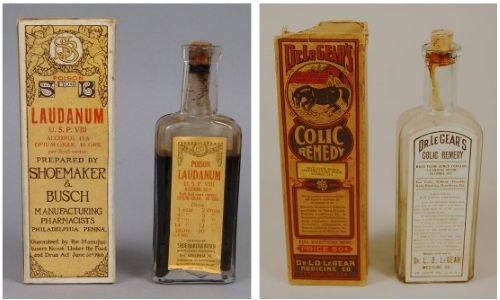
When Victorian cancer could not be cut out, burned away, or contained, treatment often shifted from cure to endurance. This did not mean that medicine had nothing left to do. It meant that the work of care moved toward pain, sleeplessness, odor, bleeding, discharge, fear, exhaustion, and the daily management of a body that could no longer be restored. Incurable cancer forced physicians, patients, and families to confront a problem that surgery could not solve: how to live, sometimes for months or years, with a disease that steadily narrowed the world. Palliation in the Victorian era was not yet a formal specialty, and it lacked the language of modern hospice, but the practical need was unmistakable. Cancer pain had to be dulled. Wounds had to be dressed. Offensive smells had to be masked. Appetite, bowels, sleep, anxiety, and despair had to be managed. The physician’s task became less heroic but no less important: to make the intolerable slightly more bearable.
Opiates stood at the center of this effort. Opium, laudanum, morphine, and related preparations were among the most powerful tools available to nineteenth-century physicians treating advanced cancer. They could ease severe pain, calm agitation, reduce diarrhea, encourage sleep, and soften the terror of terminal illness. The increasing medical use of morphine gave doctors a more direct way to address pain when swallowing became difficult or when oral preparations no longer seemed sufficient. Yet opiates were never simple medicines. They carried risks of sedation, constipation, nausea, dependence, confusion, respiratory depression, and moral unease. Constipation alone could become a serious practical problem for patients already weakened by poor appetite, immobility, abdominal disease, or obstruction. Sedation could be welcomed as mercy by one family and feared as disappearance by another. Victorian physicians often had to balance relief against fears of overuse, stupor, habit, or hastening death. The patient in agony might need more morphine; the doctor or family might worry that more morphine meant surrender. In this tension, pain relief became both a medical decision and a moral drama, shaped by the wish to comfort without seeming to abandon the struggle for life.
Cancer pain itself was difficult to describe and difficult to master. It could be sharp, burning, gnawing, lancinating, crushing, or exhausting. It could come from pressure on nerves, invasion of bone, ulceration, inflammation, obstruction, or the weight of a tumor pulling against tissue. Pain also changed the meaning of time. A surgical operation, however terrible, might last minutes or hours; cancer pain could structure every night, every meal, every movement, and every conversation. Victorian descriptions of malignant pain often carried a sense of inevitability, as though cancer announced its incurability by the persistence of suffering. Opiates could blunt this experience, but they rarely erased it completely. Their effect might wear off. The required dose might increase. The patient might drift between pain and stupor, wakefulness and drugged sleep, consciousness and relief. Palliation was not a cure for suffering so much as a negotiation with it.
Nursing made that negotiation possible. Much of Victorian cancer care occurred not in the dramatic space of the operating theater but in bedrooms, wards, sickrooms, and domestic interiors where women relatives, servants, nurses, and attendants performed the repeated labor of care. They changed dressings, washed skin, removed soiled linens, prepared food, administered medicines, ventilated rooms, managed bedclothes, cleaned discharge, and watched for bleeding or collapse. For ulcerating cancers, especially cancers of the breast, face, or uterus, nursing could be relentless. The wound might require frequent attention; the smell might return no matter how carefully it was treated; the patient might feel shame at the dependence imposed by disease. Nursing also required emotional tact. The caregiver had to manage the body without making the patient feel like an object of disgust, had to clean without recoiling, had to speak hope without lying too obviously, and had to preserve dignity in situations where the disease seemed determined to strip it away. This was true when cancers produced odors, stains, or discharges that made privacy difficult within crowded homes or hospital wards. In these settings, comfort was physical, emotional, and social. A clean dressing, a lowered lamp, a dose of laudanum, a hand held through the night, or the quiet removal of stained cloth could matter profoundly. Palliation was not only pharmacology. It was labor.
The Victorian sickroom also revealed the limits of professional medicine. A physician might visit, prescribe, inspect, and advise, but the continuous burden of care usually fell elsewhere. Families had to decide when to send for the doctor, when to increase a dose, when to change a dressing, when to accept that the disease had entered its final stage. In wealthier households, trained nurses or paid attendants could absorb some of this work; among the poor, care might be improvised under crowded and exhausting conditions. Hospitals offered access to professional care, but they also carried associations with poverty, infection, exposure, and death. For many patients, remaining at home preserved dignity and familiarity, but it also transferred suffering into the household. Cancer became a domestic event, reorganizing rooms, schedules, finances, sleep, and emotional life around the needs of the sick body.
Other palliative measures surrounded opiate use. Physicians might prescribe tonics, alcohol, sedatives, chloral hydrate, bromides, poultices, antiseptic washes, deodorizing applications, mild diets, purgatives, enemas, or topical preparations intended to soothe ulcerated surfaces. Some treatments were directed at symptoms rather than the cancer itself: controlling bleeding, reducing odor, easing constipation, calming cough, assisting sleep, or maintaining strength. Alcohol could be framed as stimulant, nourishment, or comfort. Diet might be adjusted to what the patient could tolerate. Dressings could be soaked, medicated, changed, layered, or perfumed. Such measures remind us that Victorian cancer care was not always aggressively interventionist. It could be humble, repetitive, and symptom-driven. But it was also limited by the absence of modern antibiotics, antiemetics, nerve blocks, radiation palliation, hospice protocols, and systematic pain medicine. Comfort depended heavily on judgment, availability, family capacity, and the patient’s ability to endure.
The later fame of the Brompton Cocktail should be treated as an heir to this older world rather than as a central Victorian institution. Mixtures of opiates, alcohol, sedatives, and later cocaine belonged to a longer history of trying to preserve comfort, appetite, mood, and consciousness in terminal disease, but the named Brompton preparation is more securely associated with twentieth-century palliative care. Its retrospective appeal lies in what it seems to represent: an attempt to treat the dying cancer patient as someone still capable of relief rather than merely as a failed surgical case. That distinction is important because Victorian cancer care often measured failure through the inability to cure, while patients and families lived in a different register, where a few hours of sleep, a less painful dressing change, or the ability to take broth could feel like a real victory. Comfort did not defeat cancer, but it could restore fragments of personhood that the disease threatened to consume. Victorian medicine did not possess modern palliative theory, but it did recognize the moral force of pain. When cure was impossible, the work of medicine did not end. It narrowed, softened, and became more intimate. The limits of palliation were severe, but its purpose was humane: to comfort where cutting and burning had reached the edge of their power.
Patent Medicines, Cancer Cures, and the Marketplace of Desperation

Victorian cancer patients did not choose only between the respectable surgeon and passive resignation. They lived in a crowded medical marketplace filled with physicians, surgeons, chemists, herbalists, itinerant specialists, religious healers, proprietary medicine vendors, newspaper advertisers, and self-proclaimed discoverers of secret cures. Cancer was vulnerable to this marketplace because it combined terror with uncertainty. It was painful, disfiguring, often recurrent, and frequently beyond the reach of effective treatment. Regular medicine could offer excision, amputation, caustics, opiates, and nursing, but it could not promise reliable cure. That failure left space for other voices. Wherever orthodox medicine admitted difficulty, the advertiser could offer certainty; wherever the surgeon offered mutilation, the vendor could offer painless removal; wherever the physician spoke cautiously, the cancer-cure entrepreneur could speak in absolutes.
Patent medicines flourished because they understood hope as a commodity. Their advertisements did not merely sell bottles, salves, powders, plasters, or drops; they sold a different emotional relationship to disease. The patient was told that cancer need not mean the knife, the hospital, the loss of a breast, or the slow humiliation of ulceration and pain. A secret formula might “purify the blood,” dissolve the tumor, draw out the cancer, restore the constitution, or cure what doctors had pronounced hopeless. The claims were often vague enough to apply broadly and bold enough to attract the desperate. Cancer was described as a poison, a humor, a parasite, a corruption, a constitutional disorder, or a local growth that could be expelled by the proper remedy. The language shifted depending on the product, but the promise remained stable: the disease that regular medicine feared could be mastered by a special knowledge withheld from ordinary doctors.
This was not simply a matter of ignorant patients being deceived by obvious frauds. The boundary between regular and irregular medicine was often porous. Some treatments promoted by unorthodox practitioners resembled methods used by legitimate physicians, especially caustics, poultices, botanical preparations, tonics, and escharotic pastes. Zinc chloride, arsenical compounds, bloodroot, and other corrosive or irritant substances could appear in both medical discussion and commercial cancer cures. A patient comparing options might not see a clean division between science and quackery. The hospital surgeon promised to remove tissue by force; the cancer specialist promised to remove it by paste. The physician prescribed opiates, tonics, or topical applications; the advertiser offered a proprietary mixture said to work more safely or more deeply. Even the language of “natural” or “secret” treatment did not always sound anti-medical to Victorian ears, because much respectable therapeutics still relied on empirical tradition, practitioner reputation, and substances whose mechanisms were poorly understood. Nor was orthodox medicine free from theatricality. Surgeons displayed removed tumors, published striking cases, and used the authority of dramatic intervention to prove that something real had been done. Irregular practitioners did the same with sloughed cancers, testimonials, before-and-after narratives, and promises of bloodless removal. The patient moved through a landscape in which many claims shared the same sensory evidence: a lump reduced, a wound altered, pain relieved, tissue detached, a doctor impressed, a witness convinced. The problem was not that the public stood outside medicine, but that medicine itself had not yet created a fully trustworthy boundary between evidence, experiment, commerce, and wishful thinking.
Testimonials were central to this economy of belief. Advertisements and pamphlets often depended on stories of sufferers restored after doctors had failed. The structure was familiar: a patient had been given up, an operation had been recommended or refused, ordinary treatment had brought no relief, and then the proprietary cure succeeded. These narratives were powerful because they turned private fear into public proof. They did not require statistical evidence; they offered named or semi-named examples, emotional detail, and the authority of apparent experience. The cured patient became evidence, the grateful family became witness, and the failed doctor became foil. For cancer, testimonials were persuasive because orthodox outcomes were themselves uncertain. If some surgical patients died, some recurred, and some survived, then a commercial cure needed only a few dramatic stories to seem plausible. Hope did not have to defeat evidence; it only had to exploit ambiguity.
The business structure of patent medicine strengthened its reach. Cheap newspapers, illustrated advertisements, mail-order commerce, handbills, almanacs, traveling agents, and chemists’ shops carried remedies far beyond the consulting room. A patient in a small town or rural household could encounter cancer cures without traveling to a major hospital. Proprietary medicines also gave patients a sense of agency. Buying a bottle or applying a salve allowed the sufferer or family to act when medical authority had offered little more than danger or despair. That agency could be empowering, but it could also be cruelly exploited. Money that might have supported nursing, food, travel, or legitimate medical advice could be consumed by repeated purchases of useless remedies. Worse, the promise of painless cure could delay surgery until a tumor became fixed, ulcerated, infected, or inoperable. Commercial hope had a medical cost.
Victorian regulation struggled to keep pace with this marketplace. Britain’s nineteenth-century medical reforms strengthened professional identity, and laws concerning pharmacy, poisons, and adulteration created some mechanisms of control, but they did not eliminate proprietary medicine advertising or secret remedies. Many cancer cures could survive because they were sold as household remedies, botanical treatments, external applications, tonics, or private methods rather than as formally tested drugs. In the United States, the patent medicine industry remained even more flamboyant, and meaningful federal regulation came only after the Victorian period. The result was an uneven world in which professional medicine denounced quackery while competing with it for patients who had good reason to be dissatisfied. Regular practitioners could condemn secret remedies, but their own treatments were often painful, risky, and uncertain. That made denunciation morally necessary and rhetorically difficult. The quack thrived not only because law was weak, but because legitimate medicine could not yet make cancer reliably curable.
The marketplace of cancer reveals one of the harshest truths of Victorian medicine: desperation was not irrational. Patients sought patent remedies because cancer was terrifying and because orthodox treatment often deserved fear. A woman facing mastectomy, a man with an ulcerating facial cancer, a poor patient unable to afford repeated consultations, or a family watching a tumor return after surgery might reasonably listen when another healer promised relief without mutilation. Many such promises were false, some were predatory, and some caused direct harm. But they flourished in the gap between medical ambition and medical effectiveness. That gap was emotional as much as therapeutic. It was filled with dread of the knife, memories of failed operations, rumors of miraculous recoveries, distrust of hospitals, the shame of visible disease, and the exhausting desire to keep trying one more thing. Patent medicines gave form to that desire. They allowed patients and families to postpone helplessness, even when the postponement was bought at the price of deception. Victorian cancer quackery was not an accidental sideshow to respectable treatment. It was part of the same world of uncertainty, pain, and hope. The surgeon, the caustic specialist, the patent medicine vendor, and the palliative physician all confronted the same disease; what differed was the honesty with which they admitted the limits of their power.
The Patient’s Body: Ulceration, Smell, Shame, Fear, and Domestic Labor
Cancer became most terrifying when it ceased to be hidden. A tumor that remained beneath the skin could be feared, watched, pressed, and discussed in anxious privacy, but an ulcerating cancer forced itself into the ordinary world of sight, smell, touch, and household routine. Advanced breast cancers, facial cancers, cancers of the mouth or jaw, and gynecological cancers could break the surface, bleed, ooze, crust, decay, and require constant attention. The disease no longer belonged only to the patient’s interior body or to the physician’s diagnostic imagination. It entered clothing, bedding, furniture, air, conversation, and memory. The body became difficult to conceal, and cancer became not merely an illness but a presence in the room. For Victorian patients and families, this sensory invasion was one of the disease’s cruelties. Cancer did not simply threaten death in the future; it made the body feel altered, exposed, and partly undone before death arrived.
Ulceration carried both physical and symbolic force. Medically, it meant the breakdown of tissue, the opening of a wound, and the risk of bleeding, infection, and increasing pain. Socially, it could make the patient’s suffering visible in ways that undermined privacy and self-command. A breast tumor that ulcerated through the skin, a facial cancer that destroyed the nose or lip, or a malignant wound that refused to close could transform the patient’s appearance and daily life. Dressings might hide the wound, but they could not always hide its consequences. Cloth might stain. Odor might escape. Pain might show in posture, movement, speech, and sleep. The wound could also change how the patient imagined the boundary of the self. Skin ordinarily protected privacy, wholeness, and social presentation; when cancer opened that surface, the interior body seemed to become public. What had once been contained now required handling, cleaning, and inspection. This was devastating in a culture that attached moral and social meaning to bodily discipline. Victorian culture placed great value on composure, cleanliness, modesty, and the managed presentation of the body; ulcerating cancer attacked all of these at once. The patient had to endure not only the disease but the humiliating knowledge that the disease could be seen, smelled, and handled by others. The shame was not simply vanity. It was a fear that illness had made the person less governable, less private, and more dependent than respectable adult identity was supposed to allow.
Smell deserves special attention because it made cancer socially invasive. The odor of necrotic tissue, discharge, blood, and infected wounds could be difficult to control even with washing, ventilation, perfumes, charcoal, antiseptic washes, poultices, or frequent dressing changes. In modern medical writing, odor is often treated as a symptom to be managed, but in the nineteenth-century sickroom it could carry heavier meanings. It suggested decay, corruption, uncleanness, and the nearness of death. It could produce shame in the patient and revulsion, pity, or exhaustion in caregivers. A smell that lingered in a bedroom could make the whole household conscious of illness. It might affect visitors, servants, children, spouses, and neighbors. For patients already frightened of becoming burdensome, odor could become emotionally devastating. They might fear not only dying, but becoming offensive to those they loved.
The labor required to manage such disease was immense. Ulcerating cancers needed repeated dressing, washing, padding, disposal of soiled cloth, and attention to bleeding or discharge. Bedding had to be changed; garments had to be cleaned or replaced; rooms had to be aired; medicines had to be administered; food had to be prepared around nausea, pain, or weakness. Much of this labor fell to women: wives, daughters, mothers, sisters, servants, neighbors, religious visitors, and, increasingly by the later nineteenth century, trained nurses. The physician might prescribe, cut, cauterize, or inspect, but the daily management of the cancerous body usually belonged to the domestic world. That work could be tender, intimate, and morally valued, but it was also exhausting. It required physical stamina and emotional discipline. A caregiver might have to clean a wound while suppressing fear, disgust, grief, or panic, because the patient’s dignity depended on not seeing those reactions reflected back. The work also demanded repetition without the reassurance of improvement. A wound cleaned in the morning might soil its dressings again by afternoon; a room aired one hour might smell again the next; a patient soothed to sleep might wake in pain before midnight. This was care without triumph, labor performed in the shadow of likely loss. It could deepen affection, but it could also produce fatigue, resentment, guilt, and helplessness. The domestic ideal of loving attendance concealed the bodily difficulty of the work itself: the lifting, washing, wiping, laundering, dosing, watching, and waiting that kept the patient alive and socially held together.
This domestic labor also reveals the class dimensions of cancer care. Wealthier patients could sometimes secure private rooms, hired nurses, better linens, more frequent medical visits, and supplies for dressings, deodorizing agents, nourishing foods, and opiates. Poorer patients might suffer in crowded rooms where privacy was minimal and where the practical burdens of illness collided with work, childcare, rent, and food. A malignant wound in a single room occupied by a family was not the same social experience as a wound managed in a spacious sickroom with servants. The difference was not only comfort but dignity. Space allowed smells to be contained, visitors to be controlled, bedding to be changed, and the sick person to be separated from the ordinary traffic of domestic life. Poverty made the sick body harder to hide and harder to tend. When a family depended on wages, caregiving could mean lost income; when linens were few, washing became urgent; when rooms were crowded, shame became almost impossible to escape. Hospitals could provide nursing and surgical attention, but they could also mean separation from home, exposure to institutional routines, and the stigma of charity care. They might offer relief to families overwhelmed by care, yet entering a hospital could feel like surrendering the patient to poverty, experiment, or death. The patient’s body became a site where medicine, household economy, and social hierarchy met. Cancer did not distribute suffering evenly, because the resources available to manage suffering were profoundly unequal.
Fear surrounded every stage of this bodily decline. Patients feared pain, disfigurement, smell, abandonment, operation, recurrence, and the moment when the disease would become unmistakably terminal. Families feared helplessness, expense, contagion-like disgust even when cancer was not understood simply as contagious, and the emotional burden of watching a loved one visibly deteriorate. Physicians feared being called too late, operating too aggressively, doing too little, or being exposed as powerless. Cancer could produce a terrible oscillation between hope and dread: perhaps the wound was cleaner today; perhaps the bleeding had stopped; perhaps the pain was less; perhaps the tumor was smaller; perhaps the next consultation would help. Then discharge returned, pain intensified, or a new lump appeared. The body became an unreliable messenger, offering temporary improvements that could be mistaken for recovery and new symptoms that confirmed the family’s worst imaginings.
The patient’s body was not a passive object on which Victorian medicine acted. It was the center of a social drama involving shame, care, labor, interpretation, and endurance. Surgery and caustics attacked the tumor; opiates dulled pain; patent remedies promised escape; but the daily reality of cancer often unfolded in the handling of wounds, the changing of linen, the masking of smell, and the effort to preserve dignity when the body seemed to betray it. This is why Victorian cancer treatment cannot be understood only through operations and medical theories. The disease lived in the sickroom as much as in the surgical text. It forced families and caregivers to perform the work that medicine could not complete. In that work, one sees both the brutality of cancer and the quieter forms of compassion that surrounded it: the washing, dressing, feeding, watching, and comforting that continued after cure had ceased to be credible.
The Late-Victorian Edge of Modern Oncology: X-Rays, Radium, and New Hope
The closing years of the Victorian era opened a new chapter in cancer treatment by introducing forces that seemed almost magical: invisible rays, radiant minerals, photographic shadows, and the possibility that disease could be seen or attacked without the familiar brutality of the knife. Wilhelm Conrad Röntgen’s discovery of X-rays in 1895 and the Curies’ work on radium at the end of the decade did not immediately create modern oncology. The transformation was slower, experimental, hazardous, and often confused. Yet these discoveries changed medical imagination almost at once. They suggested that the hidden interior of the body might be made visible before death, and that tumors might be treated not only by cutting, burning, poisoning, or numbing, but by exposing them to invisible energies. For a disease long known through touch, smell, ulceration, and late-stage crisis, this was a profound shift. Cancer might no longer have to wait until it broke the surface to become medically legible.
X-rays first entered medicine as a diagnostic wonder. Bones, bullets, foreign bodies, and anatomical shadows could be seen in ways earlier physicians and surgeons had never possessed. For cancer, the immediate diagnostic value was limited compared with later radiology. Early X-ray images were crude, exposure times could be long, and soft tissue tumors were not easily rendered with the clarity later generations would expect. Still, the conceptual importance was enormous. The body could be penetrated by vision without being opened by the knife. Even when X-rays did not yet reveal every tumor, they weakened the old dependence on surface signs and postmortem certainty. Victorian cancer diagnosis had been built around what could be seen, touched, smelled, or inferred. Radiology promised a future in which the hidden body might speak before the disease reached its most destructive stage.
Therapeutically, X-rays quickly attracted attention because they visibly affected tissue. Physicians and experimenters observed skin redness, hair loss, burns, ulceration, and other changes after exposure. What injured healthy tissue might also injure diseased tissue. This was the beginning of a new therapeutic logic: cancer might be destroyed not by steel or caustic paste, but by directed radiation. Early treatments were attempted for superficial tumors, skin cancers, breast lesions, lupus, and other conditions. There was excitement, but there was also danger. Dosage was poorly understood, protective measures were primitive, and early operators often exposed themselves and their patients to harm. Radiation burns could be severe, chronic ulcers could develop, and the very agent imagined as a cure could become a source of injury. Early radiotherapy repeated an older therapeutic pattern in a strikingly modern form. Like the knife and the caustic paste, radiation promised to destroy diseased tissue; unlike them, it acted invisibly, which made its effects both wondrous and difficult to control. The physician could not watch the ray cut or burn in the ordinary sense. He could only observe the delayed response of skin and tumor, then infer how much invisible force had been delivered. That uncertainty made early treatment quite hazardous. Too little exposure might do nothing; too much could create wounds as terrible as those caused by corrosive chemicals. Like caustics, early radiation promised selective destruction before medicine fully understood how to make destruction selective.
Radium intensified this sense of wonder. Discovered in 1898, it seemed to possess a mysterious, continuous energy, something that glowed, penetrated, and acted without ordinary chemical or mechanical force. Radium soon acquired an aura that was scientific and commercial, medical and almost mystical. Its use in cancer treatment belonged mainly to the early twentieth century rather than the strict Victorian period, but its discovery at the end of Victoria’s reign marks the threshold of a new therapeutic age. Radium needles, tubes, plaques, and applications would later be used to treat accessible tumors, especially in gynecological cancers, skin lesions, and other localized disease. In retrospect, the discovery of radium appears as one of the gateways from Victorian surgical oncology into modern radiation therapy. At the time, it was not yet a mature treatment. It was a hope, a substance, an experiment, and a promise.
The appeal of radiation lay partly in its contrast with older cancer treatment. Surgery removed organs and flesh. Caustics burned and sloughed tissue. Amputation sacrificed limbs. Radical mastectomy carved cancer’s presumed pathway through the chest and armpit. X-rays and radium seemed to offer something different: action without immediate mutilation. A patient could imagine treatment that entered the body without a large incision, that attacked disease while leaving the outward form less violently altered, that might reach places inaccessible to the surgeon’s hand. This hope should not be understated. For patients terrified of disfigurement, exposure, pain, and recurrence, radiation appeared to shift cancer treatment away from the old visible violence of cutting and burning. It also seemed to change the moral atmosphere of treatment. The patient did not necessarily have to be strapped, cut, opened, or chemically corroded; she might instead sit, lie still, or submit to a controlled exposure administered by instruments that looked like the future. This mattered in a culture already fascinated by electricity, photography, laboratory science, and invisible forces. Radiation therapy could be imagined as cleaner, more exact, and more modern, even before it had earned those qualities. Yet the shift was incomplete. Radiation could burn, scar, ulcerate, and fail. It could leave patients with injuries that developed slowly and were not always recognized immediately as treatment damage. It was not the end of brutality, but the invention of a new form of it, wrapped in the language of modern science.
Early radiation also continued the Victorian habit of interpreting visible tissue change as therapeutic proof. If a tumor shrank, ulcerated, dried, softened, or changed under exposure, that visible response could be taken as evidence of success. But response was not the same as cure. A lesion might improve locally while cancer persisted beneath or beyond it. A superficial tumor might respond better than a deep malignancy. A patient might experience relief without long-term survival. These ambiguities were familiar from surgery and caustics, but radiation gave them a new technological form. The machine or radioactive substance seemed to carry an authority different from the surgeon’s hand or the patent medicine bottle. It belonged to physics, laboratories, electricity, photography, and the modern conquest of invisible forces. That authority could make early claims of success persuasive, even when clinical evidence remained limited. Radiation also complicated the relationship between evidence and spectacle. The X-ray image itself could be shown; the machine could be demonstrated; the mysterious ray could be described as penetrating flesh and revealing hidden truth. Even when cancer treatment results were uncertain, the technology surrounding them looked undeniably powerful. This visual and technological authority could strengthen confidence before clinical method had caught up. As with caustic sloughing or surgical removal, what could be seen (a shadow, a burn, a shrinking lesion, a changed surface) risked being mistaken for what had been proven. The deeper question remained unanswered: had the disease truly been controlled, or had medicine merely produced another visible sign of action?
The late-Victorian arrival of X-rays and radium did not simply replace old cancer treatments. It joined them. Surgery continued. Caustics continued. Opiates continued. Patent cures continued. Patients and physicians now added radiation to an expanding field of possibility, not to a settled program of oncological care. The new technologies did begin to change the scale of expectation. Cancer might be imaged, localized, irradiated, measured, and followed in ways that earlier medicine could scarcely imagine. The disease was beginning to move from the sickroom and operating theater into the laboratory, the radiology room, and the technological clinic. That movement was not immediate, and it was not equally available to all patients. But it marked a decisive change in the story: the fight against cancer was becoming bound to machines and invisible energies as much as to hands and knives.
This threshold matters because it complicates the boundary between Victorian and modern medicine. The late nineteenth century did not end with cancer conquered; it ended with new tools that expanded both hope and harm. X-rays and radium promised earlier diagnosis, less invasive treatment, and a scientific alternative to mutilating surgery. They also introduced radiation burns, unsafe exposures, overconfidence, and new uncertainties about dosage and long-term effects. The pattern was familiar: medicine gained power before it fully gained control. That had already happened with anesthesia and antisepsis, which made more radical surgery possible before cancer biology was fully understood. Radiation repeated the pattern in a new register. It illuminated and irradiated, but it did not yet reliably cure. At the edge of modern oncology, Victorian cancer treatment did not become gentle. It became more technologically ambitious, more hopeful, and still deeply uncertain.
Why Brutal Treatments Persisted: Evidence, Authority, Recurrence, and Hope

The persistence of brutal Victorian cancer treatments cannot be explained simply by cruelty, ignorance, or professional arrogance. Surgery, caustics, amputation, radical excision, opiates, and commercial cancer cures endured because they operated in a world where evidence was partial, outcomes were difficult to measure, and the natural course of cancer was poorly understood. A tumor removed from the body seemed like a fact. A wound that healed seemed like success. A patient who lived months or years after operation could be presented as proof that intervention had worked. A cancer that recurred could be explained as an unfortunate delay, an incomplete operation, a constitutional weakness, or the unavoidable severity of the disease. Victorian practitioners and patients were not always choosing between proven cure and obvious failure. More often, they were choosing among uncertain possibilities, each carrying its own danger. Brutality persisted because it could still be made to look rational in the presence of visible disease and limited alternatives.
The problem of evidence was central. Nineteenth-century medicine increasingly valued case reports, hospital records, pathological specimens, and published surgical results, but it did not yet possess the full apparatus of modern clinical trials, standardized staging, long-term survival analysis, randomized comparison, or population-level cancer registries. A surgeon could report that a tumor had been removed successfully, that the wound had healed, and that no local recurrence was visible after a certain period. But what did that mean? Was the patient truly cured, temporarily relieved, or merely not followed long enough? Did a death from internal disease two years later count as recurrence, constitutional decline, or something unrelated? Were favorable cases more likely to be published than failures? Were patients who returned to hospital representative of all those treated? These questions matter because Victorian evidence was often strongest where cancer was most visible: the tumor, the wound, the scar, the enlarged gland. It was weakest where cancer was most dangerous: the invisible spread already taking place beyond the surgeon’s field. The result was a medical culture in which immediate, local, and dramatic outcomes could carry more persuasive weight than long-term uncertainty.
Authority helped stabilize this uncertainty. The reputation of the surgeon, physician, hospital, medical school, or published text could make a treatment appear more reliable than its outcomes justified. Eminent practitioners did not merely perform operations; they created standards of judgment. When a respected surgeon argued that wider excision reduced recurrence, his authority shaped what other surgeons saw when they reviewed their own failures. When pathological anatomy emphasized local tissues and lymphatic involvement, it reinforced the idea that more complete removal might solve the problem. When antisepsis made large operations survivable, surgical authority became even more confident. This did not mean that Victorian surgeons were cynical. Many were deeply serious, observant, and committed to improving results. But professional authority could turn partial knowledge into practice before the limits of that knowledge had been fully exposed. Once a treatment became associated with scientific modernity, hospital discipline, and elite surgical skill, resistance to it could look like timidity rather than caution.
Recurrence was the great engine of escalation. Cancer’s return after treatment did not necessarily discredit surgery or caustics; often it intensified them. If a breast cancer returned after limited excision, perhaps the breast should have been removed. If it returned after removal of the breast, perhaps the skin, fascia, muscles, and axillary glands should have been taken as well. If a caustic failed, perhaps it had not been applied deeply enough or long enough. If a tumor reappeared at the margin, perhaps the original destruction had been incomplete. This logic was emotionally powerful because it transformed failure into instruction. The treatment had not been wrong; it had not been sufficiently thorough. In a disease that repeatedly mocked boundaries, the answer became wider boundaries. Yet this reasoning could become circular. Every recurrence seemed to demand more aggressive local control, even when recurrence might have meant that the disease was already systemic. The problem was sharpened by the way recurrence presented itself to the senses. A new nodule near the scar, a hardening in the axilla, a reopened ulcer, or a thickened edge of skin seemed to point backward to the site of the earlier intervention and accuse it of inadequacy. The visible return of disease made the failure look anatomical: something had been left behind. It was much harder to imagine an invisible systemic process that had already begun before the operation, because that process left no comparable sign at the moment of decision. Surgical memory became local memory. The place where cancer returned became the place where the next operation would be expanded. Victorian cancer treatment often treated the visible return of cancer as a map for the next assault, even when the map was misleading.
Patients and families also helped sustain these treatments, not because they were foolish but because hope has its own logic under mortal pressure. A person facing cancer did not encounter treatment as an abstract medical debate. The choices were immediate and bodily: submit to surgery, try a caustic, seek another opinion, buy a proprietary cure, endure the pain, accept opiates, or wait. Doing nothing could feel morally and emotionally impossible. Families might urge action because inaction seemed like abandonment. Patients might accept disfigurement because the alternative was an ulcerating tumor, a foul wound, or a slow death already underway. Even temporary improvement mattered. A shrinking mass, a cleaner wound, a few months without recurrence, or relief from bleeding and odor could justify a treatment in the eyes of those living through the disease. The modern distinction between cure and palliation was often blurred by lived need. If a brutal treatment bought time, reduced shame, or made the body more manageable, it could be remembered as worthwhile even when it failed to defeat cancer.
This is why the persistence of brutal cancer treatments should be read as a product of the entire Victorian medical world: its evidence, its institutions, its professional ambitions, its commercial marketplace, and its patients’ desperation. Treatments endured because they produced visible effects, because authorities defended them, because failures could be reinterpreted, and because hope remained necessary even when medicine was weak. The same culture that produced radical surgery also produced caustic pastes and cancer cures; the same uncertainty that made quackery profitable made surgical escalation plausible. Victorian cancer medicine was not static. It learned, adapted, recorded, and argued. But it was trapped by a disease whose most important movements were often invisible. Brutality persisted because medicine could act more easily than it could know. The knife, paste, opiate bottle, hospital record, and advertisement all promised some form of control over a disease that continually exceeded control.
Were Victorian Cancer Treatments Really Just Brutal Failure?
The following video from “victorian medicine” discusses treatment of cancer in the early 20th century:
A legitimate concern here is that “brutal failure” can become too easy a judgment. It risks turning Victorian cancer care into a morality play in which modern medicine looks back on the nineteenth century with superior pity and disgust. Many Victorian treatments were painful, disfiguring, dangerous, and often ineffective, but they were not necessarily irrational within their own medical world. Surgeons did not invent radical operations because they enjoyed mutilation; they expanded operations because cancer visibly recurred after narrower ones. Physicians did not use opiates because they had abandoned patients; they used them because pain demanded relief. Practitioners did not always apply caustics out of fraud; some believed chemical destruction offered a real alternative when cutting was impossible or feared. Even the boundary between “regular” treatment and “quack” remedy was less obvious to patients than later medical narratives often imply. The Victorian cancer patient faced a field of bad choices, and modern historians must be careful not to confuse limited efficacy with simple stupidity.
This matters most in surgery. Radical mastectomy, amputation, excision, and lymph-node removal can look, from a later perspective, like excessive local violence directed at a disease that was often already systemic. Yet that interpretation depends on later knowledge of cancer biology, metastasis, staging, and tumor variation. To a late nineteenth-century surgeon, local recurrence was not an abstract statistical problem; it was a visible and devastating fact. A breast cancer returned in the scar. Axillary glands hardened. Skin ulcerated. The chest wall became involved. The patient suffered through bleeding, smell, pain, and renewed disfigurement. If recurrence appeared near the site of the first operation, it was reasonable to ask whether the first operation had been too limited. More radical surgery could appear not as cruelty but as prevention. It was an attempt to spare the patient the horror of local return, and in some cases it probably did improve local control. That achievement should not be dismissed merely because later medicine learned that local control and cure were not always the same thing.
Nor should palliation be treated as failure simply because it did not cure. Victorian cancer care often became most humane when it stopped pretending that cure was likely and turned toward comfort: opium, morphine, laudanum, alcohol, sedatives, nursing, dressings, ventilation, food, and presence. These measures could not reverse malignant disease, but they could lessen pain, preserve dignity, and make the sickroom more bearable. A patient who slept after days of agony, a wound that smelled less offensive, a dressing change made gentler by opiates, or a family relieved by practical nursing had received real care. Comfort could also protect relationships. It allowed patients to remain recognizable to themselves and to others for as long as possible, to speak, eat, pray, rest, or say farewell without pain consuming every moment. Palliation was not a lesser medicine simply because it lacked curative power. It addressed the part of cancer that surgery often intensified or ignored: the lived experience of suffering. Modern medicine often distinguishes sharply between curative and palliative treatment, but for Victorian patients the line could be less clear and less important than immediate suffering. A treatment that made the wound cleaner, the room more tolerable, the night less terrifying, or the patient less ashamed could matter deeply even when the disease continued to advance. If surgery offered a chance, caustics offered a visible attack, and opiates offered relief, then each treatment occupied a different place in the moral economy of illness. Cure was not the only measure of meaning.
The same caution applies to treatments now dismissed as caustic, irregular, or commercial. Many patent medicines and cancer cures were exploitative, and some actively harmed patients by delaying better care or applying corrosive substances under false promises. But the popularity of such remedies was not simply evidence of gullibility. Orthodox medicine itself was frightening, painful, expensive, and uncertain. A woman facing mastectomy, a man with a facial tumor, or a poor patient told that nothing could be done might reasonably search for another answer. Testimonials, secret formulas, and painless-cure advertisements were manipulative, but they succeeded because they spoke to real fears that respectable medicine often intensified rather than relieved. The existence of quackery reflects not only the dishonesty of sellers but the inadequacy of the therapeutic world in which patients had to choose. Commercial hope flourished because official hope was so limited.
This does not overturn my main argument; it refines it. Victorian cancer treatment was brutal, but not merely brutal. It was often sincere, observant, technically ambitious, emotionally charged, and sometimes palliative or locally useful. Its tragedy lay in the mismatch between power and understanding. Victorian medicine had learned to cut more safely, burn more deliberately, classify more carefully, record more systematically, and relieve pain more effectively than before. But it still could not reliably distinguish early from advanced disease, local from systemic spread, temporary control from cure, or necessary intervention from excessive harm. The strongest interpretation is not that Victorian cancer treatments were only failures. It is that they were partial successes trapped inside larger failures of knowledge. They could remove a tumor, heal a wound, ease pain, and comfort the dying, but they could rarely master the disease they had begun to confront with such terrible confidence.
Conclusion: Care at the Edge of Cure
ictorian cancer treatment stood at the edge of cure, but most often could not cross it. The era’s physicians and surgeons inherited an old terror of cancer and transformed it with new tools: anesthesia, antisepsis, pathology, microscopy, hospital surgery, case reporting, X-rays, and the first radiating hopes of radium. These changes mattered. They made cancer more visible, more classifiable, and more aggressively treatable than it had been before. But they also intensified the central problem. Medicine could now attack cancer with greater confidence before it fully understood the disease’s hidden movements. The result was a therapeutic world in which progress and brutality were not opposites. They advanced together. The safer operation could become the larger operation; the cleaner wound could encourage the wider excision; the visible tumor could invite the false hope that all cancer was visible enough to remove.
The treatments themselves reveal this uneasy mixture of ambition and limitation. Surgery cut out tumors, breasts, limbs, glands, muscles, and surrounding tissues in the hope that malignant disease could be separated from the body by force. Caustics and escharotics burned cancer chemically, promising an alternative to the knife while often producing another form of agony. Opiates, dressings, nursing, and domestic care softened the suffering that curative medicine could not end. Patent medicines and secret cures exploited fear, but they also exposed the poverty of official hope. Patients did not live in a world of good options. They chose among pain, mutilation, delay, recurrence, expense, shame, and the possibility that doing something might be better than waiting for the disease to declare itself incurable. Victorian cancer care was not one story but many: operating theater, sickroom, pharmacy, advertisement, hospital ward, pathological museum, and household bedside.
The deepest tragedy was that Victorian medicine often mistook local control for mastery. Cancer appeared as a lump, ulcer, gland, wound, discharge, or visible mass, and so treatment pursued what could be seen, touched, burned, cut, or dressed. Yet the disease often exceeded those boundaries. It could recur at the edge of a scar, spread through lymphatic channels, hide in internal organs, or remain invisible until surgery had already become too late. This does not mean that Victorian treatments were meaningless. Some relieved pain. Some removed foul and ulcerating disease. Some extended life. Some restored dignity for a time. Some represented genuine technical progress. But the age lacked the diagnostic precision, biological understanding, systemic therapies, and statistical methods needed to know when an intervention was curative, when it was palliative, and when it merely transformed suffering into another form.
To call Victorian cancer treatment brutal is accurate, but incomplete. Its brutality came not only from cruelty, ignorance, or indifference, but from care operating under conditions of profound uncertainty. Doctors cut because visible disease seemed removable. They burned because chemical destruction seemed to offer another route to the same goal. They drugged because pain demanded mercy. Families nursed because the body still needed washing, feeding, dressing, and comforting after medicine had reached its limits. Victorian cancer care was a medicine of terrible confidence and honest helplessness, of scientific advance and bodily devastation, of hope sold dearly and comfort given quietly. It belongs to the history of modern oncology not as a primitive embarrassment but as a warning: medical power is most dangerous when it outruns medical understanding, and most humane when it remembers that care does not end where cure fails.
Bibliography
Affiliate disclosure: Amazon links on this site are paid links. As an Amazon Associate I earn from qualifying purchases.
- Ackerknecht, Erwin H. “Historical Notes on Cancer.” Medical History 2:2 (1958), 114–119.
- Acton, William. The Functions and Disorders of the Reproductive Organs in Childhood, Youth, Adult Age, and Advanced Life. London: John Churchill, 1857.
- Anstie, Francis E. Stimulants and Narcotics: Their Mutual Relations, with Special Researches on the Action of Alcohol, Aether, and Chloroform on the Vital Organism. London: Macmillan, 1864.
- Armstrong, David. A New History of Identity: A Sociology of Medical Knowledge. Basingstoke: Palgrave, 2002.
- Aronowitz, Robert A. Unnatural History: Breast Cancer and American Society. Cambridge: Cambridge University Press, 2013.
- Baskar, Rajamanickam, Kuo Ann Lee, Richard Yeo, and Kheng Wei Yeoh. “Cancer and Radiation Therapy: Current Advances and Future Directions.” International Journal of Medical Sciences 9:3 (2012), 193–199.
- Becquerel, Henri. “Sur les radiations émises par phosphorescence.” Comptes rendus hebdomadaires des séances de l’Académie des sciences 122 (1896), 420–421.
- Behlmer, George K. “Grave Doubts: Victorian Medicine, Moral Panic, and the Signs of Death.” Journal of British Studies 42:2 (2003), 206-235.
- Bennett, J. Hughes. On Cancerous and Cancroid Growths. Edinburgh: Sutherland and Knox, 1849.
- Bernier, Jacques, Eric J. Hall, and Amato J. Giaccia. “Radiation Oncology: A Century of Achievements.” Nature Reviews Cancer 4:9 (2004), 737–747.
- Bland-Sutton, John. Tumours, Innocent and Malignant: Their Clinical Features and Appropriate Treatment. London: Cassell and Company, 1893.
- Butlin, Henry T. The Operative Surgery of Malignant Disease. London: J. and A. Churchill, 1900.
- Bynum, W. F. Science and the Practice of Medicine in the Nineteenth Century. Cambridge: Cambridge University Press, 1994.
- Canquoin, Jean-Baptiste. Mémoire sur un nouveau mode de traitement du cancer. Paris: Béchet Jeune, 1838.
- Cheyne, W. Watson. Antiseptic Surgery: Its Principles, Practice, History, and Results. London: Smith, Elder, and Co., 1882.
- Clark, David. To Comfort Always: A History of Palliative Medicine since the Nineteenth Century. Oxford: Oxford University Press, 2016.
- Cooper, Astley. Lectures on the Principles and Practice of Surgery. London: Thomas and George Underwood, 1824–1827.
- Curie, Pierre, Marie Curie, and Gustave Bémont. “Sur une nouvelle substance fortement radioactive, contenue dans la pechblende.” Comptes rendus hebdomadaires des séances de l’Académie des sciences 127 (1898), 1215–1217.
- Ellis, Harold. A History of Surgery. London: Greenwich Medical Media, 2001.
- Erichsen, John Eric. The Science and Art of Surgery. London: Walton and Maberly, 1853.
- Fagge, C. Hilton, and P. H. Pye-Smith. The Principles and Practice of Medicine. 2 vols. London: J. and A. Churchill, 1886.
- Faguet, Guy B. The War on Cancer: An Anatomy of Failure, a Blueprint for the Future. Dordrecht: Springer, 2005.
- Fell, J. Weldon. A Treatise on Cancer, and Its Treatment. London: John Churchill, 1857.
- Gaw, Jerry L. A Time to Heal: The Diffusion of Listerism in Victorian Britain. Philadelphia: American Philosophical Society, 1999.
- Goldhill, Simon. “A Mother’s Joy at Her Child’s Death: Conversion, Cognitive Dissonance, and Grief.” Victorian Studies 59:4 (2017), 636-657.
- Grigg, Erik R. N. The Trail of the Invisible Light: From X-Strahlen to Radio(bio)logy. Springfield, IL: Charles C. Thomas, 1965.
- Gross, Samuel D. A Practical Treatise on Tumors of the Mammary Gland. New York: D. Appleton and Company, 1880.
- Hajdu, Steven I. “A Note from History: Landmarks in History of Cancer, Part 3.” Cancer 118:4 (2012), 1155–1168.
- Halsted, William S. “The Results of Operations for the Cure of Cancer of the Breast Performed at the Johns Hopkins Hospital from June, 1889, to January, 1894.” Annals of Surgery 20:5 (1894), 497–555.
- Jalland, Pat. Death in the Victorian Family. Oxford: Oxford University Press, 1996.
- Lawrence, Christopher. Medicine in the Making of Modern Britain, 1700–1920. London: Routledge, 1994.
- Lerner, Barron H. The Breast Cancer Wars: Hope, Fear, and the Pursuit of a Cure in Twentieth-Century America. Oxford: Oxford University Press, 2003.
- Lister, Joseph. “On the Antiseptic Principle in the Practice of Surgery.” The Lancet 90:2299 (1867), 353–356.
- Lister, Joseph. “Illustrations of the Antiseptic System of Treatment in Surgery.” The Lancet 90:2309 (1867), 668–669.
- Liston, Robert. Practical Surgery. 4th ed. London: John Churchill, 1846.
- Loeb, Lori Anne. Consuming Angels: Advertising and Victorian Women. New York: Oxford University Press, 1994.
- Loison, Laurent. “The Microscope against Cell Theory: Cancer Research in Nineteenth-Century France.” History and Philosophy of the Life Sciences 71:3 (2016), 271-292.
- MacGregor, A. B. “The Search for a Chemical Cure for Cancer.” Medical History 10:4 (1966), 374–385.
- Marsden, Alexander. A New and Successful Mode of Treating Certain Forms of Cancer. London: John Churchill and Sons, 1869.
- Martins, Paulo Nuno. “A Brief History about Radiotherapy.” International Journal of Latest Research in Engineering and Technology (IJLRET) 4:2 (2018), 8-11.
- Meyer, Willy. “An Improved Method of the Radical Operation for Carcinoma of the Breast.” Medical Record 46 (1894), 746–749.
- Moscucci, Ornella. The Science of Woman: Gynaecology and Gender in England, 1800–1929. Cambridge: Cambridge University Press, 1993.
- Mould, Richard F. A Century of X-Rays and Radioactivity in Medicine. Bristol: Institute of Physics Publishing, 2018.
- Mukherjee, Siddhartha. The Emperor of All Maladies: A Biography of Cancer. New York: Scribner, 2010.
- Murrell, William. What to Do in Cases of Poisoning. London: H. K. Lewis, 1889.
- Nightingale, Florence. Notes on Nursing: What It Is, and What It Is Not. London: Harrison, 1860.
- Paget, James. Lectures on Surgical Pathology. 2 vols. London: Longman, Brown, Green, and Longmans, 1865.
- Pattison, Granville Sharp. Cancer: It’s True Nature, Treatment, & Cure, Illustrated by Cases. London: Charles Westerton, 1855.
- Plesca, Mihai, Marius Bordea, Bogdan El Houcheimi, Eugenia Ichim, and Angela Blidaru. “Evolution of Radical Mastectomy for Breast Cancer.” Journal of Medicine and Life 9:2 (2016), 183–186.
- Poovey, Mary. Uneven Developments: The Ideological Work of Gender in Mid-Victorian England. Chicago: University of Chicago Press, 1988.
- Porter, Roy. The Greatest Benefit to Mankind: A Medical History of Humanity. New York: W. W. Norton, 1997.
- —-. Health for Sale: Quackery in England, 1660–1850. Manchester: Manchester University Press, 1989.
- Radam, William. Microbes and the Microbe Killer. New York: William Radam, 1890.
- Rather, L. J. Genesis of Cancer: A Study in the History of Ideas. Baltimore: Johns Hopkins University Press, 1978.
- Risse, Guenter B. Mending Bodies, Saving Souls: A History of Hospitals. New York: Oxford University Press, 1999.
- Röntgen, Wilhelm Conrad. “Ueber eine neue Art von Strahlen.” Sitzungsberichte der Würzburger Physik-medicinischen Gesellschaft 137 (1895), 132–141.
- Rosenberg, Charles E. The Care of Strangers: The Rise of America’s Hospital System. New York: Basic Books, 1987.
- Sakorafas, George H., and Michael Safioleas. “Breast Cancer Surgery: An Historical Narrative. Part II. 18th and 19th Centuries.” European Journal of Cancer Care 18:1 (2009), 6–29.
- Showalter, Elaine. The Female Malady: Women, Madness, and English Culture, 1830–1980. New York: Pantheon Books, 1985.
- Sims, J. Marion. Clinical Notes on Uterine Surgery, with Special Reference to the Management of the Sterile Condition. New York: William Wood & Co., 1873.
- Smeele, Wietske. “Grounding Miasma, or Anticipating the Germ Theory of Disease in Victorian Cholera Satire.” The Journal of the Midwest Modern Language Association 49:2 (2016), 15-27.
- Snow, John. On Chloroform and Other Anaesthetics: Their Action and Administration. London: John Churchill, 1858.
- Stolberg, Michael. A History of Palliative Medicine, 1500–1970. Cham: Springer, 2017.
- Summers, Anne. Angels and Citizens: British Women as Military Nurses, 1854–1914. London: Routledge and Kegan Paul, 1988.
- Tilt, Edward John. The Change of Life in Health and Disease. London: John Churchill, 1857.
- Treves, Frederick. The Student’s Handbook of Surgical Operations. London: Cassell and Company, 1892.
- Velpeau, Alfred-Armand-Louis-Marie. Nouveaux élémens de médecine opératoire. 2nd ed. Paris: J.-B. Baillière, 1832.
- Virchow, Rudolf. Cellular Pathology as Based upon Physiological and Pathological Histology. Translated by Frank Chance. London: John Churchill, 1860.
- Walsh, David. The Röntgen Rays in Medical Work. London: Baillière, Tindall and Cox, 1899.
- Walshe, Walter Hayle. The Nature and Treatment of Cancer. London: Taylor and Walton, 1846.
- Wells, Spencer. The Scale of Medicines with Which Merchant Vessels Are to Be Furnished, by Command of Her Majesty’s Privy Council for Trade. London: Eyre and Spottiswoode, 1861.
- West, Charles. Lectures on the Diseases of Women. London: Longman, Brown, Green, and Longmans, 1858.
- Woods, Robert and P. R. Andrew Hinde. “Mortality in Victorian England: Models and Patterns.” The Journal of Interdisciplinary History 18:1 (1987), 27-54.
- Worboys, Michael. Spreading Germs: Disease Theories and Medical Practice in Britain, 1865–1900. Cambridge: Cambridge University Press, 2006.
- Young, James Harvey. The Toadstool Millionaires: A Social History of Patent Medicines in America before Federal Regulation. Princeton: Princeton University Press, 1961.
Originally published by Brewminate, 06.24.2026, under the terms of a Creative Commons Attribution-NonCommercial-NoDerivatives 4.0 International license.
About the Author