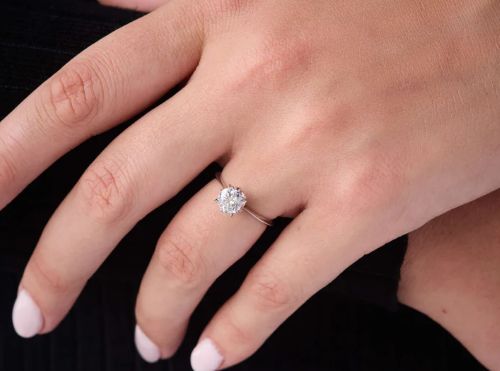
Fine jewelry rarely behaves like an ordinary purchase. A ring, necklace, or bracelet sits close to the body, carries financial weight, and often marks a life event. Online listings can show price, dimensions, and polished images, yet they cannot fully convey balance, finish, or comfort. Local guidance fills that gap with direct observation, practical advice, and follow-up care that supports value long after the receipt is issued.
Seeing Quality Up Close
Screens brighten metal and sharpen stones, yet real surfaces react differently under daylight, indoor bulbs, and motion. Inside a local jewelry store, shoppers can inspect prongs, compare color, feel weight, and watch how a setting handles light from several angles. Those simple checks often reveal proportion, craftsmanship, and wearability far better than enlarged photos or filtered product grids ever could.
Fit Is More Than Size
A correct measurement does not guarantee comfort. The width of the band changes the pressure across the finger, while the setting height affects snagging during daily tasks. Earring weight can strain the lobe after several hours. Bracelet shape also influences movement at the wrist. In-person fitting helps identify those issues early, before a buyer commits to a piece that looks right but feels wrong in regular use.
Personal Guidance Reduces Bad Buys
Large online catalogs often create false confidence. Plenty of options can hide weak construction, impractical design, or stones that suit a photo better than daily wear. An experienced jeweler narrows choices by asking clear questions about budget, routine, and intended use. That conversation brings focus. Buyers usually leave with a piece that fits real life, rather than a selection made through guesswork.
Service Continues After Checkout
Jewelry often needs adjustment after purchase. Rings may require resizing, clasps can loosen, and prongs gradually wear from friction and repeated contact. Remote sellers usually handle those problems through shipping labels, long waits, and limited inspection. A local store offers direct evaluation. Staff can examine the item immediately, explain the issue clearly, and recommend the safest repair path without unnecessary delay.
Custom Work Adds Real Value
Some purchases call for more than choosing from a case. Family stones may need resetting, proportions might require adjustment, or a client may want a piece built around a specific event. Local jewelers can sketch options, refine dimensions, and explain how metal choice or stone size changes cost. That process gives buyers clearer control over both appearance and budget before work begins.
Trust Builds Through Conversation
Trust grows through clear answers, not polished claims. Buyers often want to know why one diamond faces up brighter, why another setting sits lower, or how a clasp will hold up over years of wear. Those questions matter because jewelry combines beauty with engineering. In-person discussion lets people test the logic behind a recommendation instead of relying on short descriptions written for mass listings.
Clear Answers Matter
Sound guidance links price to visible details such as cut precision, metal thickness, setting security, and expected maintenance over time.
Repairs Protect Long-Term Cost
Routine maintenance can prevent expensive loss. A loose prong may release a center stone, while a worn clasp can send a bracelet to the floor or sidewalk. Early repair usually costs less than replacement. Local access makes that care easier to schedule and easier to trust. Owners can return to the same counter, clearly describe their concern, and receive an informed assessment.
Local Stores Reflect Local Taste
Regional preference shapes buying habits more than many shoppers realize. One community may favor understated wedding bands, while another responds to bold custom pieces or heirloom redesigns. Local retailers notice those patterns through steady face-to-face contact. Their cases often reflect actual demand rather than national averages. That focus saves time and improves relevance, because selection feels closer to the lives buyers actually lead.
Education Helps Buyers Spend Better
Strong purchases usually begin with basic education. Buyers benefit from learning how alloys affect durability, which gemstone treatments need extra care, and why certain settings protect corners more effectively. A local jeweler can explain those points in clear language while showing examples by hand. That teaching role sharpens judgment. People who understand structure and upkeep are less likely to spend emotionally, then regret the result.
The Experience Feels Different
Jewelry often marks engagements, anniversaries, births, graduations, and memorial gifts. The buying process carries emotion as well as expense, so setting matters. A local visit gives people room to pause, compare, ask, and reconsider without rushing through tabs on a screen. That slower pace can improve decision quality. It also turns the purchase itself into part of the memory attached to the piece.
Conclusion
Online retail offers speed, range, and convenience, yet fine jewelry demands closer attention than many products do. Buyers often need help with fit, construction, maintenance, and long-term wear before making a sound decision. Local stores provide that support through direct inspection, informed conversation, and reliable follow-up service. For purchases tied to emotion, money, and daily use, that steady human involvement remains a serious advantage.
About the Author