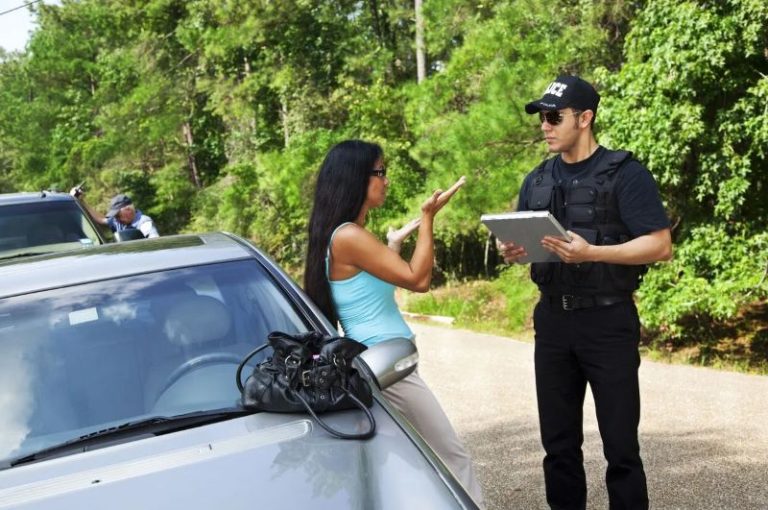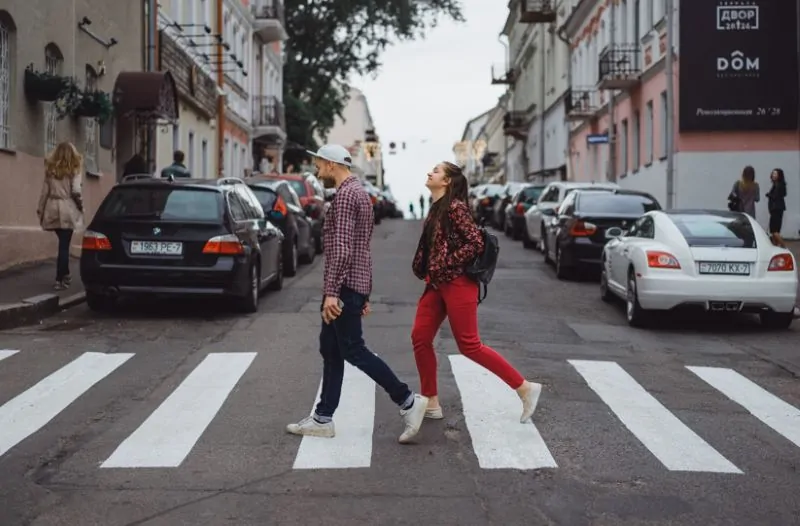
Intersections are among the most dangerous places for pedestrians because vehicles, cyclists, and people on foot often move through the same area while making turns, crossing lanes, or responding to traffic signals. Limited visibility, distracted driving, speeding, failure to yield, and confusing traffic patterns can increase the risk of a pedestrian being struck.
San Bernardino County covers a large area of Southern California and includes busy urban communities, residential neighborhoods, commercial districts, and major transportation routes. Pedestrians regularly cross roads while traveling to work, school, shops, transit stops, and other destinations.
If you are involved in a collision and it has caused serious injuries, speaking with an honest pedestrian accident lawyer in San Bernardino County can help an injured person understand their rights and determine what evidence may support a claim.
Why Intersections Create So Many Risks
Intersections require road users to make multiple decisions within a short period. Drivers may need to watch traffic lights, check for vehicles approaching from different directions, look for pedestrians, and prepare to turn.
Pedestrians are also making decisions about when it is safe to cross. When these actions occur simultaneously, even a brief mistake can cause a devastating collision.
Drivers turning through an intersection may focus on finding a gap in traffic and fail to notice someone entering a crosswalk. A pedestrian may be visible to the driver but remain outside the driver’s immediate attention because of other traffic or distractions.
Turning Vehicles Can Strike Pedestrians
Turning movements are particularly dangerous because drivers may be watching for other vehicles instead of pedestrians.
A right-turning driver may look toward approaching traffic and then begin the turn without checking the crosswalk. Left turns can create similar problems because the driver’s attention may be divided among multiple lanes and traffic signals.
Drivers should carefully check crosswalks before turning and remain prepared to stop when pedestrians are present.
Distracted Driving Increases the Risk
A driver who looks at a phone, adjusts a navigation system, eats, or reaches for something inside a vehicle may not notice a pedestrian until it is too late.
Intersections require constant attention, so distraction can be especially dangerous in these locations. A vehicle may travel several dozen feet while a driver’s eyes are away from the road.
For pedestrians, there may be little time to react once a distracted driver enters a crosswalk.
Failure to Yield Can Cause Serious Injuries
Pedestrians are vulnerable because they have virtually no physical protection against a moving vehicle. A driver who fails to yield can cause catastrophic injuries even at relatively low speeds.
California law provides important protections for pedestrians at crosswalks. Under California Vehicle Code §21950, drivers generally must yield the right-of-way to pedestrians crossing within a marked or unmarked crosswalk at an intersection, subject to the statute’s specific provisions.
However, pedestrians also have responsibilities. They should avoid suddenly leaving a curb when a vehicle is so close that it would be impossible for the driver to yield safely.
Poor Visibility Can Make Intersections More Dangerous
Visibility problems can occur because of darkness, heavy rain, glare, parked vehicles, landscaping, construction equipment, or poorly positioned signs.
A pedestrian may be difficult to see when crossing at night, particularly if the intersection has inadequate lighting. Drivers should adjust their speed and remain alert when visibility is reduced.
Pedestrians can also improve their visibility by wearing reflective clothing or using lights when appropriate, but these precautions cannot eliminate the risk created by a negligent driver.
Traffic Signals Do Not Eliminate Every Risk
Traffic lights and pedestrian signals help organize movement, but they cannot prevent every collision. A driver may run a red light, ignore a pedestrian signal, or enter an intersection while distracted.
Pedestrians should still look for approaching vehicles before crossing, even when they have a walk signal. A legal right to cross does not protect someone from the physical consequences of a driver who ignores the signal.
Key Takeaways
- Intersections are dangerous because pedestrians and vehicles must navigate multiple movements in a limited space.
- Turning vehicles, distracted driving, speeding, and failure to yield can create serious risks.
- Poor lighting, weather, parked vehicles, and other visibility problems may make pedestrians harder to see.
- California Vehicle Code §21950 generally requires drivers to yield to pedestrians in qualifying crosswalks.
- Pedestrians should remain alert even when they have a walk signal because drivers may fail to follow traffic rules.
- Medical records, photographs, witness statements, police reports, and surveillance footage can help establish what happened.
- Prompt medical attention and preservation of evidence can be important after an intersection collision.
About the Author