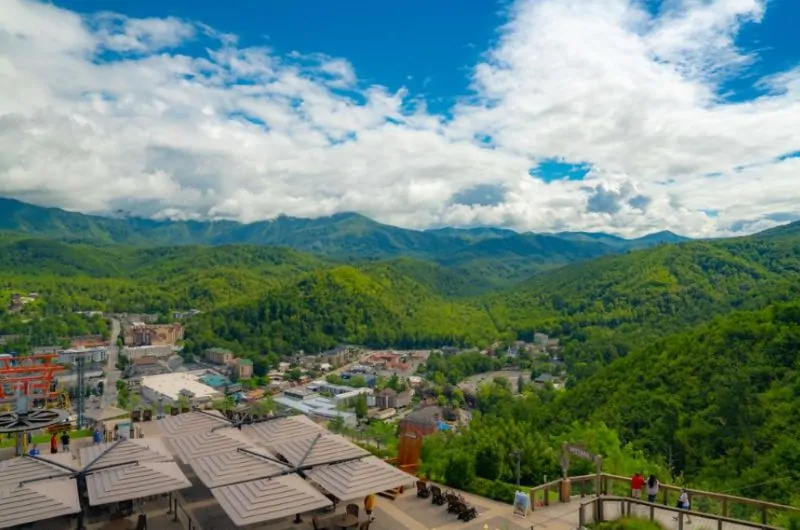
Two days in the Smokies go faster than most people expect. Between the drive in, the time spent settling into a room, and the natural pull to slow down once the mountain air hits, a weekend can disappear before it really starts. A little planning ahead of time keeps the trip from feeling rushed and gives you room to actually enjoy where you are. Gatlinburg rewards visitors who arrive with a loose plan rather than no plan at all, and the difference usually comes down to a handful of small decisions made before you leave home.
Sort Out Your Meals Before You Arrive
Hunger has a way of derailing a short trip. Families spend the middle of the afternoon circling for somewhere to eat, tempers get short, and half the day slips away over a decision nobody wanted to make in the first place. That lost time is hard to get back on a weekend that only has so many hours in it.
Deciding in advance where you want to sit down for the best food in Gatlinburg takes that guesswork off the table. The Park Grill offers a full sit-down experience with a salad bar and Certified Angus Beef inside a rustic mountain lodge, and reserving a table ahead of time means your group walks in and gets seated instead of standing around waiting.
Give Yourself a Real Morning
The temptation on a two-day trip is to sleep in and start slow, but mornings in the mountains are the quietest part of the day. Parking is easier, walkways are open, and the light along the ridges is at its best before the crowds build. Getting up earlier than you would at home buys you an extra two or three usable hours, which on a weekend trip is close to a quarter of your total time.
An early start also gives you flexibility later. If the afternoon turns wet, or somebody needs a nap, you have already banked the part of the day you were most looking forward to. Trips that start at ten in the morning tend to feel like they never quite got going.
Build the Day Around the Weather
Mountain weather changes quickly and rarely announces itself. A clear morning can turn into a foggy afternoon with very little warning, and elevation makes the difference more pronounced than the forecast suggests. Checking conditions the night before and again over breakfast is a simple habit that saves a lot of frustration.
The smart approach is to keep two versions of each day in your head. One for clear skies and one for rain. That way, a change in conditions becomes a small adjustment rather than a scramble. Pack a light jacket even in warmer months, since evenings cool off faster here than most visitors anticipate.
Park Once and Walk
One of the most common weekend mistakes is treating a car as the primary way to get around town. Traffic along the main strip moves slowly during busy stretches, and every move from one lot to another eats up minutes you would rather spend elsewhere. Finding a single spot and covering the rest on foot is almost always faster.
Free on-site parking is worth asking about anywhere you plan to spend real time, since it removes one more variable from the day. Comfortable shoes matter more than they sound like they should. The walkable core of town covers more ground than it looks like from a car window, and sidewalks here run up and down more than they run flat.
Leave Room in the Schedule
Overplanning is the fastest way to make a relaxing weekend feel like work. Groups that book something for every hour end up watching the clock instead of the scenery, and the unplanned moments are usually the ones people talk about afterward. Two or three anchor points per day is plenty.
Empty space in a schedule also absorbs the small delays that always show up. A longer wait than expected, a wrong turn, a stop nobody planned for. When the day has margin built into it, none of that matters. When it does not, one delay knocks over everything behind it.
Think About Your Group Before You Book Anything
A weekend with two adults looks nothing like a weekend with a mix of grandparents, teenagers, and small children. Pace, walking distance, and how long anyone can go between breaks all shift depending on who is with you. Planning for the least mobile person in the group is not a compromise. It is what keeps everyone together.
Larger groups need more lead time on nearly everything. Seating, tickets, and even parking get harder to arrange the bigger the party gets, and same-day arrangements for eight or ten people are rarely simple. If you are traveling with a crowd, call ahead wherever you can and confirm numbers in advance.
Handle the Drive Thoughtfully
Getting into Gatlinburg is part of the trip whether you want it to be or not. The roads leading in are winding, and weekend traffic backs up in predictable places, particularly on Friday evenings and Sunday afternoons. Adjusting your arrival and departure by even an hour can cut a substantial amount of time off the drive.
Fuel up before you get close to town. Gas stations are less convenient once you are in the thick of things, and a low tank adds one more errand to a day that does not need it. Keep water and a few snacks in the car for the same reason.
Set Aside Time to Do Nothing
The Smokies are one of the few places where sitting still counts as an activity. Porches, overlooks, and quiet corners are the entire point for many visitors, and skipping past them in favor of a full itinerary misses what makes the area different from anywhere else. Building in a stretch of unstructured time is not wasted planning.
Most people come back from a weekend here saying they wish they had slowed down. Very few say the opposite. Give yourself an hour with no destination attached to it, ideally in the late afternoon when the light softens and the day cools. That single hour often ends up being the part of the trip that sticks.
Weekend trips work best when the structure supports the experience instead of replacing it. Decide the handful of things that matter, book what needs booking, and let the rest happen on its own.
About the Author