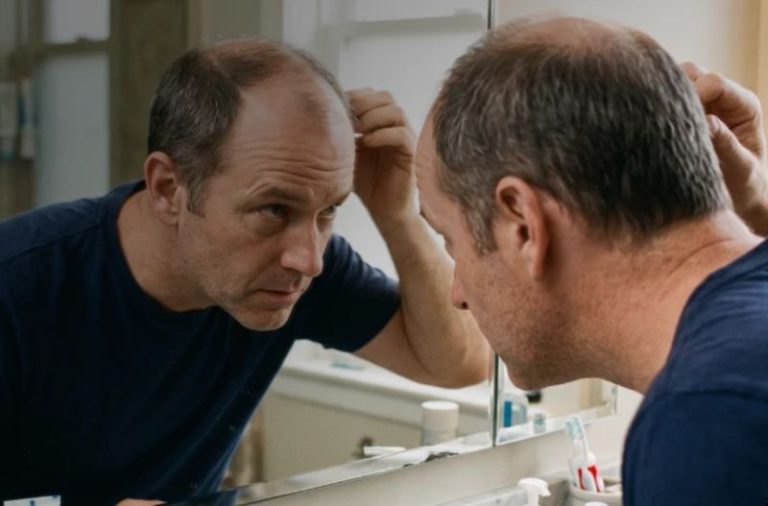
Most people in Los Gatos reach a point where the scale stops moving, but the mirror still shows something they are not happy with. Diet and exercise do their job across the body as a whole, yet certain pockets hold on long after everything else has responded. That gap between effort and result is frustrating, and it is also completely normal. Understanding why some areas resist change, and what your options are once they do, makes the whole process far less discouraging.
Why Some Areas Resist Diet and Exercise
Body composition is not evenly distributed, and the places where the body prefers to store energy are largely set by genetics and hormones rather than habits. Someone can train consistently for a year and still see the same bulge along the flanks or under the chin, because those deposits sit in areas the body treats as long-term reserves. The result is a body that looks fit almost everywhere except one or two spots.
For a healthy, active adult already close to a goal weight, the sensible next step is a targeted treatment rather than tighter restriction. Freezing fat cells so the body clears them on its own is the approach behind CoolSculpting, one of the most common ways to handle those last resistant spots. If you are looking for professionals who can help you understand the process of CoolSculpting Los Gatos has qualified providers who handle it every day.
Setting a Realistic Goal First
Before any appointment is booked, it helps to write down what you actually want to change. Vague goals like looking better are impossible to measure, while specific ones like a smoother waistline under fitted clothing give you and your provider something concrete to work toward. Photographs taken in consistent lighting are more useful than memory, since gradual change is difficult to notice day to day.
Realistic expectations matter as much as clear goals. Body contouring refines proportion in a specific area. For people whose disproportionate fat distribution may be associated with lipedema, discussing options such as Lipedema Surgery with a qualified specialist can provide a more appropriate treatment pathway specialist can provide a more appropriate treatment pathway. It does not replace weight loss, and it will not change the underlying shape of your frame. Candidates who go in understanding that distinction are far more satisfied with what they see months later, because they are measuring the right thing.
Weight Stability Before Any Procedure
Timing has a real effect on outcomes. If your weight is still shifting by several pounds week to week, whatever refinement is achieved in one area can be masked by broader change elsewhere. Most providers want to see a stable weight held for several months before treatment, generally within about 30 pounds of a healthy target.
Stability also gives you a cleaner read on results. When nothing else is changing, any improvement you notice is attributable to the treatment rather than to a coincidental shift in diet or activity. That clarity is worth waiting a few extra months for, particularly if you are still in the middle of a weight loss effort or a training program.
Questions Worth Asking at Your Consultation
A good consultation is a conversation, not a sales pitch. Bring a short list of questions and expect direct answers. Ask how many sessions are typically needed for the area you care about, how results are measured, and what the timeline looks like from appointment to visible change. Ask what happens if the outcome falls short of what you discussed.
You should also ask about the provider’s background. Dr. Patrick J. Bitter is Medical Director and founder of the practice, and he trains other physicians in advanced aesthetic techniques. A physician who teaches the field is a reasonable benchmark for the level of experience you want handling your case. During your consultation, a brief physical exam and review of your medical history will determine whether you are a good candidate.
What Recovery and Aftercare Actually Involve
Non-invasive treatments are appealing because normal life resumes immediately, but that does not mean nothing happens afterward. The treated area may feel red, numb, or tender for a short period as it returns to normal temperature. This is expected and settles on its own without intervention.
Change appears gradually rather than overnight. The body processes and clears the affected cells over the following weeks, with visible improvement typically emerging in six to twelve weeks and continuing to refine after that. Patience is part of the process. Checking the mirror daily will only make progress harder to see.
Habits That Protect Your Results
Once cells in a treated area are eliminated, they do not come back. What can change is the size of the cells that remain, which is why lifestyle after treatment still matters. Patients who maintain steady eating patterns and regular movement keep their results looking the way they did at the twelve-week mark. Those who let habits slide can see the surrounding areas fill out.
Protecting your outcome does not require anything extreme. Consistent meals, adequate protein, regular strength work, and enough sleep will do more than any short-term program. Think of the treatment as resetting a baseline that your habits then maintain.
Choosing a Provider You Trust
Credentials and equipment matter, but so does how a practice treats you. Look for a provider who examines you properly, explains what will and will not work for your situation, and is willing to say no when a treatment is not the right fit. A provider who promises everything to everyone is telling you something about their standards.
Reviews are useful when read carefully. Look past star ratings to the substance of what patients describe, particularly around communication, comfort during appointments, and how the practice handled follow-up.
Deciding Whether the Timing Is Right
The best moment to move forward is when your weight is steady, your expectations are grounded, and you have a specific area you have genuinely tried to change on your own. If any of those pieces are missing, a few more months of preparation will improve what you get out of the process.
There is also no obligation attached to asking. A consultation costs you an hour and gives you an honest read on whether your goals are achievable, what a realistic timeline looks like, and what the investment involves. That information alone is worth having, whether you decide to proceed now, later, or not at all.
About the Author