Most motorcycles begin as machines built to solve a transportation problem. Harley-Davidson became something considerably larger. Over generations, its motorcycles developed a recognizable presence that could be identified through their appearance, sound, history, and the culture surrounding the people who ride them.
That identity extends beyond what happens while the engine is running. Road trips, rallies, riding groups, customization, apparel, and decades of tradition have helped turn the motorcycles into symbols associated with a particular vision of freedom, individuality, and the American road.
That history also shapes the experience of buying and owning one today. An authorized Harley-Davidson dealer exists within a culture where the motorcycle itself is only one part of what riders may connect with.
The Silhouette Became Part of the Identity
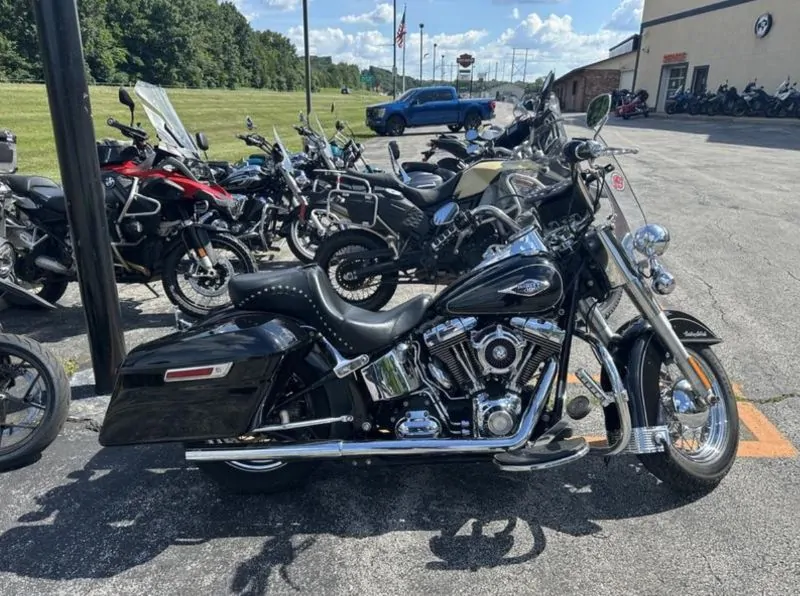
Some motorcycles can be difficult to distinguish at a distance. Harley-Davidson developed visual characteristics that have helped many of its machines become recognizable before anyone gets close enough to read the name on the fuel tank.
The proportions play a large role. Low seating positions, substantial engines, fuel-tank shapes, exposed mechanical elements, and cruiser-inspired profiles have contributed to a visual language that evolved across generations. Individual models differ, but certain design ideas have remained familiar enough to reinforce the broader identity.
Consistency doesn’t mean every motorcycle has looked the same. Styling has changed alongside engineering, technology, regulations, and rider preferences. The important part is that new designs have often remained connected to recognizable elements from earlier motorcycles. When a product develops that kind of visual continuity, its shape begins doing some of the branding before the logo ever needs to.
Then There Is the Sound
Motorcycles aren’t experienced only through sight. They are physical machines that vibrate, move, and produce sound, giving riders and bystanders a sensory experience that photographs can never fully capture.
Engine configuration, exhaust systems, operating conditions, and individual modifications can all influence what a motorcycle sounds like. Harley-Davidson motorcycles have nevertheless developed a strong cultural association with a distinctive exhaust character that many riders connect immediately with the brand and its machines.
Sound becomes especially powerful because it can announce a motorcycle before it appears. At a rally or group ride, dozens of engines can turn arrival and departure into part of the event itself. That doesn’t mean sound alone defines the riding experience, but it contributes to recognition in a way few products achieve. The machine isn’t merely something people see passing down the road. It can create a recognizable presence before it comes into view.
The Owners Built a Culture Around the Machines
A manufacturer can build motorcycles, but it can’t manufacture every tradition that eventually grows around them. Much of Harley-Davidson’s larger identity developed through what riders chose to do once they owned the machines.
Rallies bring riders together from different places. Local riding groups create opportunities for regular trips, while long-distance journeys turn the motorcycle into part of a larger travel experience. Owners may also customize their bikes, changing everything from appearance and seating to accessories and performance-related components.
These activities create connections that extend beyond a single purchase. Riders trade stories, plan routes, attend events, and sometimes form friendships around a shared interest in motorcycles. Not every owner participates in that culture the same way, and plenty simply enjoy riding. Still, the community surrounding the machines helped transform ownership into something that could be social as well as mechanical.
Few Products Become Part of Someone’s Identity
People rarely wear clothing displaying the manufacturer of their refrigerator. Motorcycles occupy a different emotional category, and Harley-Davidson is an especially visible example of a product becoming connected with personal identity.
Apparel allows that connection to continue when someone isn’t riding. Customization can make two motorcycles of the same model look dramatically different, giving owners another way to make the machine feel personal. Older models and memorabilia can also appeal to people interested in the history surrounding the brand.
The emotional connection isn’t necessarily about transportation efficiency. Motorcycles can represent trips taken, people met, mechanical interests, family traditions, or a particular stage of someone’s life. That personal meaning helps explain why certain machines become more than possessions. When experiences accumulate around a product for years, people may eventually value what it represents just as much as what it physically does.
Conclusion
A motorcycle is ultimately a collection of mechanical components designed to move a rider from one place to another. Yet some motorcycles accumulate enough history, recognition, and community that describing them purely as transportation misses much of what surrounds them.
Harley-Davidson became one of those examples. Recognizable styling and sound helped create a distinct presence, while riders added rallies, road trips, customization, traditions, clothing, and communities that carried the identity well beyond the machines themselves.
That transformation doesn’t happen simply because a company decides its product should become culturally important. It develops when generations of people attach experiences and meaning to what they own. Eventually, the motorcycle can represent something larger than horsepower, displacement, or transportation. The machine still matters, but so do the stories, traditions, and people that have gathered around it every time someone heads out onto the road.
About the Author