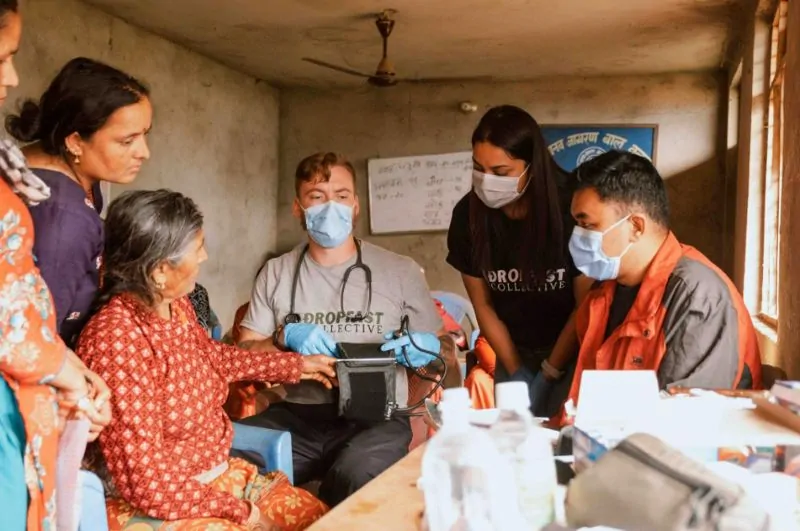
Before modern social support systems and the advent of instant communication across distances, communities developed their own means of providing support to help individuals cope with hardship when they fall ill, lose a job, go through a bereavement, or face extreme poverty. These traditions of mutual aid established an enduring principle: when challenges become too difficult to face alone, people often find strength in coming together.
The Roots of Mutual Aid
Mutual aid societies became widely established during the 18th and 19th centuries. From immigrant communities in big cities to religious organizations and the working class, associations could be set up that organized people to contribute money or resources to assist one another during emergencies. These organizations could provide financial assistance, food, medical care, funeral expenses, or temporary support when someone could no longer work.
These were not charities, but rather were set up with a sense of reciprocity. When you are able to give something towards the collective, you can also assume it would be there for you should the tables turn.
From Local Networks to Specialized Communities
As medicine and public health, in the developed world at least, community support gradually expanded beyond financial assistance. People facing particular illnesses become forming organizations where they could exchange practical knowledge and emotional encouragement.
This remains important today. Someone dealing with a serious diagnosis may need more than medical treatment. They may also need help understanding unfamiliar terminology, navigating everyday challenges, or simply speaking with someone who understands what they are experiencing. For example, people affected by asbestos-related diseases may turn to mesothelioma support groups to connect with others facing similar circumstances and to share experiences, resources, and encouragement.
These specialized communities reflect an older tradition in a more focused form. The central idea remains the same: shared experience can make difficult circumstances feel less isolating.
The Digital Transformation of Community
There has been a considerable revolution in recent times with the advent of the internet. People no longer have to be geographically located in a vicinity to support a community of people. They can now communicate with other people in similar circumstances through online forums, websites, social media, message boards, and online video conferences.
At the same time, online communities require thoughtful participation. Not every piece of advice shared online is reliable, and personal experiences should not replace professional medical, legal, or financial guidance. Strong communities balance empathy and shared experience with responsible information.
Endnote
The tools of community have changed considerably, but the underlying human need has remained remarkably consistent. Mutual aid societies once brought neighbors together in meeting halls and community centers. Today, digital platforms can bring together people who may never meet in person.
Both forms of community demonstrate the value of connection. Practical assistance matters, but so do understanding, companionship, and the reassurance that others have faced difficult circumstances before. From traditional mutual aid to online modern communities, people continue to discover that supporting one another is one of the most enduring ways to make challenging experiences more manageable.
About the Author