Mold problems rarely begin with a dramatic patch spreading across an entire wall. More often, the first signs are subtle: a persistent musty smell, peeling paint, a damp corner that never seems to dry, or discoloration around a window or ceiling. The real concern is not just what mold looks like. It is what allowed it to grow in the first place. Moisture from leaks, condensation, flooding, poor ventilation, or persistent humidity can affect both visible finishes and materials hidden behind them. Catching those conditions early usually makes the problem easier to understand and less disruptive to correct.
Mold Usually Points to a Moisture Problem
Mold needs moisture to grow.
Spores are already common in indoor and outdoor environments, so completely eliminating them is neither realistic nor necessary. Trouble begins when those spores settle on damp materials and have enough time to develop.
Drywall, wood, wallpaper, insulation, carpet, ceiling materials, and even accumulated dust can support mold when moisture remains present.
That is why wiping away a visible patch without addressing the dampness often produces only temporary results.
Look beyond the stain.
A leaking pipe, poorly sealed window, roof problem, condensation around cold surfaces, or persistent indoor humidity may be feeding the growth. Until that source is corrected, cosmetic repairs are unlikely to hold up.
Know When Simple Cleaning May Not Be Enough
Not every small mold spot automatically requires a major restoration project.
A limited area on a hard, washable surface may sometimes be manageable with appropriate cleaning and thorough drying. The situation changes when mold covers a larger area, repeatedly returns, follows significant water damage, or appears to extend into porous building materials.
Drywall, insulation, carpeting, and similar materials can be difficult to clean completely once growth becomes established inside them.
For homeowners dealing with a larger or recurring problem, professional mold remediation services can provide a more structured approach that includes inspecting the affected area, identifying the moisture source, containing the work zone, removing contaminated material where needed, and verifying the condition of the area after cleanup.
The important distinction is that remediation is not simply about making a stain disappear.
It is about correcting the conditions behind it while limiting further spread.
Pay Attention to Signs Beyond Visible Spots
Mold is not always sitting neatly on an exposed wall where it can be seen.
Persistent odors can be an early clue. A musty or earthy smell that remains after normal cleaning may indicate moisture or hidden growth somewhere nearby.
Other warning signs include bubbling paint, warped trim, water staining, soft drywall, recurring condensation, or flooring that begins to swell.
Past leaks matter too.
A ceiling may look dry now even though insulation above it remained damp long enough for mold to develop. Similarly, growth can occur behind furniture, under flooring, inside wall cavities, or around plumbing.
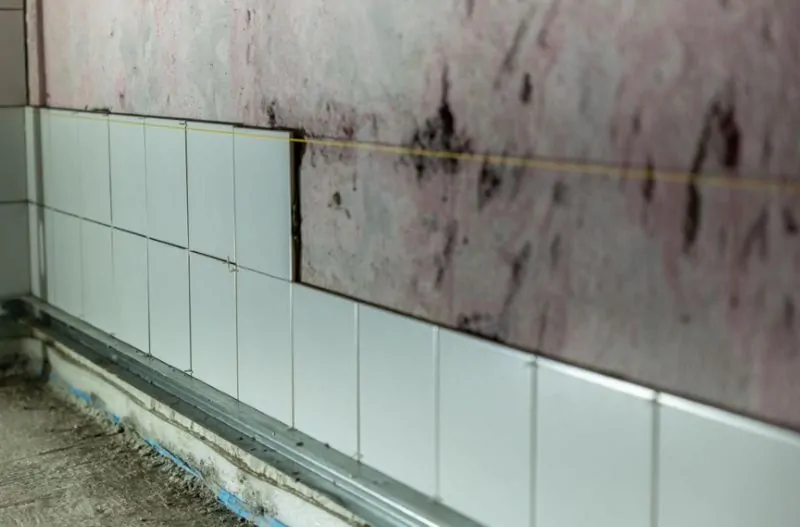
Hidden mold can occur behind drywall, beneath carpeting, around pipes, and in other concealed building areas, particularly where there has been previous water damage.
The visible area does not always show the full extent of the moisture problem.
Protect Materials Before Damage Becomes Expensive
Mold does not only affect appearance.
Moisture can damage paint, wallpaper, cabinetry, flooring, drywall, insulation, trim, and other finishes. Even if mold itself is removed, materials may already have swollen, stained, softened, or deteriorated.
That is particularly important after renovations.
New finishes can hide older moisture problems for a while. Fresh paint may cover staining. New flooring can sit above a damp subfloor. Built-in cabinetry may reduce airflow against a wall where condensation occurs.
Good design should therefore account for moisture as well as appearance.
Wet rooms need effective ventilation. Areas prone to condensation need airflow. Leaks should be repaired before surfaces are refinished.
Painting over a mold problem is not a repair. It is usually a temporary disguise.
Treat Health Claims Carefully but Take Exposure Seriously
People do not all respond to damp or moldy environments in the same way.
Some experience no noticeable symptoms. Others may develop nasal irritation, coughing, wheezing, eye irritation, or skin reactions. People with asthma or mold allergies may experience stronger responses, while certain individuals with weakened immune systems or chronic lung conditions may face additional risks.
Exposure to damp and moldy environments has been associated with respiratory and allergic symptoms, although reactions vary significantly from person to person.
That means symptoms alone cannot tell you exactly how extensive a mold problem is.
Likewise, the absence of symptoms does not mean ongoing moisture should be ignored.
If someone in the household has significant health concerns, medical advice may be appropriate alongside dealing with the building problem itself.
Fix Water Problems Before Rebuilding
After damaged materials are removed, it can be tempting to move directly into repairs.
That can backfire if the underlying moisture has not been controlled.
Plumbing leaks need repair. Roof or window failures need correction. Damp materials need adequate drying. Poor ventilation may need improvement.
The basic principle is simple: moisture control comes before rebuilding.
Water-damaged areas should also be dried quickly. Mold can begin developing relatively soon under favorable conditions, so waiting several days before addressing saturated materials increases the chance of additional problems.
Do not reinstall drywall, flooring, insulation, or cabinetry over areas that are still wet.
Drying is not the decorative part of the job, but it determines whether the decorative work lasts.
Understand What Containment Is Trying to Achieve
When significant remediation work is required, the affected part of the home may need to be separated from unaffected areas.
Removing contaminated drywall or insulation can disturb mold and release particles into the surrounding environment. Containment is intended to limit that movement during cleanup.
Depending on the scope of the project, this may involve barriers, controlled airflow, filtration equipment, protective clothing, and careful handling of removed materials.
This is one reason aggressive demolition without a plan can make a situation harder to manage.
Finding mold behind a wall does not mean the entire room should immediately be torn apart.
The extent of removal should reflect where moisture and contamination are actually present.
Careful work is usually more useful than dramatic work.
Reduce the Chances of Mold Returning
Preventing mold is mostly a matter of controlling moisture consistently.
Fix leaks when they appear rather than watching them for a few months. Use ventilation when cooking or showering. Address condensation instead of repeatedly wiping it away.
Humidity deserves attention as well.
Keeping indoor humidity under control makes the environment less favorable for mold growth. Damp basements, enclosed bathrooms, laundry areas, and poorly ventilated rooms may require additional airflow or dehumidification.
Also inspect places that are easy to forget.
Look beneath sinks. Check around windows. Pay attention to roof staining and plumbing penetrations. Move furniture occasionally if it sits tightly against walls that are prone to condensation.
Small inspections take minutes. Hidden moisture can remain unnoticed much longer.
Do Not Confuse a Clean Surface With a Solved Problem
The most important lesson with household mold is that appearance tells only part of the story.
A wall can look clean while moisture remains inside it. A stained ceiling can be repainted while the roof above it continues leaking. A musty smell can disappear temporarily while damp materials remain behind a cabinet.
Effective mold control starts by asking why the area became wet.
Then the damaged materials, cleanup method, drying process, and repairs can be matched to the actual problem.
That approach protects more than the appearance of the home. It helps prevent repeated repairs, protects building materials, and makes future renovations less likely to conceal an unresolved moisture issue.
Mold is easier to manage when it is treated as a moisture problem first and a cosmetic problem second.
About the Author