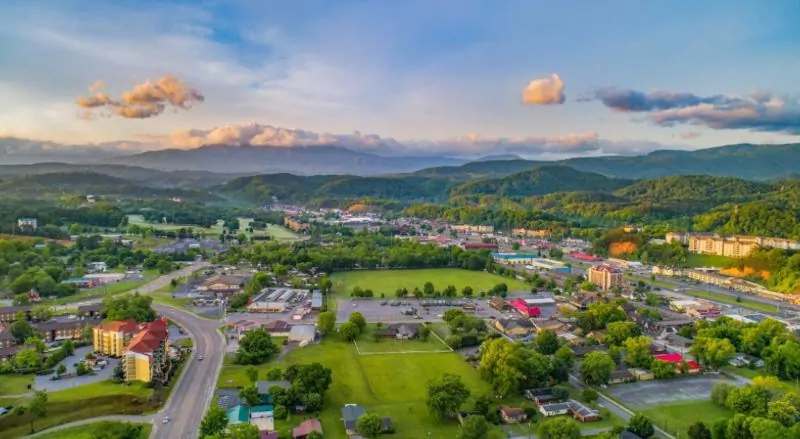
A family vacation can feel effortless in photos and surprisingly complicated in real life. In Pigeon Forge, Tennessee, where more than nine million visitors arrive each year, the difference between a smooth trip and a frustrating one often comes down to planning. The best approach is not to schedule every hour. It is to choose a comfortable home base, understand how your family likes to travel, and leave enough flexibility for crowds, weather, meals, and changing energy levels.
Choose a Home Base That Reduces Friction
Where you stay affects almost every part of the trip. A well-located cabin can make mornings easier, reduce repeated driving, and give everyone somewhere comfortable to recharge between outings.
Eagles Ridge Resort is one option for families comparing places to stay in Pigeon Forge, offering cabins from one to nine bedrooms with features such as full kitchens, hot tubs, game rooms, and other group-friendly amenities.
Instead of focusing only on the nightly rate, think about what the property helps you avoid. A kitchen may reduce restaurant spending. Extra bedrooms can make bedtime easier. Laundry can be useful on longer trips, especially with children.
The right accommodation should simplify the vacation rather than become another thing you have to manage.
Plan Around Your Family’s Actual Energy
It is easy to create an itinerary for the version of your family that never gets tired, hungry, overstimulated, or distracted.
That family does not exist.
Start by deciding how many major activities everyone can comfortably handle in a day. For many families, one larger outing plus one lighter activity is enough. That leaves room for meals, travel time, and unexpected delays without making the day feel wasted.
Building downtime into a family vacation can also help everyone reset instead of moving constantly from one scheduled stop to another.
A slower afternoon is not a planning failure. It may be exactly what keeps the evening enjoyable.
Let Location Shape the Day
A place may look close on a map and still take longer to reach than expected once traffic, parking, and crowds enter the picture.
Group activities by area whenever possible. If two things are near each other, do them on the same day rather than crossing town repeatedly.
This reduces the number of transitions, which matters more when children are involved. Every extra drive usually means another round of loading bags, finding shoes, checking snacks, and convincing everyone that yes, they really do need to get back in the car.
Check current drive times before leaving and avoid assuming that a short distance will always mean a short trip.
The fewer unnecessary transfers you build into the day, the more relaxed the schedule feels.
Budget for the Small Expenses
Most families remember to budget for lodging and tickets. The surprise usually comes from everything in between.
Snacks, coffee, parking, souvenirs, extra meals, and last-minute add-ons can quietly push spending much higher than expected.
A simple daily allowance for flexible expenses can make the budget easier to control without making the vacation feel restrictive.
Practical family travel budgeting strategies include planning early, preparing some of your own food, and deciding which experiences matter enough to justify spending more.
If your accommodation includes a kitchen, use it strategically. Breakfast and simple dinners are easy places to save without sacrificing the parts of the trip everyone is excited about.
Leave Room for Different Interests
Family vacations become harder when everyone is expected to want the same thing at the same time.
Younger children may enjoy hands-on activities, teenagers may want more independence, and adults may simply want a few quiet hours between bigger plans.
Build a schedule that allows the group to separate occasionally. Some people can choose a more active outing while others stay back, rest, or do something slower.
You can reconnect later for dinner or another shared activity.
That flexibility removes the pressure to make every attraction perfect for every person. The goal is not constant togetherness. It is creating enough shared experiences that the trip still feels like something everyone did together.
Keep Meals From Taking Over the Schedule
Food decisions can become one of the biggest sources of daily friction, especially when everyone waits until they are already hungry to choose somewhere to eat.
Decide in advance which meals will happen at your accommodation and which ones are worth going out for.
Breakfast is usually the easiest meal to simplify. Keeping fruit, cereal, eggs, snacks, and drinks on hand can make the morning much smoother.
For restaurant meals, try eating slightly earlier or later than peak times when possible.
You do not need a reservation for every meal. You simply want enough structure that hunger does not become the person making decisions for the whole group.
Keep One Part of the Day Flexible
A strong itinerary should have something you can change without creating a domino effect.
Maybe it is the afternoon activity. Maybe dinner is intentionally unplanned. Perhaps one whole day has only a loose idea rather than a fixed schedule.
That flexibility matters when weather changes, crowds are heavier than expected, or someone simply needs more rest.
It also creates room for spontaneous discoveries.
Families often remember the unexpected dessert stop, the extra hour spent relaxing, or the place they found by accident more clearly than the carefully scheduled parts of the trip.
Leave enough room for those moments to happen.
Make the Trip Feel Like a Break
The best family vacation is rarely the one with the longest list of completed activities.
It is the one where everyone had enough space, the schedule felt manageable, and the day did not require constant problem-solving.
Choose lodging that supports the way your family actually travels. Keep the budget realistic. Group activities sensibly. Build in rest and allow people to enjoy different things occasionally.
Most importantly, resist the urge to treat every open hour as something that needs to be filled.
A family trip works best when there is enough structure to prevent chaos and enough freedom to make the experience feel like a vacation. When those two things are balanced, the entire trip becomes easier to enjoy.
About the Author