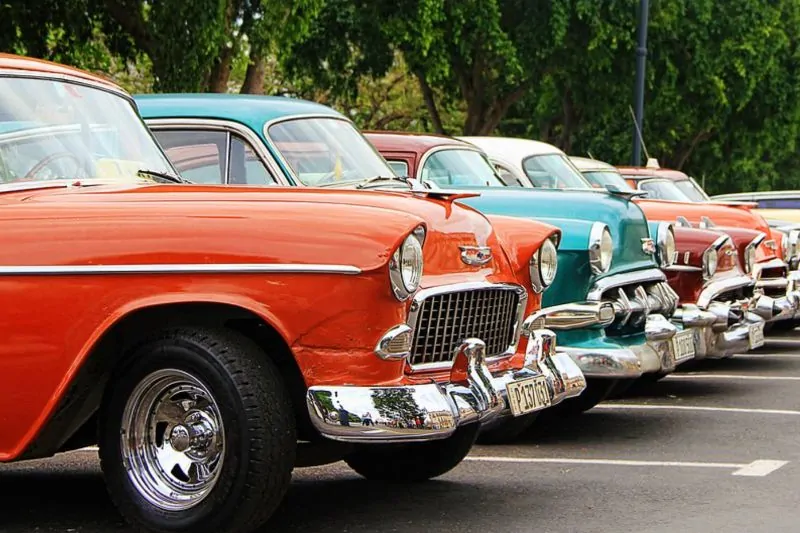
Something about a classic American car makes people stop and look. Maybe it’s the chrome detailing, the sound of an old V8 engine, or the unmistakable shape of a vehicle that hasn’t been made in decades.
Walk around almost any classic car show in America, and you’ll find people admiring vehicles they remember from childhood alongside younger enthusiasts discovering them for the first time.
But what makes these older cars so appealing? After all, modern vehicles are generally safer, more efficient, and considerably easier to maintain.
The answer has less to do with practicality and more to do with history, memories, and the role cars have played in American life.
Cars Helped Shape Modern America
To understand the popularity of classic cars, it helps to look at how important the automobile became during the twentieth century.
When Henry Ford introduced the Model T in 1908, many ordinary Americans still couldn’t afford to own a car. Improvements in mass production gradually made vehicles more affordable, changing how people traveled, worked, and spent their free time.
As ownership increased, towns and cities began adapting to accommodate cars. Roads improved, businesses opened along popular routes, and families gained greater freedom to travel beyond their immediate communities.
By the middle of the century, owning a car had become an important part of American life.
For many families, their first vehicle represented independence and financial progress. Those associations helped build the emotional connection that still influences classic car enthusiasts today.
The Search for a Car With a Story
For some collectors, owning a classic car is about finding a rare model or completing an ambitious restoration project.
For others, the motivation is far more personal.
Perhaps their father owned a particular Chevrolet when they were growing up. Maybe they learned to drive in an old Ford or remember spending summer evenings riding around with friends.
Finding a similar vehicle decades later can bring those memories back.
However, locating a specific classic car isn’t always easy. Enthusiasts often look beyond their home state, especially when seeking unusual models or vehicles in good original condition.
Someone purchasing a classic vehicle from another part of the country might consider car transporters in Philadelphia to arrange delivery rather than driving an unfamiliar older vehicle over a long distance.
This is especially relevant when the vehicle needs restoration or hasn’t been regularly maintained.
For many buyers, the effort of finding and transporting a particular car is worth it because of what that vehicle represents.
Hollywood Helped Keep the Classics Alive
Classic American cars have also enjoyed a long relationship with film and television.
The Ford Mustang driven by Steve McQueen in Bullitt, the Dodge Charger featured in The Dukes of Hazzard, and the DeLorean from Back to the Future all became cultural icons.
Their appearances introduced these vehicles to audiences who might never have encountered them otherwise.
Music also fueled the fascination.
For decades, American songs have celebrated open roads, powerful engines, and the freedom associated with driving.
These cultural references helped transform certain vehicles from ordinary transportation into symbols of particular generations.
Even people who have never owned a classic car can feel nostalgic when they recognize one from a favorite film or television series.
More Than a Collection of Old Cars
America’s fascination with classic cars is easy to understand when you consider what these vehicles represent.
They remind people of childhood journeys, family members, favorite films, and periods of history that helped shape the country.
Some are preserved because they’re rare. Others survive because somebody simply couldn’t bear to part with them.
And while modern vehicles will continue evolving, classic cars offer something different. They remind us where American automotive culture began, how it changed, and why the simple act of getting behind the wheel has meant so much to generations of drivers.
About the Author