Medicine has changed a great deal in recent years, and people now have more ways than ever to address concerns about how their bodies look and how they work. Patients in Mobile are finding that many problems once treated with a single approach can now be handled through a wide range of choices.
Some of these choices restore movement, comfort, or breathing, while others help people feel more confident in their appearance. Many treatments do both at once. Understanding how these advances work can help patients have better conversations with their doctors and make decisions that suit their goals.
When Appearance and Function Meet
Many of these new options matter most when a health concern affects both daily comfort and how a person feels about the way they look. Plastic surgery once had a narrow reputation, and many people assumed it focused only on looks, even though it also repairs injuries, corrects breathing problems, and rebuilds tissue after illness.
Reconstructive and cosmetic care together form one of the most practical ways to treat concerns that affect both form and function. If you want to understand your options for plastic surgery Mobile has amazing surgeons who explain each choice in plain terms and answer every question you raise. A clear explanation at the start makes every later decision easier to approach with confidence.
Why Treatment Choices Have Grown
Not very long ago, patients with a physical concern often had only one or two paths available. A problem with the skin, the face, or the shape of the body usually meant a major operation or nothing at all. Today, doctors can offer a wide range of options that differ in how much time they take, how long recovery lasts, and how dramatic the results are.
Gentler Approaches With Shorter Recovery
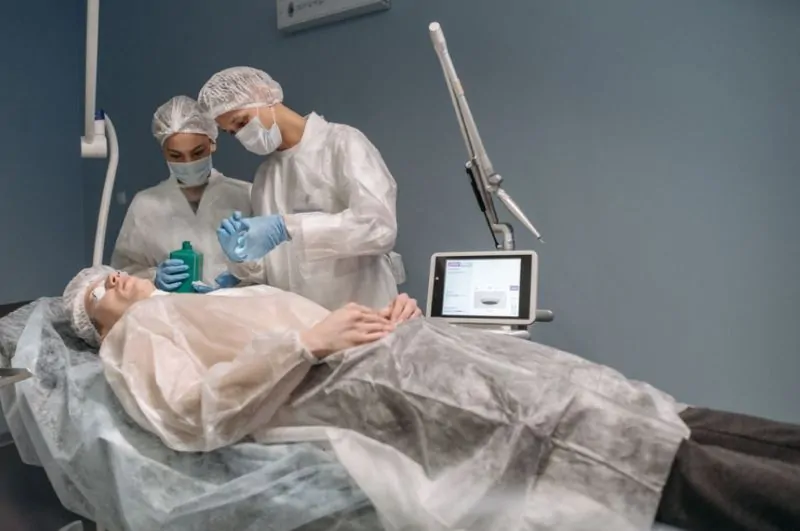
One of the biggest changes in modern medicine is the move toward gentler procedures. Many treatments that once required large cuts can now be done through small openings or without any cuts at all. Laser and energy-based devices can tighten skin, smooth its surface, and reduce blemishes with far less disruption to the body.
Shorter recovery matters to people with jobs, families, and busy lives. When a treatment allows someone to return to normal activities within days rather than weeks, it becomes a realistic choice for many more people. Less disruption to the body also tends to mean less discomfort and a lower chance of problems during healing.
Restoring Comfort and Everyday Function
Some of the most meaningful advances help people regain abilities they have lost. A nose that has been injured can make breathing difficult, and correcting its structure can improve both comfort and sleep. Excess skin around the eyes can block part of a person’s vision, and removing it can make reading and driving easier.
Hands that have been hurt in an accident or affected by a condition can often be treated so that gripping, writing, and other daily tasks become possible again. After major weight loss, loose skin can cause rashes, discomfort, and difficulty with exercise. Removing that skin often helps people stay active and enjoy the results of their hard work.
Rebuilding After Illness and Injury
Medical progress has made a very real difference for people recovering from serious illness. Women who have lost breast tissue to cancer now have several ways to rebuild, including methods that use implants and methods that use the patient’s own tissue. These choices allow each woman to pick the path that feels right for her body and her recovery.
People who have had skin cancer removed from the face or other visible areas can often have the area repaired so that it heals well and looks natural. Scars from injuries, burns, or earlier operations can frequently be softened or made less noticeable. For many patients, this kind of repair helps close a difficult chapter and allows them to move forward with greater peace of mind.
Treatments That Use the Body’s Own Resources
Another important development is the use of a patient’s own tissue to improve results in a safe, gentle, and natural way that suits each person. Fat can be moved from one area of the body to another to restore lost volume in the face, hands, or chest. Because the material comes from the patient, it tends to blend in naturally and feel like part of the body.
Other treatments encourage the body to repair itself. Some skin therapies create tiny, controlled areas of stress that prompt the skin to produce fresh, firmer tissue over time. Certain injectable products work in a similar way by supporting the body’s natural renewal. These approaches often produce gradual, subtle changes that many patients prefer.
Combining Treatments for Balanced Results
Doctors increasingly plan treatments together rather than one at a time. A person having one procedure may also benefit from a second treatment done during the same visit. Combining care in this way can mean a single recovery period, fewer appointments, and results that look more balanced across different areas.
This kind of planning requires careful thought. Not every combination is safe or sensible, and the right mix depends on a person’s health, goals, and lifestyle. When it is done well, however, combined care can save time and give patients a more complete outcome than separate treatments spread over many months.
The Importance of Personalized Care
Perhaps the most valuable change of all is the focus on the individual. Two people with the same concern may need very different solutions because of their age, skin type, health history, and personal goals. Modern care recognizes these differences and builds a plan around them.
Personalized care also means honest conversations. A good treatment plan explains what results are realistic, what recovery will involve, and what risks exist. Patients who understand these details tend to feel more satisfied with their decisions because their expectations match what is possible.
About the Author