
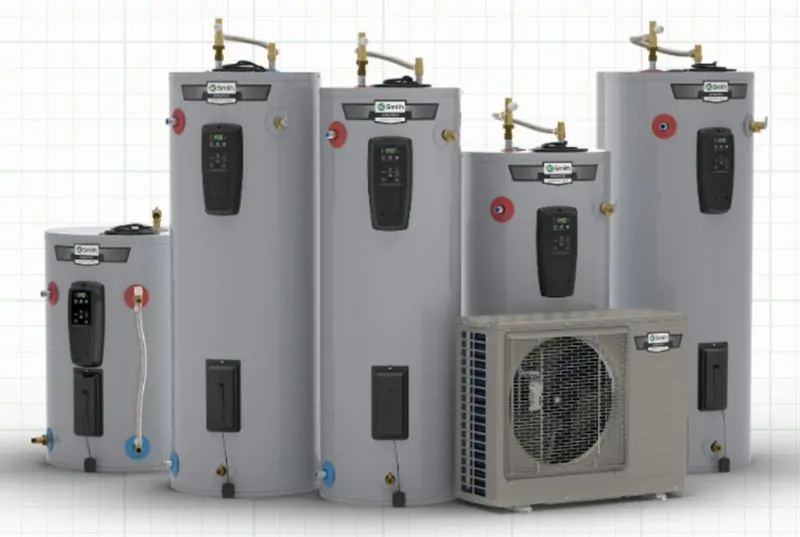
Choosing between a split heat pump and a standard electric heater requires more than comparing purchase prices. Both use electricity, but they transfer or create heat in different ways. That distinction affects energy use, operating costs, installation, noise, and available space. A standard heater sends current through resistance elements, while a heat pump moves heat into water. The comparison becomes clearer after examining efficiency, equipment layout, household demand, and long-term ownership.
How the Two Systems Heat Water
Resistance heating converts electrical energy into heat at the element, while a split heat pump gathers heat from surrounding air and transfers it to water. That transfer requires a compressor, fans, refrigerant lines, and controls. Comparing the efficiencies of a split heat pump (electric v heat pump) helps households evaluate energy input with delivered heat before choosing equipment for a project.
A standard electric heater uses resistance elements inside a tank. When the thermostat calls for heat, electricity passes through those elements and raises water temperature. The tank stores hot water, and insulation slows down heat loss between cycles. Every unit of heat comes from purchased electricity during each cycle.
A split heat pump separates the outdoor assembly from the indoor storage tank. Refrigerant lines connect the sections, keeping the compressor and fan away from the water tank. The system extracts heat from outdoor air and transfers it through a heat exchanger.
Energy Use and Operating Cost
The electric heater’s efficiency is easy to describe because its electrical input directly produces heat at the element. A heat pump uses electricity to move heat, so its electrical input and heat output follow a different relationship. Its efficiency changes with outdoor temperature, water temperature, airflow, and control settings. Those conditions make installation, sizing, and operating habits part of the comparison.
The monthly cost depends on demand, local electricity rates, incoming water temperature, and equipment settings. A resistance heater draws electricity whenever its elements run. A heat pump usually needs less electrical input for the same task but runs for longer at lower output.
Efficiency labels use different measures, so households should read the product documentation carefully. A rating describes performance under defined test conditions, not every home’s daily pattern. Outdoor climate, water temperature, draw timing, and setpoint affect results. Comparing the same assumptions for each option produces a more useful estimate than relying on a single label for a household’s final decision.
Installation and Space
Split systems need an outdoor location, an indoor tank location, refrigerant piping, electrical service, condensate management, and commissioning. The installer must account for line length, clearances, airflow, drainage, and weather exposure. A standard electric tank needs a footprint, water connections, electrical service, and service clearance.
The split layout separates noise-producing equipment from the tank, although the outdoor fan and compressor need suitable placement. The tank requires room for connections and maintenance access. Heat-pump systems need airflow around the outdoor unit, while a resistance tank has fewer placement conditions. A site review should confirm dimensions, electrical capacity, piping routes, and drainage before work begins.
Hot-Water Performance and Controls
A standard electric tank delivers heat at a high rate when its elements are energized. A split heat pump recovers stored heat more gradually, so tank size and household schedules matter. Simultaneous showers and frequent draws require a properly sized system. Controls can schedule heating during lower-demand periods, but they cannot replace correct sizing.
Both systems need maintenance, but tasks differ. Electric tanks need checks of electrical connections, controls, heating elements, valves, and tank conditions. Split heat pumps add filter cleaning, coil inspection, refrigerant checks, condensate-line care, and outdoor-unit clearance. Keeping airflow and drainage clear helps maintain expected operation.
Choosing Between the Options
The right choice depends on efficiency, space, and ownership plans. A household with limited outdoor space or simple replacement needs may favor a standard electric tank. A home with suitable exterior space may gain more from examining heat-pump performance and operating patterns.
Homeowners should compare installed price, expected electrical use, rebates, service requirements, sound location, and recovery performance. A qualified installer can calculate demand, confirm electrical requirements, inspect the area, and explain each control system.
Conclusion
The difference between these heaters lies in how they use electricity, how quickly they recover, and what the installation area supports. A standard electric heater keeps the equipment simple, while a split heat pump requires more space, airflow, and checks. Before replacing a water heater, gather utility rates, usage, space, electrical details, and installation quotes. Then compare projected operating costs with service needs, not the purchase price alone, and select a system that fits the home’s demand.
About the Author