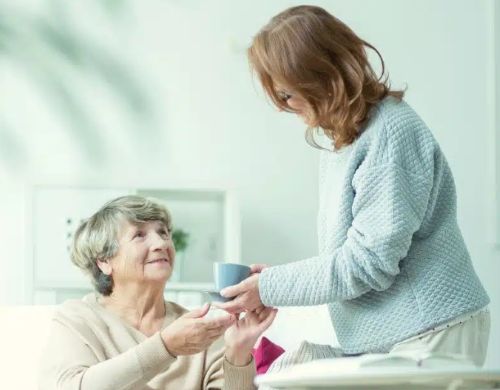
Caring for family members is one of the oldest and most enduring human traditions. Long before formal healthcare systems existed, families were the primary source of support for the elderly, the ill, and those with additional needs. While the methods and resources have evolved over time, the core principle of looking after loved ones has remained constant across generations.
Early Traditions of Family Care
In ancient societies, care was deeply rooted in community and family life. In civilisations such as Ancient Egypt, Greece, and Rome, families were expected to take responsibility for their own. There were no hospitals or professional carers in the modern sense, so care was provided at home using traditional knowledge, herbal remedies, and shared experience.
Elders were often respected as sources of wisdom, so caring for them was seen as both a duty and an honour, despite being demanding.
The Middle Ages and Community Support
During the Middle Ages, family care remained the foundation of support, but religious institutions began to play a larger role. Monasteries and churches sometimes offered basic care for the sick and vulnerable, although access was limited.
Caregiving during this time often involved a combination of practical help and spiritual support. Families would look after loved ones in their homes, providing food, comfort, and whatever treatment was available. The lack of medical advancement meant that caregiving required patience, resilience, and strong emotional commitment.
The Shift Toward Formal Care Systems
The Industrial Revolution brought significant changes to family structures and caregiving. As people moved into cities for work, extended families became less common, and the ability to care for relatives at home was sometimes reduced. This period saw the gradual emergence of hospitals, care homes, and more structured forms of support. Despite these developments, family care did not disappear. Instead, it evolved.
Modern Day Family Care
Today, family care remains a vital part of society, but a wide range of services and resources now support it. Advances in medicine, technology, and social care have made it easier to manage complex health conditions at home. However, the role of the family caregiver is still significant and often demanding.
Modern caregivers often juggle multiple responsibilities, including work, childcare, and personal commitments. This can make it challenging to provide consistent care without experiencing fatigue or burnout. As a result, the need for flexible support options has become increasingly important.
The Rise of Respite Care
One of the most important developments in recent years is the availability of respite care. This type of support allows family caregivers to take a break while ensuring their loved one continues to receive high-quality care. It recognises that caregivers also need time to rest, recharge, and maintain their own wellbeing.
Services like in home respite care with Care For Family, in particular, have become a popular option. It allows individuals to remain in familiar surroundings while receiving professional assistance. Getting tailored support that fits around the needs of both the individual receiving care and their family members helps reduce stress, improve quality of life, and create a more sustainable caregiving arrangement.
Balancing Tradition and Modern Support
The history of family care shows a clear pattern of adaptation. While the responsibility has always remained close to home, the ways in which care is delivered have changed significantly. Today, families no longer have to carry the full weight of caregiving alone.
Conclusion
Family care has come a long way from its early roots, evolving alongside society to meet changing needs and expectations. While the methods and resources may have transformed, the underlying commitment to supporting loved ones remains as strong as ever. By understanding this history, we can better appreciate the importance of care and continue to build systems that support both caregivers and those they care for.
About the Author