African American gospel music transformed sorrow, worship, and protest into a sacred sound of survival, liberation, and cultural power.

By Matthew A. McIntosh
Public Historian
Brewminate
Introduction: Gospel as Sacred Sound, Historical Memory, and Freedom Practice
African American gospel music did not begin as a commercial genre, a radio format, or a neatly bounded style of church performance. It emerged from a much longer history in which Black communities turned sound into a means of survival, memory, worship, and resistance. Before gospel had a name, enslaved Africans and their descendants were already reshaping inherited musical practices under the violence of American slavery, joining call-and-response, rhythmic complexity, improvisation, communal movement, biblical narrative, and Protestant hymnody into spirituals that spoke in more than one register at once. These songs could console, instruct, mourn, encode hope, and imagine deliverance. They did not simply reflect suffering; they gave suffering a form through which people could endure without surrendering the inner life that slavery tried to crush. In that sense, the roots of gospel were not only musical but existential. The voice became a shelter when institutions offered none. Rhythm became a way of keeping community intact when families, bodies, labor, and time were claimed by others. Biblical stories of exile, bondage, wilderness, and promised land became usable historical language, not abstract theology, because enslaved people heard in them the possibility that divine justice might name what earthly law denied.
That history matters because gospel has often been misunderstood when treated only as “religious music.” It is religious, deeply so, but its religious power has always been entangled with Black historical experience. The spirituals of enslaved communities, the concert spirituals of the Fisk Jubilee Singers, the sanctified worship of Holiness and Pentecostal churches, the gospel blues of Thomas A. Dorsey, the commanding voices of Mahalia Jackson and Sister Rosetta Tharpe, the freedom songs of the Civil Rights Movement, and the mass choir and contemporary gospel traditions of the late twentieth and twenty-first centuries all belong to a single, evolving story. At every stage, sacred sound carried more than doctrine. It carried memory of captivity, longing for liberation, strategies of community, and the emotional knowledge of a people forced to make hope audible before freedom was fully real.
The history of gospel also unsettles any rigid separation between the sacred and the secular. Gospel drew from spirituals, hymns, blues feeling, urban migration, revival preaching, storefront worship, radio, records, and popular performance, even as it insisted on a sacred center. Its greatest innovators were often accused of crossing lines: Dorsey brought blues-inflected musical language into the church; Tharpe carried gospel guitar into spaces that helped shape rock and roll; Civil Rights activists adapted spirituals and hymns into public songs of protest; later artists brought funk, soul, R&B, hip-hop, and contemporary studio production into worship. Yet this boundary-crossing was not a betrayal of gospel’s history. It was one of its defining methods. Gospel has survived by absorbing the sounds of Black life without abandoning the spiritual grammar that made those sounds communal, testimonial, and redemptive. The same tradition that could fill a church aisle with handclaps and shouted praise could also move through phonograph records, radio broadcasts, concert stages, protest marches, television specials, and streaming platforms. Each new medium changed the music, but none erased its older function as a vessel of testimony. Gospel’s power has rested precisely in that tension: it could be intimate and public, sacred and popular, local and global, disciplined and ecstatic, ancient in memory and modern in sound.
I approach African American gospel music chronologically, but not as a simple march from “old” to “modern.” It follows gospel as a freedom tradition: born from the sacred creativity of enslaved people, preserved and transformed through Reconstruction and Black educational institutions, intensified through Holiness and Pentecostal worship, formalized in the urban churches of the Great Migration, nationalized through radio and recordings, politicized through Civil Rights activism, institutionalized through mass choirs, and continually remade through contemporary gospel and crossover forms. Its central argument is that gospel music is one of the great historical achievements of African American culture because it made sound into a vessel of faith, historical memory, public courage, and liberation. It did not merely accompany Black history. Again and again, it helped Black communities survive it, interpret it, and sing beyond it.
African Musical Memory, Enslavement, and the Making of Spirituals
Before African American gospel music could emerge as a named tradition, enslaved Africans and their descendants had already created a sacred musical world under conditions designed to sever memory, kinship, language, and autonomy. The people forced into the Atlantic slave system did not arrive as cultural blanks. They came from diverse West and Central African societies with different languages, cosmologies, musical practices, ritual systems, and social structures, yet many shared broad musical principles that would remain powerful in the Americas: call-and-response singing, layered rhythm, improvisation, communal participation, bodily movement, repetition with variation, and a refusal to separate music sharply from work, worship, grief, healing, and collective life. Under slavery, those inheritances could not be preserved unchanged, but neither were they erased. They survived through adaptation, memory, gesture, rhythm, and the disciplined creativity of people whose cultural worlds had been violently disrupted but not destroyed.
The musical life of enslaved communities developed within a brutal contradiction. Slaveholders often tried to control Black movement, assembly, literacy, family life, and religious instruction, yet they also relied on enslaved labor in fields, households, workshops, docks, and roads where sound became part of daily survival. Work songs, field hollers, cries, moans, and communal singing helped regulate labor, communicate across distance, mark time, soften exhaustion, and create fleeting spaces of expression within coercion. These sounds belonged to a world in which the body was exploited as labor but still remained a source of rhythm, memory, and spiritual assertion. A holler could be shaped by isolation, but it could also travel beyond the singer, carrying presence across fields where direct conversation was monitored or impossible. A work song could keep pace with forced labor, but it could also turn the imposed tempo of labor into something partially reclaimed by those compelled to perform it. These were not yet “gospel,” nor should they be folded too quickly into later church music. They belonged to a wider soundscape of Black life under slavery, where sacred and secular expression often overlapped because the conditions of life did not permit neat categories. A cry in the field, a song in a praise meeting, a chant at a burial, and a rhythmic shout in a clandestine gathering could all carry emotional and spiritual meanings that exceeded the setting in which they occurred.
Christianity entered this world unevenly and often coercively. Some enslavers feared that Christian instruction might encourage claims to spiritual equality or human dignity, while others supported limited evangelization so long as it reinforced obedience. Missionaries, ministers, and slaveholders frequently emphasized biblical passages that urged submission, but enslaved people did not simply receive Christianity as it was handed to them. They interpreted it through their own experience of captivity and longing. The Exodus story, the suffering of Christ, the trials of Israel, the promise of deliverance, and the hope of heaven became more than theological ideas. They became historical language through which enslaved people could name bondage, imagine judgment, and claim a sacred identity beyond the legal fiction of property. In this reinterpretation, Christianity became both imposed and remade, both a tool of discipline and a language of liberation.
The spirituals emerged from that remaking. They were religious folk songs, but they were also compressed historical documents, bearing the marks of enslavement, forced conversion, African musical memory, biblical imagination, and communal performance. Their power lay partly in their doubleness. A spiritual could speak of heaven while also longing for earthly freedom. It could invoke Jordan as a river of salvation, but also suggest crossing, departure, and escape. It could mourn the present while refusing to grant the present final authority. Songs such as “Go Down, Moses,” “Steal Away,” “Wade in the Water,” “Swing Low, Sweet Chariot,” and “Nobody Knows the Trouble I’ve Seen” should not be reduced to simple codes, as if every lyric possessed one fixed hidden meaning in every context. Their force was more flexible and more profound. They created a symbolic language in which biblical time, African-descended performance, and enslaved experience could meet without requiring everything to be spoken plainly before hostile ears. This symbolic language mattered because slavery made open speech dangerous, especially when speech concerned freedom, flight, judgment, or resistance. Spirituals could operate through indirection, not because enslaved singers lacked clarity, but because indirection itself was a survival art. A line about crossing over, stealing away, going home, or following Moses could gather emotional, theological, and sometimes practical meanings at once. The song did not need to choose between heaven and earth, because enslaved life had already made both registers inseparable.
The performance of spirituals mattered as much as their words. Call-and-response singing allowed a leader and community to create sound together, making the song a shared event rather than a fixed composition. Improvisation permitted singers to adapt lines to immediate feeling, local circumstance, and spiritual need. Repetition deepened emotional force, while variation kept the song alive in performance. Handclapping, foot movement, swaying, moaning, humming, and shouted responses made the body part of the music, not an accessory to it. In ring shouts and other communal practices, movement and sound joined in sacred discipline, often preserving African-derived patterns within a Christianized frame. The counterclockwise movement, the steady pulse, the overlapping voices, and the gradual intensification of communal energy created worship as an enacted experience rather than a merely verbal confession. This embodied worship troubled many white observers and some Black religious leaders shaped by more restrained Protestant ideals, but it was central to the spirituals’ power. These songs were not merely heard. They were inhabited. They gathered the community into a shared field of breath, rhythm, memory, and expectation, making sacred song a collective practice through which people could feel, for a moment, less isolated inside the machinery of bondage.
The conditions under which spirituals were sung also shaped their meaning. Enslaved worship could occur in formally supervised services, in plantation prayer meetings, in brush arbors, in praise houses, or in clandestine gatherings sometimes remembered as “hush harbors.” These spaces were never wholly secure, and the danger surrounding them intensified the emotional authority of the music. Singing together could become an act of spiritual gathering in a world where gathering itself was watched. It could affirm community when families were vulnerable to sale. It could create a sense of divine nearness when law and custom denied Black personhood. The spirituals carried memory not only in their lyrics, but in their use. They helped produce a people out of those whom slavery tried to isolate, classify, and commodify.
The spirituals were not only songs of sorrow. The phrase “sorrow songs,” made famous by W. E. B. Du Bois, captures something essential about their grief, but it can also narrow their range if taken alone. Spirituals could lament, but they could also rejoice, mock, warn, testify, instruct, and sustain. They could imagine escape from Egypt, rest after suffering, reunion beyond death, judgment upon oppressors, and a future not yet visible. Their emotional world was not passive resignation. It was disciplined hope. That hope was not naïve, because it had been forged in intimate knowledge of violence. Nor was it merely otherworldly, because the language of heaven often gave enslaved people a way to measure the injustice of the earth. Spirituals did not distract from bondage. They exposed bondage by singing from a moral universe larger than slavery’s claims.
The making of spirituals is the first great chapter in the history of African American gospel music, not because gospel and spirituals are identical, but because gospel inherited their deepest grammar. Later gospel would add blues harmony, urban church instrumentation, commercial publishing, radio performance, mass choirs, and contemporary production. Yet beneath those changes remained older patterns: the leader and the answering community, the sanctified voice bending pitch into testimony, the biblical image turned toward Black experience, the body drawn into worship, and the song as a means of survival. Spirituals were not primitive precursors waiting to become modern gospel. They were already complex acts of theology, memory, and resistance. Gospel would grow from them because they had already taught Black sacred music how to carry history in the voice.
Emancipation, Reconstruction, and the Public Life of the Spiritual
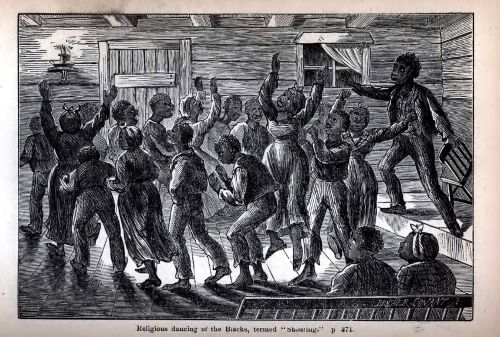
Emancipation did not end the history that had produced the spirituals, but it changed the conditions under which those songs could be heard, remembered, arranged, and performed. Under slavery, spirituals had often lived in fields, quarters, praise houses, brush arbors, secret meetings, and communal worship shaped by surveillance and danger. After the Civil War, formerly enslaved people carried those songs into a radically altered world of freedom, uncertainty, poverty, violence, migration, schooling, church-building, and political struggle. The spirituals now entered spaces where Black communities could organize more openly, especially through independent churches and educational institutions. Yet emancipation did not make the songs merely celebratory. Their older meanings remained present because freedom itself was contested. The same songs that had voiced longing under bondage could now speak to the difficult work of making freedom durable in a society determined to limit it. Their biblical language of deliverance, exile, judgment, and promised rest remained painfully relevant in a world where slavery had been abolished but racial terror, labor exploitation, family separation, and political betrayal continued to threaten Black life. In that sense, the spirituals did not become obsolete at emancipation. They became a bridge between the memory of bondage and the unfinished practice of freedom.
Reconstruction gave Black sacred music new institutional settings. African American churches expanded as central spaces of worship, leadership, education, mutual aid, political gathering, and cultural continuity. In these churches, spirituals did not simply survive as relics of slavery; they entered the religious life of freed communities still struggling to define what freedom meant in everyday practice. Congregations sang from hymnals, learned new forms of worship, joined denominational structures, and built schools, but the older oral tradition remained a powerful reservoir of memory. The spirituals linked the antebellum past to the uncertain present, reminding freedpeople that liberation had been imagined long before it had been legally proclaimed. Black sacred song helped Reconstruction communities interpret emancipation not merely as a political event, but as a providential, communal, and historical threshold.
The public career of the spirituals took a decisive turn through Black educational institutions, especially Fisk University in Nashville. Founded in the aftermath of the Civil War to educate formerly enslaved people and their descendants, Fisk struggled financially in its early years. In 1871, a small group of student singers began touring to raise money for the school, eventually becoming known as the Fisk Jubilee Singers. Their performances introduced spirituals to northern, white, elite, and eventually international audiences, but the process was neither simple nor painless. Early listeners often expected plantation caricature, minstrel entertainment, or sentimental novelty. Instead, the Jubilee Singers presented spirituals with discipline, restraint, choral polish, and moral seriousness. Their success helped save Fisk and made the spirituals audible in public culture as something more than slave songs remembered in private. They became concert music, institutional music, and evidence of Black artistic dignity.
That transformation brought both preservation and alteration. In the world of the Fisk Jubilee Singers and similar ensembles, spirituals were arranged, harmonized, disciplined, and adapted for the concert stage. This made them legible to audiences accustomed to European choral forms and Protestant respectability, but it also changed their texture. Songs that had once depended on improvisation, bodily movement, flexible rhythm, communal response, and local variation were often refashioned into fixed arrangements. The raw immediacy of the praise house or field gathering gave way to trained ensemble singing. This was not simply a loss, because without such public performance many spirituals might have remained more vulnerable to neglect, distortion, or disappearance. Yet it was also not a neutral act of preservation. The concert spiritual translated Black sacred memory into a form that could circulate through institutions of philanthropy, education, print, and respectability. It asked the music to bear two burdens at once: to remain faithful to the religious and historical experience from which it came, and to persuade audiences who often understood Black culture through racist expectation or sentimental distance. The very polish that helped the spirituals gain public authority could also soften their rougher communal edges, making them acceptable to listeners who might admire the songs while ignoring the social order that had made them necessary.
The spirituals also became part of a broader struggle over representation. In the postwar United States, Black people faced the intertwined burdens of racial violence, economic exploitation, disfranchisement, and racist caricature. Minstrelsy had long mocked Black speech, song, movement, and personhood for white entertainment. Against that backdrop, the public performance of spirituals by Black singers could become an act of cultural correction. The Fisk Jubilee Singers, Hampton Singers, and later concert performers presented Black sacred music as art, testimony, and historical witness. Their performances challenged the assumption that Black music belonged only to plantation nostalgia or comic degradation. They often had to satisfy white patrons, donors, and audiences whose approval carried material consequences. The spirituals entered public life through a tension that would recur throughout gospel history: Black sacred sound could claim dignity and power, but it often had to do so before audiences eager to control its meaning. The politics of respectability were never far away. Choral discipline, formal dress, carefully selected repertoire, and restrained stage presentation could protect Black performers from racist dismissal, but those same strategies also reflected the pressure to prove humanity and refinement before a society that should never have demanded such proof. Public spiritual performance was both an assertion of Black cultural authority and a negotiation with the gaze of white philanthropy, white taste, and white power.
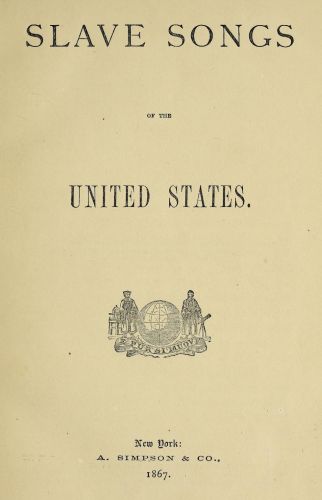
The publication and collection of spirituals deepened this tension. Works such as Slave Songs of the United States, published in 1867, helped preserve lyrics and melodies that might otherwise have been lost, and later collections by James Weldon Johnson and J. Rosamond Johnson brought spirituals into literary, musical, and educational circulation. These collections mattered because they treated the songs as worthy of documentation, not as disposable folk remnants. Yet printed collections could only capture part of what made the music live. Notation struggled to represent vocal timbre, rhythmic elasticity, improvisational variation, moans, bends, shouts, and communal participation. The spiritual on the page was valuable, but incomplete. It preserved a trace, not the full event. This problem would follow African American sacred music into every archive: what could be saved was often not identical with what had been sung.
By the end of the nineteenth century, the spiritual had become a public symbol of Black suffering, survival, and artistic achievement. It linked slavery to freedom, rural memory to institutional ambition, oral tradition to print culture, and communal worship to national and international performance. This public life did not replace the spiritual’s older sacred meanings, but it reframed them. The songs now carried the burden of representing a people before the nation and the world. They helped fund Black education, challenged racist caricature, preserved memories of enslavement, and offered a sacred vocabulary for freedom’s unfinished work. Later gospel would inherit this public dimension. Like the spirituals after emancipation, gospel would move between church and stage, testimony and performance, worship and commerce, always carrying the question of how Black sacred sound could enter public life without surrendering its historical soul.
Holiness, Pentecostal Worship, and the Sanctified Sound
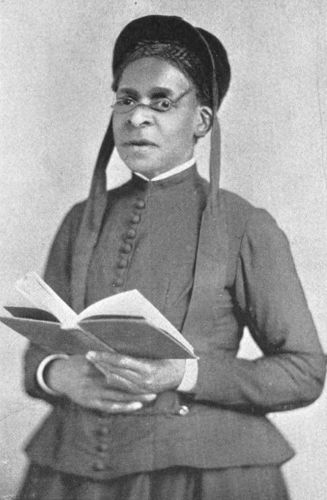
Between the public rise of the concert spiritual and the emergence of modern gospel as a named genre, African American sacred music moved through another crucial transformation: the growth of Holiness and Pentecostal worship. These traditions did not simply add energy to Black church music. They changed the religious meaning of sound itself. In sanctified worship, singing, shouting, clapping, dancing, moaning, testifying, tarrying, and speaking in tongues were not distractions from doctrine or emotional excesses around the edges of worship. They were signs of divine nearness, bodily surrender, spiritual power, and communal participation. This mattered deeply for the later history of gospel, because gospel would inherit not only melodies and biblical themes from spirituals, but also the sanctified conviction that the voice could become a vessel of the Spirit.
The Holiness movement had roots in nineteenth-century Methodist perfectionism, with its emphasis on sanctification, disciplined moral life, and the possibility of a deeper work of grace after conversion. Pentecostalism intensified that language by emphasizing baptism in the Holy Spirit, ecstatic worship, healing, prophecy, and glossolalia. In African American religious life, these movements developed within communities already shaped by slavery, emancipation, migration, poverty, racial terror, and the search for religious spaces where Black people could exercise spiritual authority. Churches such as the Church of God in Christ became especially important, not only because they institutionalized Black Pentecostal worship, but because they gave sanctified practice a durable denominational home. The result was a religious culture in which holiness was not merely an inward state. It was performed, heard, disciplined, embodied, and shared. That combination of discipline and ecstasy is essential. Sanctified worship was not simply spontaneous emotional release, even when it looked that way to outsiders. It was shaped by inherited practices, congregational expectation, biblical interpretation, gendered labor, and communal recognition of what counted as genuine spiritual power. The shout, the testimony, the moan, and the repeated chorus all operated within a shared religious grammar that allowed worshippers to distinguish performance from anointing, noise from power, and display from the felt movement of the Spirit.
The sanctified sound differed from the restrained choral spiritual associated with Jubilee performance. Where concert spirituals often emphasized control, harmony, refinement, and respectability, Pentecostal and Holiness worship made room for rupture, repetition, intensification, and holy disorder. The congregation did not merely listen to sacred music; it entered it. A song might begin with a simple line, repeated until it gathered force. A soloist might bend a note into a cry, and the congregation might answer with claps, shouts, amens, or movement. The organ, tambourine, handclap, drum, guitar, and later horns or piano could push the service toward collective release. This was not disorder in the sense of confusion. It was a different kind of order, organized around spiritual responsiveness rather than formal restraint. The service moved according to call, answer, breath, testimony, and the felt arrival of power.
This embodied worship generated controversy. Many middle-class Black congregations, especially those shaped by Baptist, Methodist, Episcopalian, Congregational, or Presbyterian respectability, viewed sanctified worship as too emotional, too bodily, too rural, too working-class, or too close to the forms of Black expression that white observers had long caricatured. The issue was never simply musical taste. It involved class, gender, theology, racial representation, and the politics of public dignity. Respectable worship promised protection from racist ridicule by displaying discipline, literacy, theological order, and choral refinement. Sanctified worship insisted that dignity did not require emotional restraint before God. For people whose lives had been disciplined by poverty, racism, and labor exploitation, the shout, the moan, the dance, and the tambourine could become forms of sacred self-possession. The very gestures dismissed as excessive were often the gestures through which worshippers claimed that their bodies, voices, and emotions belonged to God rather than to the social order that degraded them. This conflict also shaped the later reception of gospel itself. When gospel blues, tambourine-driven praise, and ecstatic vocal styles entered larger Black church settings, critics often heard not merely a new musical style but a challenge to assumptions about refinement, authority, and the proper boundaries of worship. The sanctified sound forced Black religious communities to confront a difficult question: whether sacred dignity was best protected by restraint or revealed through the full release of a people who had been denied bodily and emotional freedom.
Women were central to this sanctified world. They sang, testified, organized, evangelized, taught, raised money, sustained congregations, led auxiliaries, and shaped the devotional life of Holiness and Pentecostal churches. In the Church of God in Christ and related traditions, women’s labor helped make sanctified religion both intimate and institutional. This matters for gospel history because women would also become some of gospel’s most important carriers: prayer leaders, choir directors, soloists, composers, evangelists, entrepreneurs, and recording artists. The sanctified church gave many women a space in which spiritual authority could be performed through voice and bodily presence, even when formal ecclesiastical power remained constrained. The future sound of gospel was not built only by male ministers, composers, and denominational founders. It was formed in women’s prayer bands, testimony services, missionary circles, choir rehearsals, and worship practices where sacred authority often moved through song before it moved through office.
By the early twentieth century, Holiness and Pentecostal worship had prepared the sonic ground on which modern gospel could flourish. It preserved elements of older Black sacred performance while opening them to new instruments, new intensities, and new urban contexts. It made the congregation an active musical body, treated repetition as spiritual deepening, allowed the solo voice to stretch toward testimony, and welcomed the emotional vocabulary that would later connect gospel to blues, soul, rhythm and blues, and rock and roll. Gospel would not simply borrow from sanctified worship; it would grow from the same conviction that music could carry the Spirit into the room. The sanctified sound taught gospel how to move, how to build, how to break open, and how to make worship audible as power.
The Great Migration, Urban Black Churches, and the Birth of Modern Gospel
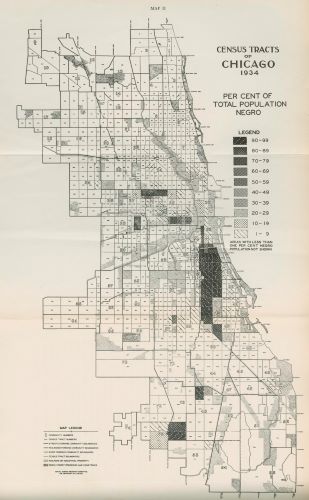
The emergence of modern gospel music cannot be separated from the Great Migration. Between the early twentieth century and the decades after World War II, millions of African Americans left the rural South for northern, midwestern, and western cities, carrying with them religious memory, musical practice, family networks, political hope, and the wounds of Jim Crow. Chicago became especially important, not because gospel belonged only to Chicago, but because the city concentrated many of the forces that made modern gospel possible: Southern migrant churches, storefront congregations, commercial music publishing, recording companies, radio, Black newspapers, industrial labor, and a dense world of neighborhood worship. In the countryside, sacred song had often been tied to fields, praise houses, camp meetings, and rural churches. In the city, it entered brick sanctuaries, rented halls, storefront missions, settlement neighborhoods, apartment buildings, train stations, and commercial studios. The geography changed, and with it the sound changed.
Migration did not simply move Black southerners from one place to another. It altered their religious needs. The city promised wages, anonymity, political possibility, and escape from the most direct forms of southern racial terror, but it also produced loneliness, overcrowding, job insecurity, housing segregation, and new forms of exploitation. Migrants needed churches that could do more than preserve inherited worship. They needed institutions that could orient them in unfamiliar streets, provide mutual aid, rebuild community, and speak to the emotional strain of displacement. Urban Black churches became spiritual homes, social agencies, political meeting places, employment networks, and cultural centers. In that context, sacred music had to carry both memory and adaptation. It had to sound like home while also making sense of the city.
The older spirituals did not disappear in this urban world, but they no longer stood alone. Migrant worship absorbed blues tonality, sanctified rhythm, congregational shouting, hymnody, testimony, and the commercial musical language of the modern city. The blues was especially important, not because gospel became secular music, but because blues feeling gave sacred song a vocabulary for personal sorrow, intimate struggle, and emotional realism. For many churchgoers, this was controversial. Blues was associated with night life, dance halls, sexuality, drinking, wandering, and the world outside the church. Yet the line between sacred and secular sound had never been as clean as moral guardians imagined. The same migrants who heard blues in the streets or on records also carried spirituals, hymns, and sanctified songs into worship. Modern gospel emerged from that contested border, where the ache of the blues could be redirected toward prayer, testimony, and divine dependence.
Thomas A. Dorsey stands at the center of this transformation. Born in Georgia and musically formed by both church and blues traditions, Dorsey worked as a blues pianist and composer before becoming the figure most widely identified as the “father of gospel music.” His importance lay not merely in composing songs, though he wrote hundreds, but in giving shape, legitimacy, organization, and commercial circulation to a new sacred style. Dorsey’s gospel joined blues-inflected melody, personal emotional directness, and explicitly Christian lyrics. It was neither the concert spiritual of the Jubilee tradition nor the older lined-out hymn. It was urban, intimate, wounded, prayerful, and immediately usable by congregations facing modern pressures. In songs such as “Take My Hand, Precious Lord,” grief did not disappear into doctrinal certainty. It trembled, reached, pleaded, and found sacred force in vulnerability.
Dorsey’s gospel was not immediately accepted. Many ministers and church musicians objected to what they heard as blues contamination in sacred space. The piano style, melodic bends, rhythmic pulse, and emotional intensity seemed to some like the world entering the church through the side door. This resistance is crucial because it shows that gospel was born through conflict, not consensus. Modern gospel challenged older ideas about what sacred music should sound like, who had authority to define reverence, and whether the emotional vocabulary of Black secular life could be redeemed for worship. Dorsey and his collaborators answered these objections not by abandoning the blues feeling, but by insisting that pain itself could become prayer. In their hands, musical forms associated with worldly sorrow were turned toward sacred consolation, and the church was forced to confront the fact that the people in its pews did not live in a world of untouched purity. The controversy also exposed a deeper theological question: whether holiness required separation from the sounds of ordinary Black life, or whether holiness could transform those sounds from within. Dorsey’s gospel made the second argument musically. It suggested that the blues-inflected cry, rather than being unfit for worship, might be one of the most honest forms through which a wounded soul could reach toward God. That claim did not remove the tension between church and world, but it made the tension productive, turning suspicion into one of gospel’s engines of innovation.
Dorsey also built institutions. He worked with singers, churches, conventions, publishers, and organizers to move gospel from local innovation into a recognizable movement. The National Convention of Gospel Choirs and Choruses, organized in the 1930s, became a key vehicle for teaching, spreading, and legitimizing the new music. Figures such as Sallie Martin were indispensable in this process. Martin helped promote Dorsey’s songs, sold sheet music, trained singers, organized performances, and carried the gospel sound into churches that might otherwise have resisted it. Her role reminds us that gospel history cannot be told only through composers and star performers. It was made through networks of labor: women selling music, arranging concerts, coaching choirs, managing reputations, correcting phrasing, and persuading pastors that this new sound belonged in the sanctuary.
The urban church also changed the relationship between congregation, choir, soloist, and marketplace. Gospel songs could circulate as sheet music, be performed in church services, travel through conventions, appear on radio, and eventually reach listeners through recordings. A song could begin in devotional use and then move into commercial circulation without losing its religious identity. This mobility gave gospel unusual power. It could remain grounded in worship while also participating in the modern culture industries that shaped American music in the twentieth century. The choir became not only a liturgical body but a trained ensemble; the soloist became both a witness and a public artist; the composer became both servant of the church and participant in a market. These roles created new opportunities and new anxieties, especially around money, fame, authenticity, and sacred purpose. Gospel’s entry into print, radio, and recording also altered the way authority worked inside Black sacred music. A song no longer depended only on local memory or congregational transmission. It could be standardized, copyrighted, sold, rehearsed from published arrangements, and associated with particular composers, publishers, and star interpreters. That shift helped gospel spread with remarkable speed, but it also introduced questions that would follow the genre for generations: who owned sacred song, who profited from it, and whether commercial circulation strengthened ministry or exposed it to exploitation.
By the 1930s and 1940s, modern gospel had become a distinct African American sacred genre, though still deeply connected to spirituals, hymns, blues, and sanctified worship. Its birth was not the invention of one man or one city, even if Dorsey and Chicago deserve central attention. It was the product of migration, urban religious creativity, women’s organizational labor, commercial media, and the continuing need for music that could tell the truth about Black life before God. Gospel gave migrants a sacred language for grief, aspiration, loneliness, labor, and hope. It transformed the sound of the Black church by making personal struggle musically public. It prepared the way for the great gospel voices of the mid-twentieth century and for the later movement of gospel feeling into soul, rhythm and blues, rock and roll, and the freedom songs of the Civil Rights era.
Gospel Women, Radio, Records, and the Sacred-Secular Border
The national rise of gospel in the 1930s, 1940s, and 1950s depended on more than composers, pastors, and denominational movements. It depended on women whose voices, labor, charisma, and organizing power carried the music from church services into radio broadcasts, recording studios, storefront revivals, concert halls, and national touring circuits. If Dorsey helped define modern gospel as a compositional and institutional movement, women made it audible as a public force. They sang the songs into authority. They taught congregations how to receive them. They sold sheet music, trained choirs, led ensembles, corrected phrasing, negotiated church invitations, and turned sacred performance into a disciplined vocation. Gospel’s public history cannot be understood without this female labor, much of it visible in performance and much of it hidden in the practical work that made performance possible. Women also carried gospel across the fragile boundary between church service and public career, often without the institutional protection available to male ministers, pastors, or denominational officials. They had to make sacred authority credible through the voice itself, through repertoire, deportment, testimony, and the moral force of performance. They helped create a gospel public that was not confined to the pulpit, the choir loft, or the Sunday service.
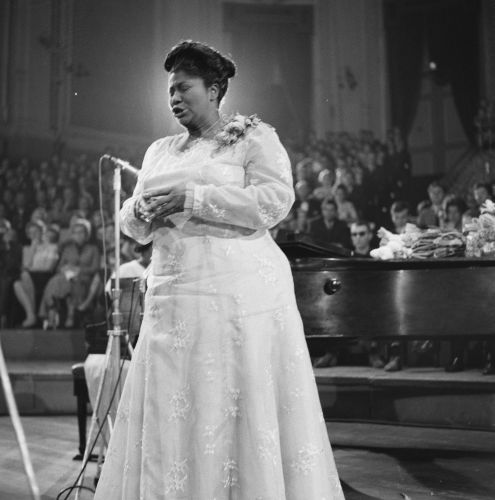
Mahalia Jackson became the most commanding symbol of gospel’s sacred authority in the mid-twentieth century. Her voice carried the weight of church testimony, spiritual inheritance, and blues feeling without surrendering its explicitly religious center. Jackson’s importance lay not simply in her fame, though she became one of the most widely known gospel singers in the world. It lay in the way she made gospel sound morally serious to audiences far beyond the Black church. She could sing with immense emotional force while refusing to let gospel become mere entertainment. Her performances suggested that sacred song could enter concert halls, records, radio, and television without ceasing to be worshipful. That balance mattered because gospel’s expansion into mass media constantly raised the question of whether a song offered to God could also circulate as a commodity.
Sister Rosetta Tharpe pressed that question even harder. A guitar-playing, sanctified performer with extraordinary rhythmic drive, Tharpe brought gospel into nightclubs, theaters, radio programs, records, and interracial performance spaces. Her electric guitar style, vocal attack, and stage presence helped shape the emerging language of rock and roll, even as she remained rooted in gospel performance. Tharpe made the sacred-secular border visibly unstable. To some church audiences, her theatricality and crossover appeal seemed dangerous; to later historians of popular music, her career reveals how much twentieth-century American music owed to Black sacred innovation. She did not simply take gospel into secular space. She exposed how porous that space already was. The shout, the riff, the backbeat, the ecstatic vocal break, and the sanctified guitar line could travel from church to stage because they belonged to a living musical world that commercial categories could not fully contain.
Other women built gospel’s public sound through ensemble work and choral innovation. Roberta Martin, Clara Ward, Marion Williams, the Ward Singers, the Roberta Martin Singers, and later the Caravans helped shape the styles, arrangements, and performance practices that made gospel both polished and emotionally direct. Martin’s refined arrangements and disciplined ensemble sound gave gospel a compositional sophistication that appealed to churches seeking artistry without abandoning devotion. Clara Ward and Marion Williams brought theatrical intensity, vocal daring, and dramatic expressiveness to gospel performance, helping establish the gospel group as a dynamic public institution. These women did not merely sing what male composers wrote. They interpreted, transformed, arranged, dramatized, and embodied the music, giving gospel its mid-century public vocabulary of power, beauty, and holy urgency. Their artistry also shows how gospel’s “group” sound depended on disciplined collaboration rather than anonymous background support. Leads, background singers, pianists, arrangers, and managers created a musical architecture in which individual testimony and collective response could reinforce one another. The gospel ensemble became a portable church sound, able to recreate the emotional structure of worship even on a concert stage or in a recording studio.
Radio and records changed the scale of gospel’s influence. A singer no longer had to be physically present in a church for her voice to shape worshippers’ imaginations. Gospel records circulated through homes, barbershops, beauty salons, storefront churches, and Black neighborhoods, while radio broadcasts extended the reach of choirs, soloists, and quartets. The recording studio introduced new pressures: time limits, microphone technique, arrangement discipline, market appeal, and the need to capture spiritual intensity in a controlled commercial setting. Yet these technologies also gave gospel artists new forms of authority. A recorded performance could become devotional material, a teaching tool, a commodity, and a memory object. It could preserve a singer’s phrasing, spread a new song, standardize a style, and bring the sound of a distant church into a kitchen or bedroom far from the original service.
Commercial success made gospel more visible, but visibility carried risks. Gospel singers who performed outside church settings often faced criticism from religious conservatives who feared worldliness, showmanship, or profit-seeking. The same artists who brought gospel to broader audiences had to defend the sincerity of their ministry against accusations that they were turning worship into entertainment. This anxiety was gendered as well as theological. Women performers were judged not only for musical choices but for dress, movement, public presence, independence, and authority. A male preacher could command a stage as sacred office; a woman gospel singer often had to prove that her public power remained properly devotional. Yet the history of gospel shows that these women did not simply accommodate restriction. They used the stage, the microphone, the record, and the touring circuit to claim a form of religious authority that the pulpit often denied them. Their authority was sometimes fragile, constantly tested by gossip, moral surveillance, and church politics, but it was also powerful because it came through a medium no institution could fully contain: the anointed voice. When a woman singer could move a congregation, silence a crowd, or turn a recorded performance into private devotion, she exercised a sacred influence that exceeded formal title. Gospel became one of the places where Black women’s religious leadership could be heard even when it was not fully recognized as leadership.
By the 1950s, gospel had become one of the central sources of American popular music precisely because it had learned to move across boundaries without losing its testimonial force. Mahalia Jackson, Sister Rosetta Tharpe, Roberta Martin, Clara Ward, Marion Williams, and other women helped make gospel a national sound while preserving its connection to worship, suffering, joy, and deliverance. Their careers reveal that the sacred-secular border was never a simple wall. It was a contested crossing, negotiated again and again through voice, body, repertoire, audience, technology, and market. Gospel women stood at that crossing with extraordinary force. They carried the music outward, and they helped make Black sacred sound one of the deepest foundations of blues, soul, R&B, rock and roll, and the moral soundscape of modern America.
Gospel, Freedom Songs, and the Civil Rights Movement
By the mid-twentieth century, African American gospel music had already become a major sacred tradition, a recording industry, and a source of modern popular sound. Yet during the Civil Rights Movement, its historical role changed again. Gospel and spirituals did not remain confined to the church, concert stage, radio, or record player. They moved into mass meetings, marches, jail cells, buses, voter registration campaigns, sit-ins, and freedom schools. In those spaces, sacred song became a practical instrument of collective courage. Activists did not sing only to express what they already felt. They sang to make themselves brave enough to act, disciplined enough to remain nonviolent under attack, and united enough to endure the terror and exhaustion of sustained struggle.
The freedom song tradition drew from several sources at once: spirituals, hymns, gospel songs, labor songs, folk music, rhythm and blues, and improvised protest chants. It would be too simple to say that Civil Rights music was only gospel. It was broader than that. Yet gospel’s influence was unmistakable because so much of the movement took shape in Black church spaces and depended on Black sacred performance habits. The mass meeting, especially, became one of the movement’s central musical institutions. Before marches or direct actions, participants gathered in churches to pray, testify, hear speeches, receive instructions, and sing. The songs prepared the body and mind for danger. They turned individual fear into communal sound. In that transformation, the older Black sacred grammar of call-and-response, repetition, improvisation, and collective participation became a political resource. This was not a decorative soundtrack added to activism after the fact. It was one of the means by which activism became possible. Singing trained people to breathe together, move together, wait together, and answer fear with a shared voice. In a movement that demanded bodily discipline under provocation, music helped create the emotional and communal structure necessary for nonviolent direct action.
“We Shall Overcome” became the best-known anthem of the Civil Rights Movement, but its power came partly from its ability to gather many histories into one shared act of singing. Its roots lay in earlier hymnody, labor activism, and Black freedom struggle, and by the 1950s and 1960s it had become a flexible song of moral resolve. Sung slowly, collectively, and often with linked arms, it did not sound like triumph already achieved. It sounded like disciplined endurance. Its promise was future-facing: “we shall.” That future tense mattered. It allowed singers to stand inside danger while refusing to let danger define the final horizon. The song did not deny fear, violence, or delay. It placed them within a larger moral movement toward justice.
Other songs carried different emotional and tactical energies. “This Little Light of Mine” transformed a children’s gospel song into a public declaration of visibility and courage. “Ain’t Gonna Let Nobody Turn Me Around” gave marchers a rhythmic language of persistence. “Oh Freedom” linked the struggle against segregation to the deeper memory of enslavement and emancipation. “Woke Up This Morning with My Mind Stayed on Freedom” adapted devotional language into political determination. “Keep Your Eyes on the Prize,” drawing on older spiritual material, offered a compressed theology of perseverance. These songs were not static texts. Activists changed lyrics, inserted local names, responded to immediate events, and turned familiar melodies toward new confrontations. Freedom songs lived because they could be remade in the moment.
The Student Nonviolent Coordinating Committee gave the freedom song tradition some of its most important organizers and interpreters. The Freedom Singers, including figures such as Bernice Johnson Reagon, Cordell Reagon, Rutha Mae Harris, and Charles Neblett, carried movement songs across the country, raising funds, building solidarity, and teaching audiences that the struggle in the South was not an abstraction but a lived moral crisis. Bernice Johnson Reagon later became one of the most important historians and theorists of this music, emphasizing that singing in the movement was not decorative. It was functional. It helped people enter dangerous spaces together. It created what might be called a temporary community of resistance, where breath, rhythm, and shared words made courage contagious. The Freedom Singers also translated local movement experience for national audiences without reducing it to spectacle. When they sang, they carried the sound of mass meetings, jail cells, rural organizing, and student protest into churches, campuses, union halls, and benefit concerts far beyond the places where many confrontations occurred. In that sense, freedom singing became both organizing and witnessing. It raised money, spread information, strengthened morale, and made the interior life of the movement audible to people who might otherwise have encountered Civil Rights struggle only through newspaper photographs or television footage of violence.
Gospel performers also stood close to the movement. Mahalia Jackson’s relationship with Reverend Dr. Martin Luther King Jr. symbolized the connection between Black sacred music and Civil Rights leadership. Jackson sang at major movement events, including the March on Washington in 1963, and her voice carried the authority of the Black church into national political space. Gospel music gave the movement more than emotional uplift. It gave it a sound of moral seriousness rooted in generations of Black Christian witness. When movement leaders spoke of justice, deliverance, suffering, redemption, and beloved community, they were drawing from a religious language that gospel singers had already made audible to millions. The sermon and the song worked together, each deepening the other’s force.
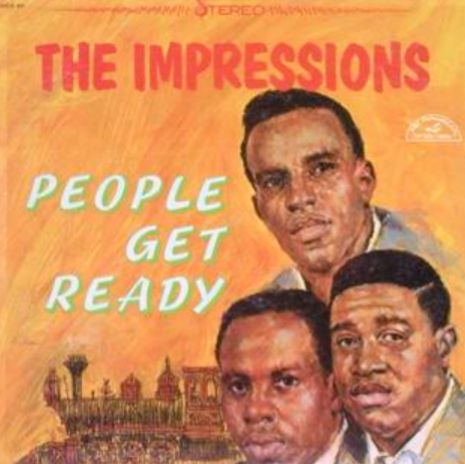
The movement also helped gospel feeling move more visibly into soul music. Curtis Mayfield’s “People Get Ready,” recorded by the Impressions in 1965, was not church gospel in a strict sense, but it carried gospel’s imagery, harmonic warmth, and liberation theology into popular music. Its train image evoked older spiritual and freedom-song traditions, while its calm invitation to readiness gave Civil Rights hope a sound that was both sacred and secular. Similar crossings can be heard in the work of Sam Cooke, Aretha Franklin, Mavis Staples and the Staple Singers, and other artists whose musical vocabularies were shaped by the Black church. The Civil Rights era did not erase the line between gospel and popular music. It made clear that the line had always been porous, especially when the question was freedom. Soul music often carried the residue of church even when its lyrics turned toward romance, social protest, or personal longing. A melisma, a handclap, a shouted refrain, a Hammond organ, or a call-and-response chorus could summon the Black church without naming it directly. Gospel’s emotional and musical grammar helped secular artists communicate urgency, moral appeal, and collective yearning to audiences that extended far beyond the sanctuary.
The freedom songs of the Civil Rights Movement reveal one of gospel’s deepest historical truths: Black sacred music was never only about private salvation. It could become public discipline, collective memory, and democratic demand. In mass meetings and marches, older spirituals and gospel practices were not simply preserved. They were activated. They helped ordinary people face police dogs, fire hoses, jail, bomb threats, beatings, and death with a courage that was neither natural nor effortless. The music did not make suffering holy, and it did not make injustice bearable in any sentimental sense. Instead, it gave communities a way to move through fear without being ruled by it. Gospel’s long history of turning bondage into song now entered the streets, where sacred sound became one of the movement’s most powerful forms of political life.
Mass Choirs, James Cleveland, and the Institutionalization of Gospel
By the late 1960s and 1970s, gospel music had entered another major stage of development. It was no longer only a contested new sound in urban Black churches or a commercial sacred style carried by individual singers, quartets, and small ensembles. It had become an organized national culture with conventions, workshops, professional networks, recordings, publishing structures, touring circuits, and increasingly standardized performance practices. The shift did not remove gospel from worship, but it did change the scale on which worship sound could be taught, rehearsed, reproduced, and circulated. Gospel became institutional without becoming static. It retained the emotional force of testimony and sanctified performance, but it also developed a more formal infrastructure capable of training choirs, spreading repertoire, and shaping national expectations for what modern gospel should sound like. This mattered because gospel’s growth now depended not only on inspiration, local charisma, or the authority of a gifted soloist, but on systems that could transmit style across distance. Workshops, recordings, songbooks, conventions, and touring choirs allowed a church musician in one city to learn sounds developed elsewhere and adapt them to a local congregation. Gospel was becoming both a tradition and a profession, both a worship practice and a teachable art.
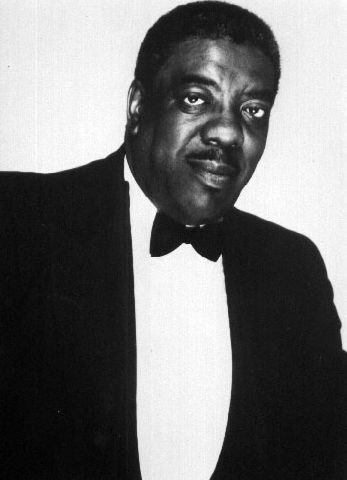
Reverend James Cleveland stood at the center of this development. Known widely as the “King of Gospel,” Cleveland was a singer, pianist, arranger, composer, choir director, preacher, organizer, and recording artist whose influence reached across several decades. His importance lay partly in his voice, a warm and rough-edged instrument that carried both authority and vulnerability. It also lay in his arranging style, which joined traditional gospel feeling to large choir textures, dramatic builds, spoken exhortation, and musical influences drawn from soul, pop, jazz, and the broader soundscape of mid-century Black music. Cleveland did not invent the gospel choir, but he helped make the modern mass choir one of gospel’s defining institutions. In his hands, the choir became more than background support for a soloist. It became a collective body of testimony, capable of overwhelming force, disciplined response, and emotional grandeur.
The Gospel Music Workshop of America was the clearest institutional expression of Cleveland’s vision. Founded by Cleveland in Detroit in 1967, the organization brought together singers, musicians, directors, composers, ministers, and gospel supporters from across the country to teach, perform, publish, network, and preserve the music. Its motto, “Where Everybody is Somebody,” captured something essential about the workshop model. Gospel did not belong only to stars. It belonged to choir members, local directors, church musicians, composers, accompanists, youth singers, and ordinary worshippers whose labor sustained the tradition week after week. The workshop format helped democratize gospel professionalism. It created a national space where local church musicians could learn new songs, refine technique, encounter major artists, and return home with repertoire and methods that reshaped congregational life. It also gave gospel a structure of continuity at a moment when American music industries were rapidly changing. Songs could be introduced, rehearsed, published, recorded, and carried back into churches through a network of people who understood both the devotional purpose of the music and the practical demands of performance. The workshop became a bridge between local worship and national circulation, preserving gospel as a living church tradition while also strengthening it as a professional musical field.
The rise of the mass choir changed gospel’s sonic imagination. Earlier gospel performance had often centered on quartets, soloists, small groups, or local church choirs. Mass choirs magnified the collective dimension of Black sacred song. They could produce a wall of sound that recalled the participatory power of congregational worship while also displaying the discipline of rehearsal and arrangement. The lead singer might still testify, improvise, or stretch a phrase into a moment of spiritual intensity, but the choir answered with organized force. Call-and-response became architectural. Repetition became monumental. Crescendos could be built across dozens or hundreds of voices, creating a sound that felt both communal and orchestral. In this setting, gospel’s older inheritance from spirituals, sanctified worship, and freedom singing was not abandoned. It was amplified.
This choir-centered development also reflected broader social and cultural changes in Black America. The post-Civil Rights era brought new opportunities, new frustrations, and new debates over integration, Black Power, urban crisis, church authority, and cultural identity. Gospel mass choirs answered that moment by making collective Black sacred presence audible on a larger scale. They gave churches and conventions a sound of organized power at a time when Black communities were negotiating both the gains and the unfinished promises of the freedom struggle. The choir could symbolize unity without denying pain. It could stage abundance in communities often marked by economic neglect. It could also create intergenerational continuity, bringing older gospel forms into contact with younger singers shaped by soul, funk, and contemporary popular music. The mass choir became not merely a musical format but a social form: a disciplined community gathered around breath, harmony, rhythm, and sacred declaration.
Recordings intensified this development. Cleveland’s albums with large choirs, along with the recordings of the Gospel Music Workshop of America Mass Choir and other convention-based ensembles, allowed listeners to experience the mass choir outside the immediate setting of a church or workshop. The live gospel album became especially important because it preserved not only songs but events: applause, exhortation, congregational response, spoken introductions, emotional breaks, and the gradual build of worship energy. These recordings trained listeners in how gospel should feel. They also trained choirs in how gospel could be arranged. A church choir in one city could absorb the sound of a convention choir recorded elsewhere, learning its harmonies, pacing, modulations, and dramatic structure. Through records, the mass choir became portable, repeatable, and aspirational. The recording did not simply document gospel performance; it reshaped expectations for live worship itself. Congregations and choir directors could listen repeatedly, internalize the timing of a vamp, the entrance of a soloist, the swell before a modulation, or the moment when spoken exhortation gave way to collective release. Recorded gospel became a kind of informal curriculum, teaching churches how to build intensity, sustain participation, and transform arrangement into spiritual drama.
The institutionalization of gospel was not without tension. Workshops, conventions, awards, record labels, and touring circuits created opportunities for recognition, income, training, and preservation, but they also raised old questions in new forms. Could sacred music become too professional? Could a convention choir reproduce spiritual power, or only perform it? Did standardization strengthen gospel by spreading excellence, or weaken it by smoothing out local variation? These questions echoed earlier anxieties about Jubilee concert spirituals, Dorsey’s gospel blues, and women performers in commercial media. Gospel had always grown by entering new institutions, then wrestling with the cost of doing so. Cleveland’s era did not resolve that tension. It made the tension larger, louder, and more nationally organized.
By the 1980s, the mass choir and workshop model had become central to modern gospel’s identity. Cleveland’s influence helped create a musical world in which the local church choir, the national convention, the live album, the star director, and the trained gospel ensemble all reinforced one another. This institutional gospel did not replace older forms such as quartets, soloists, sanctified praise, or congregational song. Instead, it reorganized the field, giving gospel a powerful national infrastructure through which tradition could be taught, expanded, recorded, and renewed. The result was a music that could sound immense without losing its testimonial center. In Cleveland’s legacy, gospel became a national institution of Black sacred sound, but its deepest claim remained the same: a gathered people could still sing themselves into courage, memory, and hope.
Contemporary Gospel, Crossover, Hip-Hop, and the Marketplace of Worship
By the late twentieth century, gospel entered a new phase shaped by contemporary production, expanding media markets, and the continuing transformation of Black church culture. The mass choir sound associated with Cleveland remained powerful, but it now existed alongside praise teams, polished studio recordings, televised performances, gospel awards, megachurch worship, and artists whose work moved easily across gospel, R&B, funk, soul, pop, and hip-hop. This was not the first time gospel had crossed musical borders. The spirituals had crossed from communal worship into concert performance; Dorsey had brought blues feeling into sacred song; Sister Rosetta Tharpe had carried sanctified guitar into spaces that helped shape rock and roll; and Civil Rights musicians had transformed church sound into public protest. Contemporary gospel continued that history of crossing, but it did so inside a more explicitly commercial and media-saturated environment.
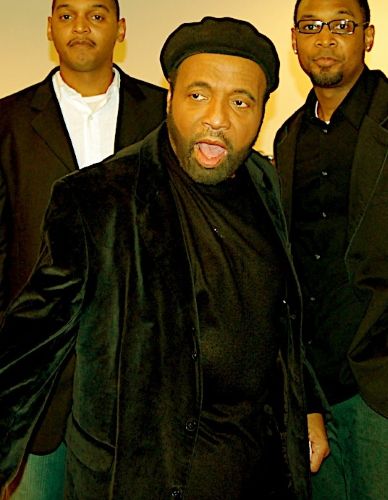
The Clark Sisters became one of the crucial bridges between traditional gospel and contemporary Black popular sound. Rooted in the Church of God in Christ and shaped by the musical vision of Mattie Moss Clark, they brought intricate harmonies, improvisational brilliance, rhythmic daring, and a distinctly modern vocal language into gospel performance. Their music could sound deeply church-based while also anticipating the textures of R&B, funk, and later urban contemporary gospel. The Winans, Commissioned, the Hawkins family, and Andraé Crouch likewise helped expand gospel’s sonic vocabulary, often using studio production, smoother harmonies, and arrangements that appealed beyond strictly traditional church audiences. These artists did not abandon gospel’s sacred core. They demonstrated that modern production could become another vessel for testimony, provided the music retained its devotional center.
Kirk Franklin pushed this transformation further in the 1990s by making gospel converse openly with hip-hop, R&B, youth culture, and contemporary urban sound. His work with the Family and later projects brought rap cadences, programmed beats, danceable grooves, spoken exhortation, and choir-driven hooks into a form that could reach younger listeners who might not have connected with older gospel styles. Franklin’s success also provoked serious debate. To critics, his music sounded too worldly, too commercial, too close to the club, the radio hit, or the entertainment industry. To supporters, it renewed gospel’s missionary function by speaking in the language of a generation shaped by hip-hop and contemporary Black popular culture. The controversy itself placed Franklin in a long gospel lineage. Like Dorsey before him, he forced churches to ask whether the sounds of the world could be redirected toward sacred purpose. His music also changed the social expectation of what gospel performance could look and feel like. Choir members could move with choreographed energy, tracks could pulse with urban radio sensibility, and a gospel album could be marketed to listeners who occupied both church and popular culture without feeling that one identity cancelled the other. Franklin’s work made visible a generational shift in which gospel no longer had to sound old to sound holy, nor avoid contemporary Black youth culture to claim spiritual seriousness.
Women continued to shape contemporary gospel’s direction. Yolanda Adams brought a polished, expansive vocal style that moved between gospel, inspirational music, and adult contemporary sound. Mary Mary carried gospel into the language of R&B, pop, and urban radio, showing that sacred themes could reach commercial audiences without relying on older church conventions. The Clark Sisters’ influence could be heard across gospel and secular music alike, especially in the vocal arrangements and improvisational styles of later R&B singers. Tasha Cobbs Leonard, Tamela Mann, Kierra Sheard, and other contemporary artists extended the tradition in different directions, from worship ballads and congregational anthems to recordings shaped by live praise culture, digital circulation, and the emotional intimacy of modern testimony. Their work shows that gospel’s female authority did not fade after the classic era of Mahalia Jackson, Clara Ward, Marion Williams, and Roberta Martin. It adapted to new platforms, new audiences, and new expectations.
The marketplace of contemporary gospel has created opportunities and tensions in equal measure. Gospel is now sustained by record labels, streaming platforms, award shows, publishing rights, touring, social media, worship conferences, merchandising, and church-based celebrity culture. These structures can bring Black sacred music to global audiences, generate income for artists, and preserve performances that might otherwise remain local. Yet they also intensify old questions about ministry and commerce. When worship becomes a brand, when a praise song becomes intellectual property, when a choir becomes a touring product, or when a testimony becomes marketable content, gospel must again negotiate the sacred-secular border. This does not mean commercial success automatically corrupts the music. Gospel has long depended on markets, from sheet music to records to radio. But contemporary gospel makes the negotiation more visible, faster, and more entangled with celebrity culture than ever before. The digital age has sharpened that tension even further because gospel now circulates through playlists, viral clips, livestreamed services, algorithmic recommendations, and short-form devotional moments detached from the full worship setting that once gave them context. A song can move from altar call to streaming chart, from church anniversary to TikTok excerpt, from testimony to monetized content. That mobility can extend ministry, but it can also flatten sacred experience into consumable feeling. Contemporary gospel’s marketplace asks an old question in a new register: how can a tradition rooted in communal worship and historical struggle remain spiritually accountable when its circulation is increasingly shaped by platforms built for attention, speed, and profit?
Contemporary gospel stands not as a break from the tradition, but as its latest argument with modernity. It carries the spirituals’ memory of deliverance, sanctified worship’s embodied intensity, Dorsey’s blues-shaped vulnerability, the classic gospel women’s public authority, the Civil Rights era’s freedom language, and the mass choir’s collective grandeur into an age of hip-hop, streaming, megachurches, and global worship media. Its challenge is the same challenge gospel has faced from the beginning: how to enter new sounds and new spaces without losing the historical and spiritual power that made the music necessary. At its best, contemporary gospel does not merely update the tradition. It reminds listeners that Black sacred music has always survived by moving, adapting, crossing, and returning with its testimony still intact.
Liberation Music, Commercial Genre, or Sacred Tradition?
The following video from WTTW is a documentary about the birth of Gospel:
The history of African American gospel music resists any single definition because the tradition has never lived in only one place. It is sacred music, but it has never been confined to church walls. It is liberation music, but it has not always been explicitly political. It is a commercial genre, but its deepest meanings cannot be reduced to market circulation. From spirituals under slavery to Jubilee concerts, from sanctified storefront worship to Dorsey’s gospel blues, from Mahalia Jackson’s national performances to Sister Rosetta Tharpe’s electric crossover, from Civil Rights freedom songs to mass choirs and contemporary gospel recordings, the music has repeatedly crossed boundaries that critics later tried to stabilize. That movement is not incidental to gospel’s history. It is the condition of its power. Gospel has survived because it could remain sacred while entering public, political, and commercial spaces without becoming identical to any one of them.
To call gospel liberation music is historically accurate, but incomplete. Spirituals gave enslaved people a language of deliverance, judgment, and hope. Freedom songs helped Civil Rights activists face jail, violence, and fear. Gospel-inflected soul carried Black religious imagination into the political culture of the 1960s and beyond. Yet gospel has also served everyday devotional needs that were not always organized around public protest. It comforted grieving families, sustained church communities, marked funerals, accompanied altar calls, strengthened migrants, and gave worshippers a way to testify when ordinary speech failed. Liberation should not be understood only as formal political struggle. Gospel’s freedom work has often been intimate, emotional, theological, and communal. It helped people survive conditions they could not immediately overthrow, while preserving a moral imagination larger than those conditions.
To call gospel a commercial genre is also accurate, but incomplete. Gospel has depended on commerce for much of its modern history: sheet music, songbooks, recording contracts, radio broadcasts, touring circuits, live albums, conventions, awards, streaming platforms, and publishing rights. The market allowed songs to travel, artists to earn money, communities to hear distant performers, and local church styles to become part of a national sound. But commerce also introduced pressures that gospel artists and audiences have never stopped debating. Sacred music could be packaged, timed, branded, sold, and promoted. Testimony could become performance, performance could become celebrity, and celebrity could become a substitute for spiritual authority. Still, the presence of money does not automatically erase sacred meaning. Gospel has always negotiated material realities because Black sacred institutions themselves have always needed buildings, instruments, salaries, travel funds, printing, records, and networks of support. The harder question is not whether gospel entered the market, but whether the market became servant or master.
To call gospel sacred tradition may come closest to the heart of the matter, provided “sacred” is not defined too narrowly. Gospel’s sacredness does not lie only in lyrics about God, Jesus, salvation, or heaven. It lies in function, practice, memory, and communal recognition. A gospel song becomes sacred not merely because it names religious themes, but because it is used to testify, gather, mourn, praise, endure, exhort, and remember. That sacredness can survive on a concert stage, in a recording studio, at a protest march, or through a radio speaker if the music still carries the force of witness. This is why gospel could move across secular spaces without simply becoming secular. Its sacred authority has often depended less on location than on orientation: toward God, toward community, toward testimony, and toward the long Black struggle to remain fully human in a world that repeatedly denied that humanity.
The most useful way to understand gospel, then, is not to choose between liberation music, commercial genre, and sacred tradition, but to see how those identities have continually shaped one another. Gospel became liberation music because Black sacred tradition had already taught communities how to sing through bondage, grief, and danger. It became a commercial genre because modern media gave sacred sound new routes of travel, even as those routes carried risks. It remained a sacred tradition because generations of singers, worshippers, composers, choir directors, and congregations insisted that the music’s purpose exceeded entertainment. Gospel’s genius lies in that tension. It could be prayer and performance, worship and industry, memory and innovation, church sound and public protest. Its history is not a fall from purity into commerce or a simple rise from oppression into visibility. It is a continuing negotiation over how Black sacred sound can move through the world and still carry the fire that made it necessary.
Conclusion: People Get Ready and the Unbroken Sound of Freedom
“People Get Ready” offers an apt image for the history of African American gospel music, not because Curtis Mayfield’s song contains the whole tradition, but because it gathers so many of its deepest motions: preparation, passage, endurance, faith, and the refusal to mistake present suffering for final reality. Gospel has always been music for people in motion. It began before it had a name, in the spirituals of enslaved Africans and their descendants, where biblical deliverance, African musical memory, and the lived terror of bondage formed a sacred language of survival. It passed through emancipation and Reconstruction, where spirituals entered public performance and Black educational institutions while still carrying the memory of slavery’s violence. It deepened in Holiness and Pentecostal worship, where the sanctified body, the shout, the moan, the tambourine, and the answering congregation taught gospel how to make divine presence audible through sound.
Modern gospel emerged from that long inheritance in the cities of the Great Migration, where rural memory met urban pressure and sacred music learned to speak in the emotional language of blues, storefront worship, radio, publishing, and recorded sound. Dorsey did not create this history from nothing. He gave a new form to forces already gathering in Black religious life: sorrow, testimony, migration, musical hybridity, and the need for a song that could tell the truth before God without pretending pain was simple. Around him, women such as Sallie Martin, Mahalia Jackson, Sister Rosetta Tharpe, Roberta Martin, Clara Ward, Marion Williams, and others made gospel a public force. They sang it, arranged it, sold it, carried it, defended it, and transformed it. Through their voices, gospel became both sacred witness and national sound.
The Civil Rights Movement revealed gospel’s public power with particular clarity. In mass meetings, marches, jail cells, and freedom campaigns, older spirituals, hymns, and gospel practices became tools of courage and discipline. Songs did not merely accompany activism. They helped create the emotional conditions under which activism could continue. Later, James Cleveland, the Gospel Music Workshop of America, mass choirs, live albums, and contemporary gospel artists expanded the tradition into national and global institutions. Kirk Franklin, the Clark Sisters, Yolanda Adams, Mary Mary, Tasha Cobbs Leonard, and others carried gospel into modern media, R&B, hip-hop, praise-and-worship culture, and digital circulation. Each shift raised old questions in new forms: where does worship end and entertainment begin; when does commerce serve ministry and when does it consume it; how can sacred music enter the marketplace without losing its soul?
The answer gospel has given across generations is not theoretical. It is sung. Gospel has endured because it has never been only one thing. It is sacred tradition, historical memory, freedom practice, commercial genre, communal discipline, and Black artistic genius at once. Its history is not a straight line from slavery to success, nor a fall from purity into popular culture. It is the story of a people repeatedly making sound out of rupture and turning that sound toward God, community, justice, and survival. From the sorrow songs to the mass choir, from the hush harbor to the recording studio, from the sanctuary to the street, gospel has carried an unbroken insistence that bondage is not destiny and despair is not the final word. It has not merely told people to get ready. It has helped them become ready, together, one voice answering another until freedom itself could be heard before it fully arrived.
Bibliography
Affiliate disclosure: Amazon links on this site are paid links. As an Amazon Associate I earn from qualifying purchases.
- Allen, William Francis, Charles Pickard Ware, and Lucy McKim Garrison, eds. Slave Songs of the United States. New York: A. Simpson & Co., 1867.
- Boyer, Horace Clarence. How Sweet the Sound: The Golden Age of Gospel. Washington, DC: Elliott and Clark, 1995.
- Burnim, Mellonee V., and Portia K. Maultsby, eds. African American Music: An Introduction. 2nd ed. New York: Routledge, 2014.
- Butler, Anthea D. Women in the Church of God in Christ: Making a Sanctified World. Chapel Hill: University of North Carolina Press, 2007.
- Carawan, Guy, and Candie Carawan, eds. Sing for Freedom: The Story of the Civil Rights Movement Through Its Songs. Bethlehem, PA: Sing Out Corporation, 1997.
- Carpenter, Bill. Uncloudy Days: The Gospel Music Encyclopedia. San Francisco: Backbeat Books, 2005.
- Cleveland, James. James Cleveland and the Southern California Community Choir: Peace Be Still. Savoy Records, 1963.
- Crawley, Ashon T. Blackpentecostal Breath: The Aesthetics of Possibility. New York: Fordham University Press, 2016.
- Crouch, Andraé. Through It All. Light Records, 1974.
- Darden, Robert. People Get Ready!: A New History of Black Gospel Music. New York: Continuum, 2004.
- Douglass, Frederick. Narrative of the Life of Frederick Douglass, an American Slave. Boston: Anti-Slavery Office, 1845.
- Drake, St. Clair, and Horace R. Cayton. Black Metropolis: A Study of Negro Life in a Northern City. New York: Harcourt, Brace and Company, 1945.
- Du Bois, W. E. B. The Souls of Black Folk: Essays and Sketches. Chicago: A. C. McClurg & Co., 1903.
- Epstein, Dena J. Sinful Tunes and Spirituals: Black Folk Music to the Civil War. Urbana: University of Illinois Press, 1977.
- Floyd, Samuel A., Jr. “Black Music and Writing Black Music History: American Music and Narrative Strategies.” Black Music Research Journal 28:1 (2008), 111-121.
- Floyd, Samuel A., Jr. The Power of Black Music: Interpreting Its History from Africa to the United States. New York: Oxford University Press, 1995.
- Franklin, Kirk, and the Family. Kirk Franklin & the Family. GospoCentric Records, 1993.
- Gilkes, Cheryl Townsend. If It Wasn’t for the Women…: Black Women’s Experience and Womanist Culture in Church and Community. Maryknoll, NY: Orbis Books, 2001.
- Graham, Sandra Jean. Spirituals and the Birth of a Black Entertainment Industry. Urbana: University of Illinois Press, 2018.
- Grossman, James R. Land of Hope: Chicago, Black Southerners, and the Great Migration. Chicago: University of Chicago Press, 1989.
- Guenther, Eileen. “Spirituals: Music of the Soil and the Soul.” The Choral Journal 57:7 (2017), 64-76.
- Harris, Michael W. The Rise of Gospel Blues: The Music of Thomas Andrew Dorsey in the Urban Church. New York: Oxford University Press, 1992.
- Hawkins, Walter, and the Love Center Choir. Love Alive. Light Records, 1975.
- Heilbut, Anthony. The Gospel Sound: Good News and Bad Times. 25th ed. New York: Limelight Editions, 2004.
- Hurston, Zora Neale. The Sanctified Church. Berkeley, CA: Turtle Island Foundation, 1981.
- Jackson, Jerma A. Singing in My Soul: Black Gospel Music in a Secular Age. Chapel Hill: University of North Carolina Press, 2004.
- Jackson, Mahalia, and Evan McLeod Wylie. Movin’ On Up. New York: Hawthorn Books, 1966.
- Jacobs, Harriet A. Incidents in the Life of a Slave Girl, Written by Herself. Edited by Lydia Maria Child. Boston: Published for the Author, 1861.
- Johnson, Birgitta J. “Back to the Heart of Worship: Praise and Worship Music in the Black Church.” Black Music Research Journal 31:1 (2011), 105–129.
- Johnson, James Weldon, and J. Rosamond Johnson, eds. The Book of American Negro Spirituals. New York: Viking Press, 1925.
- Jones, Arthur C. “The Foundational Influence of Spirituals in African-American Culture: A Psychological Perspective.” Black Music Research Journal 24:2 (2004), 251-260.
- King, Martin Luther Jr. A Testament of Hope: The Essential Writings and Speeches of Martin Luther King, Jr. Edited by James M. Washington. San Francisco: Harper & Row, 1986.
- Levine, Lawrence W. Black Culture and Black Consciousness: Afro-American Folk Thought from Slavery to Freedom. New York: Oxford University Press, 1977.
- Marovich, Robert M. A City Called Heaven: Chicago and the Birth of Gospel Music. Urbana: University of Illinois Press, 2015.
- Marsh, J. B. T. The Story of the Jubilee Singers, with Their Songs. London: Hodder and Stoughton, 1877.
- Maultsby, Portia K. “Soul Music: Its Sociological and Political Significance in American Popular Culture.” Journal of Popular Culture 17:2 (1983), 51–60.
- Nelson, Timothy J. Every Time I Feel the Spirit: Religious Experience and Ritual in an African American Church. New York: New York University Press, 2004.
- Raboteau, Albert J. Slave Religion: The “Invisible Institution” in the Antebellum South. Updated ed. New York: Oxford University Press, 2004.
- Reagon, Bernice Johnson. If You Don’t Go, Don’t Hinder Me: The African American Sacred Song Tradition. Lincoln: University of Nebraska Press, 2001.
- —-. “Songs of the Civil Rights Movement, 1955–1965: A Study in Culture History.” PhD diss., Howard University, 1975.
- —-, ed. We’ll Understand It Better By and By: Pioneering African American Gospel Composers. Washington, DC: Smithsonian Institution Press, 1992.
- Richardson, Joe M. Christian Reconstruction: The American Missionary Association and Southern Blacks, 1861–1890. Athens: University of Georgia Press, 1986.
- Sanders, Cheryl J. Saints in Exile: The Holiness-Pentecostal Experience in African American Religion and Culture. New York: Oxford University Press, 1996.
- Sanger, Kerran L. “When the Spirit Says Sing!”: The Role of Freedom Songs in the Civil Rights Movement. New York: Garland Publishing, 1995.
- Seeger, Pete, and Bob Reiser. Everybody Says Freedom: A History of the Civil Rights Movement in Songs and Pictures. New York: W. W. Norton, 1989.
- Southern, Eileen. The Music of Black Americans: A History. 3rd ed. New York: W. W. Norton, 1997.
- Stephens, Robert W. “Soul: A Historical Reconstruction of Continuity and Change in Black Popular Music.” The Black Perspective in Music 12:1 (1984), 21-43.
- Stuckey, Sterling. Slave Culture: Nationalist Theory and the Foundations of Black America. New York: Oxford University Press, 1987.
- Wald, Gayle F. Shout, Sister, Shout!: The Untold Story of Rock-and-Roll Trailblazer Sister Rosetta Tharpe. Boston: Beacon Press, 2007.
- Ward, Andrew. Dark Midnight When I Rise: The Story of the Jubilee Singers, Who Introduced the World to the Music of Black America. New York: Farrar, Straus and Giroux, 2000.
- Ward, Brian. Just My Soul Responding: Rhythm and Blues, Black Consciousness, and Race Relations. Berkeley: University of California Press, 1998.
- Ward-Royster, Willa, and Toni Rose. How I Got Over: Clara Ward and the World-Famous Ward Singers. Philadelphia: Temple University Press, 1997.
- Werner, Craig. A Change Is Gonna Come: Music, Race & the Soul of America. New York: Plume, 1998.
- Wilkerson, Isabel. The Warmth of Other Suns: The Epic Story of America’s Great Migration. New York: Random House, 2010.
Originally published by Brewminate, 06.05.2026, under the terms of a Creative Commons Attribution-NonCommercial-NoDerivatives 4.0 International license.
About the Author