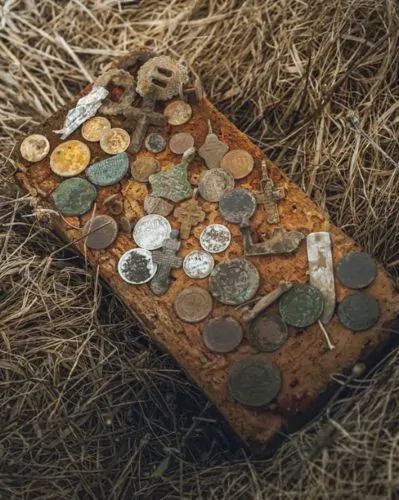
Humans have been using coins as representations of value for longer than most people can imagine. Go back to the 7th Century BC, in Asia Minor, and you will find people trading with lumps of electrum, an alloy containing gold and silver. Most had been imprinted with lines and depressions, but they were fundamentally very basic. Of course, many of the early examples of coinage have been lost, but there are some surviving Lydian coins, which feature lion heads on them, alongside a few other early examples that showcase geometric designs and animals.
But how much would these early coins have been used? Well, it’s likely that they had a significant role in trade, and that brings us to a challenging issue that many are still grappling with today: how do we handle moving currencies across borders?
Money Simplified Trade
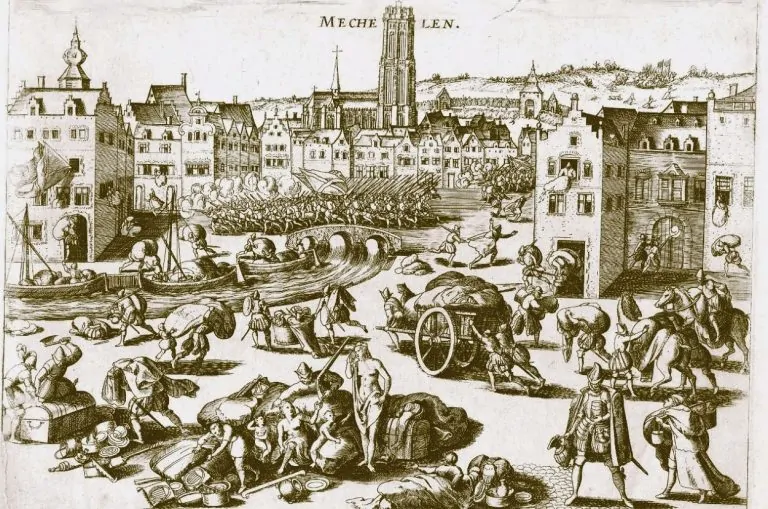
First, let’s acknowledge a simple fact: money is used to simplify trade. Where very early civilizations likely depended on a bartering system, where goods would be swapped for other goods or services, money offered opportunities to standardize and also made it much easier for customers to shop without having to lug around heavy goods of their own for trading purposes. Imagine a world in which you might have taken, for instance, a cow along because you wanted to buy grain or a new stool for your home. Adding to the complication, suppose you wanted to trade with a society that valued cows far less than your own.
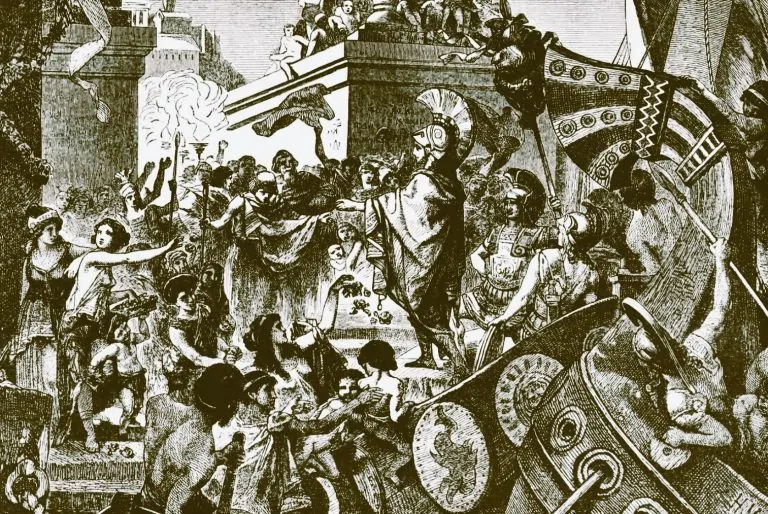
This kind of discrepancy was likely very common in early civilizations, with different resources and different needs. In Mesopotamia, a lot of trade was done with Phoenicians, and both societies heavily depended upon this – but they were swapping goods such as purple dye, glass, and cedarwood; such trade must have been enormously difficult to quantify, as well as highly inflexible a lot of the time.
By creating money, early civilizations revolutionized the setup by creating common denominators of value, making trade far easier, both within their own countries and with other nations. However, as we see today, that can still be quite challenging, especially if the civilizations use different forms of currency. Indeed, currency conversions in today’s world can be just as complicated – although we are coming up with new ways to overcome that issue.
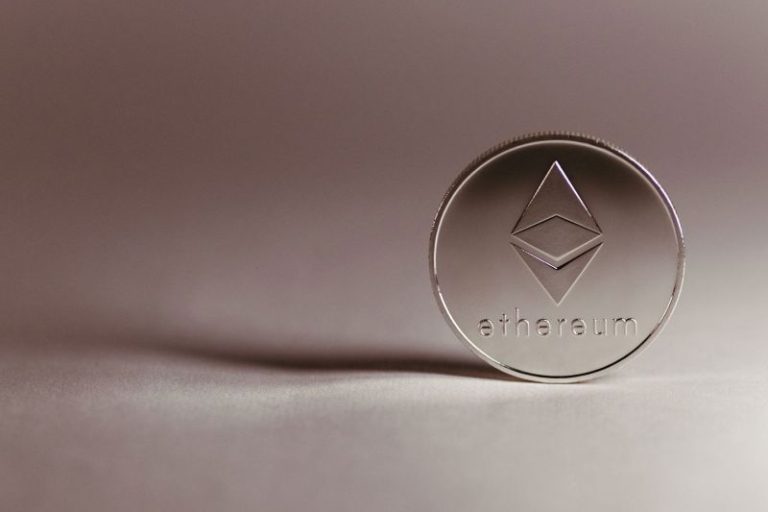
Cryptocurrency is the major tool for tackling it: because these digital currencies are international, rather than being tied to a specific place, they don’t attract the same issues that customers face when they want to exchange dollars for pounds or yen for euros.
That, in a world where the internet brings other countries to our fingertips, is enormously valuable. It has made many online processes far easier. Take, as an example, Bitcoin gambling; this has only sprung up in the last few years, but it is a demonstration of just why crypto is such a valuable tool when operating internationally. No expensive currency conversions, no waiting ages for banks to make the transfer. It’s smooth and straightforward, and a lot of people using the internet – for gambling and for other purposes – are keen to take advantage of that. Bitcoin has exploded in popularity, and it’s partly because we now live in a highly globalized world, and it answers some big problems that internet users were encountering.
But casting our eyes back again, how did early civilizations – long before computers were even thought of – handle this?
The Solutions
The short answer to the above question is this: imperfectly, but with some cleverness. For starters, many civilizations moved to using metal for their coins fairly quickly. Metal, being a valuable material, was almost always used for coins (though not exclusively), with everything from bronze to gold being utilized. Because metal was so useful across civilizations, it served as a recognizable form of value for everybody. The Romans famously used bronze, a metal that had inherent trading value because it could be turned into tools.
Other civilizations also turned to metals, either precious or nonprecious, as a means of conveying real, tangible value in the coins. Of course, metal also has the advantage of being robust and easy to carry, as well as reasonably easy to shape and imprint with symbols of value and country denominators, as well as dates.
Many problems still arose, especially in Europe after precious metal coins were introduced. Because of fluctuations in supply and demand, the exchange rate between different kinds of coins could vary significantly, making conversions more challenging both within and between countries – and leading us to the problems cryptocurrencies are attempting to solve in the modern day. Other issues arose too; Asian traders famously had little use for gold, marking a clear discrepancy between how different societies might value different coins.
Attempts to standardize and create currencies linked to specific nations have often been challenging, and the move away from precious metals to coins being representations of value, rather than containing inherent value, has certainly been a difficult one.
Even so, there’s no question that coinage allowed early societies to trade more easily both within nations and internationally. Its history, from the earliest misshapen coins on display in museums to Bitcoin’s high-tech digital numbers, marks some fascinating evolutionary twists and turns.
About the Author