Every July, the same thing happens on my street in Palm Coast. Six dogs who normally log two miles before breakfast vanish from the sidewalks, and by August half of them are stiff enough that their owners are carrying them up the porch steps. It’s not the heat alone. It’s the sudden stop. Dogs need a plan for the months when a midday walk turns into a sauna, and most of us improvise badly.
Here’s the fix in one sentence: move your dog’s exercise to the edges of the day, keep short sessions happening instead of long ones, and give a little extra support to the dogs who already run stiff, whether that’s a chewy joint supplement, a soft bed, or something like cbd for dog joints for the ones who’ve been slow to rise since the weather turned. Everything below is about building the routine around that.
Why Florida summers hit stiff dogs harder
Humidity changes how dogs cool themselves, and that has a ripple effect on movement. Dogs rely heavily on panting to regulate temperature, which the American Kennel Club notes is far less efficient than sweating, and a thick afternoon air mass makes it worse. Your dog isn’t lazy in July. He’s working harder than he does in January just to stay at a normal temperature.
Add age or a touch of arthritis and the math gets ugly. Shorter walks mean less lubrication in the joints, less muscle tone, and more time curled on a cool tile floor. Then the stiffness shows up the next morning and everyone panics. I’ve watched this cycle play out with three dogs now, and the owners who break it are the ones who treat summer as a scheduling problem, not a fitness problem. You don’t need to push harder. You need to push at 6:40 a.m.
The 10-minute rule, and why I’d pick it over a long walk every time
This is the framework I use with my own senior mutt: three short walks a day instead of one long one, capped at ten minutes each in the warm months. Ten minutes at dawn, ten before the sun gets serious, ten after it softens. That’s thirty minutes of movement spread across the day, which keeps joints warm and muscles loose without ever parking your dog on hot pavement for a dangerous stretch.
Two things to check before you head out. First, the pavement test: press the back of your hand to the sidewalk for five seconds. If it’s too hot for you, it’s too hot for paws. Second, the clock. The National Weather Service tracks heat advisories for Flagler County and the rest of the region, and those are your signal to shift walks even earlier or swap them for indoor hallway laps.
A short walk still counts. Half a routine beats none of one, and dogs don’t measure distance. They measure whether they got to sniff the same mailbox they sniff every day.
Five things to set up before the next heat wave
- Kiddie pool in the shade. A shallow plastic pool in a shaded spot lets your dog cool off without a full bath, and most dogs figure it out in a day.
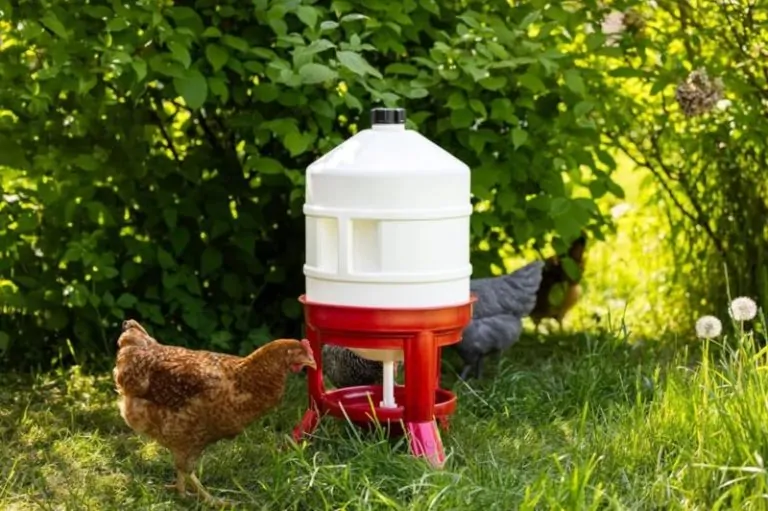
- Two water stations. One inside, one on the porch. Dogs drink more when water is where they already hang out.
- A cooled sleeping spot. Tile, a raised cot, or a bed near a vent. Stiff dogs do better on surfaces that don’t hold heat.
- A morning alarm you actually respect. Set it for 6:30 and treat it as a real appointment. That’s when the air is thinnest and the sidewalks haven’t baked yet.
- Nail trims on schedule. Long nails change how a dog stands and put extra strain on already cranky joints. It’s a small chore with outsized payoff.
What about the dog who’s already stiff?
Some dogs need more than a schedule change, and I’d rather say that plainly than pretend a routine solves everything. If your dog hesitates on stairs, takes a beat to stand up after a nap, or is slower on the morning walk than he was two months ago, that’s your cue to focus on comfort support rather than pushing through it.
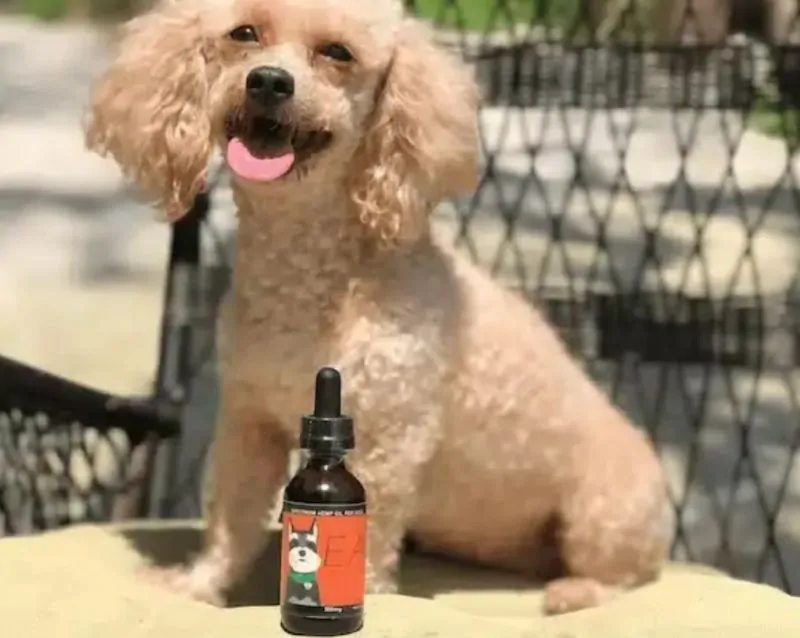
That’s the slice of the market where pet CBD products live, and it’s worth understanding what you’re buying. Hemp is regulated as an agricultural commodity in the United States, a framework the USDA Animal and Plant Health Inspection Service oversees, so a reputable seller will point to organic sourcing and lab testing on the label. Don’t take a brand’s word for it. Look for the certificate of analysis, which is a document any serious seller publishes quietly in their footer.
Where I’d start: a broad, low-and-slow approach. A little support daily, paired with the short-walk routine, for two or three weeks before you judge anything. Quick fixes are a bad fit for slow joints. And I’d choose a tincture over a chew for a picky dog, simply because you can mix it into food without a wrestling match. If your dog snaps at pills, that detail saves you a summer of drama.
Signs you’ve overdone it, and what to do next
The trickiest part of warm-weather exercise is that dogs don’t complain until they’re done. Watch for these instead of waiting for a whimper:
Excessive panting that doesn’t settle within a few minutes indoors, a lagging back leg on the last block, refusing to jump into the car when that was never an issue before, or lying down mid-walk on cool grass. Any one of those means you cut the route in half the next day. Two of them in a week means it’s time to talk to your vet about what’s going on beneath the surface.
I’d rather have a dog that walks nine minutes and jogs home happy than one that does thirty and spends two days recovering on the tile. Keep the loop small. Let him say hello to the neighbors. Call it a win.
Building the fall ramp before you need it
Around late September, the humidity in this part of Florida starts to break, and that’s when most owners go straight back to the old routine. Don’t. Ramp it by five minutes a week and give those summer joints time to rebuild. Your dog spent two months on short loops and cool floors, and the muscles that carried him through spring are softer than they were. A gradual return means fewer surprises in November, when the first cool snap arrives and every stiff dog in the neighborhood suddenly gets ambitious. The whole system comes down to this: adjust the schedule, keep the sessions short, support the dogs who need it, and read the signals your dog can’t say out loud. Summer doesn’t have to be the season your dog stops moving. It just has to be the season you move smarter. What’s your dog’s dawn-walk time right now, and is it actually early enough?
About the Author